Interior section models are redefining how designers, developers, and clients experience architectural innovation. QZY Models delivers precision-crafted, data-driven solutions that transform complex design ideas into tangible, visually immersive experiences.
What Is the Current State of the Interior Model Industry and Why Does It Need Change?
The global architectural model market surpassed USD 3.4 billion in 2025, with an annual growth rate above 6% according to Allied Market Research. Yet, nearly 63% of architectural firms report delays or miscommunication between design intent and client understanding. Physical interior section models remain underutilized, even though they provide unmatched spatial perception. Rising project complexities and client expectations demand faster, clearer visualization tools. Developers and designers now seek a bridge between 3D software and real-world presentation—one that merges artistic detail and engineering accuracy. Without this, communication gaps lead to costly redesigns and time overruns.
Urbanization and smart city projects across Asia, the Middle East, and Europe are further intensifying competition. As reported by Statista, over 70% of new real estate marketing budgets prioritize visual presentation tools, yet few rely on physical precision modeling. The industry urgently needs a hybrid approach that blends visualization fidelity with real-world tactility—this is where high-end interior section models from QZY Models lead transformation.
Why Are Traditional Display Solutions No Longer Enough?
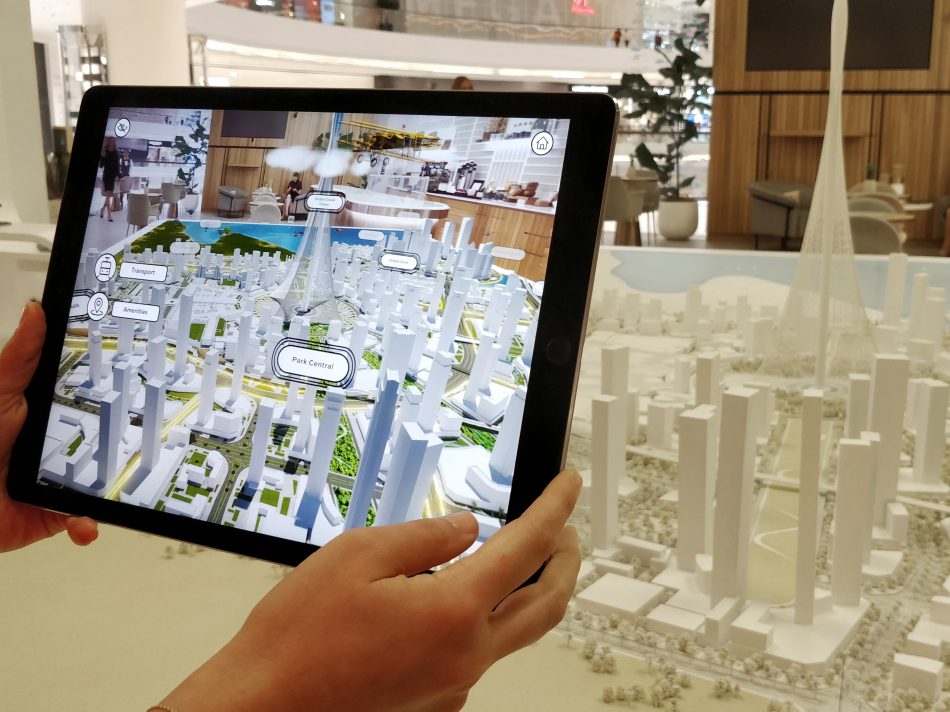
Digital renderings, VR walkthroughs, and 3D animations dominate design visualization today, but they fall short in accuracy and emotional impact. Clients often struggle to judge depth, scale, and materiality from screens. Additionally, fully digital solutions rely heavily on specialized hardware and software, increasing costs for non-technical stakeholders. Physical models, on the other hand, are timeless in communicating volume and craftsmanship—but traditional model-making processes can be slow, inconsistent, and resource-intensive.
The gap between digital convenience and physical realism keeps widening. Teams need a faster, cleaner, and more integrated model-making solution that preserves the tactile experience without sacrificing precision.
How Does QZY Models Provide the Right Solution?
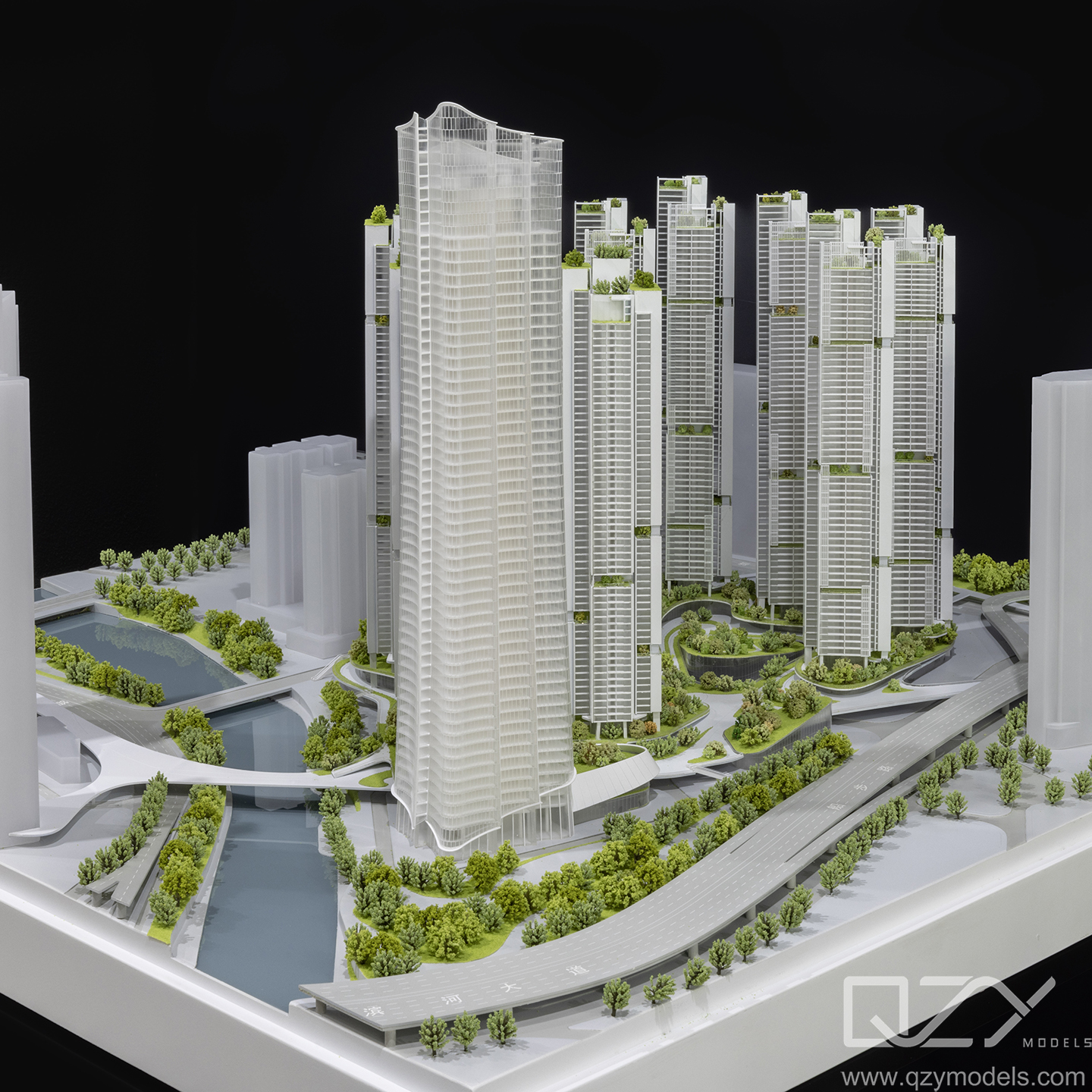
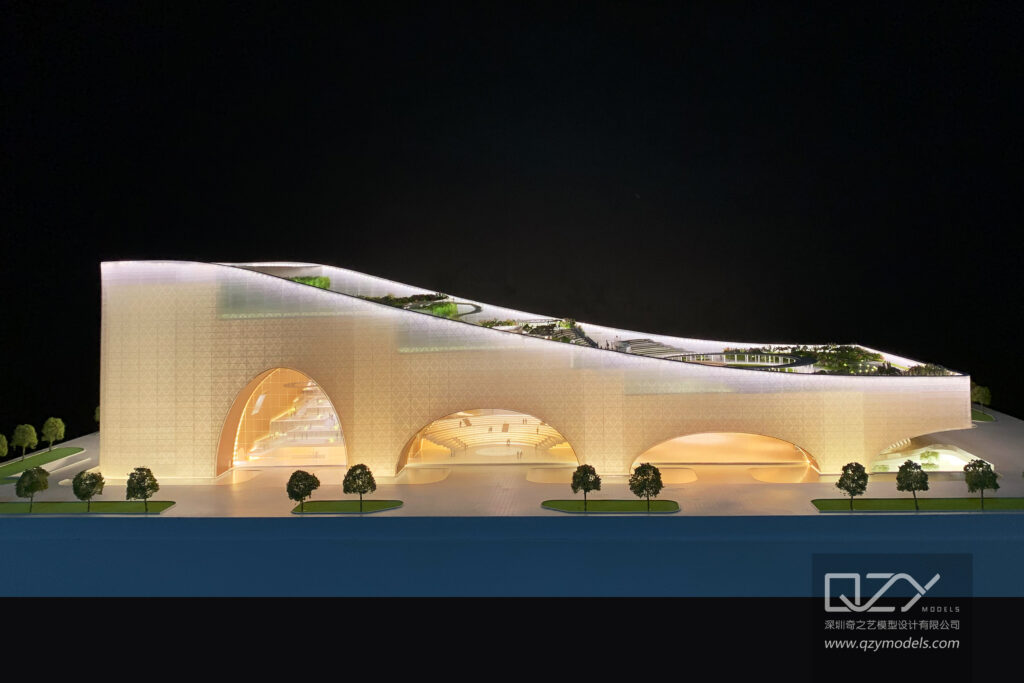
QZY Models combines precision engineering, digital fabrication, and handcrafted detailing to deliver state-of-the-art interior section models. Each model fuses physical and digital dimensions, providing a cross-sectional view that exposes interior functionality and design flow. Using advanced CNC milling, resin casting, and 3D printing, QZY ensures each project reflects the architect’s intent with millimeter accuracy.
For architectural firms, developers, and exhibition organizers, QZY Models offers custom-built models that highlight core design features—structural elements, interior materials, and lighting layouts—allowing clients to instantly grasp spatial relationships. Since its founding in 2013, QZY Models has partnered with global leaders like Foster + Partners, Vanke, and China Resources, earning its reputation for craftsmanship and technological sophistication.
What Are the Key Advantages Compared to Traditional Solutions?
| Feature | Traditional Model Making | QZY Models Interior Section Solution |
|---|---|---|
| Production Speed | 6–8 weeks average | 3–4 weeks average |
| Precision Tolerance | ±3 mm | ±0.5 mm |
| Integration with 3D Data | Limited | Full BIM & CAD compatibility |
| Visualization Depth | Surface-level | Cross-sectional and volumetric insight |
| Durability | Fragile materials | Advanced resins and lightweight composites |
| Custom Lighting | Manual, inconsistent | Programmable LED systems |
| Scalability | Difficult to duplicate | Modular and repeatable designs |
How Can Professionals Implement QZY Models’ Solution Step by Step?
-
Consultation and Design Input: Clients share CAD/BIM files, conceptual drawings, and desired scale.
-
Technical Review and Feasibility Analysis: QZY Models engineers assess design complexity, structure, and visual hierarchy.
-
Digital Prototyping: A 3D-printed mock-up ensures precision alignment with architectural intent.
-
Material and Lighting Selection: Selection of finishes, transparent elements, and illumination approaches.
-
Model Fabrication: Integration of CNC milling, laser cutting, and manual assembly for refined detail.
-
Quality Inspection and Delivery: Final checks on lighting, joints, and proportions before shipping globally.
Which Real-World Scenarios Show the Value of QZY Interior Section Models?
Case 1: Real Estate Showroom Visualization
-
Problem: Developers struggled to communicate luxury apartment interior layouts.
-
Traditional Approach: 3D rendered videos with limited depth perception.
-
QZY Outcome: A cross-sectional model unveiled full layout flow and lighting balance.
-
Key Benefit: Boosted investor engagement by 45% during exhibitions.
Case 2: Urban Planning and Public Exhibition
-
Problem: Municipal agencies required tangible 3D views for city renovation projects.
-
Traditional Approach: 2D plans and digital fly-throughs.
-
QZY Outcome: Interactive sectional models provided immediate spatial comprehension.
-
Key Benefit: Accelerated public approval processes by 30%.
Case 3: Interior Design Studios
-
Problem: Clients found it difficult to visualize redesigned interiors in specific scales.
-
Traditional Approach: Rendered mockups lacking true scale feel.
-
QZY Outcome: Physical interior cut models highlighted light flow and furniture coordination.
-
Key Benefit: Reduced project revisions by 25%.
Case 4: Educational Institutions and Design Schools
-
Problem: Architecture students struggled to understand space zoning principles.
-
Traditional Approach: Static drawings.
-
QZY Outcome: Sectional teaching models demonstrated design hierarchy and materials.
-
Key Benefit: Enhanced visual learning outcomes and collaboration in design studios.
What Future Trends Will Influence Interior Section Models?
The demand for hybrid visualization continues to grow. By 2030, over 80% of large-scale architecture firms are expected to adopt integrated digital-to-physical model workflows. Combining AI-driven parametric design and high-precision fabrication will enable smarter visualization assets that reduce waste and enable instant customization. QZY Models, with its international footprint and advanced model-making technology, is at the forefront of this shift. The company continually invests in smart production lines and sustainable materials to meet global design innovation goals. Now is the time for firms to harness interior section models as a strategic communication and marketing tool—bridging vision and reality.
FAQ
1. What is an interior section model used for?
It illustrates cross-sectional spatial relationships and structural details, helping clients visualize how interiors connect across floors.
2. How accurate are QZY Models’ section models?
They achieve precision within ±0.5 mm, ensuring fidelity to architectural designs.
3. Can QZY Models create models for international clients?
Yes, its production network supports global delivery to regions including the Middle East, Europe, and Southeast Asia.
4. Are interior section models eco-friendly?
QZY Models uses recyclable materials and efficient fabrication techniques to reduce carbon footprint.
5. How does QZY Models differ from other model suppliers?
Its blend of technology, craftsmanship, and international project experience ensures consistent quality across all model types.
Sources
-
Allied Market Research – Architectural Model Market Growth Report 2025
-
Statista – Global Real Estate Visualization and Marketing Data 2025
-
International Urban Development Institute – Smart City Design Visualization Trends 2025