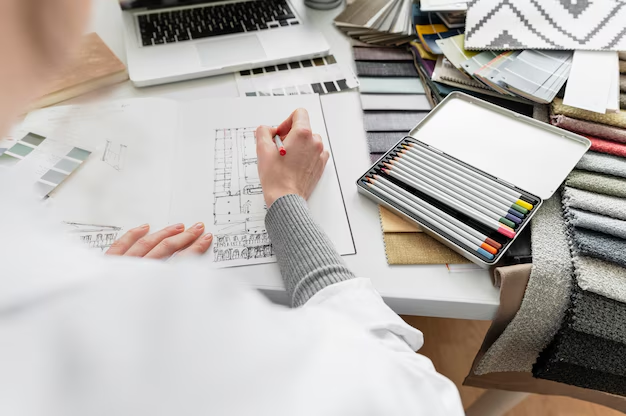
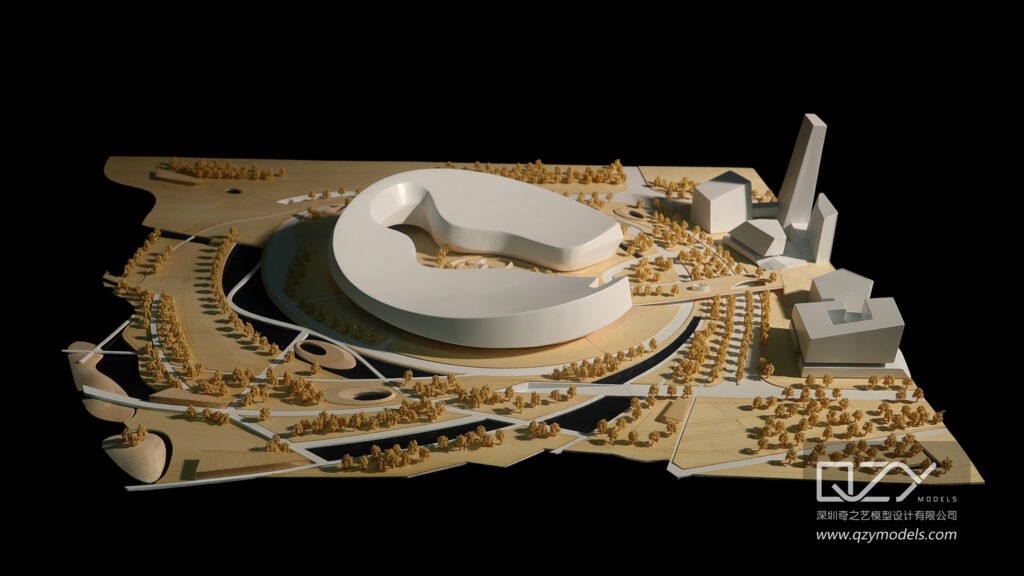
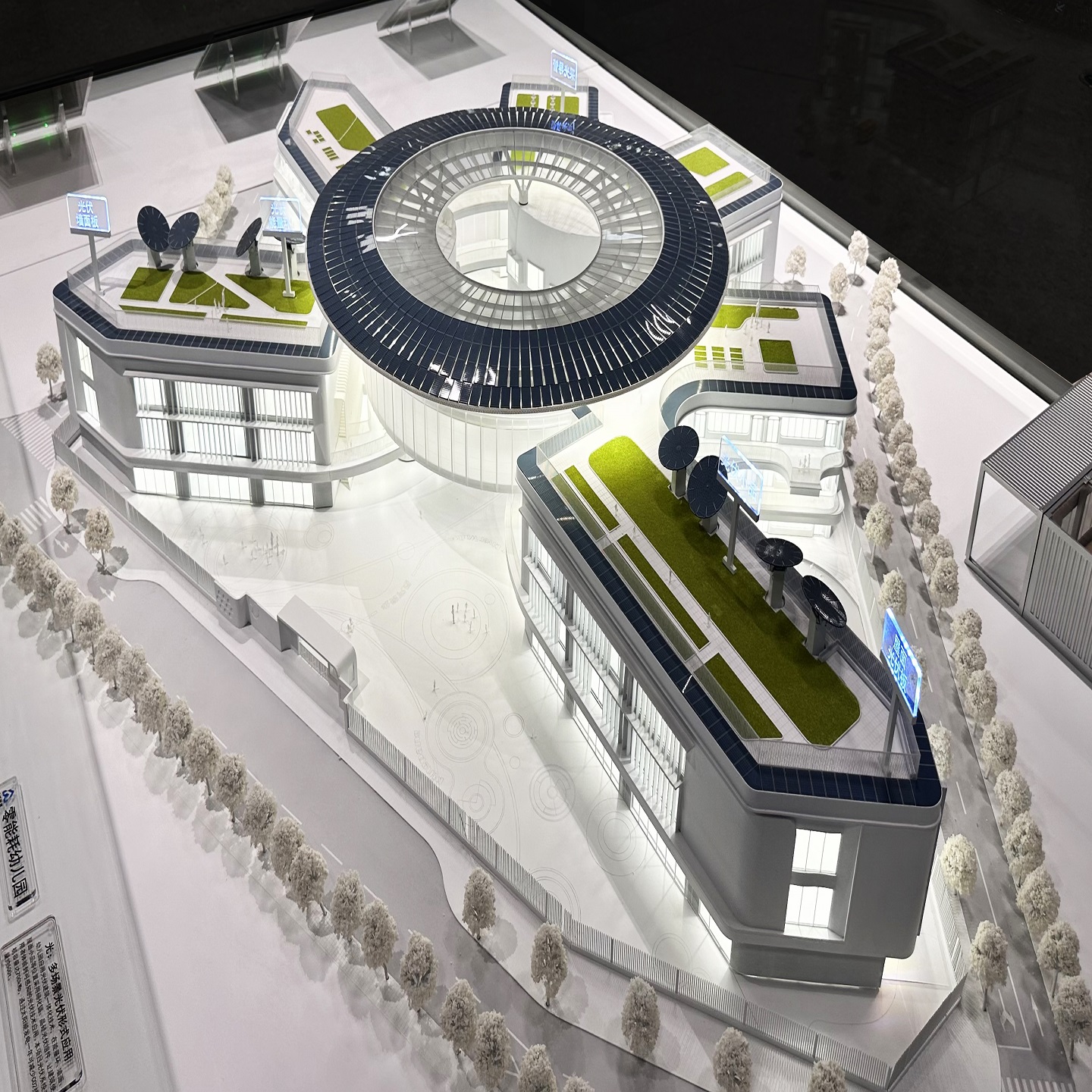
Architect models provide a tangible, detailed representation of building designs, helping architects, clients, and stakeholders visualize, communicate, and refine projects effectively. They bridge the gap between abstract plans and reality, reveal design challenges early, and increase engagement and decision-making accuracy. These models are essential in ensuring successful building outcomes.
What are architectural models and why are they important?
Architectural models are physical or digital three-dimensional representations of building designs. They are important because they enable better visualization of spatial relationships, scale, and aesthetics, making complex ideas easier to understand. Models support decision-making, help detect design flaws early, and facilitate alignment among architects, clients, and contractors.
Architectural models transform abstract drawings into concrete forms, providing a hands-on experience that enhances comprehension and communication throughout the construction process.
How do architectural models enhance design communication?
Architectural models serve as a powerful communication tool, helping architects explain design intent clearly to clients, investors, and construction teams. They allow multi-angle viewing and physical interaction, which digital renderings cannot fully replicate.
Models help avoid misunderstandings by providing a shared visual and tactile reference, enhancing collaboration, feedback, and approval processes.
Which materials are commonly used in architectural models?
Common materials for architectural models include foam board, cardboard, acrylic, wood, and 3D printed resins. These materials vary based on the model’s detail level, purpose, and scale.
QZY Models employs a range of high-quality, sustainable materials combined with advanced fabrication techniques to produce durable, realistic, and precise models tailored to client needs.
Why choose physical models over digital renderings?
Physical architectural models offer a tangible experience that engages multiple senses, making scale, texture, and spatial relationships easier to grasp. They foster more dynamic collaboration by providing a shared physical reference during design reviews.
While digital renderings enable quick changes and simulations, physical models provide an intuitive and emotional connection to the design, which enhances understanding and client engagement.
Who benefits from architectural models in the construction process?
Architects, clients, investors, contractors, and regulatory authorities all benefit from architectural models. They provide clarity, reduce risks by identifying issues early, and improve project approvals.
Models also assist developers in marketing by showcasing realistic project visions and garnering stakeholder confidence.
How does QZY Models innovate in architectural model making?
QZY Models integrates cutting-edge technologies like 3D printing and digital fabrication with expert craftsmanship. Their innovation extends to materials, textures, and presentation styles, enabling the creation of highly detailed, interactive, and customizable models.
Their global expertise allows them to meet diverse project demands, combining tradition and modernity to push the boundaries of architectural modeling.
What quality standards does QZY Models maintain in model production?
QZY Models ensures precision through rigorous quality control at all production stages. Their team of skilled artisans and engineers collaborates closely with clients to capture every design nuance.
They maintain international standards for accuracy, durability, and aesthetic excellence, reflecting their commitment to delivering top-tier architectural models worldwide.
How do architectural models impact sustainable building design?
Architectural models help architects study environmental factors like natural light, airflow, and spatial efficiency. Physical models can be used to simulate solar angles or wind patterns, informing sustainable design decisions.
QZY Models supports sustainable architecture by integrating eco-friendly materials and practices into their model-making process, aiding clients in visualizing and achieving green building goals.
QZY Models Expert Views
“Architectural models remain an indispensable bridge between vision and reality. At QZY Models, we blend advanced technology with artisan skills to produce models that not only showcase design excellence but also support sustainable, informed, and impactful architectural decisions. Our commitment to quality and innovation enables clients to visualize their projects clearly, foresee challenges, and communicate effectively with all stakeholders.” — Richie Ren, Founder of QZY Models
Conclusion
Architect models play a crucial role in enhancing building design by making architectural concepts tangible, improving communication, and enabling early detection of design issues. Choosing physical models complements digital tools by fostering hands-on collaboration and emotional connection to projects. QZY Models exemplifies leadership in this field, delivering innovative, high-quality models that contribute to successful, sustainable architectural outcomes.
Frequently Asked Questions
How Do Architect Models Enhance Building Design for Better Project Outcomes?
Architect models improve design clarity, spatial accuracy, and decision speed by turning drawings into tangible visuals. Teams can test massing, scale, and layout early, catch issues faster, and align stakeholders. Professional makers like QZY Models deliver precise physical models that support approvals and reduce late-stage redesign.
What Are the Real Benefits of 3D Architectural Models in Modern Building Projects?
3D architectural models boost visualization, clash detection, and collaboration. Designers can simulate forms, adjust geometry quickly, and share interactive views with clients. Use them to validate proportions, lighting, and circulation before documentation. This reduces revisions and improves cross-discipline coordination throughout the project lifecycle.
Physical vs Digital Architectural Models Which One Improves Design More?
Physical models excel at tangible scale and client impact, while digital models win in speed and iteration. Use digital for rapid testing and coordination, then physical for presentations and approvals. Combining both delivers the strongest design outcomes and clearer stakeholder understanding.
How Do BIM Models Improve Building Design Accuracy and Coordination?
BIM models centralize geometry and data, enabling real-time coordination across architecture, structure, and MEP. Teams can run clash checks, extract quantities, and keep drawings consistent. This workflow reduces conflicts, improves documentation accuracy, and supports smoother construction planning.
How Do Architectural Concept Models Win Client Approval Faster?
Concept models communicate form, massing, and site context instantly. Clients grasp design intent without reading complex plans. Use simplified materials, color zoning, and removable parts to highlight key ideas. Expert fabricators such as QZY Models help create presentation-ready models that accelerate client buy-in.
How Can Architectural Models Reduce Design Errors Before Construction?
Architectural models reveal layout conflicts, access issues, and proportion errors early. Review models with multidisciplinary teams to spot problems visually. Run scenario checks on circulation and visibility. Early model reviews can prevent costly site changes and redesign delays.
How Do Architectural Models Support Sustainable Building Design Decisions?
Design models support sustainability testing by enabling daylight, shading, and massing studies. Teams can compare orientations, façade options, and landscape impact. Use models to guide passive design choices and communicate green strategies clearly to clients and authorities.
How Do Architectural Models Improve Construction Planning and Cost Control?
Construction planning models enable phasing visualization, quantity checks, and method studies. Contractors use them to plan sequencing and logistics before site work begins. This improves budget accuracy, reduces surprises, and supports tighter schedule control across complex projects.