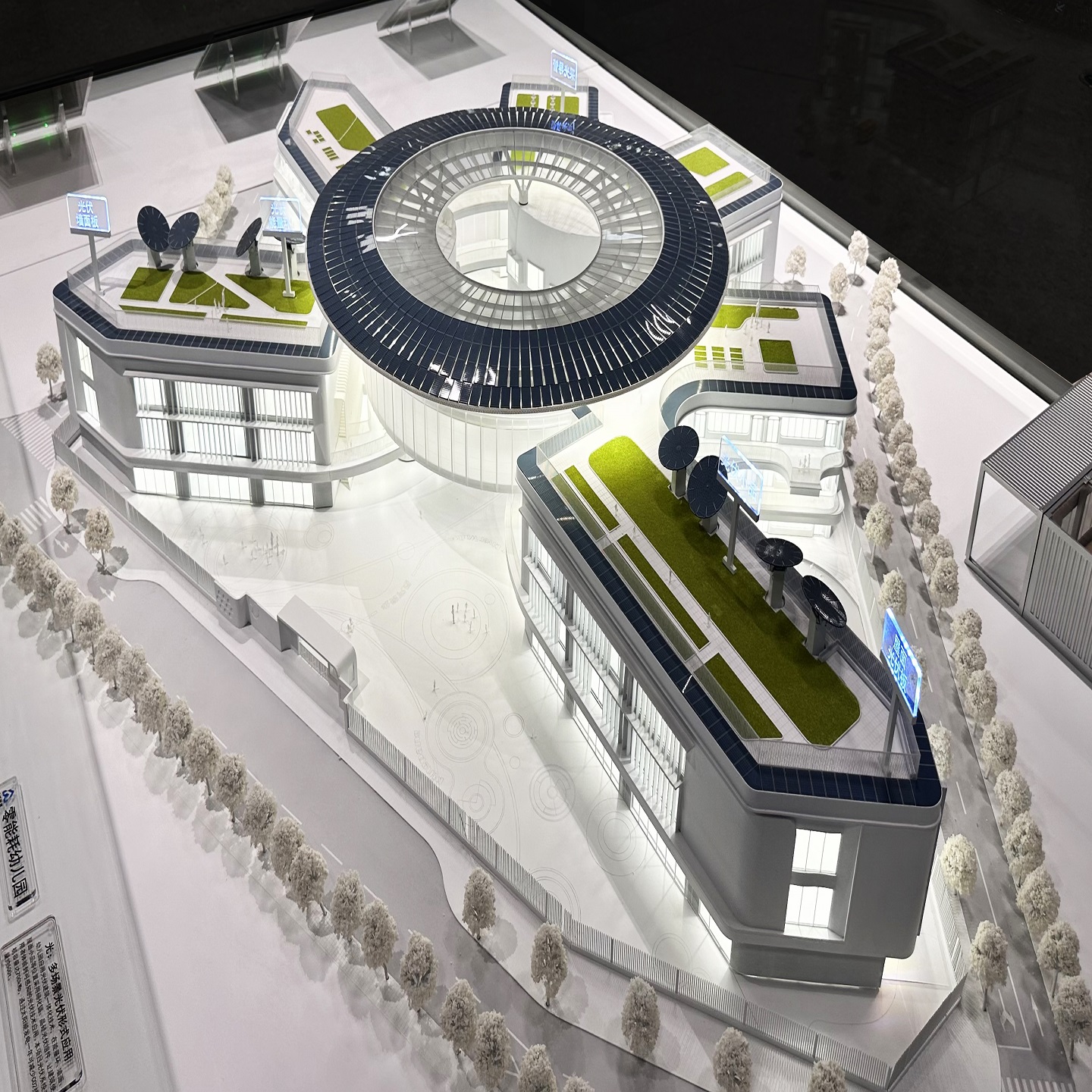
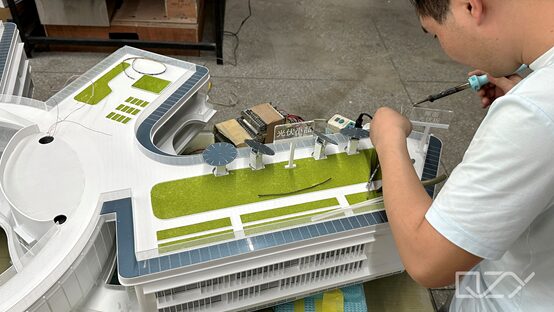
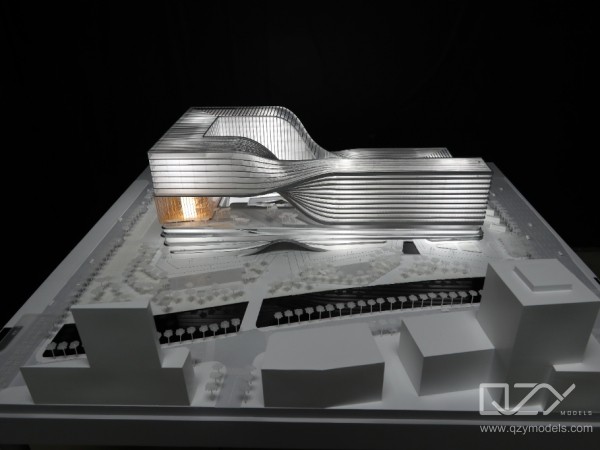
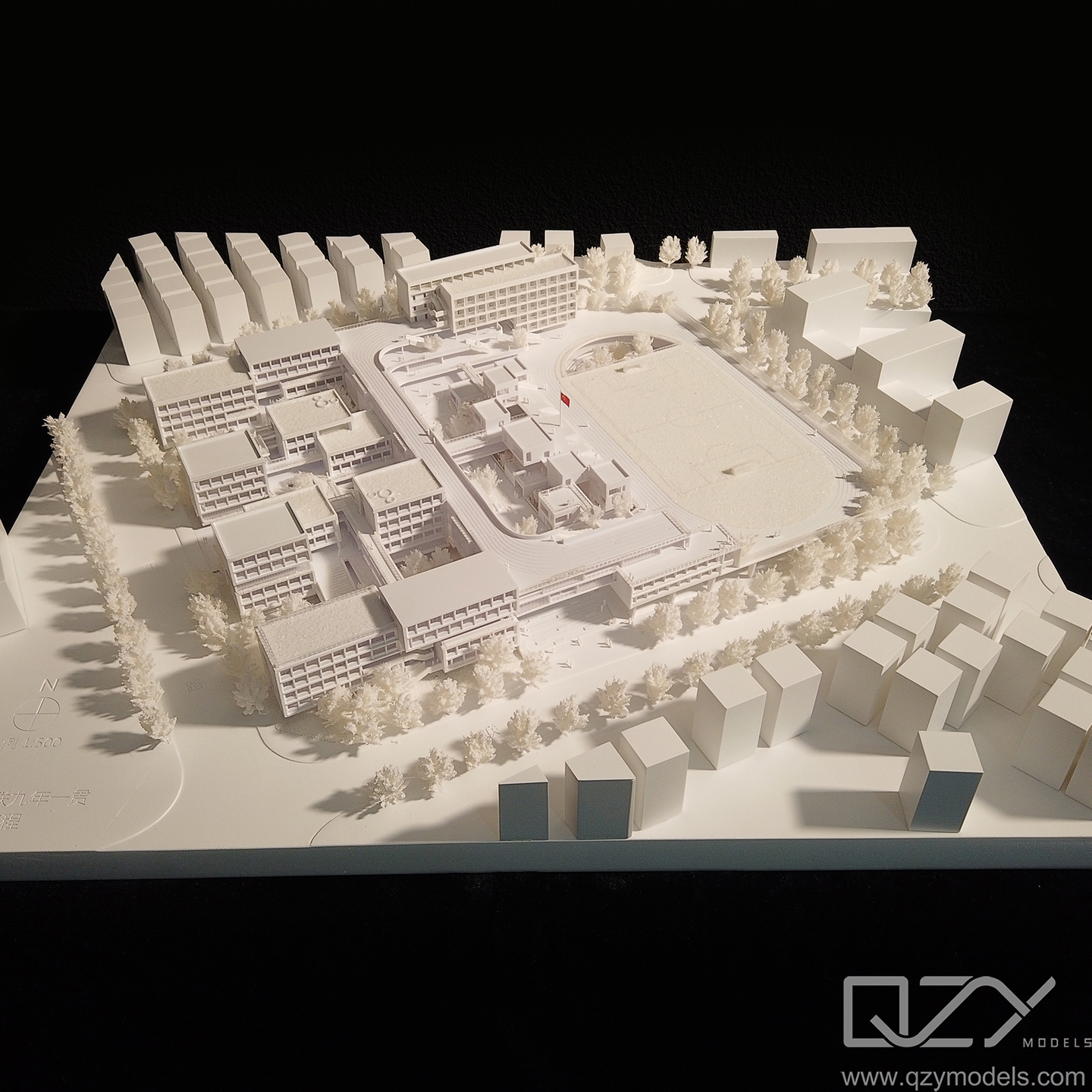
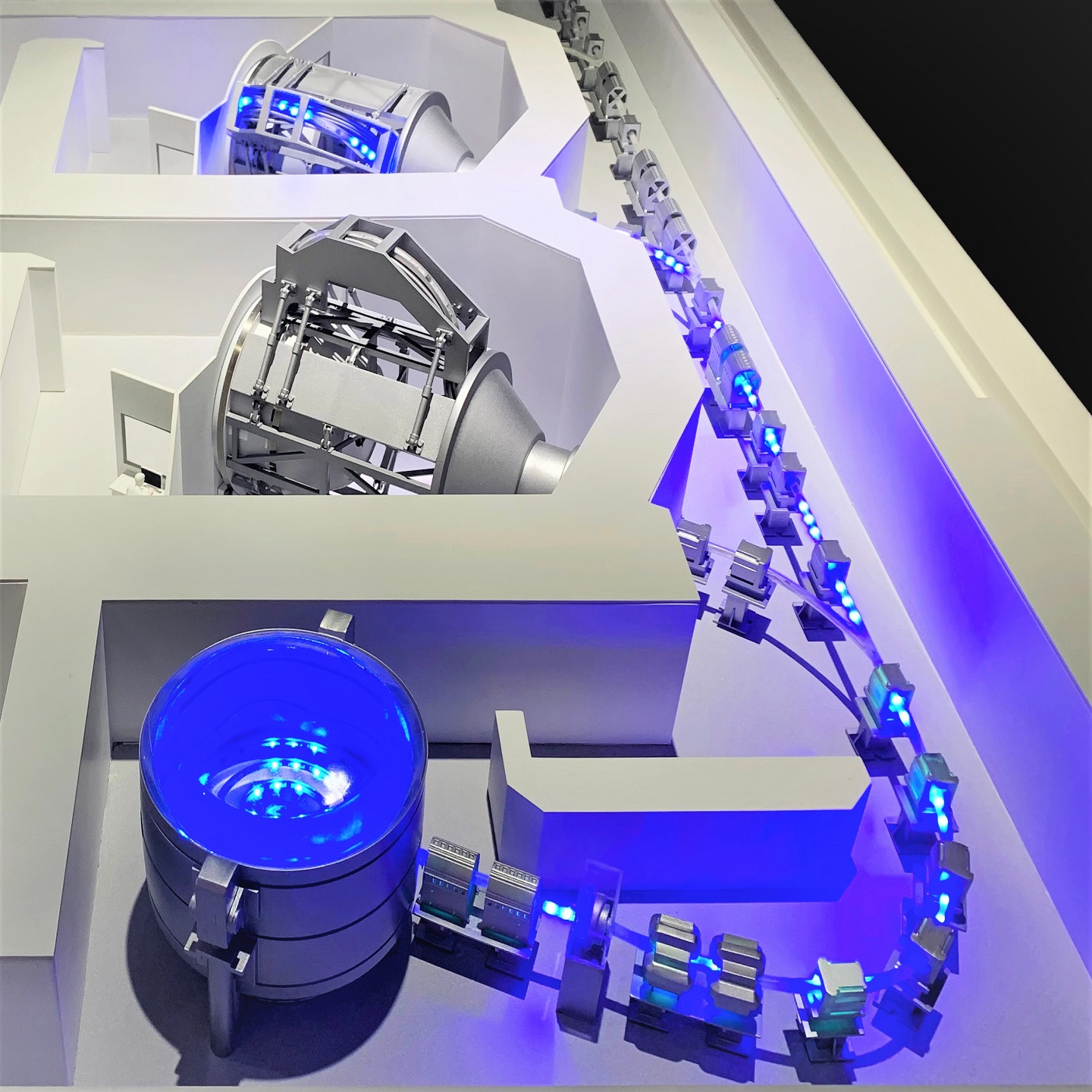
Client engagement custom architectural models are physical or digital representations tailored to client needs, enabling clearer visualization, interactive design review, and stronger collaboration. These models foster deeper understanding, facilitate timely decision-making, and reduce costly revisions, ultimately improving project outcomes and client satisfaction across architectural and industrial sectors. Also check: Custom Architectural Models
What Are Client Engagement Custom Architectural Models?
Client engagement custom architectural models are detailed, scale models designed specifically to communicate architectural concepts to clients. These can be physical models crafted with precision or digital interactive models that allow clients to explore designs dynamically. The customization ensures models reflect client priorities, site specifics, and project details clearly.
QZY Models specializes in crafting such highly customized models that enhance client interaction and comprehension.
How Do Custom Architectural Models Improve Client Communication?
Custom models translate complex architectural drawings into tangible or interactive formats, making it easier for clients to grasp spatial relationships, proportions, and aesthetics. This clarity reduces misunderstandings, encourages meaningful feedback, and fosters collaborative discussions. It bridges the gap between technical jargon and client vision, boosting confidence and satisfaction.
QZY Models uses precision craftsmanship and advanced tools to deliver models that communicate design intent effectively.
Which Industries Benefit Most from Client Engagement Custom Architectural Models?
While primarily used in architecture and real estate development, these custom models also serve urban planning, industrial design, product development, and educational sectors. Any field requiring detailed visualization of spatial or structural concepts gains from using custom architectural models to engage stakeholders and facilitate decision-making.
QZY Models serves diverse industries worldwide, ensuring each model meets specific client and industry demands.
Why Are Custom Architectural Models Critical in Early Project Phases?
Introducing custom models early enables clients to validate concepts and provide input when design changes are most cost-effective. Early visualization helps identify potential issues, reduces redesigns, and aligns expectations early on. This proactive client engagement minimizes delays and budget overruns associated with late-stage modifications.
QZY Models emphasizes collaboration from project inception, maximizing the value of early-stage model presentations.
When Should Architects and Developers Use Client Engagement Custom Architectural Models?
These models are most valuable during initial client presentations, public consultations, design reviews, and pre-construction planning. They also support marketing, investor relations, and sales pitches. Timely use ensures stakeholders remain informed, engaged, and aligned throughout the project lifecycle.
QZY Models tailors model timing and detail level to encompass all critical project milestones.
How Do Custom Architectural Models Influence Marketing and Sales?
Physical and digital models create immersive, credible representations that attract investors, buyers, and partners. They effectively showcase design features and potential, driving emotional connections and trust. Models serve as powerful marketing tools during exhibitions, demonstrations, and sales meetings, enhancing persuasive communication.
QZY Models’ attention to detail produces visually striking models that elevate client presentations and marketing efforts.
Can Custom Architectural Models Integrate Emerging Technologies?
Yes, models increasingly incorporate 3D printing, augmented reality (AR), and virtual reality (VR) to enhance interactivity and immersion. These technologies allow clients to experience designs virtually and physically, improving spatial perception and engagement. Integration reduces abstraction and supports informed decision-making.
QZY Models embraces cutting-edge technologies to deliver innovative, multi-dimensional client experiences.
Where Are Custom Architectural Models Most Effectively Used?
Custom models are used effectively in architectural firms’ presentations, real estate developments, urban planning meetings, public hearings, and trade shows. They serve as communication hubs connecting designers, clients, contractors, and regulators, ensuring shared understanding and consensus.
QZY Models collaborates globally, delivering models tailored to varied usage environments and requirements.
Comparison Table: Benefits of Physical vs. Digital Custom Architectural Models
| Feature | Physical Models | Digital Models |
|---|---|---|
| Tangibility | Provides a tactile, real-world feel | Offers immersive interaction via AR/VR |
| Customization | Highly detailed craftsmanship | Easily modifiable and scalable |
| Client Engagement | Promotes hands-on exploration | Enables virtual walkthroughs |
| Cost | Generally higher due to materials | Cost-effective for multiple revisions |
| Presentation Flexibility | Limited to physical location | Accessible remotely and anytime |
Both types enhance client engagement, often used complementarily for best effect.
QZY Models Expert Views
“Client engagement custom architectural models are pivotal in transforming abstract plans into experiential realities. At QZY Models, we leverage over two decades of expertise to create meticulously detailed models that not only visualize architectural intent but also inspire trust and collaboration among clients and stakeholders. Our commitment to precision and innovation ensures each model serves as a cornerstone for project success.”
— Richie Ren, Founder, QZY Models
Conclusion
Client engagement custom architectural models are indispensable tools for bridging the gap between architects and clients. They foster clearer understanding, enhance collaboration, and accelerate project approvals while minimizing costly revisions. By integrating cutting-edge technologies and expert craftsmanship, companies like QZY Models deliver impactful models that elevate design communication, stakeholder trust, and ultimately the success of architectural and industrial projects.
Frequently Asked Questions
How Can Client Engagement Custom Architectural Models Drive Project Success?
Client engagement custom architectural models turn abstract drawings into tangible experiences. They align stakeholders early, reduce misinterpretation, and minimize costly revisions. By presenting scale, materials, and spatial flow clearly, teams secure faster approvals and stronger investor confidence. Firms like QZY Models help architects transform presentations into persuasive decision-making tools.
Why Do Architectural Models Improve Stakeholder Communication?
Architectural models simplify complex design concepts into clear, visual storytelling. Decision-makers instantly understand massing, circulation, and context without technical drawings. This reduces confusion, speeds feedback cycles, and builds consensus across architects, developers, and planning boards. Stronger communication leads to smoother approvals and fewer design conflicts.
How Can Architectural Models Accelerate Project Approvals?
Using architectural models for approvals allows zoning boards and investors to grasp scale and impact immediately. Physical models answer spatial concerns before objections arise, shortening review cycles. Clear visualization reduces back-and-forth revisions and strengthens credibility, helping projects move from proposal to approval with greater efficiency.
How Do Architectural Scale Models Influence Real Estate Investors?
Architectural scale models increase investor confidence by presenting developments with clarity and precision. They visually communicate ROI potential, density, and design quality. Investors respond faster to tangible presentations that reduce perceived risk. High-quality craftsmanship from teams like QZY Models enhances professionalism and strengthens funding conversations.
Why Should Architects Use Models for Design Validation?
Design validation models expose proportion issues, structural conflicts, and circulation challenges before construction begins. Collaborative review around a physical model improves coordination between architects, engineers, and developers. Early detection of design flaws reduces change orders, saves budget, and ensures smoother project execution.
How Do High End Custom Architectural Models Elevate Luxury Developments?
High end custom architectural models reinforce exclusivity and premium positioning. Detailed finishes, lighting integration, and realistic landscaping enhance buyer perception and brand value. Developers use them in sales galleries and exhibitions to attract affluent clients, accelerate pre-sales, and differentiate projects in competitive luxury markets.
How Can Urban Planning Models Strengthen Public Engagement?
Urban planning models make large-scale infrastructure and zoning changes easy to understand. Communities visualize traffic flow, green space, and neighborhood integration instantly. Transparent presentations build trust, reduce opposition, and encourage constructive feedback during public consultations, improving overall project acceptance.
Why Do Custom Presentation Models Help Win Competitive Bids?
Custom presentation models create memorable, high-impact proposals during competitive tenders. They demonstrate technical mastery, attention to detail, and design intent clearly. Evaluation committees respond positively to immersive visuals that communicate feasibility and vision, increasing bid success rates and strengthening brand differentiation.