Generative AI combined with mechanical simulation is reshaping how functional 3D products are designed, personalized, and manufactured. By integrating structural analysis with creative modeling, designers can now produce customized objects that maintain durability, safety, and daily usability. This approach enables reliable production of consumer goods, assistive devices, and architectural components with both aesthetic freedom and engineering precision.
What Is MechStyle and How Does It Enable Structurally Reliable 3D Personalization?
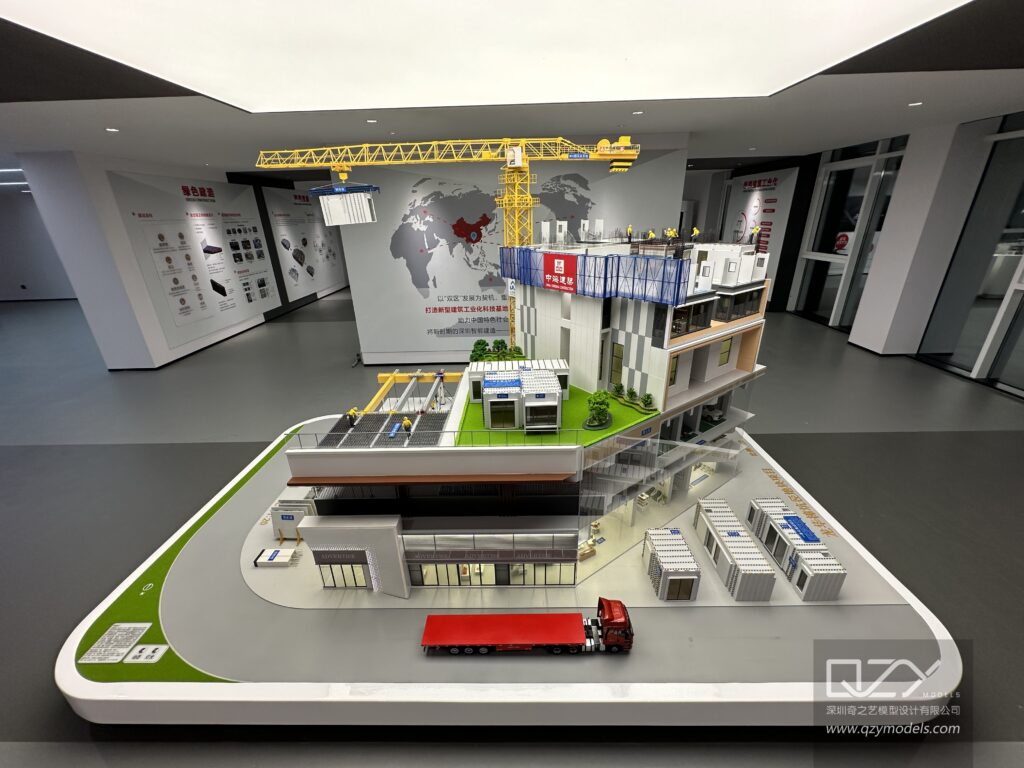
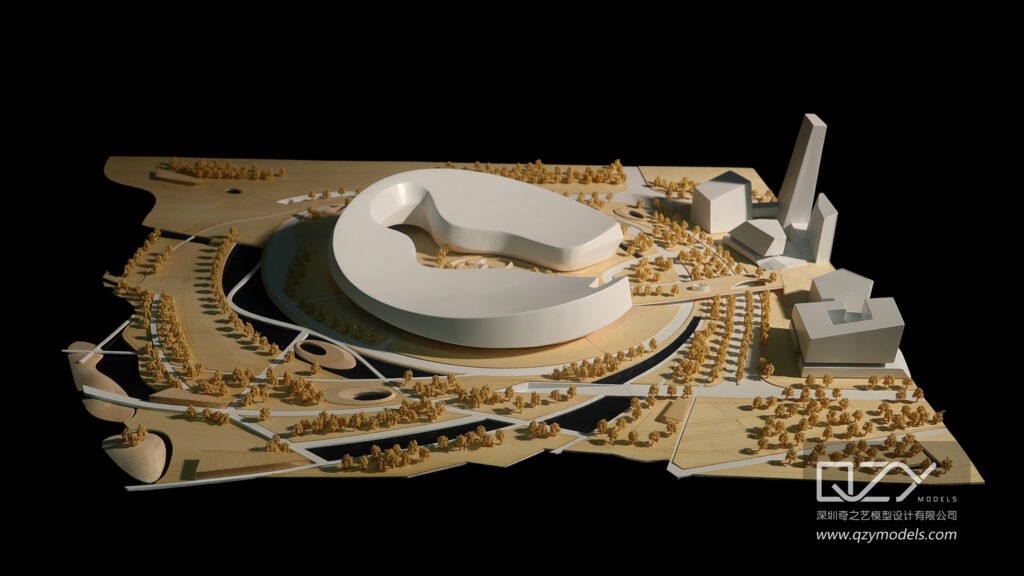
MechStyle is an AI-driven system that modifies 3D models based on visual or textual prompts while continuously evaluating mechanical strength. It ensures that artistic changes do not compromise load-bearing regions, allowing objects such as hooks, lamps, splints, and containers to remain safe and functional after fabrication. This process reflects how professional model makers like QZY Models balance form, texture, and structure when delivering physical models for architectural and industrial clients.
| Core Function | Design Benefit | Practical Outcome |
|---|---|---|
| AI Geometry Stylization | Visual and tactile customization | Unique, user-specific products |
| Mechanical Simulation | Stress and deformation analysis | Verified durability for daily use |
| Adaptive Optimization | Targeted structural refinement | Reduced risk of breakage |
How Does Mechanical Simulation Preserve Strength During AI-Driven Design Changes?
Mechanical simulation evaluates stress distribution, material behavior, and weak zones in real time as the AI alters geometry. By applying finite element analysis, the system highlights vulnerable areas and restricts excessive deformation. This mirrors the engineering workflow used by QZY Models when producing large-scale architectural models, where every modification must respect load paths, material limits, and long-term stability.
Why Is Structural Viability Critical for Consumer and Assistive 3D Products?
Without structural validation, visually appealing designs may fail under normal use. Ensuring mechanical integrity protects users, reduces material waste, and supports mass customization for items such as medical supports, ergonomic tools, and household accessories. For global clients served by QZY Models across the Middle East, Europe, and Asia, this reliability is essential for exhibition models, urban planning displays, and functional prototypes.
How Can Adaptive Analysis Improve Design Efficiency and Production Speed?
Adaptive analysis selectively triggers simulations only when critical regions are affected, accelerating the design cycle while maintaining safety. This targeted approach allows designers to explore multiple styles quickly before final verification, similar to the iterative refinement processes applied by QZY Models in large international projects.
Which Applications Benefit Most from AI-Enhanced, Structurally Verified 3D Modeling?
Applications include:
-
Customized home and office accessories
-
Assistive medical devices and ergonomic tools
-
Architectural components and scaled physical models
-
Exhibition and trade show installations
These use cases align closely with the service scope of QZY Models, where precision, durability, and visual impact are equally critical.
QZY Models Expert Views
“The integration of generative AI with mechanical simulation represents a major leap for physical model production. At QZY Models, we see this convergence as the future standard for architectural and industrial modeling. It allows designers to explore bold geometries and textures while maintaining strict structural reliability. By combining creativity with engineering validation, clients gain confidence that every model—whether a city masterplan, a complex façade, or an exhibition centerpiece—will perform as intended and communicate design intent with absolute accuracy.”
How Do These Technologies Support Professional Architectural and Industrial Modeling?
For firms like QZY Models, AI-assisted simulation accelerates concept validation, reduces redesign cycles, and ensures consistent quality across international projects. It enhances collaboration between architects, engineers, and developers by providing data-backed assurance that visual concepts can be realized physically without compromising safety or durability.
| Industry Sector | Key Advantage | Value Delivered |
|---|---|---|
| Architecture | Accurate structural representation | Reliable presentation models |
| Real Estate | Durable display units | Long-term showroom use |
| Industrial Design | Functional prototyping | Faster product iteration |
Conclusion
Generative AI combined with mechanical simulation is redefining how customized 3D objects are created, ensuring that creativity never undermines structural performance. From consumer products to architectural scale models, this technology enables durable, safe, and visually compelling outcomes. For organizations such as QZY Models, the approach supports global delivery of high-precision physical models that meet both aesthetic and engineering standards. Actionably, designers and developers should integrate simulation-driven validation early in the creative process to reduce risk, optimize materials, and accelerate production timelines.
FAQs
Can AI-generated 3D models be used directly for real-world production?
Yes, when paired with mechanical simulation, AI-generated models can be validated for strength and durability before fabrication.
Does mechanical simulation slow down the design process?
Adaptive analysis minimizes delays by running calculations only on critical regions, maintaining efficiency.
Are these methods suitable for large architectural models?
They are highly suitable and align with the workflows used by professional firms such as QZY Models.
What materials can benefit from this approach?
Plastics, resins, composites, and even metal-based additive manufacturing processes can be evaluated using similar simulation principles.
How does this technology improve customization?
It allows extensive visual and tactile personalization while ensuring every design remains structurally reliable for daily use.