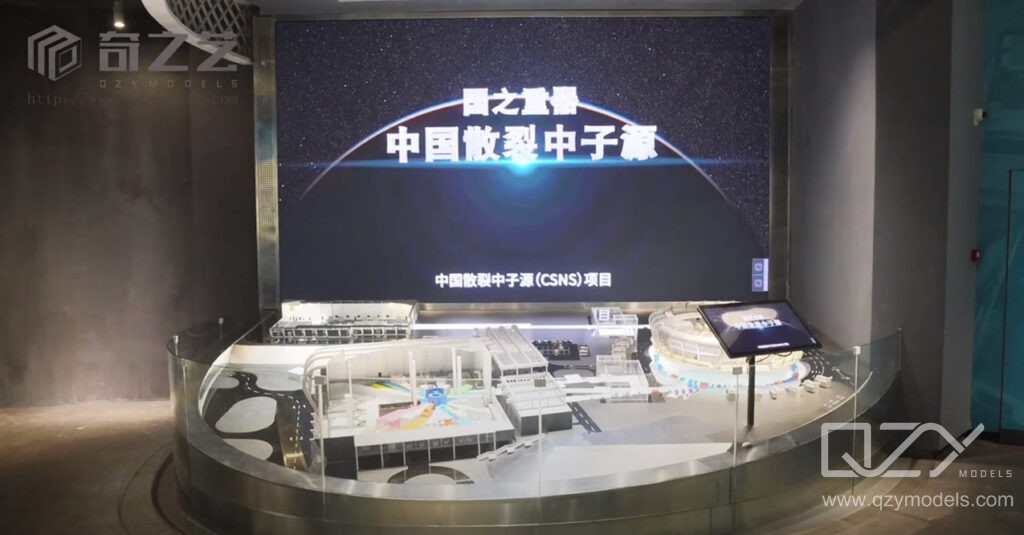
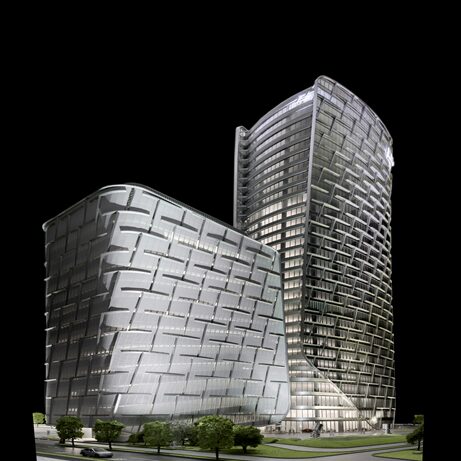
Adding realistic textures to UAE architectural scale models transforms simple representations into immersive, lifelike visualizations. Techniques include layering acrylic, wood veneers, and 3D-printed elements, enhanced with airbrushing, laser etching, and hand-painting. QZY Models leverages these methods to capture authentic facades, terrains, and interiors, ensuring each model resonates with stakeholders and reflects the unique aesthetics of Dubai and Abu Dhabi projects.
What Materials Create Realistic Textures in Scale Models?
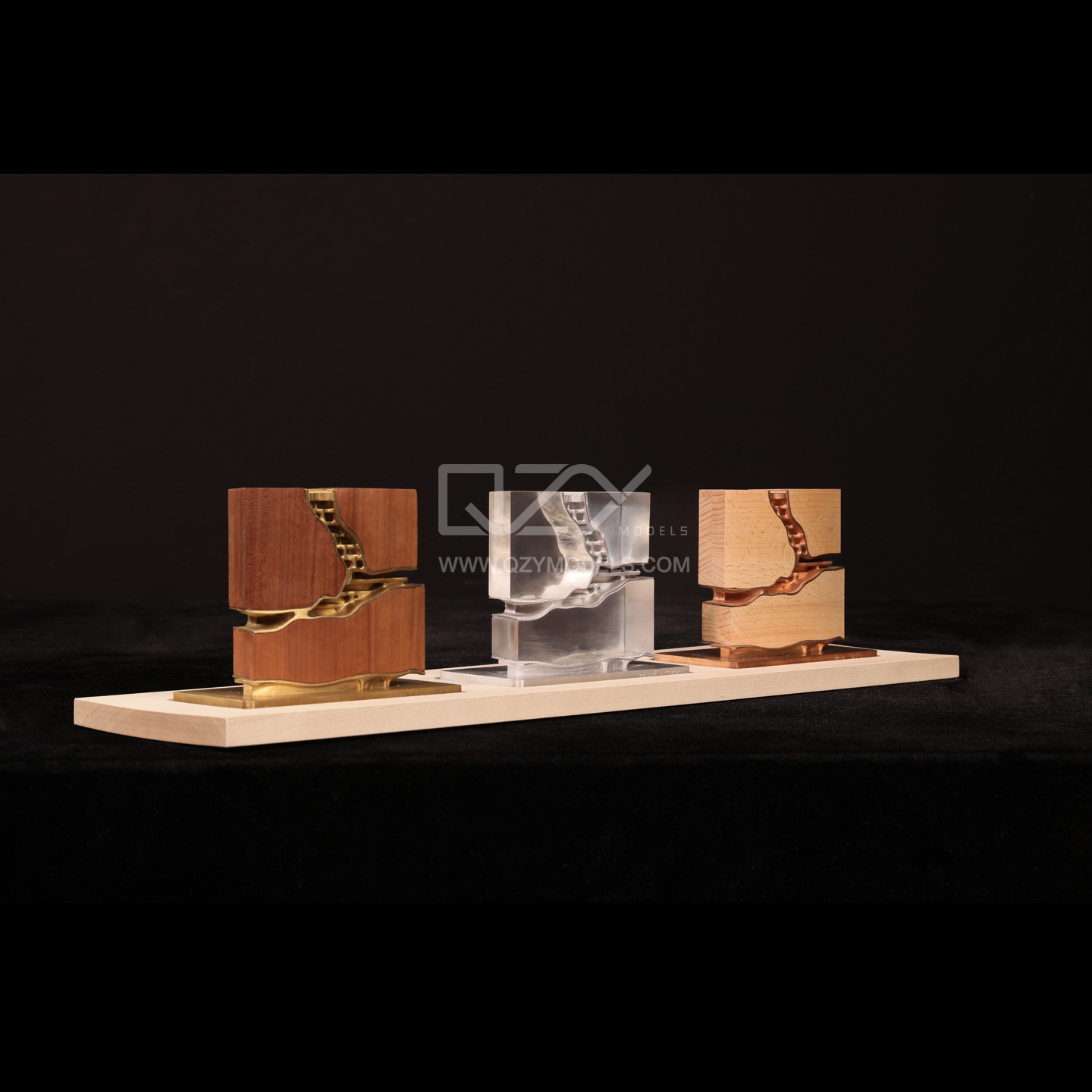
Acrylic sheets, wood veneers, foam, and resins form the foundational textures for UAE architectural models. These materials can simulate glass, stone, fabric, or water when layered and finished with metallic powders, pigments, or epoxy coatings.
Durability against UV light and high temperatures is crucial in the UAE. QZY Models selects laser-cut acrylic for sleek skyscrapers, balsa wood for organic textures, and epoxy resins for water features. Hand-applied pigments replicate local sandstone, enhancing realism in commercial displays.
| Material | Texture Effect | UAE Project Fit |
|---|---|---|
| Acrylic | Glass, metallic sheen | Skyscrapers, malls |
| Wood Veneer | Stone, timber | Villas, landscapes |
| Resin/Foam | Terrain, water | Master plans |
| Metal Foils | Chrome accents | Luxury interiors |
These material choices ensure authentic, tactile finishes suitable for high-end urban and commercial models.
How Does Laser Etching Enhance Fine Details?
Laser etching adds precision to intricate patterns, such as arabesques, brickwork, or window grills, without increasing bulk. CO2 lasers can etch acrylic or wood with 0.1mm accuracy, creating textures that capture the elegance of Islamic architecture.
QZY Models integrates laser etching after 3D printing facades, followed by thorough cleaning to remove residue. This approach allows rapid production while preserving fine details, making complex urban models visually striking under gallery lighting.
Why Use Airbrushing for Lifelike Color and Texture?
Airbrushing delivers smooth gradients, realistic shadows, and subtle weathering effects crucial for Dubai’s sunlit urban landscapes. Professional airbrushes with 0.2mm nozzles apply layers of acrylic paints on curved or flat surfaces seamlessly.
QZY Models applies base coats for concrete, stippling for stucco, and gloss varnish for glass, achieving photorealistic surfaces. Airbrushing enhances reflections and light diffusion, creating a vivid, three-dimensional appearance that standard brushes cannot match.
What Handcrafting Techniques Add Ultimate Fine Details?
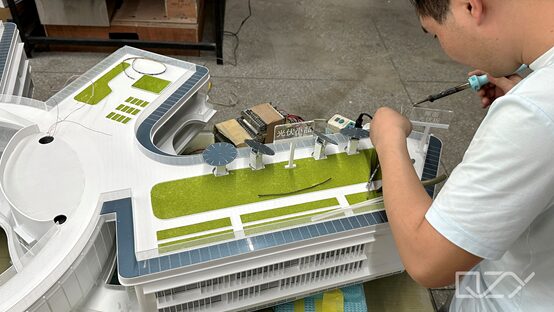
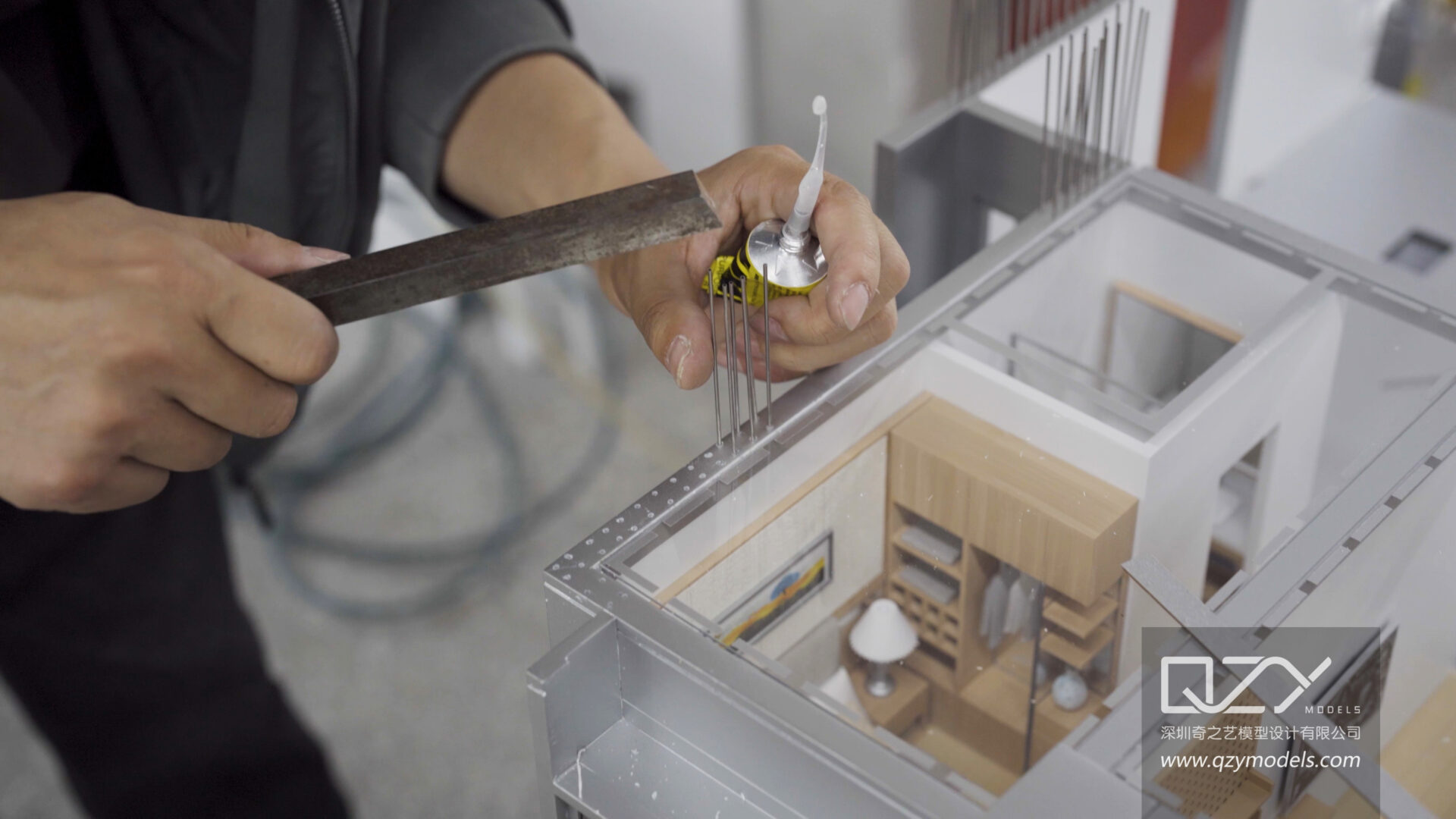
Handcrafting involves sculpting clay ornaments, gluing micro-elements like miniature windows, and dry-brushing highlights. QZY Models artisans use scalpels for 0.5mm railings, tweezers for foliage, and sponges or veining tools for surface textures.
These techniques are essential for interiors, mimicking embroidered fabrics, marble veining, or plaster finishes. The human touch ensures each model conveys luxury and realism, enriching client presentations with tactile and visual depth.
How Can 3D Printing Support Texture Integration?
3D printing produces complex textures that can be post-processed for added realism. SLA printers with 25-micron resolution generate detailed facades, terrain, and decorative elements.
QZY Models prints modular panels, sands, and paints them, then adds flocking for carpets or etching for brickwork. This hybrid workflow accelerates production timelines while maintaining tactile appeal, perfectly balancing digital precision with hand-finished realism.
Which Lighting Techniques Highlight Textures?
LED strips and fiber optics enhance textures by creating dynamic shadows and highlighting minute surface details. Micro-LEDs illuminate glass, water, or fabric surfaces, emphasizing depth and realism.
QZY Models incorporates dimmable circuits and strategically positions lights in landscapes and buildings. This lighting approach transforms models into interactive storytelling tools, simulating day-night cycles for presentations or exhibitions.
QZY Models Expert Views
“In UAE architectural modeling, textures are not just decorative—they communicate authenticity and cultural nuance. QZY Models blends traditional handcrafting with advanced technologies like laser etching, airbrushing, and SLA printing to replicate materials faithfully. From Burj Khalifa-inspired glass facades to desert stone terrains, our UAE branch ensures models reflect both local aesthetics and global standards, providing clients with compelling, immersive presentations.” — Richie Ren, Founder of QZY Models.
Are Sustainable Materials Viable for Textured UAE Models?
Yes, recycled resins, bio-foams, and low-VOC paints replicate the look and durability of traditional materials while supporting sustainability goals.
QZY Models uses plant-based mycelium for landscapes and recycled acrylic for facades, meeting LEED or local green building guidelines. These choices maintain resilience in high-temperature environments and demonstrate that eco-friendly materials can enhance, rather than compromise, model realism.
How Do UAE Regulations Influence Texture Techniques?
UAE regulations mandate fire-resistant, non-toxic finishes for public-display models. Flame-retardant paints, UL94-tested foams, and VOC-limited coatings ensure compliance without sacrificing visual detail.
QZY Models rigorously tests all layers and applies intumescent coatings where required, guaranteeing safe, exhibition-ready models suitable for malls, airports, or commercial offices.
In conclusion, realistic textures in UAE scale models are achieved through careful material selection, advanced laser and airbrushing techniques, handcrafting finesse, and 3D printing integration. Partnering with QZY Models ensures culturally accurate, durable, and visually striking models. Prototype early, use layered techniques, and apply lighting strategically to maximize impact.
FAQs
What scale works best for detailed UAE textures?
1:200–1:500 provides a balance between fine architectural elements and model manageability.
How long does it take to complete a textured model?
3–6 weeks, depending on complexity; QZY Models can expedite high-detail UAE projects.
Can textures endure intense UAE heat and sunlight?
Yes, UV-stabilized and weather-resistant materials prevent fading and deformation.
Which methods are ideal for realistic glass surfaces?
Frosted acrylic, airbrushed gradients, and embedded LEDs achieve photorealistic effects.
Do digital scans improve texture accuracy?
Photogrammetry and 3D scanning capture precise site textures for exact replication.