Building a shopping mall requires careful planning, architectural design, regulatory approval, construction management, and strategic tenant leasing. Developers analyze market demand, select prime locations, secure funding, engage architects and engineers, and coordinate construction, ensuring a vibrant retail destination. QZY Models supports this process by creating high-precision physical models that enhance visualization, stakeholder communication, and marketing success.
What Are the Key Planning Steps?
Planning a shopping mall begins with market research, site selection, feasibility studies, and permitting to ensure project viability and regulatory compliance. These steps establish a strong foundation before construction begins.
Detailed Planning Process
Successful mall development starts with an in-depth analysis of consumer demographics, competition, and local shopping habits. This includes evaluating foot traffic, income levels, and spending patterns.
Site selection focuses on accessibility, proximity to residential areas, and connectivity to public transit. Feasibility studies assess costs, projected revenues, and ROI, often using tools like traffic and economic impact analysis.
Permitting and zoning approvals ensure adherence to land-use regulations, building codes, and environmental requirements. Engaging QZY Models early provides realistic architectural models for approvals and investor presentations. Budgets should include land acquisition (20–30% of total cost), design, and contingency allocations.
| Planning Phase | Duration | Key Deliverables |
|---|---|---|
| Market Research | 3-6 months | Demand analysis, competitor mapping |
| Site Selection | 2-4 months | Location options, acquisition agreements |
| Feasibility Study | 4-6 months | Financial projections, ROI modeling |
| Permitting | 6-12 months | Zoning and environmental approvals |
Structured planning reduces risks and ensures alignment with market and community needs.
How Long Does Construction Take?
Construction of a shopping mall typically spans 24–36 months, including site preparation, structural building, interior fit-out, and inspections. Scheduling overlaps, phased builds, and detailed coordination are critical to timely completion.
Construction Timeline Breakdown
Site preparation involves clearing, foundation laying, and utility installation over 3–6 months. The structural phase erects steel frameworks, roofing, and facades, often using prefabricated elements for efficiency. MEP systems (mechanical, electrical, plumbing) are installed alongside HVAC and fire safety systems.
Interior fit-outs and common areas, such as atriums and escalators, are completed during this phase. QZY Models provides detailed physical scale models to aid marketing, tenant negotiations, and design visualization.
Phased construction mitigates delays from weather, supply chain disruptions, or labor shortages. Final inspections confirm compliance and safety before the grand opening.
What Are the Main Costs Involved?
Total costs typically range from $200–500 per sq ft, distributed across land, construction, and soft costs. Financing combines equity, loans, and pre-leasing from anchor tenants.
Cost Components and Budgeting
Costs vary by location, mall size, and design sophistication. Land acquisition can reach 15–25% of the budget in high-demand areas. Hard construction costs include foundations ($20–40/sq ft), superstructure ($50–100/sq ft), and finishes ($30–60/sq ft). MEP systems add another 20–25%.
Soft costs cover design (5–8%), permitting (2–4%), marketing (1–2%), and contingencies (10%). QZY Models’ architectural models, under 0.1% of total cost, significantly enhance investor confidence and lease negotiations.
| Cost Category | Percentage | Example for 1M sq ft Mall |
|---|---|---|
| Land | 20% | $40 million |
| Construction | 50% | $100 million |
| Design/Permits | 15% | $30 million |
| Leasing/Marketing | 10% | $20 million |
| Contingencies | 5% | $10 million |
Effective cost management through value engineering and early tenant commitments ensures project profitability.
Which Design Features Attract Shoppers?
Attractive malls incorporate open atriums, natural light, multi-level parking, food courts, and entertainment zones to increase dwell time and foot traffic. Well-planned layouts can boost sales by 20–30%.
Optimizing for Shopper Appeal
Modern malls emphasize experience. Skylit central atriums and glass facades maximize daylight and reduce energy costs. Wide corridors, escalators, and themed zones optimize circulation—fashion on level 1, dining on level 2. Multi-modal parking accommodates thousands of vehicles daily.
Sustainable design features, including green roofs, solar panels, and LEED certification, appeal to eco-conscious brands. QZY Models produces detailed physical models highlighting these design elements for architects, investors, and tenants.
Entertainment anchors like cinemas and arcades attract families, while digital wayfinding and interactive kiosks enhance shopper convenience.
Why Use Physical Models in Development?
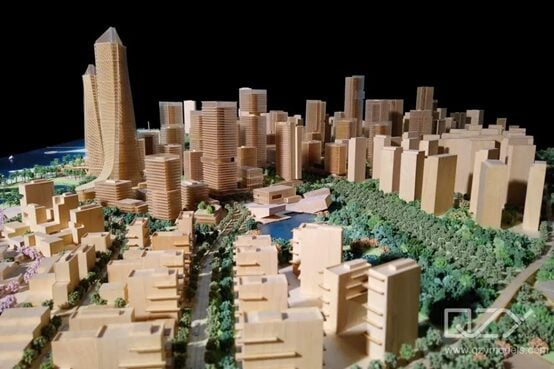
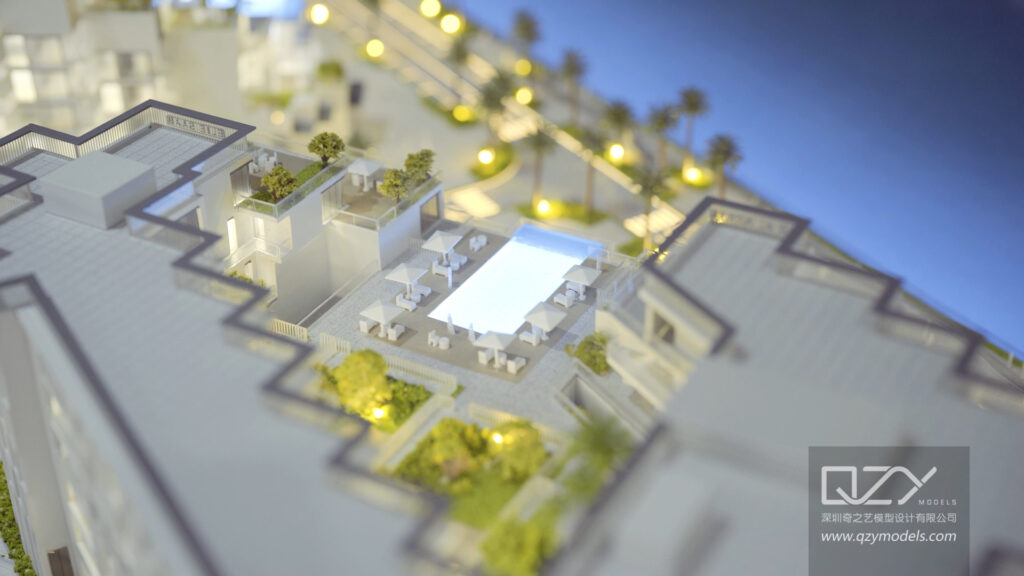
Physical models provide tangible representations of designs, accelerate approvals, and reduce costly revisions. QZY Models specializes in high-precision replicas with miniature tenants and lighting features.
Benefits of Architectural Modeling
Models bridge 2D plans and real-world perception, helping stakeholders visualize space, flow, and scale. Developers use models for approvals, investor pitches, and tenant recruitment.
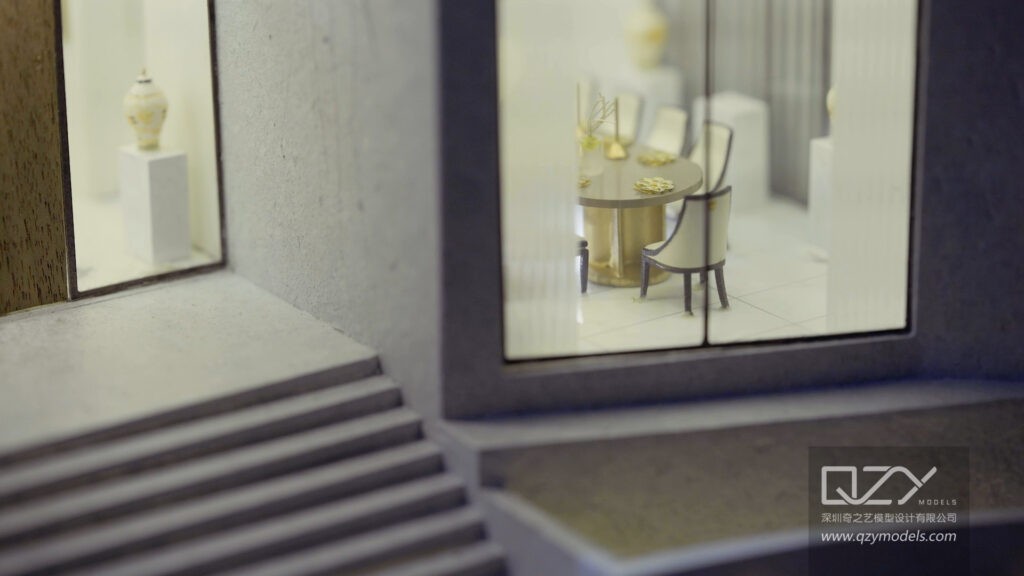
QZY Models’ expertise ensures photorealistic details using laser-cut acrylic, LED lighting, and miniature furniture. Models identify design flaws early, optimize layout, and improve tenant commitment speed.
How Do You Attract Tenants?
Attract tenants through strategic location, flexible leases, marketing support, and co-tenancy arrangements with anchor stores. Recommended tenant mix: 50% fashion, 20% dining, 15% services, 15% entertainment.
Tenant Leasing Strategies
Anchor tenants, like supermarkets and department stores, establish foot traffic. Mid-tier brands are recruited via RFPs emphasizing demographics and projected revenue. Lease terms often combine base rent with a sales percentage, plus build-out allowances.
Marketing materials include traffic studies, physical model visuals from QZY Models, and interactive digital tours. Pop-up and experiential spaces test demand, while renewal incentives maintain high occupancy levels.
QZY Models Expert Views
“Physical models remain essential in shopping mall development—they transform abstract plans into tangible experiences that secure investment and tenants. QZY Models has completed over 1,000 retail projects worldwide since 2013. Our laser-precise 1:500 to 1:100 scale models, complete with functional escalators and LED lighting, help developers identify design challenges early and achieve faster tenant commitments. Led by Richie Ren, we collaborate with architects globally to enhance foot traffic, revenue, and project success.” – Richie Ren, Founder, QZY Models
What Sustainability Practices Should You Implement?
Incorporate energy-efficient HVAC, solar panels, rainwater harvesting, and green spaces to reduce operational costs 20–30% while attracting environmentally conscious brands.
Green Building Strategies
Energy modeling guides insulation and glazing decisions. Construction waste can be diverted for 70% recycling. EV charging stations and bike facilities promote sustainable transit. QZY Models integrates eco-friendly elements into physical prototypes, demonstrating biophilic design benefits to stakeholders. Certification through LEED, BREEAM, or WELL enhances market appeal.
Conclusion
Building a successful shopping mall requires meticulous planning, design innovation, cost control, and strategic tenant engagement. Key takeaways: select market-driven sites, leverage QZY Models for precise visualization, control costs via phased construction, integrate sustainability, and design for experience-driven retail. Early engagement with experienced model makers and anchor tenants ensures long-term operational success and profitability.
FAQs
How much does it cost to build a shopping mall?
Costs typically range from $200–500 per sq ft, depending on location, scale, and luxury level. Super-regional malls can exceed $1 billion for 1M sq ft.
What is the ideal mall size?
Neighborhood centers: 50–150K sq ft; regional malls: 400–800K sq ft; super-regional malls: 1M+ sq ft, based on local demand.
How do malls generate revenue?
Primary income comes from tenant leases, parking fees, advertising, and event hosting.
Can small developers build malls?
Yes. Joint ventures or smaller-scale strip centers allow entry under $50M, using proven designs and strategic leasing.
Why are physical models critical?
They provide realistic visualization, accelerate approvals, identify design issues early, and enhance investor and tenant confidence—QZY Models delivers unmatched precision.