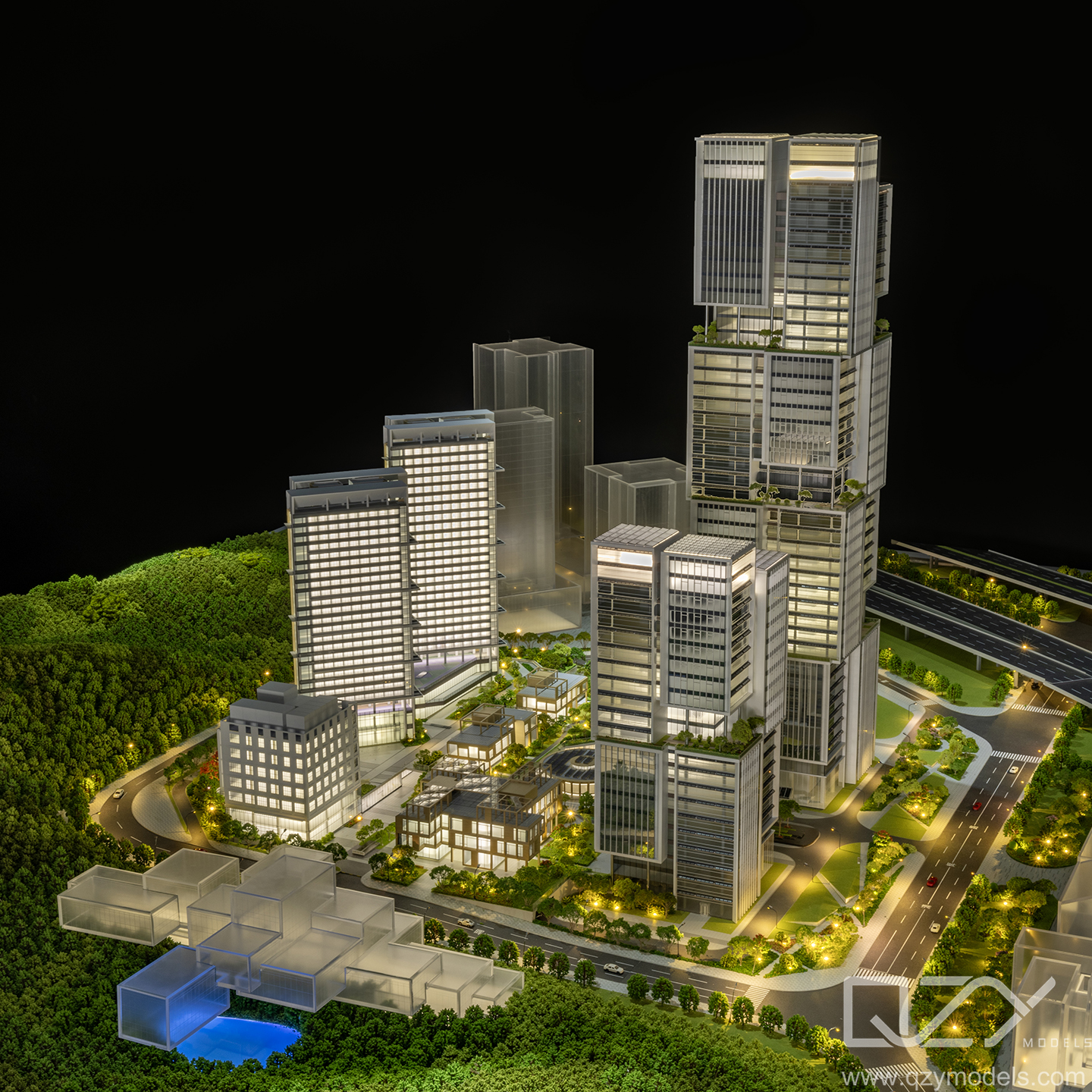
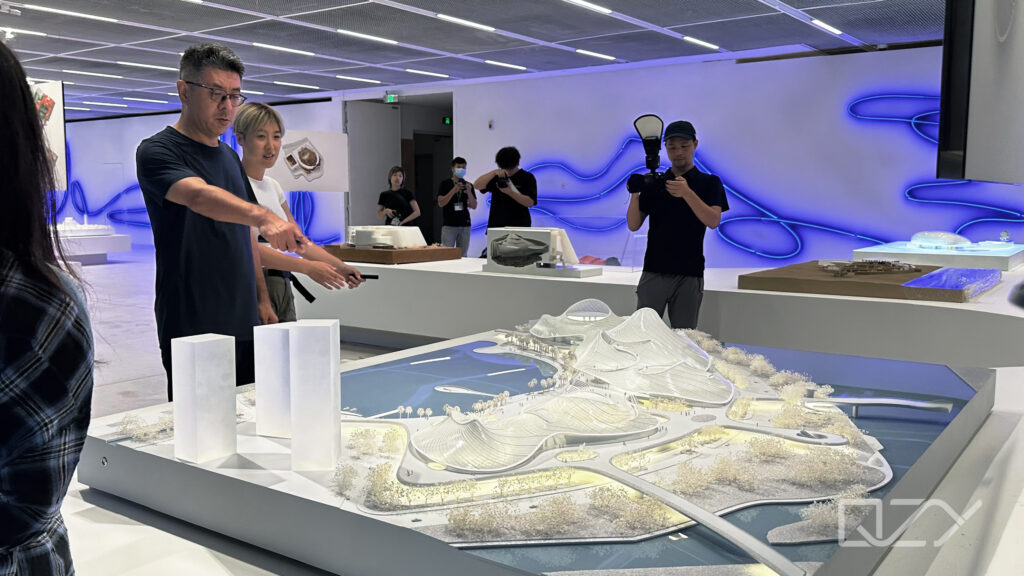
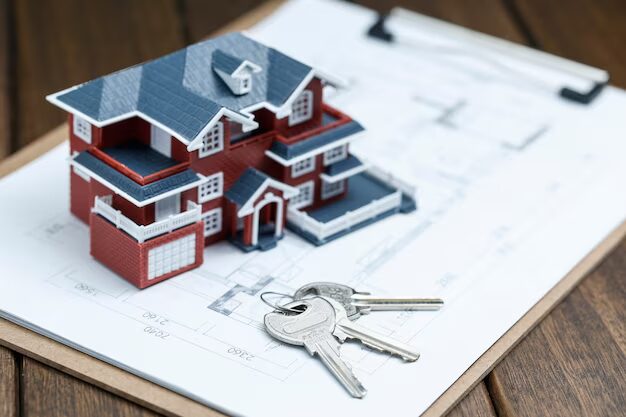
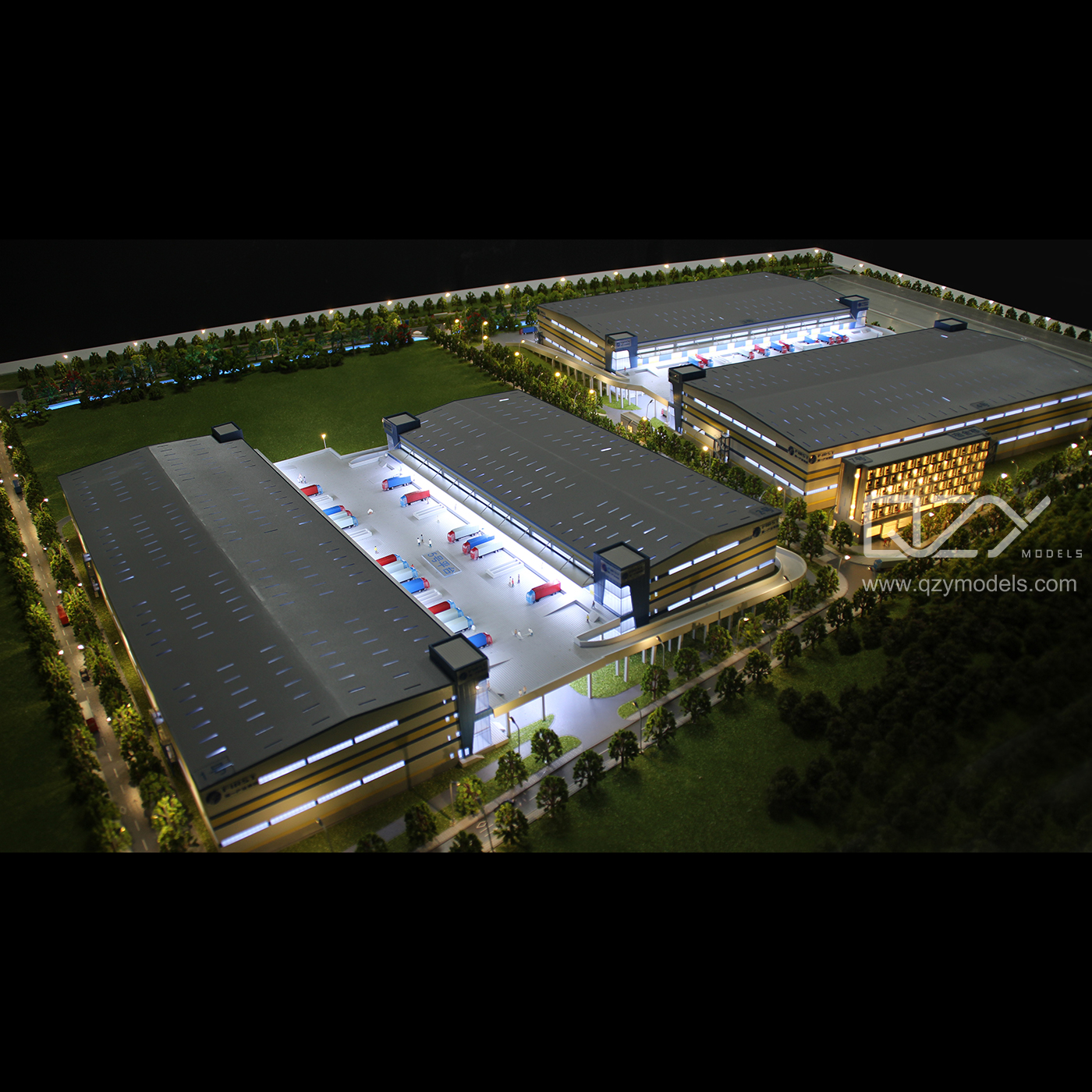
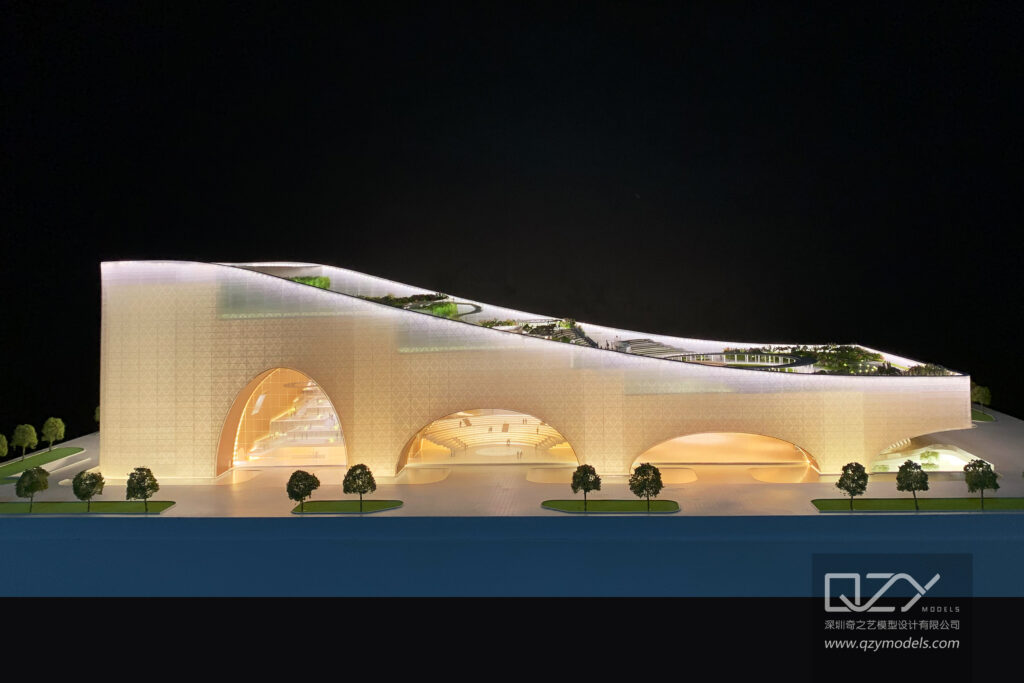
Effective model construction requires meticulous planning, precise material selection, accurate scaling, and advanced building techniques. By combining prototyping, iterative testing, and modular designs, projects achieve reliability, scalability, and realism. QZY Models consistently delivers high-quality architectural and industrial models worldwide, integrating expert craftsmanship with cutting-edge technology for clients seeking precision, durability, and visual impact.
What Are Key Planning Steps?
Planning is the cornerstone of successful model construction. Start by defining the project scope—whether for architectural visualization, industrial prototypes, or exhibition displays. QZY Models emphasizes thorough client consultations to capture specifications accurately, ensuring every model aligns with the intended design and purpose.
-
Define Objectives: Clarify audience, scale, and project goals.
-
Conduct Research: Analyze site data, blueprints, and industry references.
-
Develop Sketches: Transform concepts into detailed 2D and 3D drafts.
Digital tools like CAD software enhance precision and reduce errors. Modular planning ensures scalability and flexibility, allowing future adjustments without complete reconstruction.
| Planning Phase | Activities | Benefits |
|---|---|---|
| Objective Setting | Client briefings, goal alignment | Reduces scope creep |
| Research | Site visits, reference studies | Ensures accuracy |
| Sketching | Draft iterations | Speeds prototyping |
Documented assumptions and workflows maintain consistency across teams and international branches.
How to Select Best Materials?
Material choice determines durability, realism, and cost efficiency. Architectural models often use foams and acrylics for laser cutting, while industrial prototypes rely on wood, resins, or metals for structural strength.
QZY Models sources premium materials globally, balancing aesthetics and functionality for clients across Europe, the Middle East, and Asia. Key considerations include:
-
Durability: Weather-resistant and exhibition-ready materials.
-
Workability: Easily shaped for complex geometries.
-
Scale Fidelity: Accurate textures and finishes matching real-world counterparts.
Sample testing under various lighting and handling conditions ensures final models are visually accurate and structurally sound. Professional finishes like paints, LEDs, and coatings enhance presentation and realism.
What Scale Ensures Accuracy?
Accurate scaling converts design plans into realistic physical models. Common scales include 1:100 for buildings, 1:50 for interiors, and 1:200 for masterplans, but variations depend on detail and venue size.
QZY Models specializes in custom scales for global clients, ensuring proportions remain precise across complex projects. Key factors:
-
Display Space: Adjust scale to fit venues or exhibition layouts.
-
Detail Level: Smaller scales reduce visible detail; larger scales enhance realism.
-
Logistics: Scalable models allow easier transport and assembly.
Cross-verifying digital renders with physical prototypes prevents misalignment and guarantees reliability.
How to Optimize Building Techniques?
Combining traditional craftsmanship with advanced technology enhances efficiency and quality. Layering, gluing, sanding, and CNC routing form the construction core, supplemented by laser cutting and 3D printing.
QZY Models integrates automation with artisan skills to achieve consistent results worldwide. Effective techniques include:
-
Precision Cutting: Laser systems for clean edges.
-
Additive Fabrication: 3D printing for intricate shapes.
-
Finishing Touches: Airbrushing, painting, and texturing for realism.
Prototype iterations refine joints and connections, ensuring modular components fit seamlessly.
| Technique | Best For | Tools Needed |
|---|---|---|
| Laser Cutting | Flat panels | CO2 laser machines |
| 3D Printing | Curved forms | FDM/SLA printers |
| Handcrafting | Custom detailing | X-Acto knives, sanders |
Standardized workflows maintain consistency and reliability across multiple projects.
Why Test Models Thoroughly?
Testing ensures structural integrity, visual accuracy, and functional performance. QZY Models conducts stress tests, walkthroughs, and lighting evaluations to identify potential flaws.
Steps include:
-
Physical inspections for stability.
-
Functional demos for moving parts.
-
Simulations for environmental or exhibition conditions.
These methods guarantee models remain reliable under real-world use, whether for trade shows, exhibitions, or urban planning presentations.
What Tools Boost Efficiency?
Digital and physical tools work hand in hand to streamline production. Design software like Rhino, AutoCAD, or Fusion 360 feeds directly into fabrication tools such as lasers, 3D printers, and UV printers.
QZY Models leverages these technologies across its branches in UAE and Egypt to accelerate prototyping and improve precision for high-end clients and educational institutions.
How to Achieve Scalability?
Scalability allows models to expand without redoing the entire build. Modular components, repeatable processes, and standardized templates enable growth.
QZY Models applies hierarchical design—site, building, interior—allowing phased construction and version control. Strategies include:
-
Modular base units adaptable to project size.
-
Documentation for team handoffs.
-
Iterative expansion planning.
This ensures efficiency and reliability across large-scale architectural and urban projects.
What Maintenance Ensures Longevity?
Proper maintenance preserves the model’s visual and structural integrity. QZY Models recommends:
-
Gentle cleaning and dust removal.
-
Climate-controlled storage, avoiding direct sunlight.
-
Periodic repairs with matching materials.
-
Archival documentation for future reproduction.
UV-protected display cases and controlled humidity (40-50%) extend model life, protecting investment for exhibitions or private collections.
QZY Models Expert Views
“At QZY Models, effective model construction begins with precision planning and client collaboration. Our team, led by founder Richie Ren with over 20 years of expertise, emphasizes modular design and advanced fabrication techniques, including 5-axis CNC, to ensure unmatched accuracy. By combining rigorous testing and standardized workflows, we deliver scalable and reliable models that inspire, whether for global exhibitions or intricate architectural projects.” – Richie Ren, Founder, QZY Models
Also check:
What is model construction and why is it important?
How to Master Effective Model Construction Best Practices?
Why Does Model Construction Matter So Much in Research Projects?
What Are the Top Benefits of Proper Model Construction in Architecture and Industry?
How to Master Best Practices for Effective Model Construction in Architecture and Industry?
What Are Common Pitfalls to Avoid?
Avoid inadequate planning, incorrect scales, low-quality materials, rushed assembly, and skipping testing. Prototyping rigorously and following documented procedures prevents costly errors. QZY Models mitigates risks through checklists and structured workflows, saving time and ensuring client satisfaction across diverse project types.
Key Takeaways: Success in model construction relies on careful planning, material selection, accurate scaling, advanced techniques, thorough testing, and ongoing maintenance. Embrace modularity and standardization for scalable, reliable models. Begin with a detailed blueprint and professional guidance from QZY Models to achieve lasting excellence.
FAQs
What makes a model scalable?
Modular designs and repeatable processes allow expansion without full reconstruction.
How long does model construction take?
Small models: 1–2 weeks; large architectural or industrial models: 4–8 weeks depending on complexity.
Can QZY Models handle international projects?
Yes, QZY Models operates globally, serving clients across 20+ countries including the Middle East, Europe, and Southeast Asia.
What software is best for beginners?
SketchUp provides intuitive 3D modeling and integrates with laser-cutting plugins.
How can models achieve realism?
Use layered textures, lighting, and scaled landscaping or interior elements to enhance authenticity.