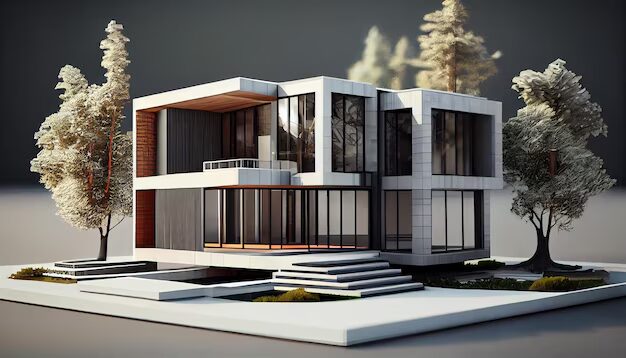
Why Physical Models Remain One of the Most Persuasive Planning Tools Available
Introduction
Few moments in the development process carry more risk than a planning appeal or public inquiry.
By the time a project reaches this stage, substantial investment has already been made in land acquisition, design development, planning consultants, architects, legal teams, environmental studies, and stakeholder engagement. The outcome of the inquiry may determine whether years of work move forward—or come to a complete stop.
Success at a planning appeal is not determined solely by technical planning policy. It often depends on how clearly decision-makers understand the proposal.
Planning inspectors must evaluate complex issues including building massing, visual impact, heritage considerations, townscape character, daylight effects, and relationships with surrounding developments. While drawings, reports, and CGI visualizations provide valuable information, they still require interpretation.
Architectural scale models remove much of that interpretation.
They transform technical information into something tangible, allowing inspectors, planning officers, heritage consultants, local authorities, and stakeholders to understand a proposal immediately and accurately.
For this reason, many of the most successful development teams continue to use physical scale models as a core part of their planning appeal strategy.
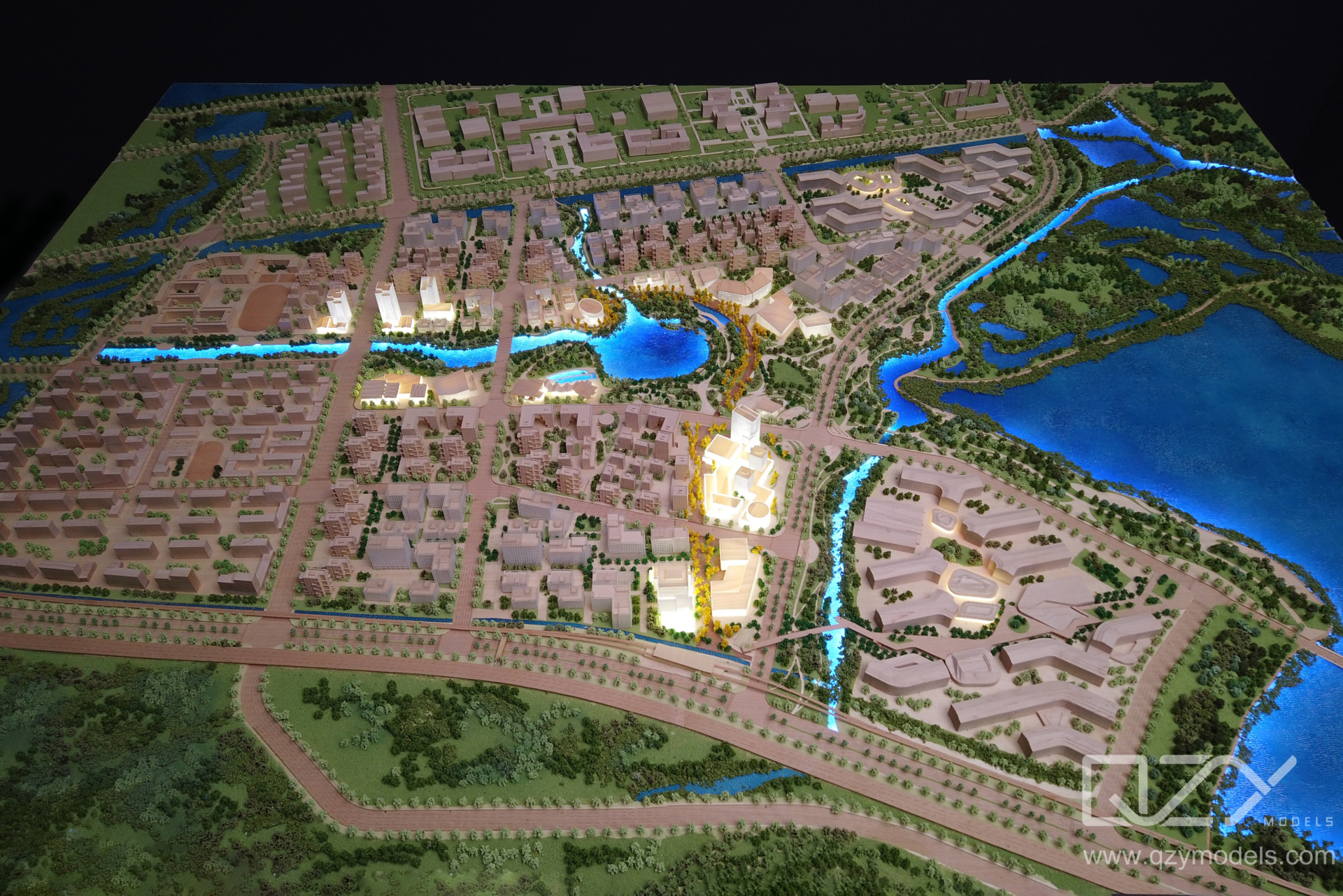
Planning Appeals Are Ultimately About Understanding Space
Most planning disputes revolve around spatial questions.
Will the proposed building feel too large?
Will it dominate neighbouring properties?
How will it affect the surrounding streetscape?
Will it preserve the character of a conservation area?
How visible will it be from important viewpoints?
These questions are inherently three-dimensional.
Yet they are often debated using two-dimensional plans, sections, elevations, and lengthy technical reports.
A physical architectural model bridges this gap by presenting the proposal in a format that can be understood instantly.
Instead of mentally assembling dozens of drawings into a three-dimensional image, decision-makers can physically see how the project sits within its context.
This dramatically improves comprehension and often reduces misunderstandings that can prolong planning disputes.
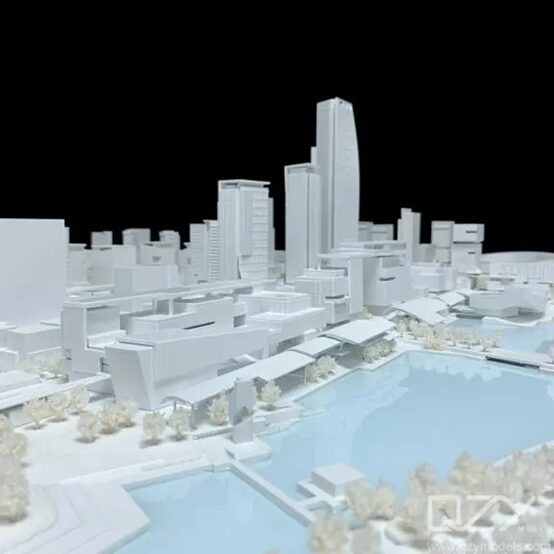
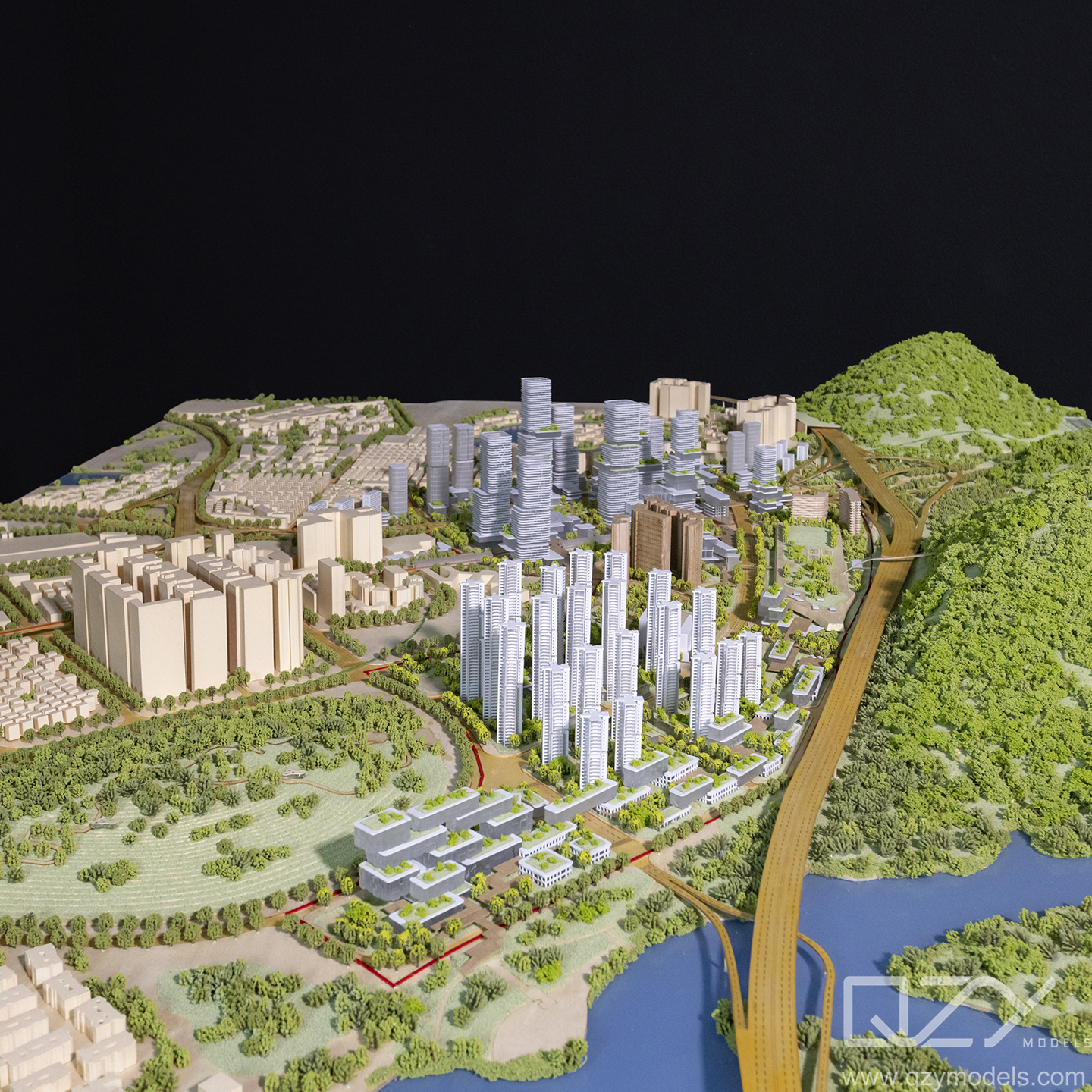
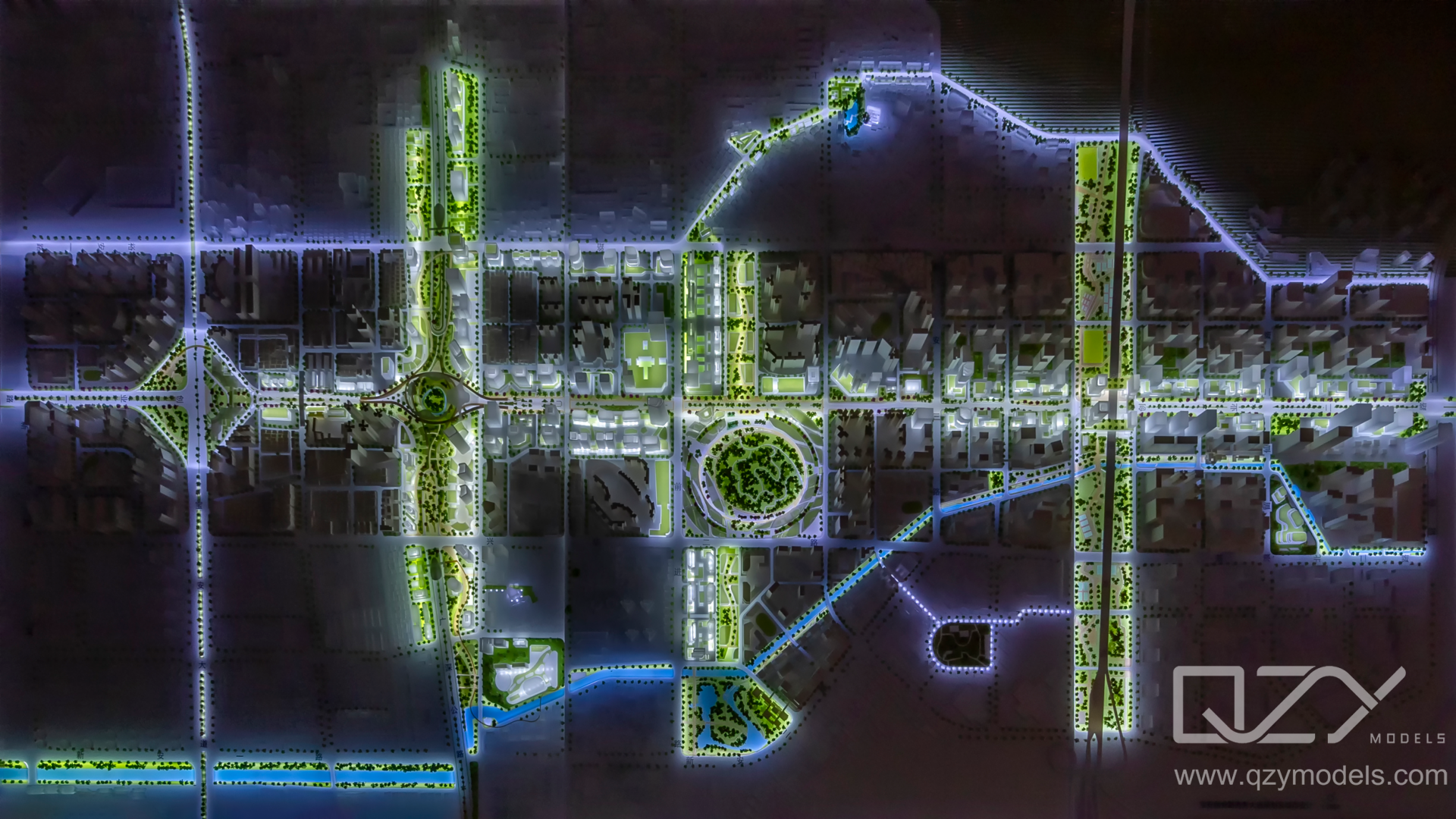
At QZY Models, many planning and context models are specifically designed to help development teams communicate complex spatial relationships during high-stakes planning processes.
Why Physical Models Are More Persuasive Than Drawings Alone
Planning inspectors review hundreds of projects throughout their careers. They are highly skilled at reading plans and technical documentation.
However, even experienced professionals benefit from tools that simplify complex information.
A scale model provides something unique: a complete overview of the proposal and its surroundings in a single view.
Instead of switching between site plans, elevation drawings, visual impact assessments, and computer renderings, inspectors can study the entire scheme from multiple angles and immediately understand the relationships being discussed.
This is particularly valuable when disputes involve:
Building height
Urban massing
Streetscape integration
Heritage settings
Public realm quality
Neighbouring property relationships
Sightlines and view corridors
When everyone in the room is referring to the same physical object, discussions become more focused and evidence becomes easier to evaluate.
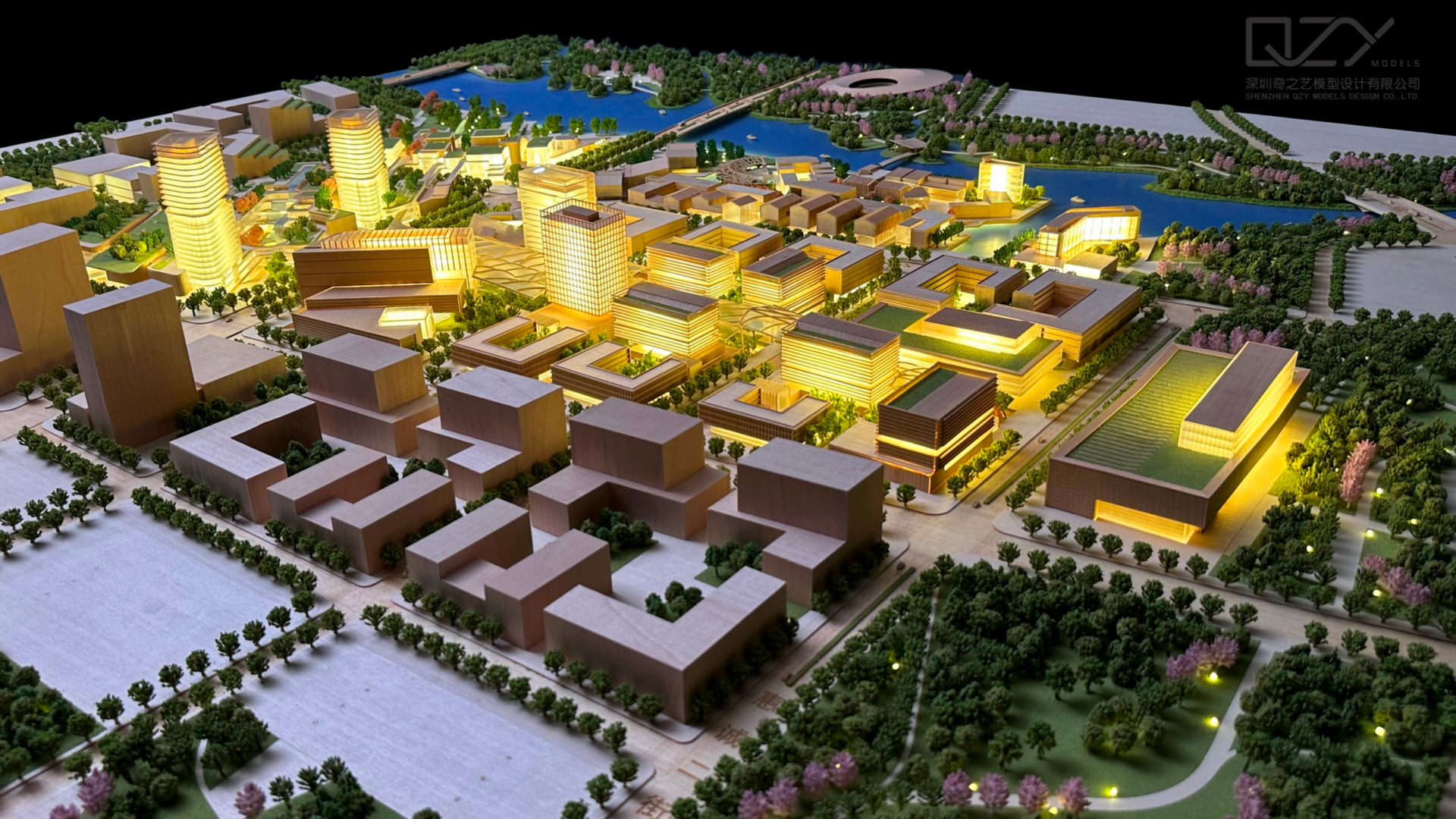
Architectural Models as Evidence During Public Inquiries
One of the most powerful aspects of a physical model is its role as a reference point throughout the entire inquiry process.
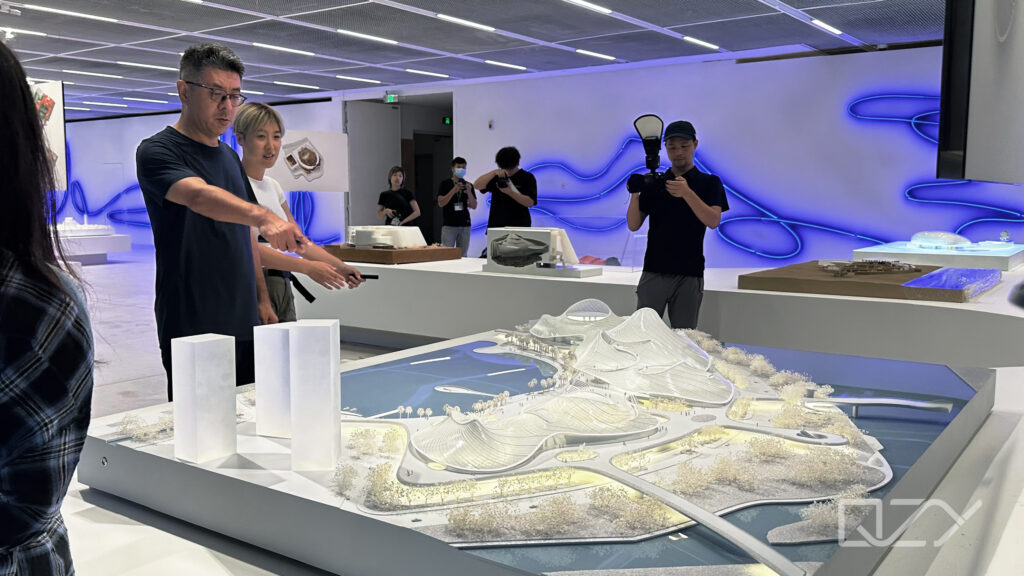
Rather than appearing briefly during a presentation, a model often remains visible throughout proceedings.
As expert witnesses present evidence, they can refer directly to specific areas of the model.
Planning consultants can demonstrate site relationships.
Architects can explain design intent.
Urban designers can discuss public realm strategies.
Heritage consultants can illustrate how a new building interacts with protected assets.
Because the model remains available for inspection throughout the inquiry, it becomes a shared visual language that helps all parties discuss the same information with greater clarity.
This reduces ambiguity and allows technical arguments to be communicated more effectively.
Heritage Cases Benefit More Than Almost Any Other Project Type
Planning appeals involving heritage assets are often among the most complex and closely scrutinized cases.
Inspectors must determine whether a development preserves, enhances, or harms the significance of listed buildings, conservation areas, historic streetscapes, or protected landscapes.
These assessments can be difficult when relying solely on written reports and CGI imagery.
A carefully constructed heritage context model provides a much clearer understanding of scale, proportion, and visual relationships.
By physically placing a proposed building alongside existing heritage assets, inspectors can assess the relationship for themselves rather than relying entirely on competing expert opinions.
This is why many conservation specialists and planning consultants continue to commission physical models for sensitive heritage applications.
At QZY Models, heritage context models are frequently produced with highly detailed surrounding environments to ensure planning authorities can accurately assess the project’s impact on protected settings.
The Importance of Context Models in Planning Appeals
One of the most common mistakes developers make is commissioning a model that focuses only on the proposed building.
In planning appeals, context is often more important than the building itself.
Inspectors rarely evaluate a project in isolation.
They evaluate how it relates to everything around it.
A planning appeal model should therefore include sufficient surrounding context to demonstrate:
Adjacent buildings
Road networks
Public spaces
Green infrastructure
Existing urban character
Protected views
Heritage assets
Topographical conditions
When viewed together, these elements provide a complete picture of how the development will function within its environment.
This broader perspective often helps decision-makers reach conclusions more quickly and confidently.
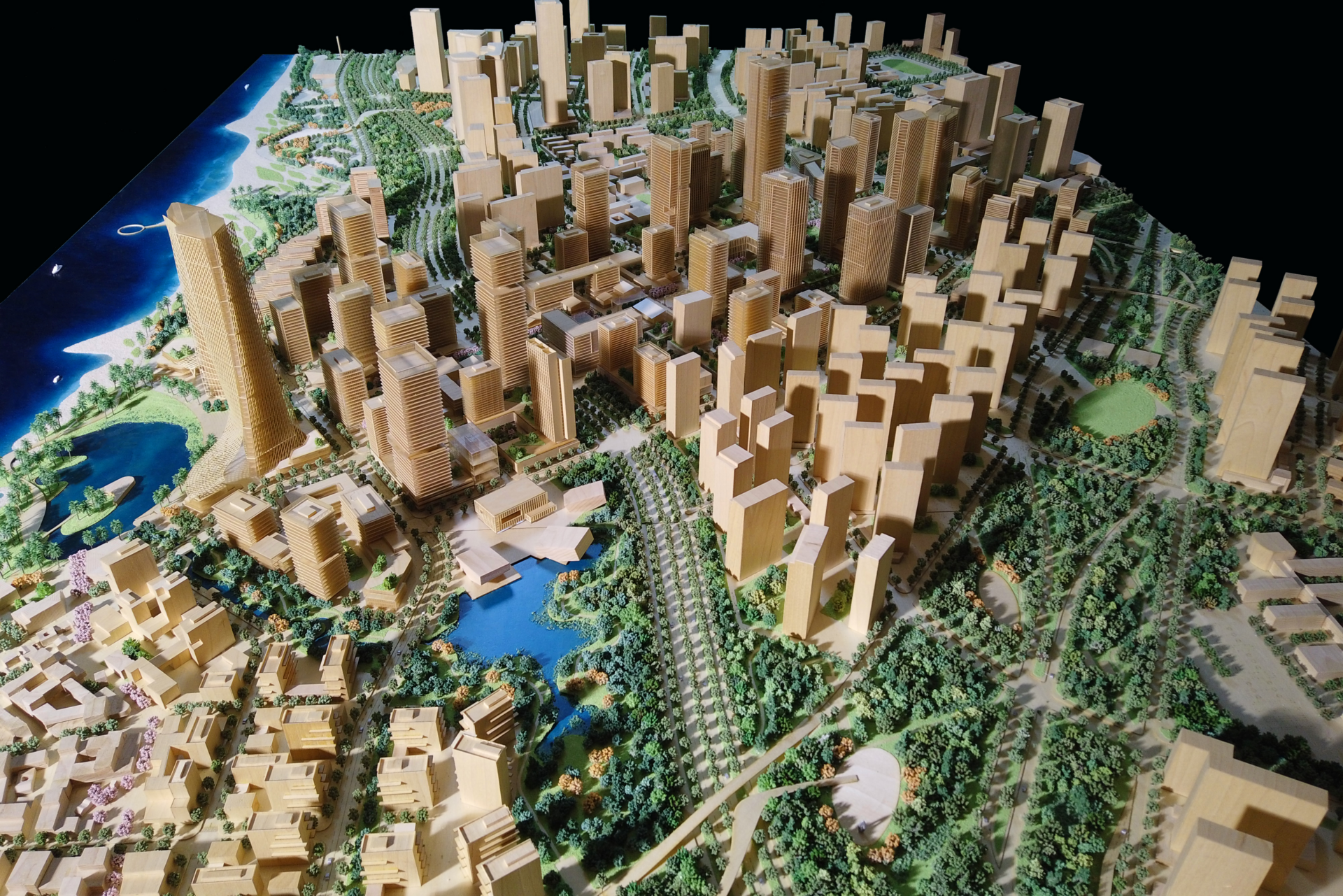
Portable Models for Inquiry Hearings and Site Visits
Practicality is another important consideration.
Many inquiries involve multiple hearing sessions, committee meetings, or inspector site visits.
Large presentation models can be difficult to transport safely.
For this reason, modern inquiry models are increasingly designed with portability in mind.
Modular construction techniques allow large context models to be separated into manageable sections for transport and reassembled quickly on-site.
QZY Models regularly incorporates modular engineering systems, custom transport cases, and precision packaging solutions into planning inquiry models, ensuring they can be safely transported between offices, hearing venues, and public consultation events.
This flexibility allows development teams to use the same model throughout multiple stages of the planning process.
Physical Models and Digital Technology Can Work Together
Modern planning models are no longer limited to static physical displays.
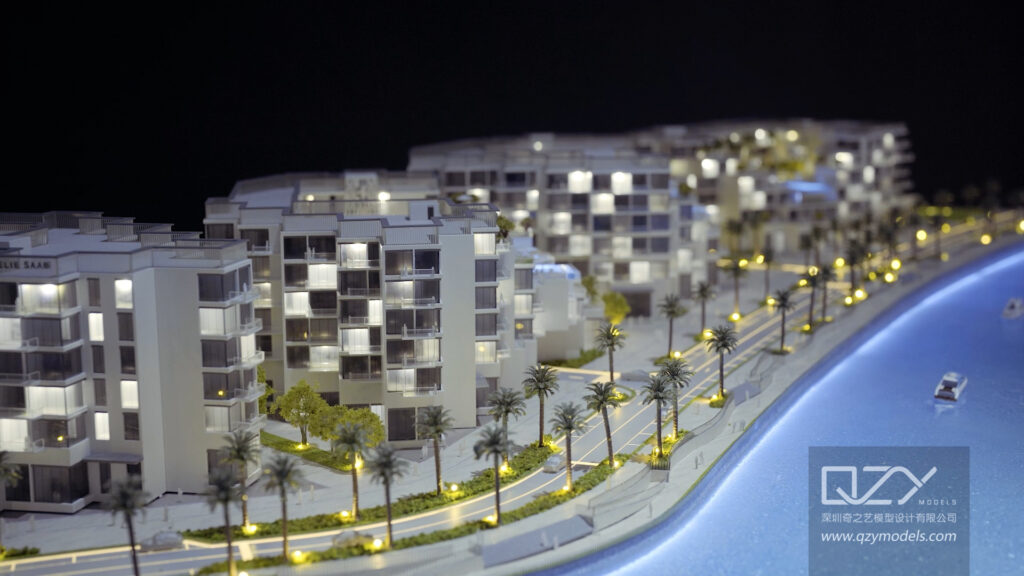
Many developers now combine physical models with digital technologies such as augmented reality (AR) and interactive presentation systems.
Using AR-enabled devices, viewers can overlay additional information directly onto the physical model, including:
Development phases
Traffic flows
Future expansion plans
Landscape growth projections
Sustainability features
Building usage data
This hybrid approach combines the clarity of a physical model with the flexibility of digital information.
While CGI and virtual reality continue to evolve, physical models remain the foundation around which many of these advanced presentation systems are built.
Why Developers Continue to Invest in Planning Appeal Models
The reason is simple.
Planning appeals are not won by producing the most paperwork.
They are won by helping decision-makers understand a proposal clearly and confidently.
Every element that reduces uncertainty strengthens the overall case.
A well-crafted architectural model can:
Improve understanding of complex proposals
Demonstrate urban relationships more clearly
Strengthen heritage assessments
Support expert witness testimony
Improve stakeholder engagement
Create a shared visual reference throughout proceedings
Enhance the professionalism of the development team
For major projects where approval timelines carry significant financial implications, these advantages can be extremely valuable.
Conclusion
In planning appeals and public inquiries, clarity is one of the most powerful forms of persuasion.
Architectural scale models transform drawings into physical reality, allowing inspectors and stakeholders to understand proposals in a way that paper documents and digital images often cannot achieve alone.
As planning projects become increasingly complex, physical models continue to provide a level of spatial understanding that remains difficult to replicate through any other medium.
For developers, architects, planning consultants, and heritage specialists, a professionally produced planning appeal model is not simply a presentation tool—it is a strategic asset that can help communicate a project more effectively when the outcome matters most.
About QZY Models
QZY MODELS is a professional model-making company specializing in architectural scale models, industrial models, and urban planning models for global clients.
With more than 20 years of experience, the team provides complete services including:
architectural model design
model fabrication
international packaging and shipping
on-site installation support
These integrated services ensure that every model can be safely transported and efficiently presented anywhere in the world.
🌐 www.qzymodels.com
📧 [email protected]