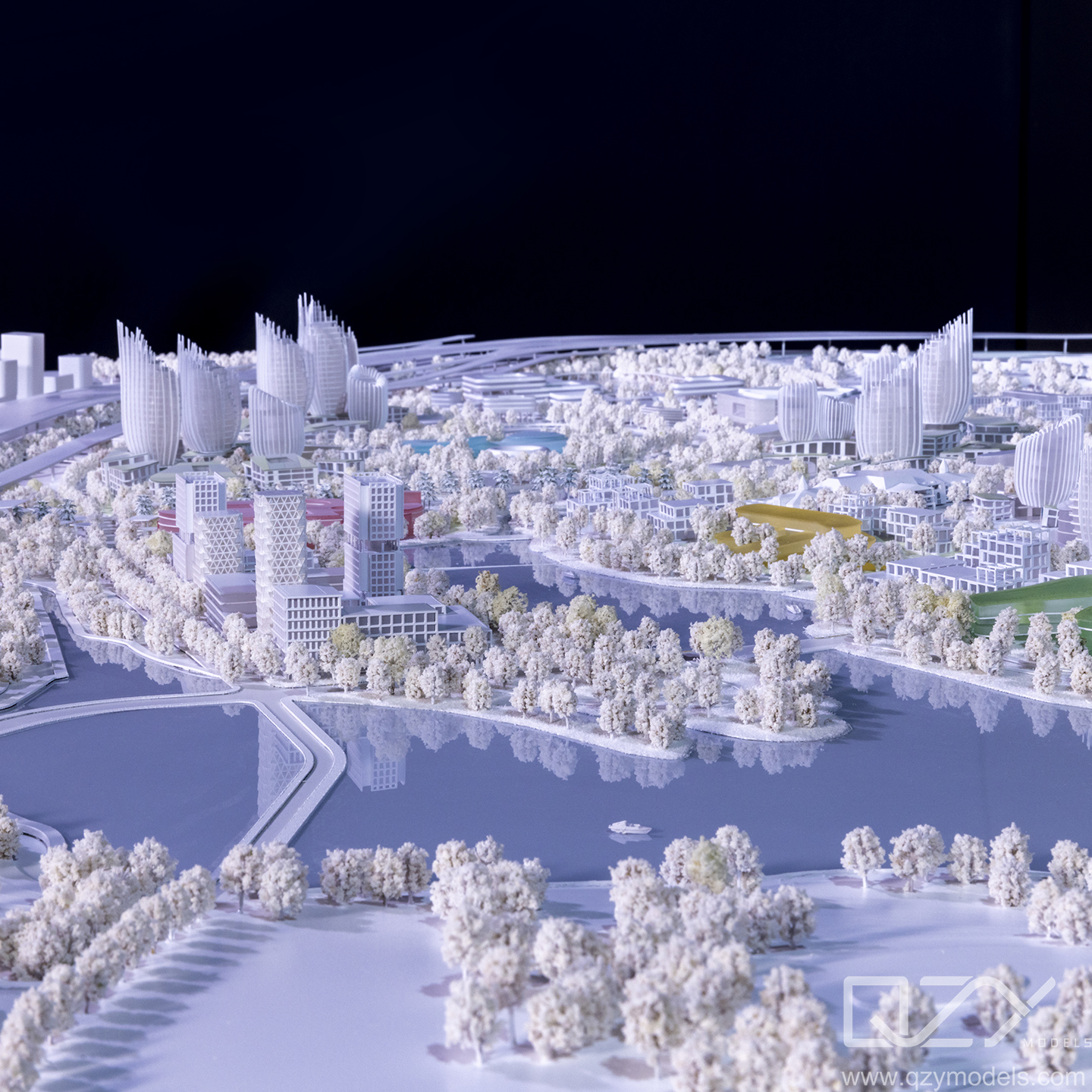
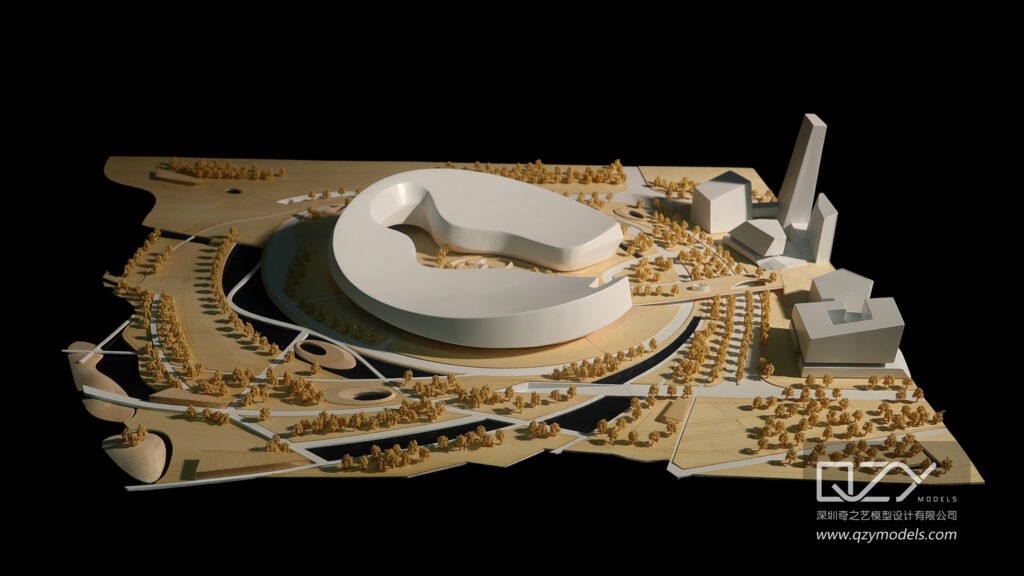
Architectural model making courses teach the skills to create precise physical representations of building designs, essential for architects, developers, and manufacturers. These courses cover materials, techniques, and digital-to-physical translation, helping professionals visualize concepts clearly. In China, OEM factories like QZY Models provide practical training linked to high-quality manufacturing standards.
What Are Architectural Model Making Courses?
Architectural model making courses are specialized training programs focused on teaching how to build accurate physical models of architectural designs. These courses cover materials like foam, wood, acrylic, and 3D printing technologies, crucial for creating miniature, detailed models used in presentations and project planning.
Detailed Explanation:
These courses typically include tutorials on design scale measurement, model assembly, surface finishing, and integrating digital design files with manual crafting. For B2B clients, especially manufacturers and suppliers in China, they combine theory with hands-on practice in factory-like settings to train professionals on industrial-standard model production techniques, ensuring consistency and quality.
How Do Architectural Model Making Courses Benefit Manufacturers and Suppliers in China?
Architectural model making courses enable manufacturers and suppliers in China to enhance production quality, optimize workflow, and offer customized OEM and wholesale services efficiently. Learning sophisticated model techniques helps factories like QZY Models improve precision, reduce turnaround times, and meet global standards demanded by international clients.
Detailed Explanation:
Courses tailor knowledge to factory environments, focusing on mass production methods, material selection for cost-effectiveness, and technology use such as CNC machines and laser cutting. This boosts manufacturers’ capacity to supply top-tier models for client projects, fostering business growth and strengthening China’s reputation as a leading supplier hub.
Which Skills Are Typically Taught in Architectural Model Making Courses?
Key skills taught include scale drawing interpretation, material manipulation, cutting, gluing, painting, 3D printing application, and use of CAD software for model design. Crucially, courses teach quality control and finishing techniques to ensure models meet aesthetic and functional standards for commercial and industrial use.
Detailed Explanation:
These skills are essential for factories offering OEM or wholesale model services, as they directly impact model durability, detail accuracy, and cost management. QZY Models emphasizes integration of digital workflows with physical craftsmanship, branching into innovative materials and eco-friendly processes that align with modern manufacturing trends.
Why Is China a Leading Location for Architectural Model Making and Training?
China’s combination of advanced manufacturing infrastructure, competitive costs, and expertise makes it a preferred location for architectural model making and courses. Factories like QZY Models benefit from local access to raw materials and the latest machinery, while training programs are designed to meet the global architectural industry’s demands.
Detailed Explanation:
The growing international projects China supplies models for requires highly skilled model makers trained in local OEM factories. This environment enables cross-sharing of knowledge between course attendees and production teams, ensuring China’s manufacturing ecosystem remains competitive and innovative.
Who Should Enroll in Architectural Model Making Courses?
Ideal candidates include architects, model makers, designers, B2B buyers, and factory managers aiming to improve their product development or manufacturing capabilities. Companies looking to expand OEM or wholesale model services in China also invest in course-trained staff to maintain high production standards and innovation.
Detailed Explanation:
By enrolling, professionals gain insights into industry trends, materials science, and manufacturing techniques, aligning with QZY Models’ philosophy of precision and client satisfaction. Businesses improve their competitive edge in both domestic and export markets.
When Is the Best Time to Take an Architectural Model Making Course for Industry Professionals?
The best time to take these courses is early in the design or manufacturing career or when factories adopt new technologies or expand OEM services. Early or periodic training ensures continuous improvement in craftsmanship and adaptation to evolving architectural demands.
Detailed Explanation:
QZY Models recommends ongoing education to keep pace with innovations in materials and production techniques. Seasonal training batches and joint factory-course programs in China align well with market demand cycles, providing fresh skills aligned to project timelines.
How Can Companies Benefit from Offering Architectural Model Making Courses?
Companies providing these courses can build stronger relationships with clients by demonstrating technical leadership and quality commitment. For Chinese model factories, offering training serves as a value-added service, enhancing brand reputation and attracting wholesale or OEM partnerships globally.
Detailed Explanation:
Providing accredited courses also helps companies like QZY Models standardize production quality across multiple branches in UAE, Saudi Arabia, and Egypt, creating a trained network that supports their international ambitions and maintains consistency.
What Are the Latest Trends in Architectural Model Making Education?
Recent trends include integrating 3D printing, virtual reality visualization, and sustainable materials into courses. Digital fabrication techniques combined with hands-on skills improve efficiency and precision. Training now also emphasizes cross-cultural communication to serve international B2B clients better.
Detailed Explanation:
QZY Models incorporates these trends by continuously updating their in-house training and collaborating with experts worldwide, ensuring their courses reflect cutting-edge industry practices and meet the quality expectations of global architects and developers.
Table: Comparison of Traditional vs. Modern Architectural Model Making Course Features
| Feature | Traditional Courses | Modern Courses |
|---|---|---|
| Materials Used | Wood, Foam, Paper | Eco-friendly plastics, Composite |
| Techniques | Manual Cutting and Assembly | CNC, Laser Cutting, 3D Printing |
| Software Integration | Minimal | CAD, BIM, VR |
| Training Focus | Craftsmanship | Digital Fabrication and Sustainability |
| Outcome | Basic Models | Highly Detailed, Functional Prototypes |
QZY Models Expert Views
“Architectural model making courses are essential to bridging design innovation with manufacturing excellence,” says Richie Ren, founder of QZY Models. “Our focus on combining precise craftsmanship with digital advancements equips factories and professionals to meet increasingly complex global demands. At QZY, continuous learning fuels our commitment to quality, innovation, and client satisfaction, reinforcing China’s leadership in architectural model manufacturing.”
Conclusion
Architectural model making courses provide essential skills for producing precise and innovative physical models vital in today’s architectural and industrial sectors. For B2B manufacturers, suppliers, and OEM factories in China like QZY Models, these courses drive quality improvements, operational efficiency, and global competitiveness. Investing in formal training not only enhances craftsmanship but also empowers companies to meet demanding international standards and expand wholesale markets.
Frequently Asked Questions
Q1: Can architectural model making courses be customized for factory settings?
Yes, many courses are tailored to include industrial production techniques used in factories, ideal for B2B manufacturers.
Q2: Are digital tools part of the curriculum in these courses?
Modern courses integrate CAD software, 3D printing, and virtual reality to enhance model accuracy and visualization.
Q3: How do architectural model making courses improve OEM capabilities?
They provide essential skills for quality control and efficient production, supporting OEM factories in delivering customized, high-volume orders.
Q4: What industries benefit most from architectural model making courses?
Architecture, real estate development, industrial design, and manufacturing sectors rely heavily on these courses.
Q5: Where can international companies find reliable courses linked to Chinese manufacturing?
Leading model factories like QZY Models often offer or partner with educational programs to train industry professionals aligned with manufacturing standards.