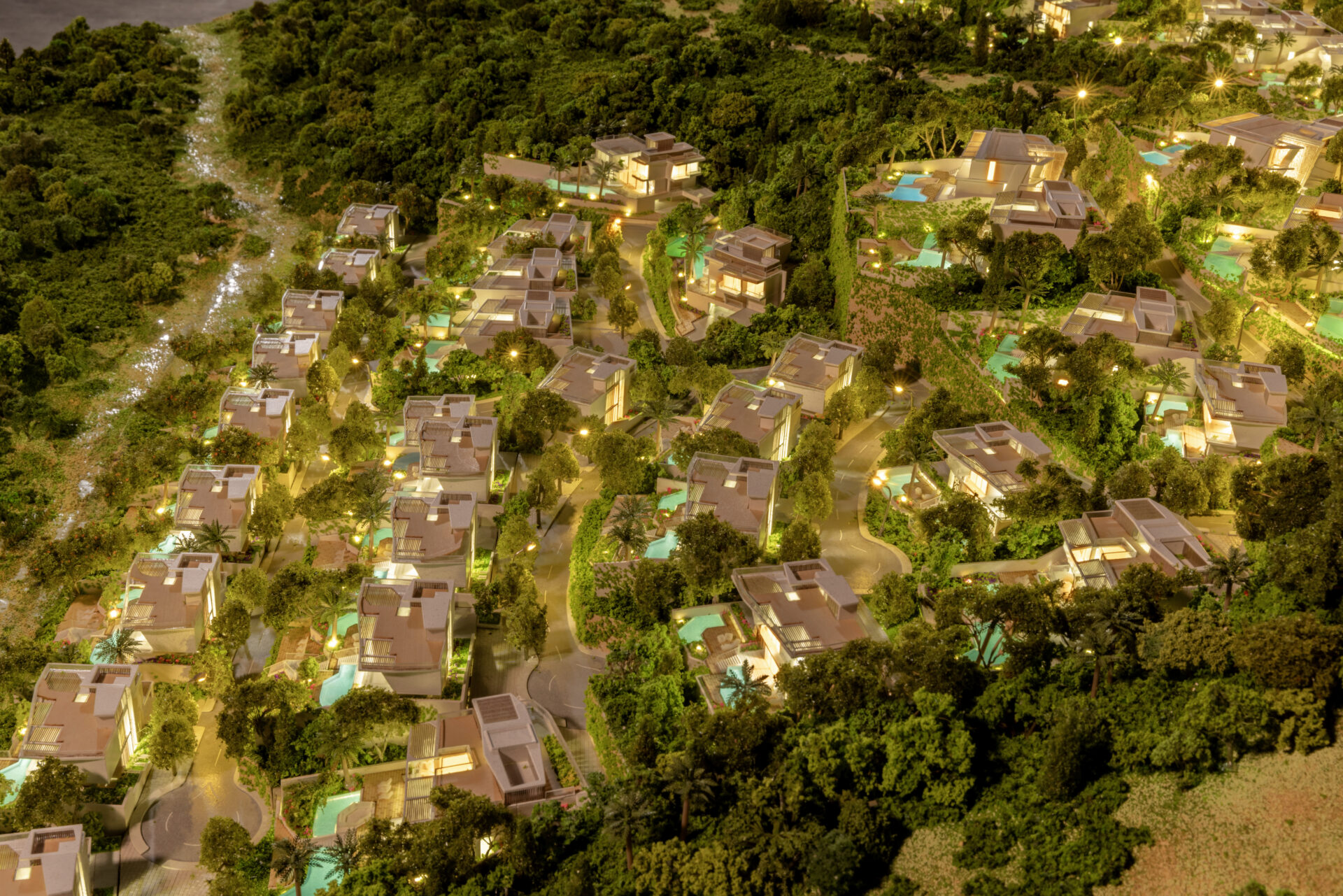
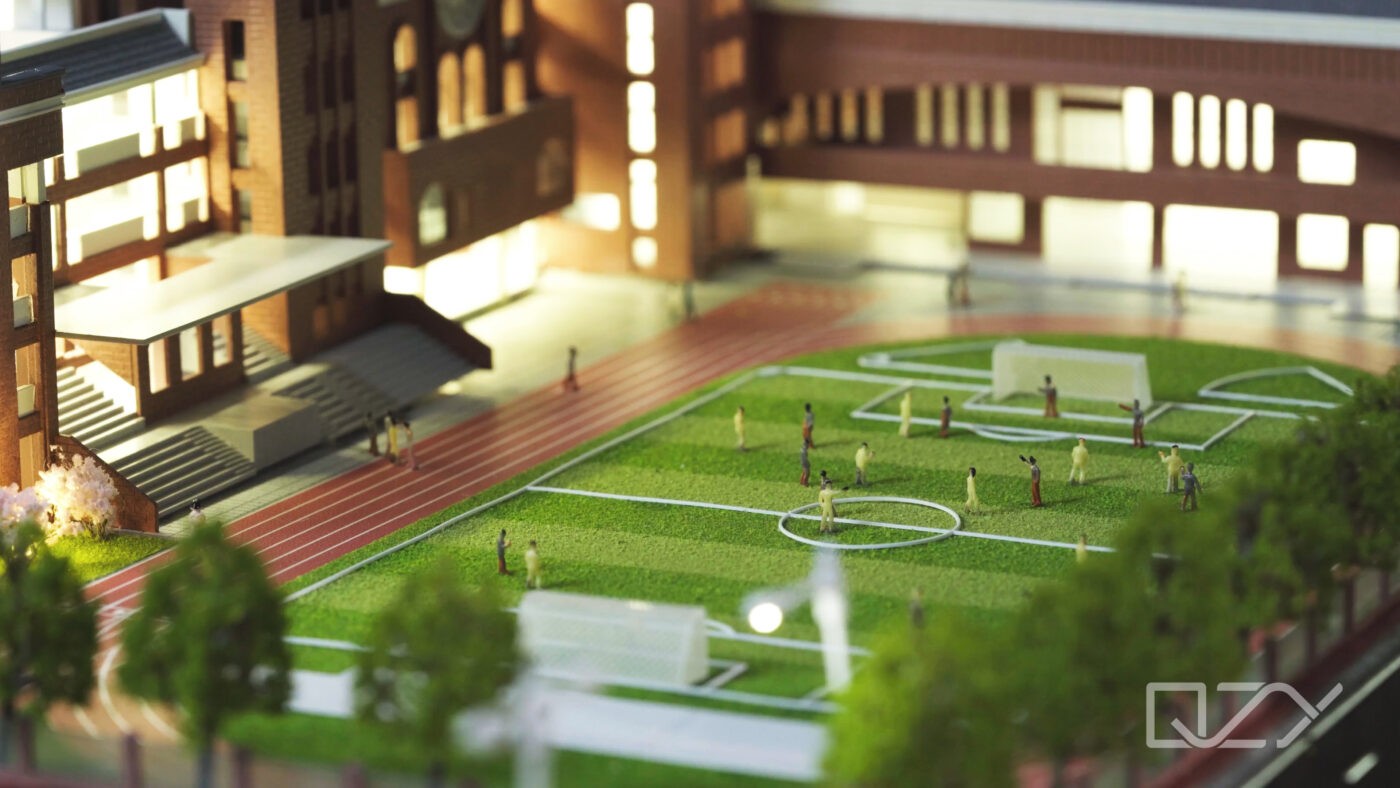
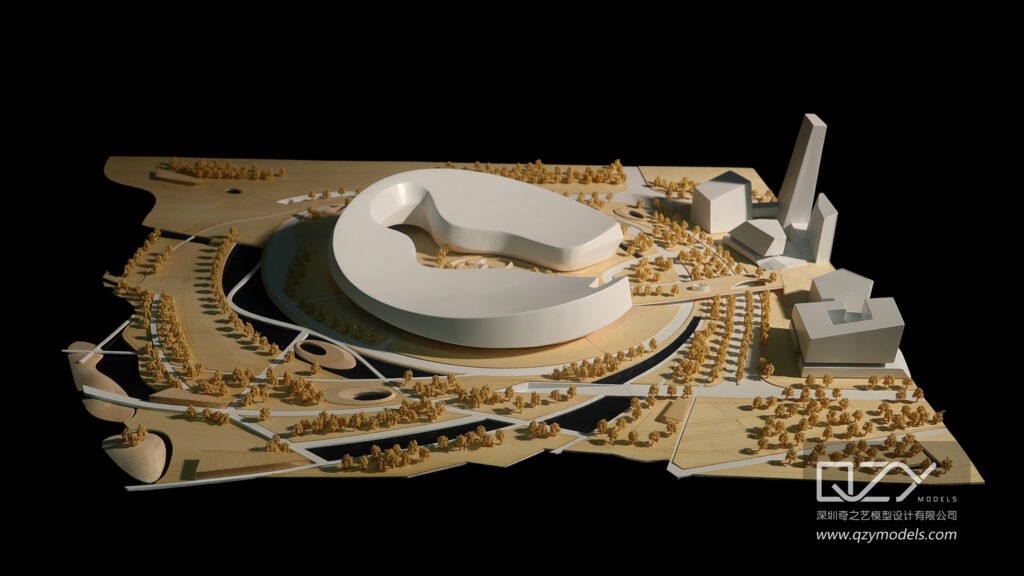
Architectural scale models are precise physical representations of buildings, neighborhoods, or entire developments, used to visualize urban planning, master layouts, and real estate projects. For China-based factories like QZY Models, these models serve as essential tools for designers, developers, and investors, translating conceptual plans into tangible forms that communicate scale, context, and spatial relationships effectively.
How Do Scale Models Support Urban Planning Decisions?
Scale models allow urban planners and architects to assess spatial arrangements, infrastructure integration, and neighborhood connectivity.
By presenting three-dimensional perspectives, these models reveal how buildings interact with surrounding streets, parks, and public spaces. QZY Models produces accurate scale models to help clients evaluate density, sightlines, and environmental impact before construction, ensuring informed decision-making for city development projects.
What Types of Scale Models Are Used in Real Estate Development?
Real estate scale models vary by purpose and detail level:
-
Conceptual Massing Models: Simplified volumes showing layout and scale.
-
Presentation Models: Detailed models with textures, colors, and landscaping.
-
Master Planning Models: Represent large-scale urban areas or multiple phases.
QZY Models specializes in all types, ensuring proportional accuracy and high-quality finishes to meet investor presentations, marketing campaigns, and regulatory submissions.
Table: Scale Model Types and Uses
| Model Type | Purpose | Best For |
|---|---|---|
| Massing Model | Early concept evaluation | Architects, urban planners |
| Presentation Model | Marketing and client engagement | Developers, sales teams |
| Master Planning Model | Large-scale urban or multi-phase projects | City planning agencies, investors |
Why Are Physical Models Important for Real Estate Marketing?
Physical scale models create impactful visual communication for stakeholders, investors, and potential buyers.
They allow audiences to understand project scale, layouts, and amenities in ways that 2D plans or digital renderings cannot. QZY Models’ high-quality models enhance marketing presentations, exhibitions, and sales centers by providing realistic tactile and visual experiences.
Which Materials Are Commonly Used for Urban Planning Scale Models?
Materials range from foam board, acrylic, and wood to 3D-printed resins, chosen for durability and precision.
QZY Models combines CNC-cut acrylic, 3D-printed polymers, and detailed landscaping elements to produce models suitable for investor presentations, exhibition halls, and design competitions. Material selection depends on model scale, project purpose, and desired aesthetic impact.
How Do Chinese Manufacturers Ensure Accuracy in Large-Scale Models?
Factories like QZY Models integrate advanced fabrication technologies including CNC cutting, laser engraving, and 3D printing to maintain dimensional precision.
Designers convert CAD files or digital plans into exact physical representations. This precision ensures that every model faithfully reflects site constraints, building proportions, and design intent, allowing developers to make confident decisions.
Who Benefits Most from Architectural Scale Models?
Architects, urban planners, real estate developers, investors, government agencies, and marketing teams all benefit from scale models.
For B2B factories like QZY Models, these models act as communication tools, aligning design, investment, and regulatory requirements while enhancing client presentations and marketing impact.
When Should Scale Models Be Used in Project Development?
Scale models are useful at multiple stages: early concept review, design validation, investor presentation, and pre-construction marketing.
QZY Models collaborates with clients throughout these stages, providing models that are adaptable for design iterations, urban planning discussions, and promotional activities.
Where Do Architectural Scale Models Fit in the Design-to-Construction Workflow?
Scale models typically follow initial sketches and digital planning.
They precede detailed construction models or prototypes and provide a tangible reference for design approvals, community consultations, and investor engagement. QZY Models ensures that each model integrates seamlessly with the workflow, facilitating efficient communication between architects, developers, and stakeholders.
QZY Models Expert Views
“Scale models transform blueprints into tangible narratives. At QZY Models, our expertise lies in capturing urban density, building relationships, and landscaping intricacies. By translating digital plans into precise physical forms, we empower developers and planners to make better decisions and engage stakeholders with confidence.” — QZY Models Team
Are Digital Visualizations Replacing Physical Scale Models?
Digital visualizations complement but do not replace physical scale models.
While 3D renderings and VR provide flexible viewing angles, physical models offer tactile and spatial understanding essential for investor presentations and planning approvals. QZY Models often combines digital and physical workflows to deliver hybrid solutions that maximize both accuracy and engagement.
Can Factories Provide OEM and Custom Scale Model Services?
Yes. China-based factories, including QZY Models, offer OEM and custom production services.
This includes private labeling, branding, and bespoke detailing for architecture firms, developers, and urban planning authorities. Such collaboration ensures high-quality output while protecting intellectual property and design integrity.
How Does Landscaping and Context Enhance Scale Models?
Adding terrain, vegetation, roads, and surrounding structures provides realistic context.
QZY Models incorporates topography, greenery, and miniature infrastructure to enhance spatial comprehension. Contextual details help stakeholders understand environmental integration, circulation, and aesthetic impact, making the model a powerful tool for communication and planning.
Why Should Developers Invest in Professional Scale Models?
Professional scale models improve decision-making, investor confidence, and marketing effectiveness.
They convey project scope and quality better than drawings or digital models alone. QZY Models delivers models with meticulous attention to proportion, finish, and realism, ensuring maximum impact for presentations, sales centers, and competitions.
Conclusion: Transforming Urban Vision into Tangible Reality
Architectural scale models are indispensable in urban planning and real estate development. They translate abstract concepts into tangible insights for architects, developers, and investors. Factories like QZY Models combine craftsmanship, precision technology, and material expertise to produce models that communicate vision, support decision-making, and enhance global project engagement.
FAQs
1. What is the difference between massing and scale models?
Massing models show general form and volume, while scale models provide detailed representation including context, landscaping, and materials.
2. Who typically commissions real estate scale models?
Developers, urban planners, investors, and marketing teams often commission them for presentations and approvals.
3. Can Chinese manufacturers produce export-ready models?
Yes. QZY Models specializes in OEM export-quality scale models for international clients.
4. Which materials are best for presentation-scale models?
Acrylic, 3D-printed resin, and wood are commonly used for durability and aesthetic appeal.
5. How do scale models improve urban planning decisions?
They provide a tangible reference to evaluate density, spatial relationships, infrastructure, and environmental integration.