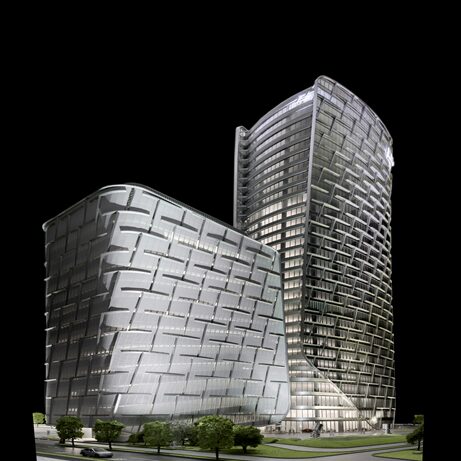
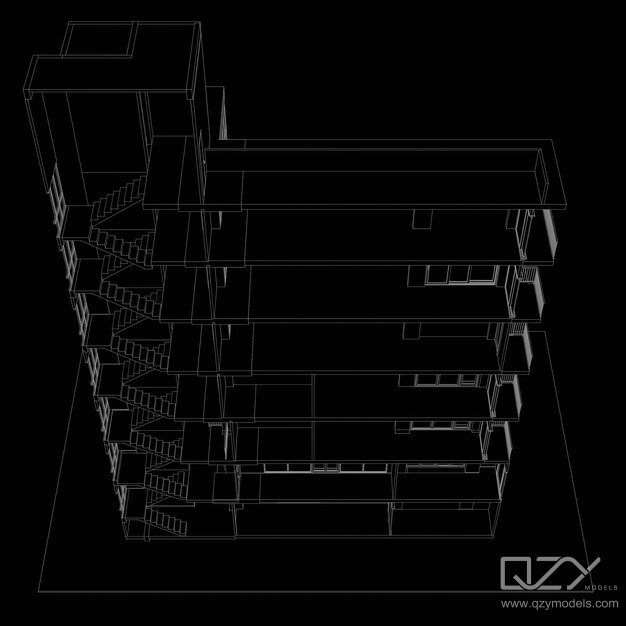
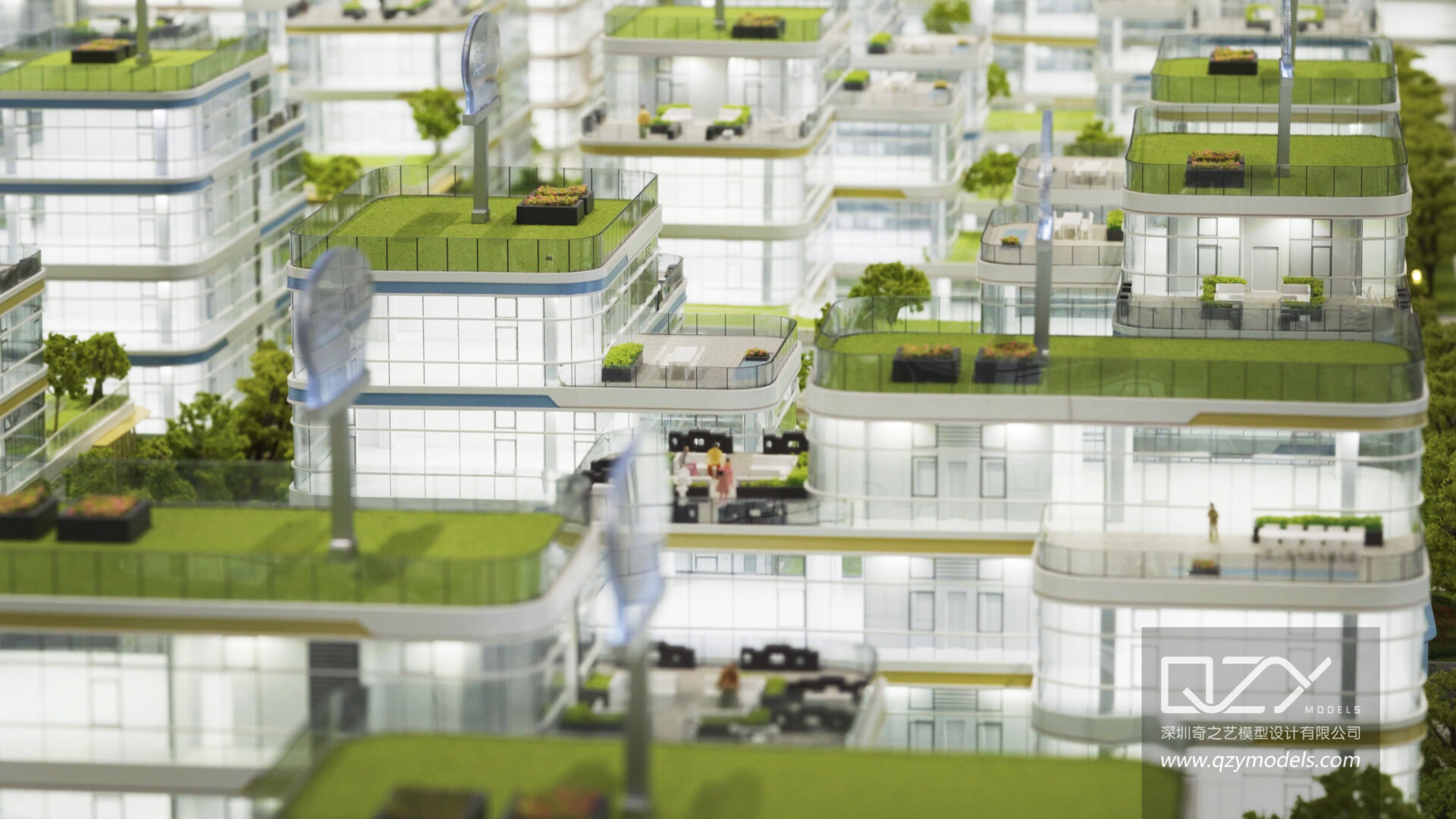
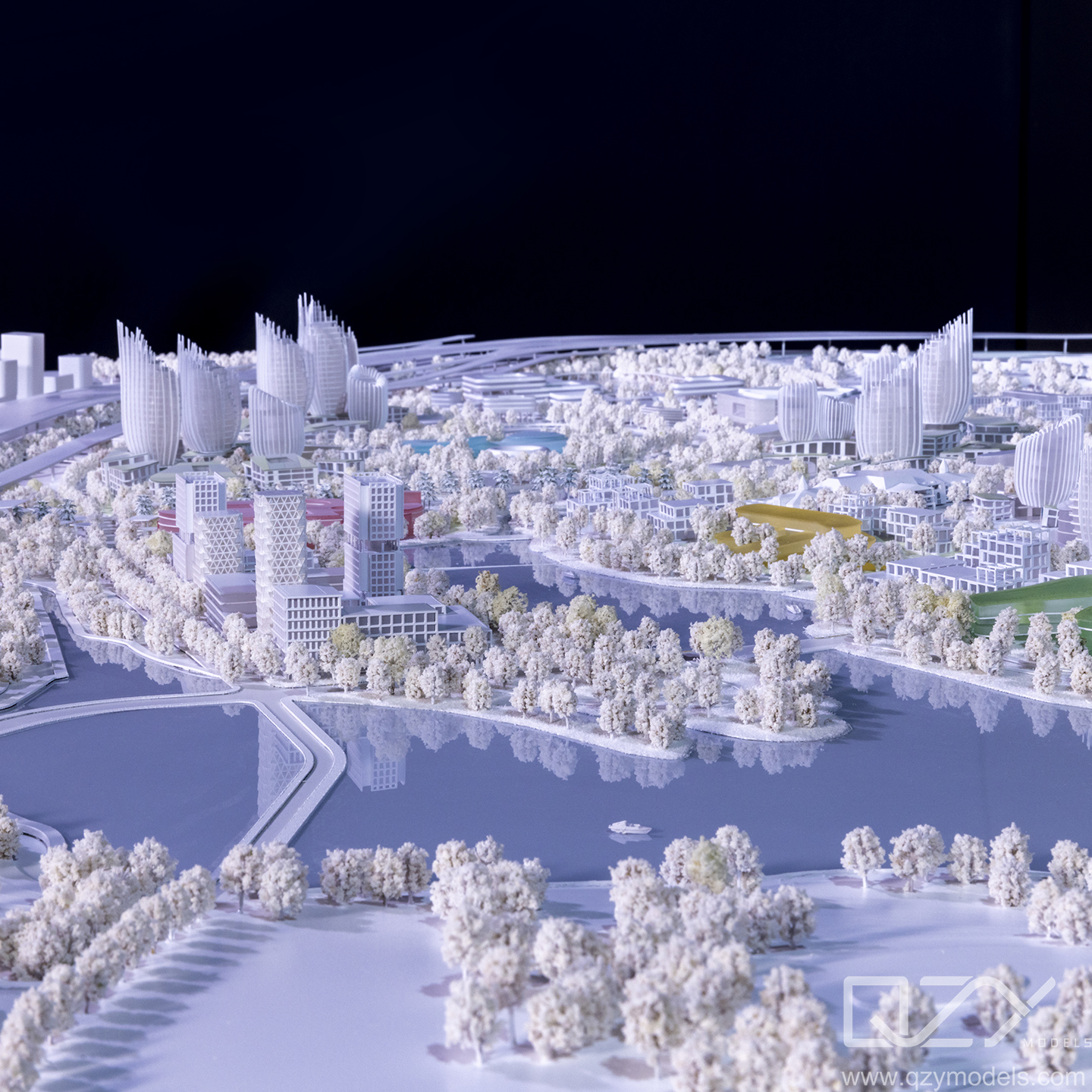
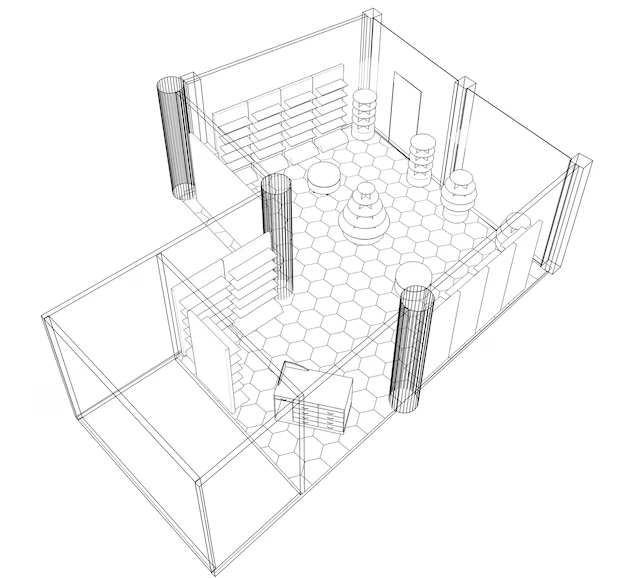
Architecture cardboard models in Nassau are cost-effective, precise physical representations of buildings and urban designs made from cardboard. They allow architects, developers, and planners to visualize, refine, and communicate projects tangibly. These models enhance design understanding, support client engagement, and provide a sustainable solution for prototyping in Nassau’s distinctive architectural and cultural landscape.
What Are Architecture Cardboard Models?
Architecture cardboard models are three-dimensional, scaled representations of buildings or urban layouts, constructed primarily from cardboard materials. They enable designers and clients to assess form, proportion, and spatial relationships physically. Cardboard models are ideal for early-stage conceptual exploration, quick iterations, and cost-efficient presentations, offering a sustainable alternative to heavier materials like wood or plastic.
How Are Architecture Cardboard Models Made?
Cardboard models are crafted by cutting, folding, scoring, and assembling different cardboard types using adhesives such as hot glue or craft glue. Precision tools—including knives, rulers, and cutting mats—ensure accuracy, while techniques like layering, bending, and laser cutting add complexity and detail. In Nassau, model makers combine traditional handcrafting with modern methods to reflect local architectural styles and project-specific requirements.
Which Types of Cardboard Are Best for Architectural Models?
Choosing the right cardboard depends on model detail, durability, and budget. Common types include:
-
Corrugated Cardboard: Strong, ideal for structural elements.
-
Grey Cardboard: Affordable, suited for conceptual models.
-
White Cardboard: Smooth surface, perfect for detailed finished models.
-
Brown Cardboard: Recycled, natural look, sustainable option.
-
Black Cardboard: Aesthetic accents or specific design features.
| Cardboard Type | Strength | Best Use Case | Typical Availability in Nassau |
|---|---|---|---|
| Corrugated | High | Structural base | Widely available |
| Grey | Medium | Conceptual/test models | Readily available |
| White | Low-Medium | Detailed presentation models | Specialty stores |
| Brown | Medium | Rustic, eco-friendly models | Recycled from packaging |
| Black | Low-Medium | Design accents | Limited specialty shops |
Why Are Cardboard Models Popular for Architecture in Nassau?
Cardboard models are favored in Nassau for their affordability, quick turnaround, and flexibility. They allow architects and developers to create physical representations of designs that are easy to modify and transport. Cardboard also supports sustainable practices, reducing material waste while providing a versatile medium for iterative design and client presentations.
Who Typically Uses Architecture Cardboard Models in Nassau?
Cardboard models are widely used by architectural firms, real estate developers, urban planners, educational institutions, and exhibition organizers. They facilitate clear communication of design intent and help guide decision-making with clients, planning authorities, and stakeholders. QZY Models serves clients in Nassau, delivering models that align with local architecture and project goals.
When Is the Best Time to Use Cardboard Models in a Project?
The optimal time to use cardboard models is during conceptual or schematic design phases, when exploring massing, layout, and spatial relationships. They are also effective for educational demonstrations and rapid client feedback. Low cost and ease of modification make cardboard ideal for iterative design processes in Nassau projects.
How Can QZY Models Elevate Cardboard Architectural Modeling?
QZY Models enhances cardboard modeling by combining expert craftsmanship with innovative fabrication techniques. They produce visually compelling and structurally precise models tailored to Nassau’s project requirements. With global experience, QZY Models ensures models deliver clarity, support stakeholder engagement, and reflect both design intent and contextual nuances.
Could Cardboard Models Complement Digital BIM and 3D Modeling?
Yes, cardboard models complement digital BIM and 3D models by providing a tactile, visual representation of scale and proportion. They help stakeholders understand spatial relationships and real-world context more intuitively than screens alone. In Nassau, combining cardboard and digital models ensures comprehensive communication and validation for architectural projects.
QZY Models Expert Views
“Architecture cardboard models provide an ideal balance of flexibility, cost-efficiency, and visual clarity for design exploration. At QZY Models, we focus on precision and creativity, ensuring each cardboard model accurately embodies the design while allowing rapid iterations. In Nassau, these models bridge the gap between digital concepts and real-world comprehension, fostering collaboration, trust, and informed decision-making.” — Richie Ren, Founder of QZY Models
Conclusion
Architecture cardboard models in Nassau are versatile tools that facilitate design visualization, stakeholder communication, and sustainable modeling practices. Their affordability, adaptability, and ease of use make them essential for early-stage design and presentation. Partnering with QZY Models ensures accurate, high-quality models that reflect local context and project requirements, supporting successful design, planning, and marketing outcomes.
FAQs
What thickness of cardboard is best for architectural models?
1mm to 4mm thickness is common; thinner for fine details, thicker for structural components.
Can cardboard models be painted or customized?
Yes, cardboard can be painted, textured, or combined with other materials for added detail.
How long does it take to build a cardboard architectural model?
Build time varies from a few days for simple models to several weeks for complex designs.
Does QZY Models offer cardboard model services in Nassau?
Yes, QZY Models provides customized, high-precision cardboard modeling services globally, including Nassau.
Are cardboard models durable for presentations and transport?
With careful construction and finishing, cardboard models are sufficiently durable for presentations and moderate handling.