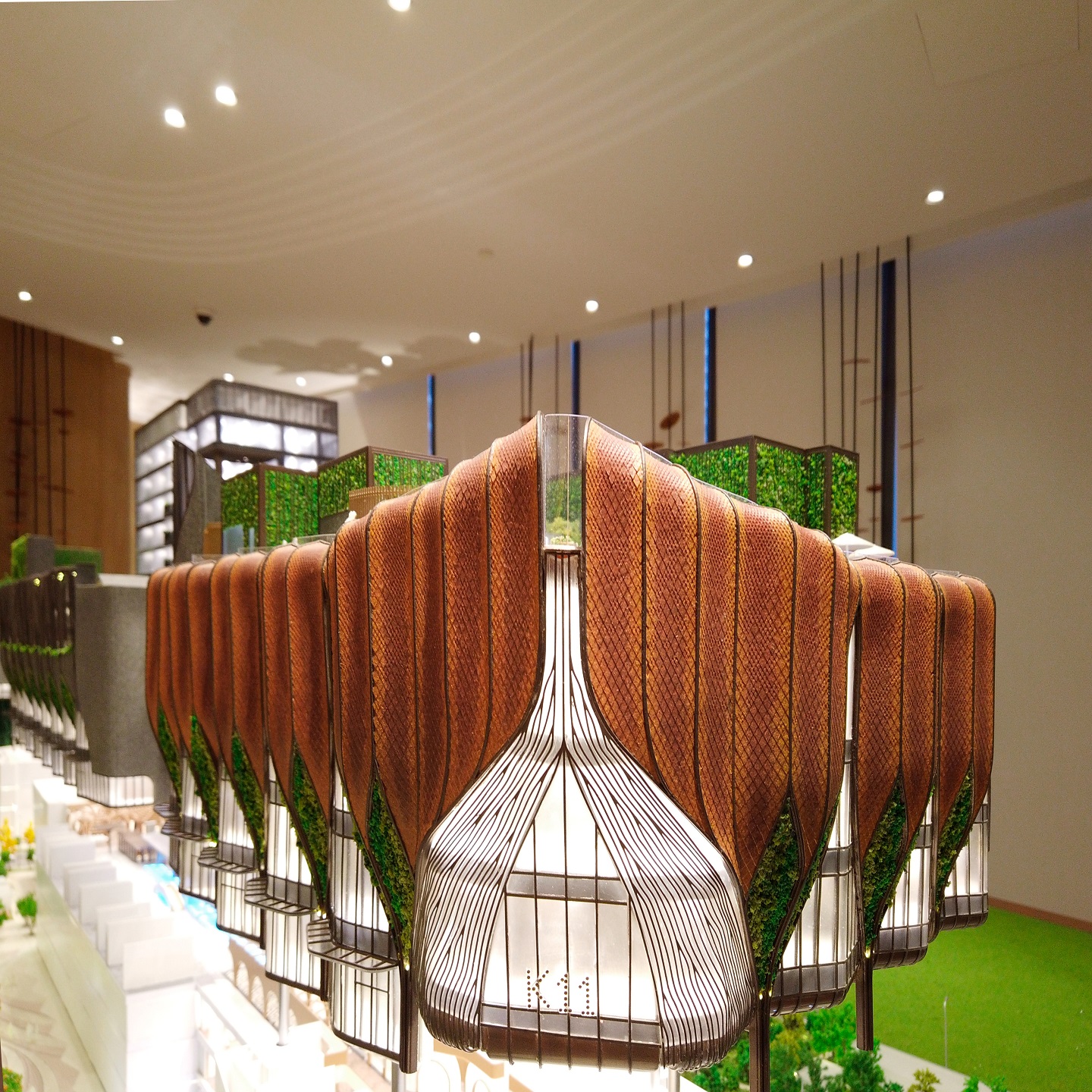
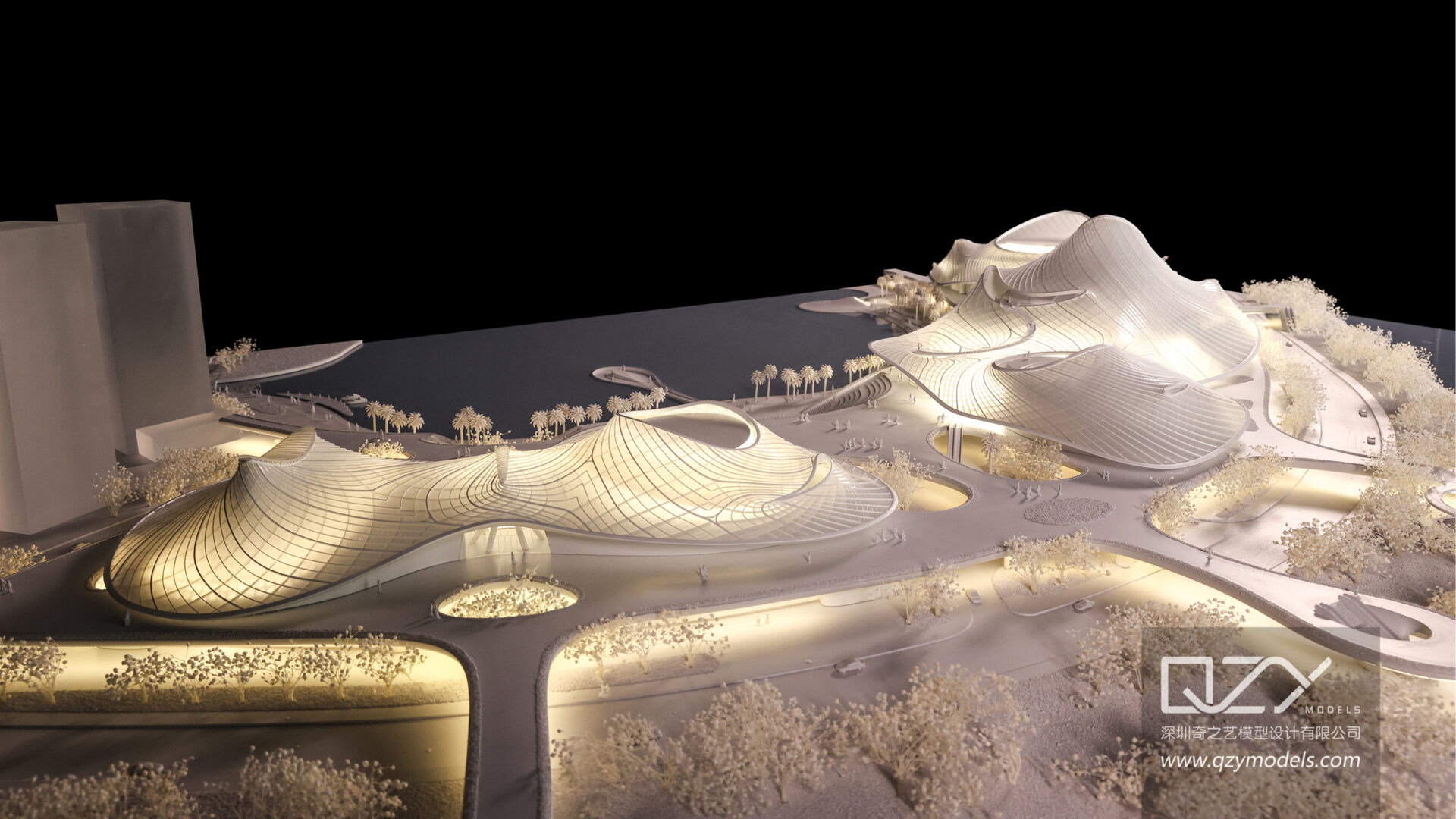
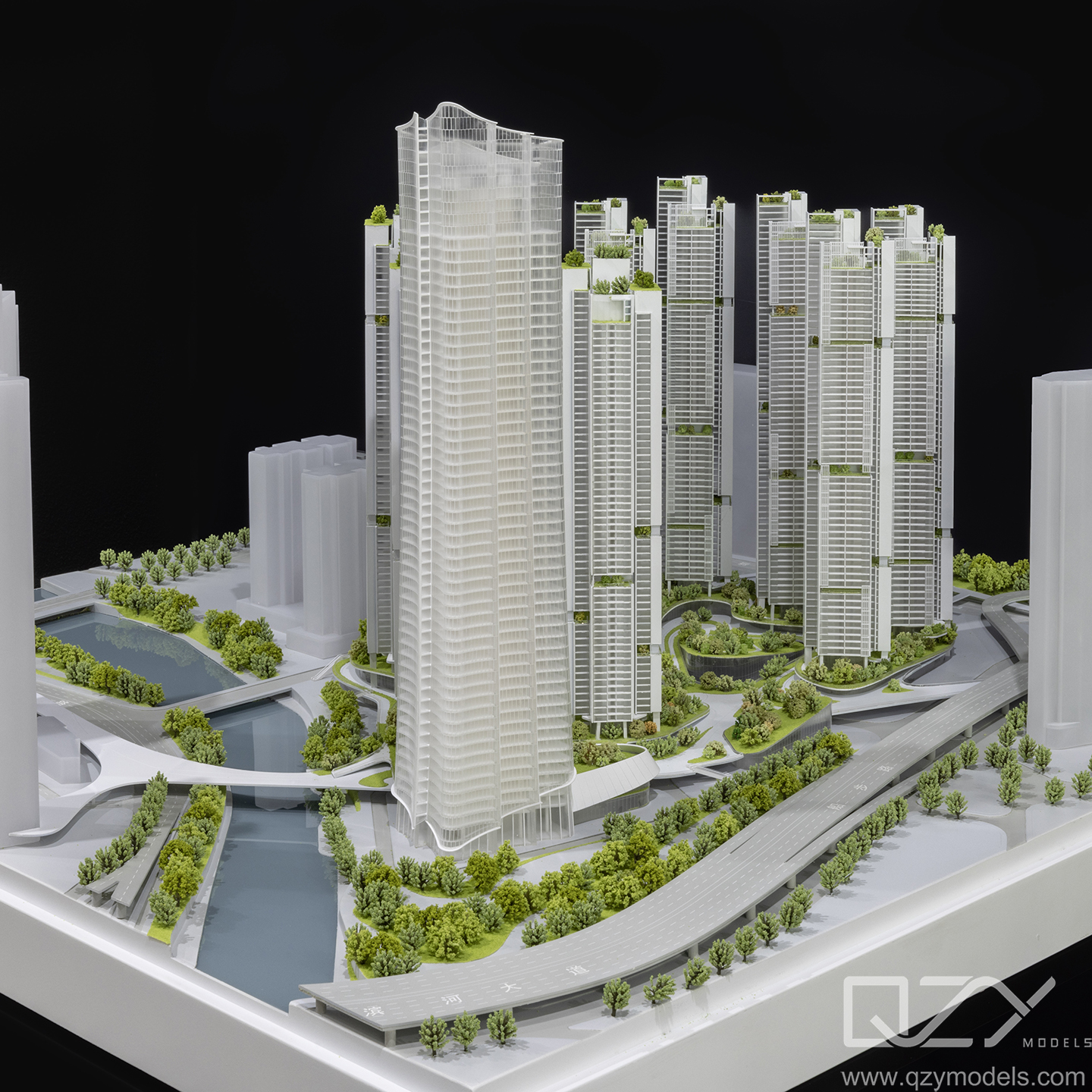
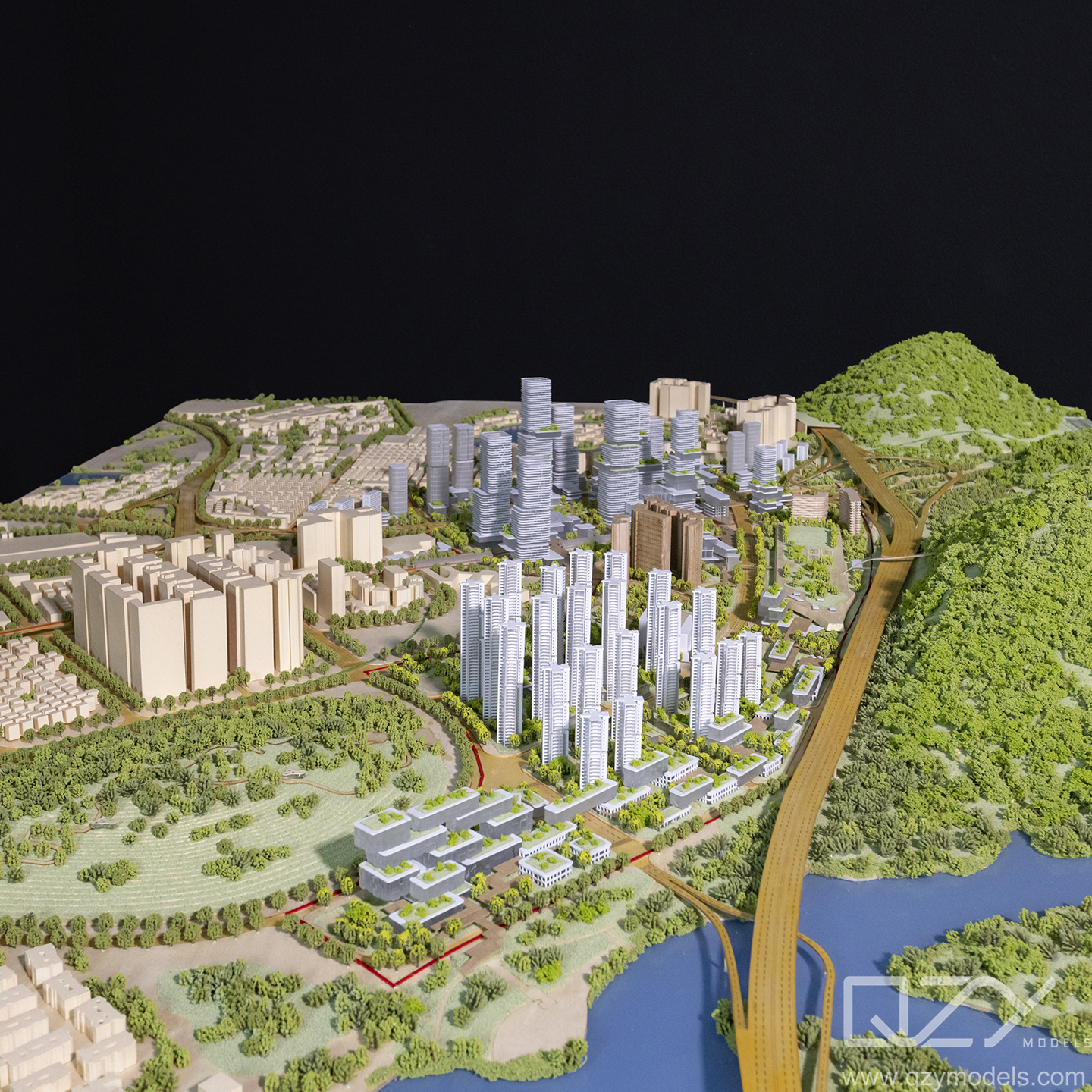
3D rendered buildings offer precise, realistic visualizations of architectural projects, enhancing communication between designers, clients, and manufacturers. These models streamline planning, enable early detection of design issues, and support marketing efforts, especially using services from China-based manufacturers and suppliers like QZY Models.
How Do 3D Rendered Buildings Improve Architectural Design Accuracy?
3D rendered buildings provide a detailed digital replica of proposed designs, ensuring every dimension and feature is accurately represented. This helps architects identify design flaws and spatial relationships before physical construction.
China-based manufacturers like QZY Models leverage advanced 3D rendering technology to produce precise architectural models, allowing clients worldwide to visualize projects. This accuracy reduces costly revisions and speeds up project timelines, essential for wholesale and OEM factory operations focused on quality.
What Are the Main Advantages of Using 3D Rendered Buildings From China Manufacturers?
Using 3D rendered buildings from China manufacturers offers cost efficiency, high-quality craftsmanship, and scalable production to meet bulk orders. Chinese suppliers excel in OEM and factory services, providing customizations and quick lead times.
QZY Models exemplifies this, combining affordable prices with expert design and manufacturing capabilities, making them ideal for B2B clients needing reliable architectural and industrial physical models.
Which Materials and Technologies Are Typically Used in 3D Rendered Building Models?
3D rendered building models often incorporate materials like acrylic, PVC, foam board, and resin, produced using CNC cutting, 3D printing, and laser engraving. These technologies enable detailed parts assembly and surface finishes that mimic real-life textures.
Chinese factories with integrated production lines, like QZY Models, offer OEM customization combining these materials, ensuring consistent quality and quick delivery for wholesale projects.
| Material | Technology Used | Common Uses |
|---|---|---|
| Acrylic | Laser Cutting | Transparent windows, facades |
| Resin | 3D Printing | Complex structural components |
| Foam Board | CNC Cutting | Base and building core shapes |
Why Are 3D Rendered Buildings Important for Developers and Investors?
3D rendered buildings help developers and investors visualize projects before construction to evaluate aesthetics, functionality, and feasibility. This builds confidence in investments and supports funding approval.
In China, manufacturers like QZY Models integrate project-specific details and branding in their models, providing an essential tool for developers and financial stakeholders seeking proof of concept during presentations.
Who Can Benefit Most From 3D Rendered Building Models?
Architects, developers, real estate agents, urban planners, and construction companies benefit from 3D rendered building models. Manufacturers and wholesale suppliers in China like QZY Models support these stakeholders by providing customizable, precision-crafted physical and digital models.
These models improve stakeholder communication, marketing efforts, and project management throughout the building lifecycle.
How Does QZY Models Ensure Quality and Innovation in 3D Rendered Building Models?
QZY Models employs over 20 years of expertise, advanced MES automated production, and a global team to ensure every model meets high standards. Their factory integrates OEM services with strict quality controls to deliver consistent accuracy.
This commitment supports large-scale wholesale projects for international clients, making QZY a trusted supplier in architectural physical model manufacturing.
When Should Businesses Consider Partnering With China-Based 3D Rendered Building Factories?
Businesses should consider China-based factories early in project planning to benefit from cost advantages, manufacturing expertise, and customization options. Early engagement with suppliers like QZY Models helps align design intent with production capabilities.
Partnering early reduces lead times and allows for responsive OEM modifications when needed, crucial for large wholesale orders or complex industrial models.
Where Can Buyers Find Reliable OEM and Wholesale Suppliers of 3D Rendered Buildings in China?
Buyers can locate reputable manufacturers like QZY Models in Shenzhen, China — a hub of architectural model production. These suppliers provide OEM capabilities, vocabulary tailored for B2B operations, and have established international reputations with clients worldwide.
Selecting suppliers experienced in industrial model production ensures reliability, quality, and timely delivery to global markets.
QZY Models Expert Views
“At QZY Models, we believe that combining cutting-edge 3D rendering technology with skilled craftsmanship revolutionizes architectural visualization. Our approach focuses on precision, sustainability, and customization, empowering clients worldwide to bring designs to life efficiently. By leveraging Shenzhen’s manufacturing ecosystem, we ensure every model reflects excellence suitable for architects, developers, and investors demanding high-quality physical and digital solutions.” — Richie Ren, Founder
Conclusion
3D rendered buildings are essential tools in modern architecture, enhancing design accuracy, improving stakeholder communication, and supporting investment decisions. China-based manufacturers like QZY Models provide exceptional OEM and wholesale services, combining innovation, expertise, and cost-efficiency. For businesses targeting architectural or industrial model production, partnering early with trusted factories in China ensures timely delivery and high-quality results integral to project success.
FAQs
What industries commonly use 3D rendered building models?
They are widely used in architecture, real estate development, urban planning, and construction.
Can 3D rendered buildings be customized for specific client needs?
Yes, manufacturers like QZY Models specialize in OEM customizations tailored to project requirements.
How long does it typically take to produce a 3D rendered building model?
Production time varies but China-based factories often deliver within 2-6 weeks depending on complexity and order size.
Are 3D rendered buildings suitable for marketing purposes?
Absolutely, these models provide compelling visual tools for client presentations and sales promotions.
What makes QZY Models a top choice for architectural model manufacturing?
Their 20+ years of experience, global client base, advanced technology, and strict quality control stand out in the competitive B2B market.
What is 3D rendering in architecture and why is it important?
3D rendering in architecture is the process of creating realistic digital models of buildings, showing detailed interiors, exteriors, and environmental context. It helps architects and clients visualize designs accurately, improve communication, and make informed decisions before construction begins, reducing errors and enhancing project efficiency.
How do 3D rendered buildings benefit architects during the design process?
3D rendered buildings allow architects to test layouts, materials, lighting, and colors virtually. This accelerates design iterations, improves collaboration with clients and stakeholders, and ensures that changes can be made efficiently without costly on-site adjustments, streamlining both design and approval processes.
What are the main uses of 3D architectural renderings?
3D renderings are used for interior and exterior visualizations, environmental context simulations, room-by-room and aerial views, virtual tours, virtual staging, and elevation renderings. They help clients understand scale, design, and aesthetics, while also serving marketing, planning approvals, and project presentation purposes.
How can 3D renderings support sustainability and marketing efforts?
3D renderings enable simulation of energy efficiency, daylighting, and ventilation options to optimize sustainability before construction. They also create photorealistic visuals that enhance marketing, attract clients, and showcase architectural creativity. Companies like QZY Models provide precise 3D models that combine design accuracy with compelling presentation.
What are the best 3D modeling software for architecture in 2025?
Top 3D modeling software includes Blender, SketchUp, Revit, 3ds Max, Rhino, ArchiCAD, AutoCAD, Cinema 4D, Lumion, and Twinmotion. These tools support detailed 3D modeling, photorealistic rendering, and integration with BIM, helping architects visualize, plan, and present designs efficiently.
How is AI impacting architectural design software?
AI is transforming architectural software by automating image edits, generating design alternatives, optimizing layouts, and maintaining design accuracy. Tools like Google’s Nano Banana Pro AI allow architects to edit images with text prompts while preserving details, accelerating design iteration and enhancing creativity.
Why do architects need specialized rendering software?
Rendering software enables architects to produce photorealistic visuals of interiors, exteriors, and environmental contexts. It improves client communication, allows virtual walkthroughs, and supports marketing efforts. These tools also integrate with BIM, helping manage construction planning, material choices, and sustainability analysis.
What factors should be considered when choosing architectural software?
When selecting software, consider usability, learning curve, rendering quality, compatibility with BIM, collaboration features, and cost. The best software balances design flexibility with efficiency, supports realistic visualization, and aligns with both project complexity and client presentation needs.