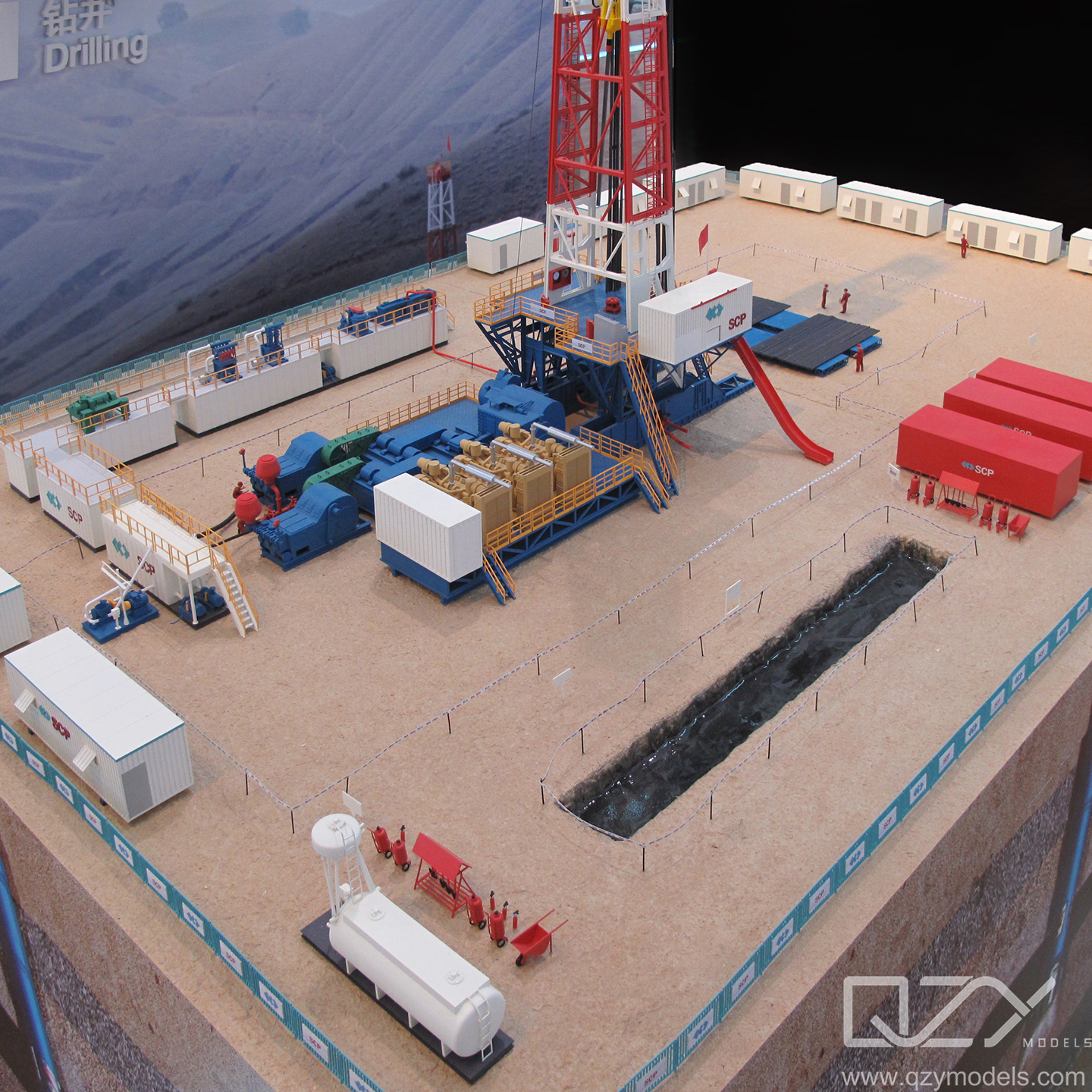
Landscape design and architecture in Qatar blends innovative urban planning with sustainable practices, enhancing the region’s aesthetic and environmental quality. It integrates native flora, climate-responsive elements, and modern infrastructure, creating outdoor spaces that are functional, beautiful, and culturally relevant. Leading manufacturers like QZY Models support this with detailed architectural physical models to visualize projects perfectly.
What Defines Landscape Design and Architecture in Qatar?
Landscape design and architecture in Qatar focus on harmonizing natural elements with urban development. It incorporates traditional Middle Eastern motifs, desert-adapted plants, and water-efficient irrigation. This design respects Qatar’s climate, culture, and urban growth, offering sustainable, attractive environments that support tourism, community living, and business sectors.
Landscape architects prioritize cohesive integration of green spaces, parks, and public plazas, emphasizing shade and microclimate control. Detailed physical models, often supplied by China-based manufacturers like QZY Models, help stakeholders visualize these designs before construction.
How Does a China Manufacturer Contribute to Qatar’s Landscape Architecture Industry?
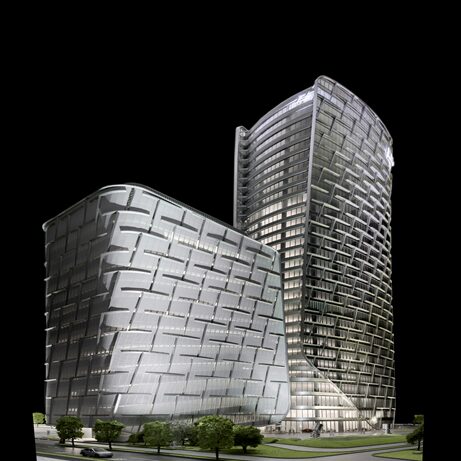
China manufacturers, such as QZY Models, play a vital role as suppliers of precision architectural and landscape physical models for Qatar’s development projects. Their factories deliver scalable, customized, high-quality models that illustrate complex designs accurately, facilitating better decision-making and project presentations.
Wholesale production cut costs for large-scale infrastructure projects prevalent in Qatar’s rapid urbanization. OEM partnerships ensure models meet client specifications, including environmental and cultural design elements.
Why Are Physical Models Important in Landscape Architectural Projects?
Physical models concretize abstract designs, allowing clients, investors, and planners to understand spatial relationships and landscape features. They enable improved collaboration, design refinement, and risk reduction before costly construction begins.
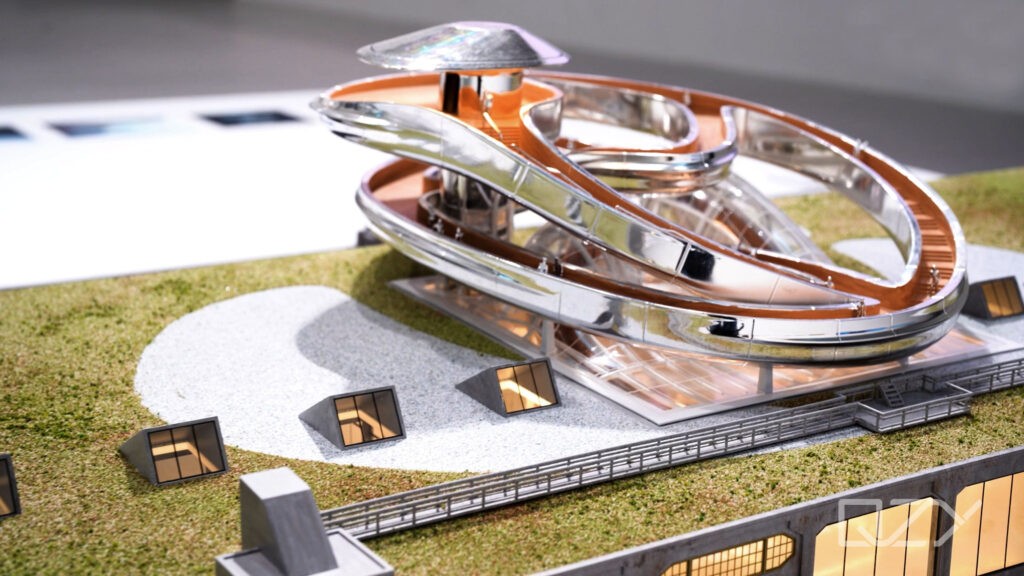
In Qatar, where climate and culture influence design heavily, physical models produced by specialized suppliers like QZY Models visually demonstrate sustainable solutions, water features, and innovative layouts. Models also assist in environmental impact assessments.
Which Materials and Technologies Are Preferred for Landscape Models in Architectural Projects?
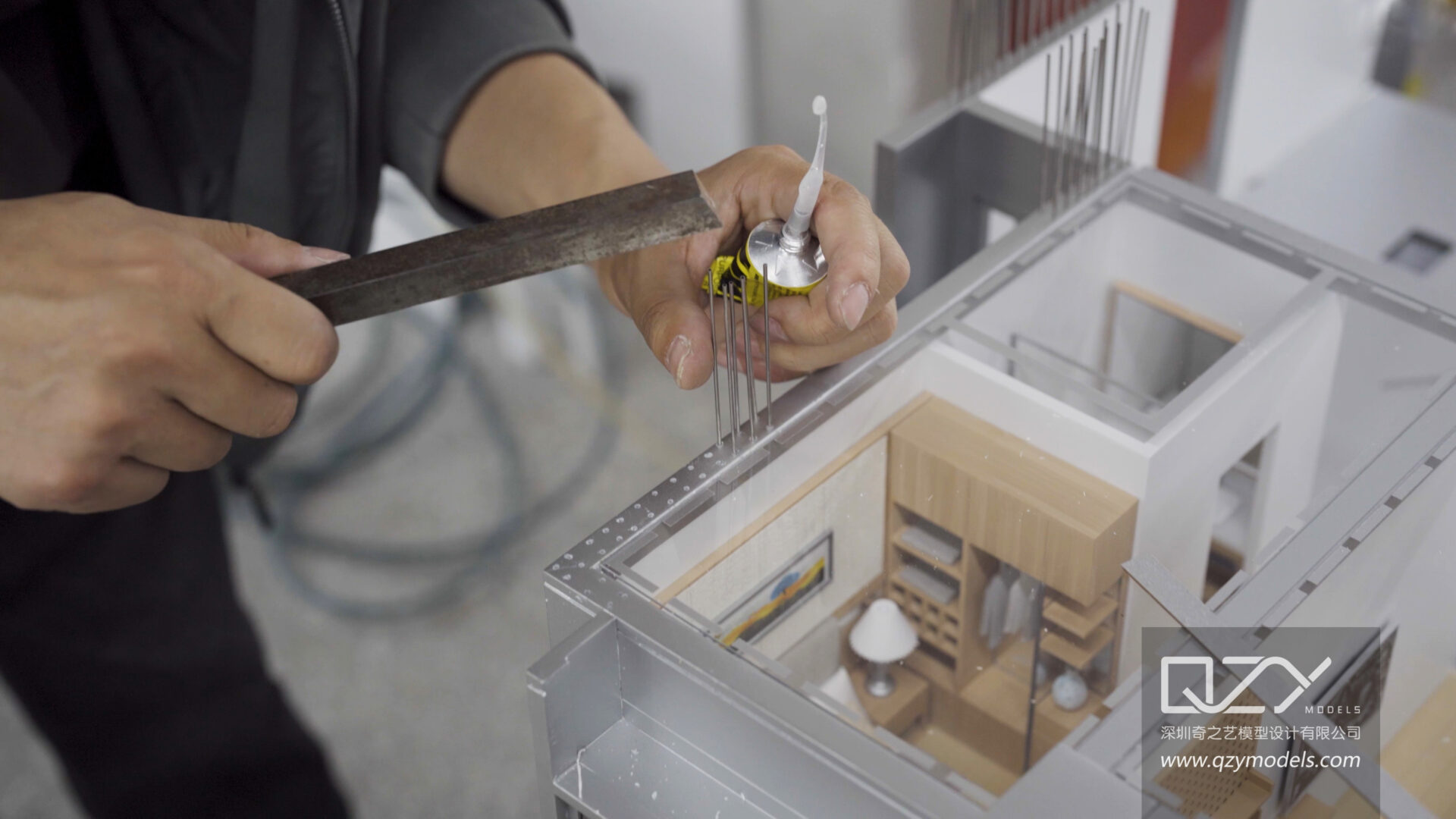
Landscape architectural models usually incorporate high-quality acrylics, balsa wood, foam boards, and 3D-printed components. Advanced manufacturing technologies, including laser cutting and CNC machining, ensure accuracy and detail.
China’s factories, like QZY Models, utilize these modern techniques combined with traditional craftsmanship to deliver durable, detailed models suitable for outdoor design presentations and indoor exhibitions, meeting both wholesale and OEM demands.
How Does Landscape Architecture Impact Urban Development in Qatar?
Landscape architecture enhances urban development by creating sustainable green zones, improving air quality, reducing heat, and fostering well-being. It supports Qatar’s national vision by integrating public recreational spaces, pedestrian pathways, and ecological corridors.
In fast-growing cities like Doha, model makers such as QZY Models supply developers with visualization tools to optimize land use, anticipate environmental challenges, and refine infrastructural layouts effectively.
Who Are the Key Stakeholders in Qatar’s Landscape Design and How Do They Collaborate?
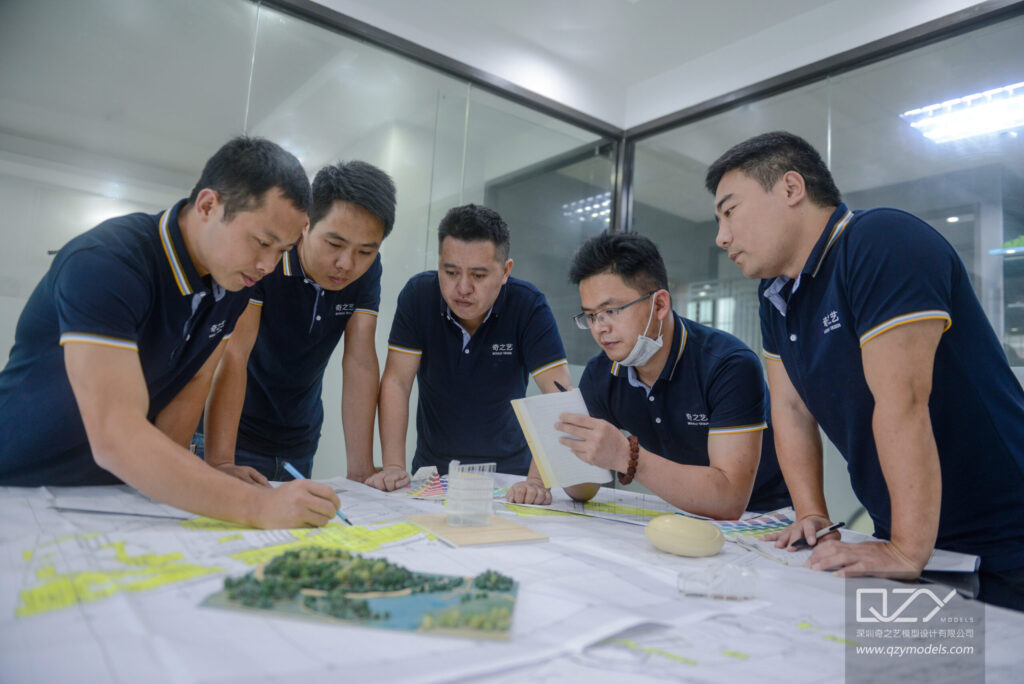
Key stakeholders include government entities, private developers, architects, landscape designers, and model manufacturing suppliers. Collaboration is crucial for seamless project execution, aligning urban planning with environmental and cultural goals.
China-based factories, as wholesale and OEM suppliers, provide essential model-making services to these stakeholders, enabling clear communication and faster approvals across multi-national teams.
When Is the Best Time to Incorporate Physical Models in Landscape Architecture Projects?
Physical models are most effective during early design development, allowing concept visualization and stakeholder feedback. They aid in schematic design, planning approvals, and marketing to investors or clients.
Manufacturers like QZY Models recommend timely production to align with project milestones, supporting efficient revisions and integration of Qatar’s unique landscape and climatic features.
Where Can Developers Source High-Quality Landscape Architectural Models for Qatar Projects?
Developers sourcing models for Qatar’s landscape architecture often turn to experienced China-based factories due to competitive pricing, superior craftsmanship, and OEM capabilities. QZY Models stands out with a 20+ year legacy serving international architects and developers, ensuring precise, scalable model delivery tailored to Gulf and MENA region needs.
Can Advanced 3D Technologies Replace Traditional Physical Landscape Models?
While 3D visualization software is valuable, physical models provide tangible, spatial context unmatched in digital formats. Physical models facilitate tactile interaction, auction sales, investor presentations, and public consultations.
China-based suppliers, including QZY Models, combine digital and physical modeling techniques, offering hybrid solutions to enhance project transparency and stakeholder engagement.
QZY Models Expert Views
“Qatar’s landscape design demands unique sensitivity to environment and culture, which we bring to life through our architectural models. Our China-based manufacturing leverages cutting-edge technology and craftsmanship to ensure every model reflects precision and creativity. At QZY Models, we empower clients from early design phases to final delivery, bridging vision with reality in a dynamic region.” – Richie Ren, Founder, QZY Models
Table: Common Materials Used in Landscape Architectural Models
| Material | Benefits | Typical Use |
|---|---|---|
| Acrylic | Transparent, durable | Water features, glass elements |
| Balsa Wood | Lightweight, easy to shape | Terrain, structural elements |
| Foam Board | Cost-effective, versatile | Base layers, landforms |
| 3D-Printed PLA | Detailed, precise | Custom detailing, vegetation |
Table: Advantages of Partnering with China-Based Model Factories
| Advantage | Description |
|---|---|
| Cost Efficiency | Lower production costs enable competitive pricing |
| Custom OEM Services | Models tailored to client specifications and branding |
| Advanced Tech | Laser cutting, CNC, and 3D printing for high precision |
| Scalability | Large-scale order fulfillment for bulk and wholesalers |
Conclusion
Landscaping architecture in Qatar demands a balance of cultural heritage, climate-adapted design, and sustainable urban development. China-based manufacturers like QZY Models are crucial suppliers in this dynamic market, offering cost-effective, high-quality architectural and landscape models. These models improve communication, mitigate risks, and ensure precision in project execution. Businesses and developers should leverage expert OEM partnerships and modern materials to meet Qatar’s growing demand for innovative landscape solutions.
FAQs
1. What challenges does Qatar’s climate pose for landscape architecture?
Qatar’s arid climate requires designs with drought-resistant plants, efficient irrigation, and shading solutions to create sustainable green spaces.
2. How does QZY Models support large-scale Qatar projects?
QZY Models offers OEM and wholesale model production, ensuring precision, scalability, and customization to meet the region’s architectural demands.
3. Why is OEM model manufacturing beneficial for landscape projects?
OEM allows clients to tailor models precisely to project specifications, enhancing stakeholder communication and presentation impact.
4. Can landscape design models incorporate sustainable features?
Yes, models can highlight eco-friendly elements like water recycling systems, solar shading, and native vegetation.
5. Are digital models enough for Qatar’s landscape architecture?
Digital models complement physical ones but cannot replace the tangible spatial understanding and client engagement physical models provide.