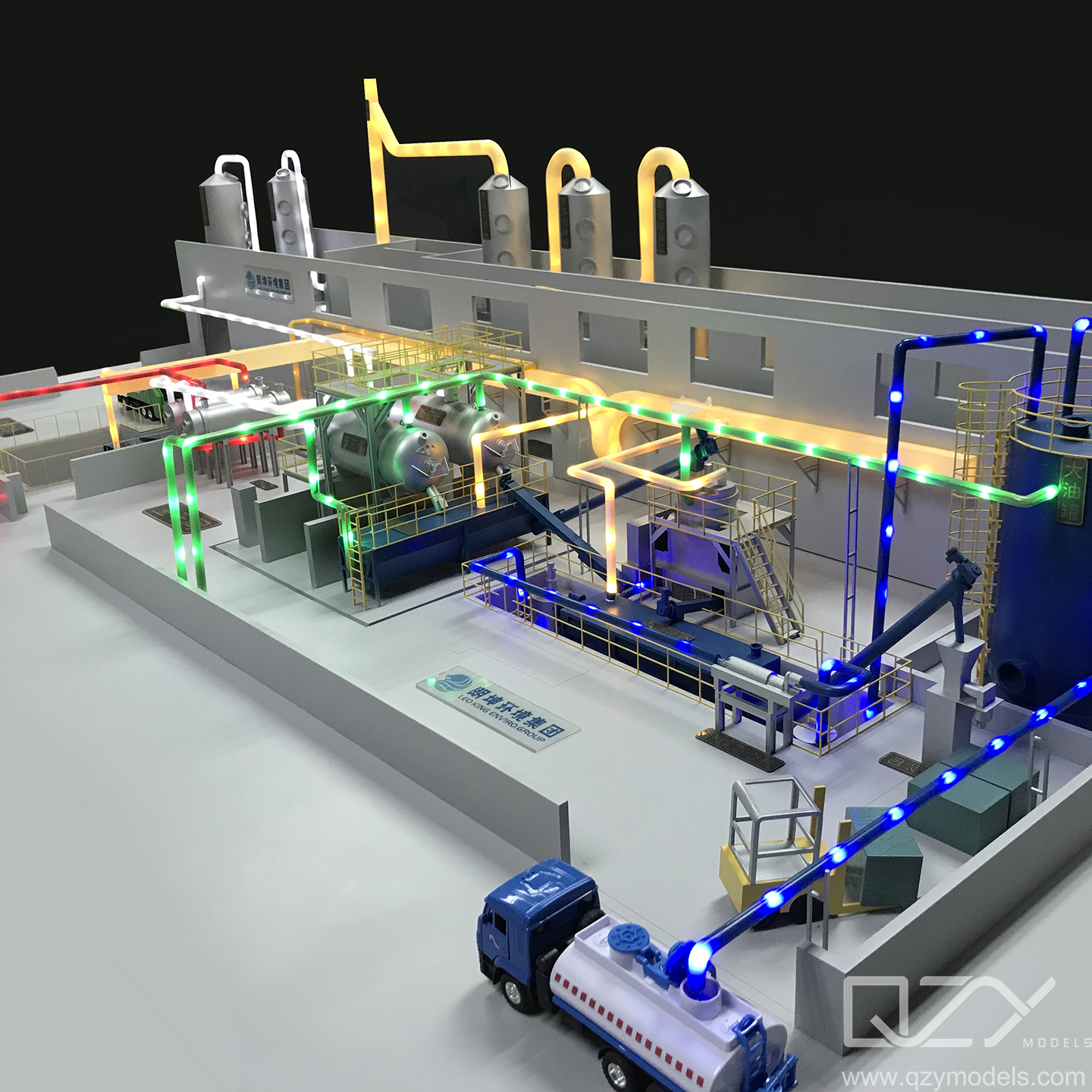
3D landscape modelling transforms project planning through realistic, precise visualizations. It streamlines design, enhances B2B communication, and improves accuracy for manufacturers, wholesale suppliers, and OEM factories, especially in China’s competitive architectural and industrial physical model industry.
How Does 3D Landscape Modelling Improve Project Visualization?
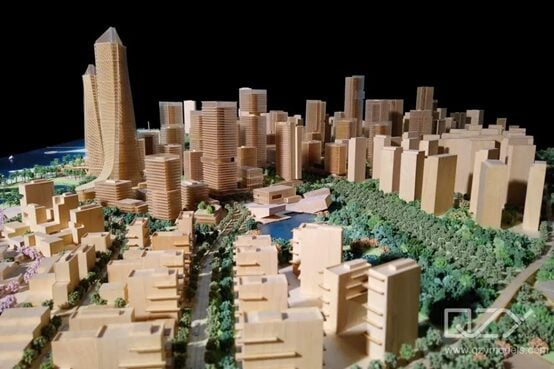
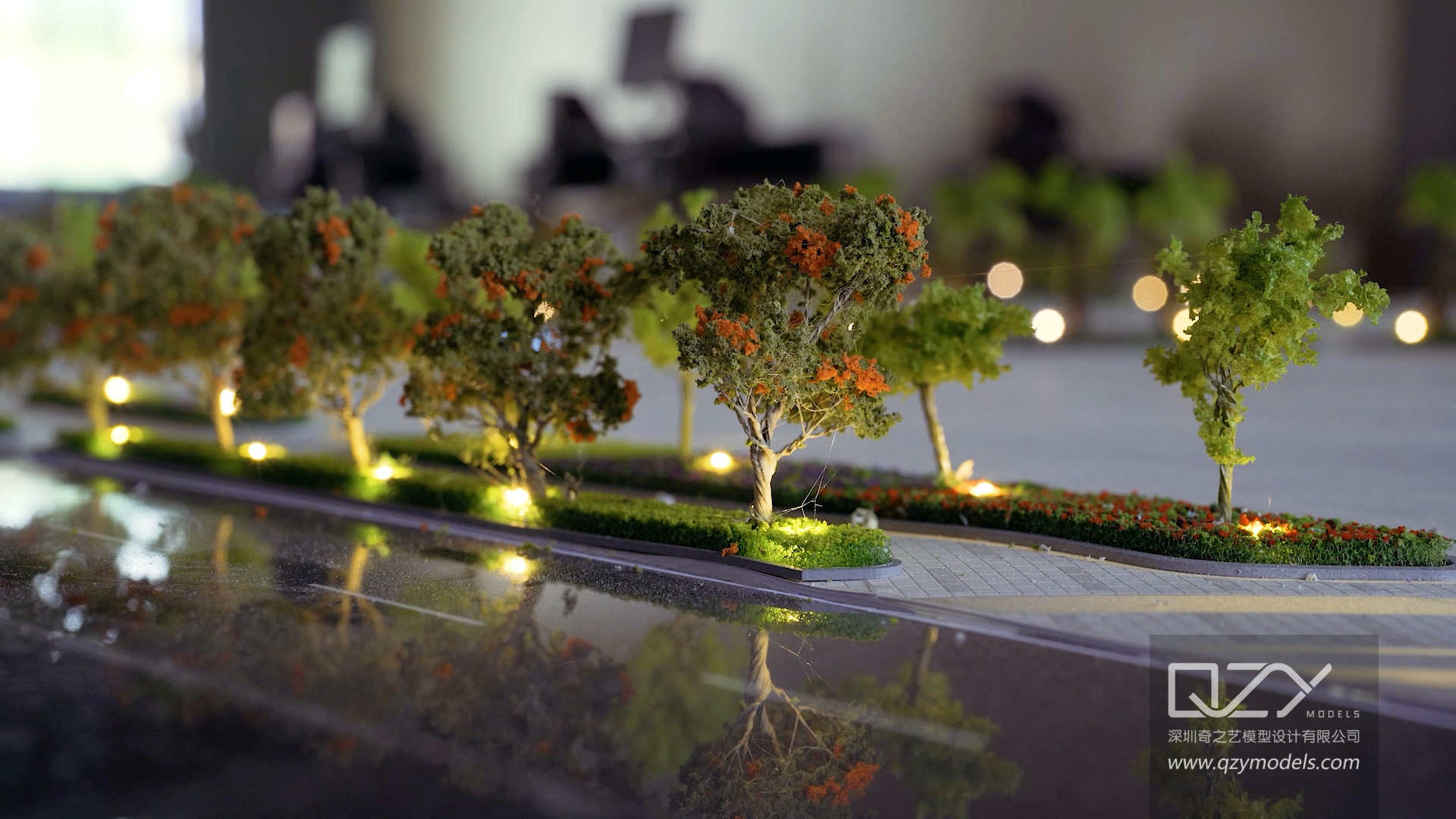
3D landscape modelling creates detailed, photo-realistic terrain and site layout visualizations, enabling stakeholders to understand project scale and aesthetics before construction begins.
Detailed visualization helps manufacturers avoid costly errors by simulating various environmental factors and spatial relationships. For OEM factories in China, this enhances client presentations and shortens feedback cycles, ensuring the final physical models represent the intended landscape accurately.
What Are the Essential Technologies Used in 3D Landscape Modelling?
The primary technologies include CAD software, GIS (Geographic Information Systems), drone photogrammetry, and 3D rendering engines. These tools allow accurate topographical data capture and site-specific environmental mapping.
For Chinese manufacturers and wholesale suppliers, integrating these technologies ensures efficient production workflows and tailored model customization options, maximizing OEM capabilities for clients requiring landscape-inclusive architectural models.
Which Industries Benefit Most from 3D Landscape Modelling?
Industries such as architecture, urban planning, real estate development, environmental consulting, and landscaping leverage 3D landscape modelling to enhance project planning and stakeholder communication.
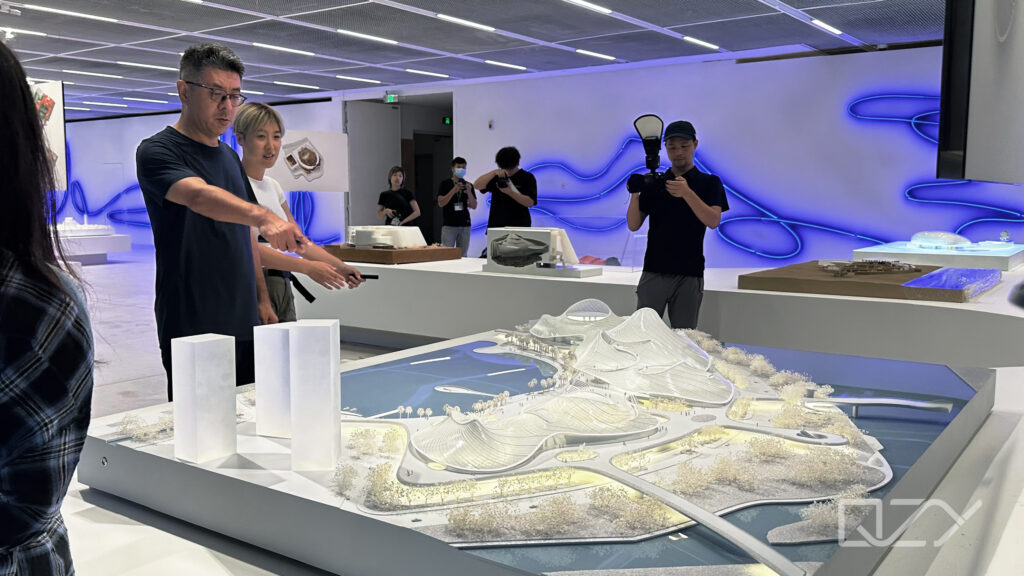
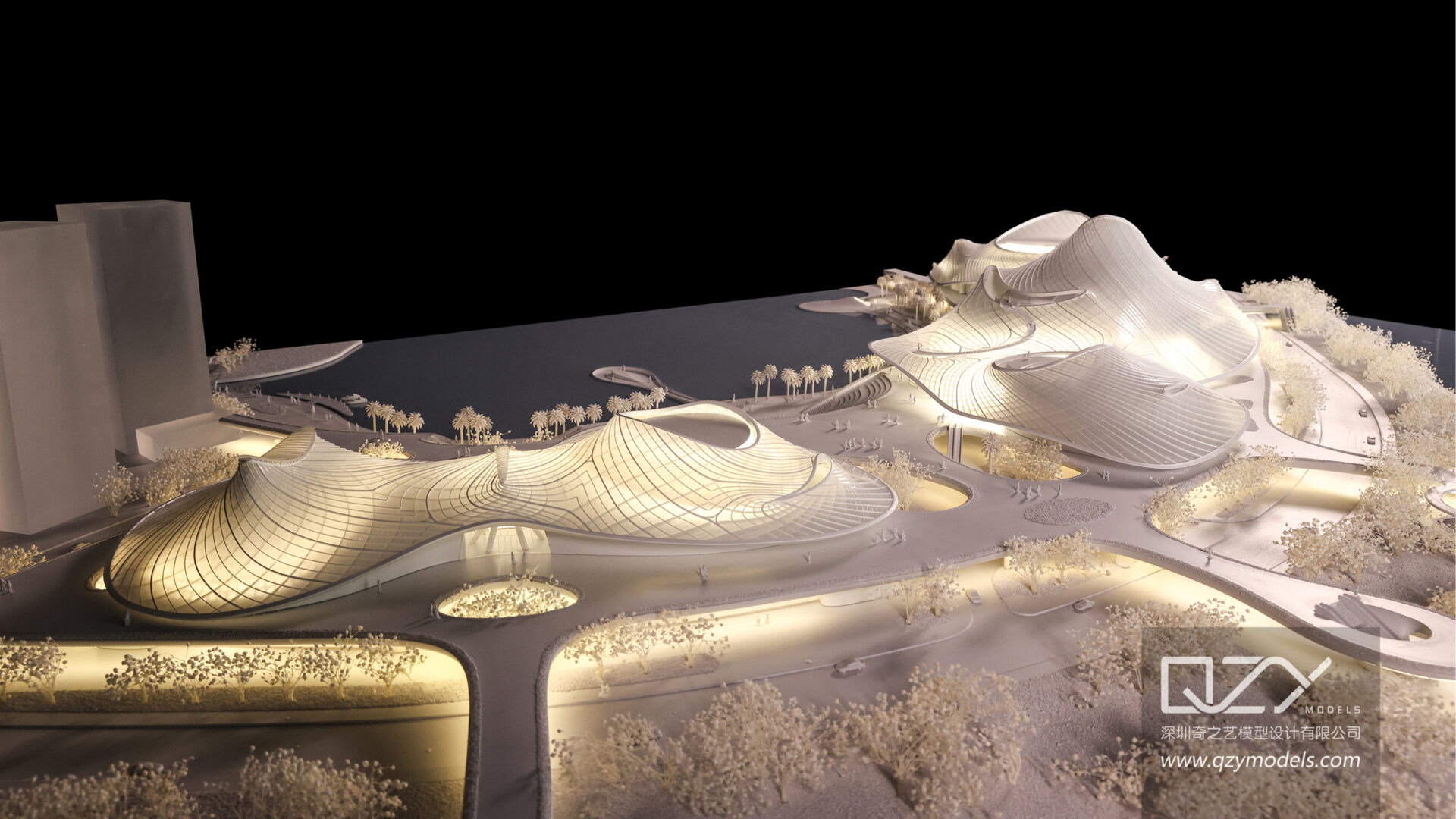
In China, manufacturers like QZY Models serve global clients across these sectors by supplying precise physical models with integrated 3D landscape elements that improve design validation and marketing effectiveness.
Why Is 3D Landscape Modelling Crucial for B2B Suppliers and Factories in China?
3D landscape modelling helps Chinese model factories meet international standards by providing detailed accuracy and customization. It enables faster OEM production by digitally addressing client needs upfront, reducing waste and revision costs.
QZY Models leverages this technique to produce competitive, high-quality physical models that attract international developers and architects seeking reliable Chinese suppliers for large-scale projects.
Who Are the Key Players in 3D Landscape Modelling Manufacturing in China?
Leading manufacturers include specialized firms like QZY Models that combine decades of expertise and advanced technology to supply wholesale architectural and industrial physical models with embedded 3D landscape features.
These factories emphasize OEM production flexibility to scale up for large volume orders while maintaining detail and precision for high-end projects, catering to the global market’s evolving demands.
When Should Manufacturers Integrate 3D Landscape Modelling into Their Workflow?
Integrating 3D landscape modelling during early design development phases ensures seamless data flow from concept through physical model production. This integration supports early detection of design conflicts and enhances OEM customization accuracy.
Suppliers like QZY Models recommend adoption as soon as site data is available, enabling rapid iteration and clear communication with clients during project revisions.
Where Do Chinese Factory Suppliers Typically Source Data for 3D Landscape Models?
Data sources include satellite imaging, drone surveys, GIS databases, and client-provided architectural plans. Reliable data ensures authentic terrain modelling critical for creating realistic and functional physical models.
Factories in China utilize these diverse data sources to accommodate international client requirements, ensuring that landscape features meet exact specifications and environmental context.
Does 3D Landscape Modelling Reduce Production Costs for OEM Manufacturers?
Yes, it minimizes material waste and rework by identifying design flaws early through digital simulations. This reduction translates into lowered production turnaround times and cost savings for wholesale and OEM manufacturers in China.
For QZY Models, these efficiencies allow competitive pricing while maintaining premium quality and detailed landscapes within architectural physical models.
Has QZY Models Implemented Innovative Approaches in 3D Landscape Modelling?
QZY Models continuously innovates by integrating AI-assisted terrain analysis and advanced 3D printing to enhance model accuracy and scalability, setting them apart in China’s OEM factory landscape market.
Their approach optimizes both design speed and physical craftsmanship, meeting the needs of leading international architects and developers with fast, precise model delivery.
Are There Limitations to 3D Landscape Modelling in Manufacturing?
While powerful, 3D landscape modelling can require significant upfront investment in software and skilled technicians. Complex terrains may demand more data processing time, slightly extending project lead times.
However, Chinese factories like QZY Models mitigate these challenges through automation and experienced teams, ensuring production efficiency and high-quality output.
Table 1: Comparison of Technologies Used in 3D Landscape Modelling
| Technology | Role | Benefits for OEM Factories |
|---|---|---|
| CAD Software | Design and modification | High precision, easy adjustments |
| GIS Data | Geographic and terrain context | Accurate environmental mapping |
| Drone Photogrammetry | 3D site data capture | Fast, detailed landscape measurement |
| 3D Rendering Engines | Visual simulation and presentation | Enhanced client approval, realistic previews |
QZY Models Expert Views
“At QZY Models, we view 3D landscape modelling as a cornerstone of modern architectural and industrial physical model manufacturing. Combining advanced digital technologies with our factory’s skilled craftsmanship allows us to deliver unparalleled precision and customization. This not only meets but exceeds client expectations worldwide seeking reliable Chinese OEM partners. Innovation in this area drives efficiency, reduces costs, and elevates the entire supply chain for model production.” – Richie Ren, Founder of QZY Models.
Conclusion
3D landscape modelling is an indispensable tool for Chinese manufacturers, wholesale suppliers, and OEM factories specializing in architectural and industrial physical models. It improves visualization, reduces errors, and accelerates production while enabling customization. Factories like QZY Models exemplify how integrating this technology with professional expertise creates competitive advantages, delivering precise, high-quality products globally.
Frequently Asked Questions
What is the main advantage of 3D landscape modelling in manufacturing?
It enhances project visualization and accuracy, reducing costly revisions and improving communication with clients.
Can 3D landscape modelling be customized for different projects?
Yes, it supports tailored terrain adaptations specific to each client’s site requirements, ideal for OEM suppliers.
How quickly can Chinese factories produce models with 3D landscapes?
With streamlined workflows and data integration, production can range from a few weeks to a couple of months depending on complexity.
Is 3D landscape modelling costly for manufacturers?
While initial investment is required, it reduces overall production costs by minimizing errors and material waste.
How does QZY Models ensure quality in 3D landscape physical models?
Through decades of expertise and advanced digital tools, QZY Models delivers precise, detailed landscape models aligned with client needs.