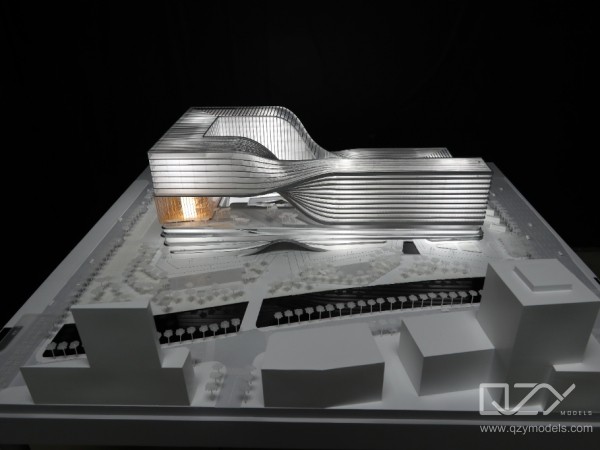
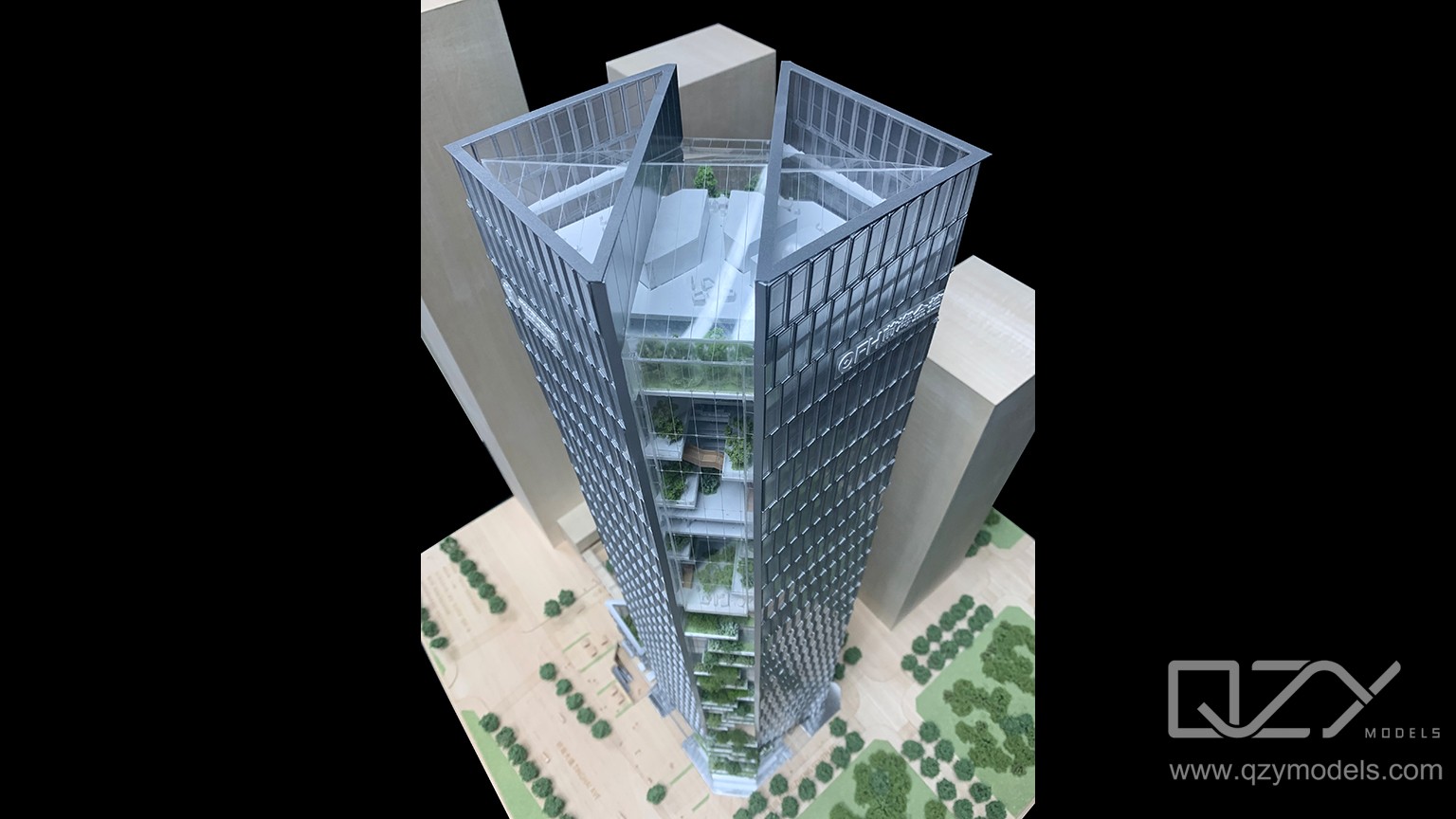
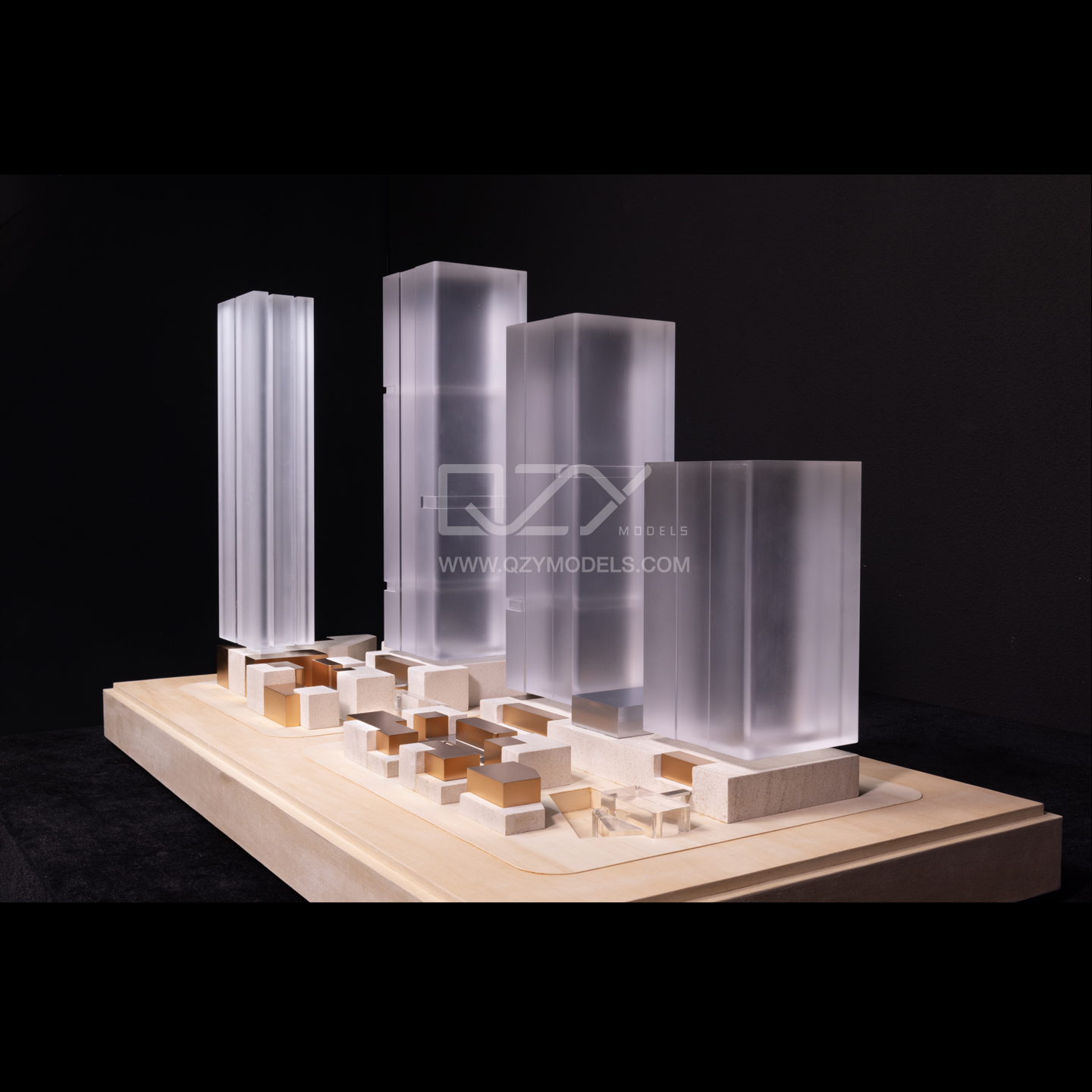
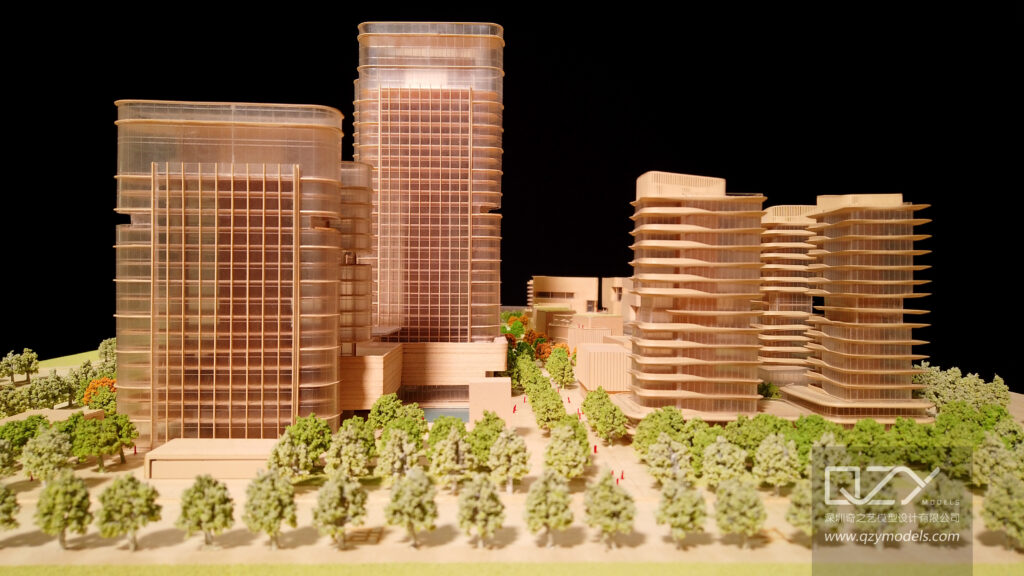
Architectural model making cost is shaped by scale, complexity, materials, timeline, and professional expertise. Each factor influences labor hours, technical requirements, and overall production processes. By understanding how these elements interact, clients can better plan budgets, optimize specifications, and achieve visually compelling results. Experienced teams like QZY Models help balance cost-efficiency with exceptional craftsmanship.
How Does Scale and Overall Size Influence Architectural Model Making Cost?
Scale and physical size directly determine the amount of material, craftsmanship, and engineering required. Larger models demand increased acrylic, wood, lighting components, and landscaping elements, all of which multiply labor and production hours. As dimensions increase, so does structural complexity, logistics, packaging, and transport considerations. QZY Models carefully evaluates scale options to ensure an ideal balance between visual clarity, presentation needs, and budget expectations.
What Role Does Complexity and Level of Detail Play in Model Cost?
The complexity of a model significantly affects production cost. Detailed facades, textured surfaces, intricate interiors, transparent layers, and lighting systems require specialized craftsmanship. Digital modeling, CNC programming, laser cutting, and manual assembly expand labor hours proportionally to design sophistication. More detailed models naturally require longer fabrication timelines and higher-quality materials. QZY Models optimizes detailing workflows to reflect project goals while maintaining cost-sensitive planning.
Which Materials Affect the Cost of Architectural Model Making?
Material selection is one of the strongest contributors to total cost. Standard materials like acrylic, PVC, and foam board provide affordability, while premium options—metal, engineered wood, custom resins, and specialized finishes—elevate realism but require more complex processing. Add-ons such as LED lighting, water effects, and landscaping textures increase both material and labor requirements. QZY Models sources materials globally to maintain consistent quality and competitive pricing.
Why Does Timeline and Urgency Impact the Cost of Model Making?
Tighter deadlines require intensive scheduling, increased staffing, and expedited sourcing, often resulting in significant surcharges. Standard production cycles allow time for internal reviews and precise quality control, whereas accelerated schedules compress workflows and elevate operational costs. Providing finalized design files early helps minimize last-minute adjustments. QZY Models works closely with clients to align delivery timelines with optimal budget planning.
Who Is Involved in Architectural Model Making and How Does Their Expertise Affect Cost?
Model making involves digital engineers, artisans, machinists, painters, and project managers. Their experience and technical mastery determine both efficiency and quality. Projects requiring advanced digital modeling, complex mechanical elements, or specialized artistic finishes depend heavily on senior experts. The broader the skillset required, the higher the labor cost. QZY Models leverages a global team with extensive industry experience to achieve precision across diverse project types.
When Should You Decide on Model Specifications to Control Costs?
Establishing specifications early—scale, detail level, color scheme, lighting requirements, and material preferences—prevents unnecessary changes during production. Early decisions reduce rework, preserve timelines, and stabilize budgets. Digital approval stages streamline alignment between clients and production teams, ensuring accuracy before fabrication begins. QZY Models encourages early-stage collaboration to maintain cost predictability and workflow efficiency.
Where Can You Source Quality Architectural Model Making Services?
Professional model-making studios with proven expertise deliver consistency, advanced capabilities, and reliable communication. Selecting a firm experienced in architectural, industrial, and urban planning models ensures high-quality results for exhibitions, presentations, and development projects. QZY Models provides globally recognized services supported by advanced technology, international project experience, and robust production capacity across multiple countries.
Does Technology Influence Architectural Model Making Costs?
Digital fabrication tools—3D printing, CNC machining, laser engraving, and rendering software—enhance precision but require investment in equipment and expert operators. Technology reduces some manual labor while increasing setup time and digital preparation work. The level of technology involved depends on the desired realism and functional elements of the model. QZY Models integrates advanced technology with handcrafted techniques to optimize quality and cost-efficiency.
Has Sustainability Become a Factor in Architectural Model Making Pricing?
Eco-conscious production practices influence material selection, waste management, and fabrication processes. Sustainable materials may carry higher costs, but they align with environmental standards and long-term brand values. Energy-efficient equipment and recycling protocols also factor into pricing. Studios adopting sustainable methods contribute to greener project footprints while maintaining premium craftsmanship.
QZY Models Expert Views
“Architectural model making is a balance of artistry, precision, and strategic planning. The most successful projects begin with clear goals, a defined level of detail, and early collaboration. At QZY Models, we combine advanced technology with expert craftsmanship to deliver reliable, high-impact models that match both vision and budget.” — Richie Ren, Founder
Architectural Model Making Cost Factors Table
| Cost Factor | Description | Influence on Cost |
|---|---|---|
| Scale & Size | Determines material use and labor time | Larger scale increases cost |
| Complexity & Detail | Involves intricate surfaces, interiors, lighting | Requires more skilled labor |
| Materials | Standard vs. premium materials and finishes | Impacts sourcing and fabrication |
| Timeline | Normal vs. urgent project schedules | Rush fees raise overall cost |
| Expertise | Skill level and team size | Higher expertise increases value |
Conclusion
Architectural model making cost depends on scale, detail, materials, timeline, and expert skill. Early decision-making, clear drawings, and realistic scheduling help control expenses without lowering quality. Choosing a seasoned partner like QZY Models ensures precision craftsmanship, reliable coordination, and models that elevate presentations and project communication. Thoughtful planning ultimately delivers maximum value and visual impact.
Frequently Asked Questions
What is the typical price range for an architectural model?
Prices vary widely—from a few thousand to several tens of thousands—depending on scale, detail, and materials.
How can I reduce my model-making budget?
Limit detailing, use standard materials, finalize drawings early, and avoid accelerated deadlines.
How long is the usual production timeline?
Most models take 10–12 weeks, while urgent schedules may be achieved faster with added costs.
Why does detail level influence pricing?
More details require additional craftsmanship, digital modeling, and finishing, which all increase labor hours.
What makes QZY Models a dependable choice?
A global team, advanced production technology, and a strong commitment to quality and precision make QZY Models a trusted industry leader.