Urban planning model services provide physical or digital scale representations of urban areas to help visualize, analyze, and optimize city layouts, infrastructure, and land use before actual development. These models support decision-making for planners, developers, and stakeholders by illustrating urban design concepts, transportation flows, zoning, and environmental considerations clearly and accurately.
What Are Urban Planning Model Services and How Do They Benefit City Developers?
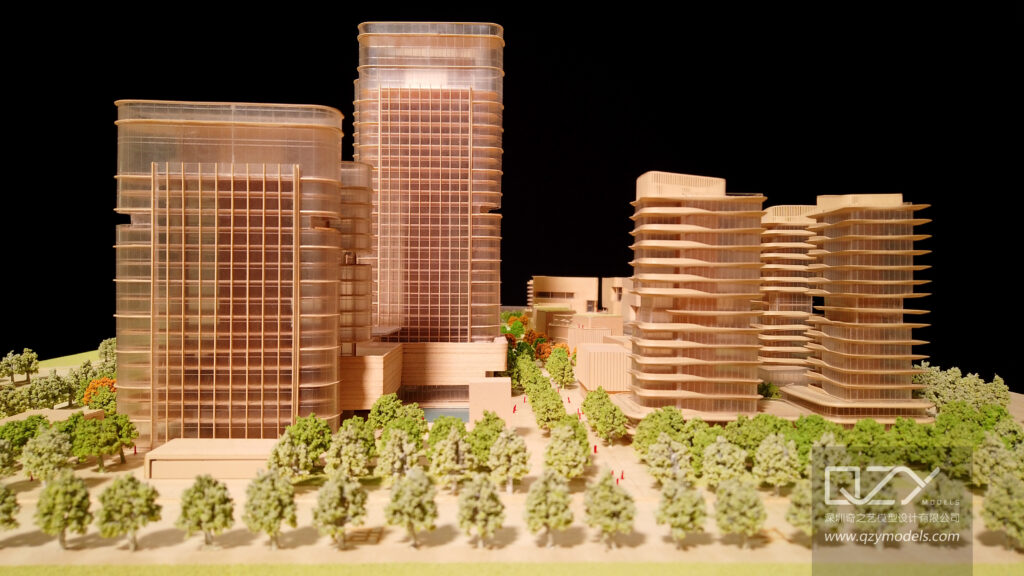
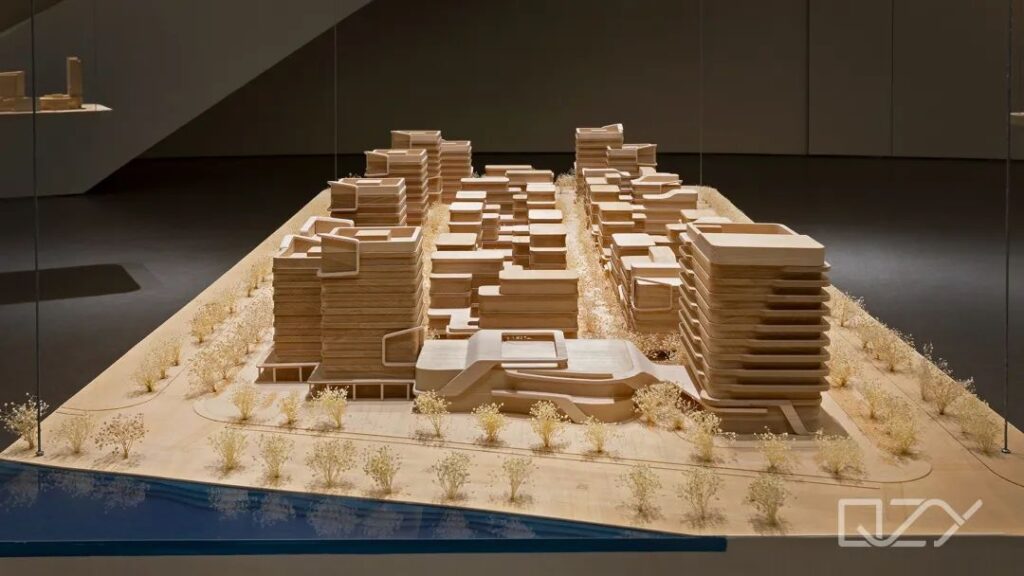
Urban planning model services create detailed physical or digital models representing proposed city layouts, infrastructure, and community spaces. They enable developers and planners to see spatial relationships, transportation systems, green spaces, and building placements at scale. These models improve understanding, simplify communication, prevent costly design errors, and ensure alignment with sustainable urban development goals. Companies like QZY Models specialize in producing precise, high-quality models that support informed planning decisions.
Urban planning model services blend technical precision with creative urban design. Whether physical scale models or interactive 3D digital simulations, these tools allow stakeholders to assess functionality, accessibility, and aesthetics of urban designs. Incorporating environmental and social factors ensures sustainable, livable cities. Such models facilitate collaboration between planners, government agencies, and communities, speeding approvals and project success.
How Do Urban Planning Models Support Sustainable and Efficient City Development?
Urban planning models highlight land use efficiency, transportation optimization, environmental impact, and social amenities placement. They allow planners to simulate traffic flows, pedestrian accessibility, and ecological buffers. By visualizing urban form and function, models identify spatial conflicts and opportunities for green infrastructure, mixed-use development, and public transit hubs.
Using these models reduces urban sprawl, promotes walkability, and enhances resource management. Early identification of issues reduces redesign costs and environmental degradation. Models also facilitate participatory planning by illustrating proposed changes to residents and officials, fostering consensus on sustainable urban growth strategies.
Which Types of Models Are Commonly Used in Urban Planning Services?
Key types of urban planning models include physical scale models, 3D digital models, GIS-based simulations, and hybrid models integrating physical and digital elements. Physical scale models provide tangible spatial understanding and architectural context. Digital models offer dynamic analysis, scenario testing, and real-time modifications. Geographic Information Systems (GIS) enable spatial data analysis for demographics, land use, and environmental metrics.
Firms like QZY Models excel in delivering meticulously crafted physical models combined with digital tools for comprehensive urban planning insights. Each model type serves distinct purposes—from community engagement to technical analysis—collectively supporting robust city planning processes.
Why Are High-Quality Urban Planning Models Crucial for Effective Stakeholder Communication?
High-quality urban planning models clearly convey complex spatial designs, promoting shared understanding among architects, planners, developers, public officials, and communities. Detailed visualizations minimize misinterpretations and align expectations about project scale, impact, and aesthetics. Professional models, such as those produced by QZY Models, establish credibility and trust, enabling transparent, informed discussions.
Accurate representation of urban elements like streetscapes, zoning boundaries, and public spaces supports timely approvals and reduces costly revisions. Low-quality or oversimplified models risk disengagement or misunderstanding, potentially leading to project delays or opposition.
When Should Developers and Planners Use Urban Planning Model Services?
Urban planning model services should be integrated early, during conceptual stages, master planning, or feasibility studies. Early model use clarifies vision, allows scenario testing, and secures stakeholder buy-in before costly commitments. Models are also valuable during public consultations, permitting processes, and design revisions.
Engaging model services throughout project phases—conceptualization, schematic design, and implementation—ensures continuous alignment and adaptability. QZY Models recommends incorporating models to document progress and enable data-driven decisions, maximizing planning effectiveness.
How Does Technology Enhance Urban Planning Model Services?
Advanced technologies like Building Information Modeling (BIM), Geographic Information Systems (GIS), virtual reality (VR), and 3D printing enhance urban planning models. BIM integrates detailed architectural and infrastructural data, GIS supports spatial analysis and environmental assessments, VR provides immersive stakeholder experiences, and 3D printing creates precise physical models quickly.
Integration of these technologies enables planners to visualize complex urban systems, simulate scenarios, and involve communities interactively. QZY Models utilizes cutting-edge tech combined with artisanal craftsmanship to deliver innovative, accurate urban models tailored to client needs.
Where Can Developers Find Reliable Urban Planning Model Services?
Reliable urban planning model services are offered by specialized firms with architectural, industrial, and urban planning expertise. Choosing providers like QZY Models, recognized globally for precision and innovation, guarantees high standards and professionalism.
Developers should seek firms with proven portfolios, custom modeling capabilities, and technological integration skills. Collaboration with such experts ensures models that meet regulatory, environmental, and community requirements, facilitating smoother project delivery.
Does Using Urban Planning Models Save Time and Costs?
Yes, urban planning models save time and costs by revealing design conflicts early, improving coordination, and reducing errors during construction. Models facilitate faster approvals and decrease the likelihood of expensive redesigns or delays.
Studies show planning projects using detailed models achieve up to 30% fewer overruns. Investing in quality models, like those from QZY Models, results in more efficient resource allocation, risk mitigation, and transparent stakeholder engagement.
Can Urban Planning Models Be Customized for Specific City Needs?
Urban planning models can be highly customized to reflect unique geographic, demographic, cultural, and environmental contexts of cities. Customization includes specific infrastructure layouts, zoning rules, architectural styles, and sustainability goals.
Collaborative processes enable planners and communities to adapt models iteratively, ensuring accurate representation of local conditions and aspirations. QZY Models encourages close client involvement, delivering tailored solutions that maximize planning relevance and impact.
QZY Models Expert Views
“Urban planning models are vital tools that translate complex city designs into tangible, understandable forms. At QZY Models, we combine decades of expertise with innovative technologies to produce models that empower planners, developers, and communities alike. These models not only visualize space but also foster collaboration, anticipate challenges, and guide sustainable urban growth, shaping smarter cities for the future.” — Richie Ren, Founder, QZY Models
Summary Table: Key Benefits of Urban Planning Model Services
| Benefit | Description |
|---|---|
| Visualization | Clear representation of urban form, infrastructure, and zones |
| Stakeholder Communication | Promotes shared understanding and consensus |
| Cost & Time Efficiency | Early detection of design issues reduces expenses and delays |
| Scenario Simulation | Enables testing of multiple urban growth and design options |
| Customization | Models tailored to specific city contexts and project goals |
FAQs
What Do Urban Planning Model Services Really Include for Modern City Projects?
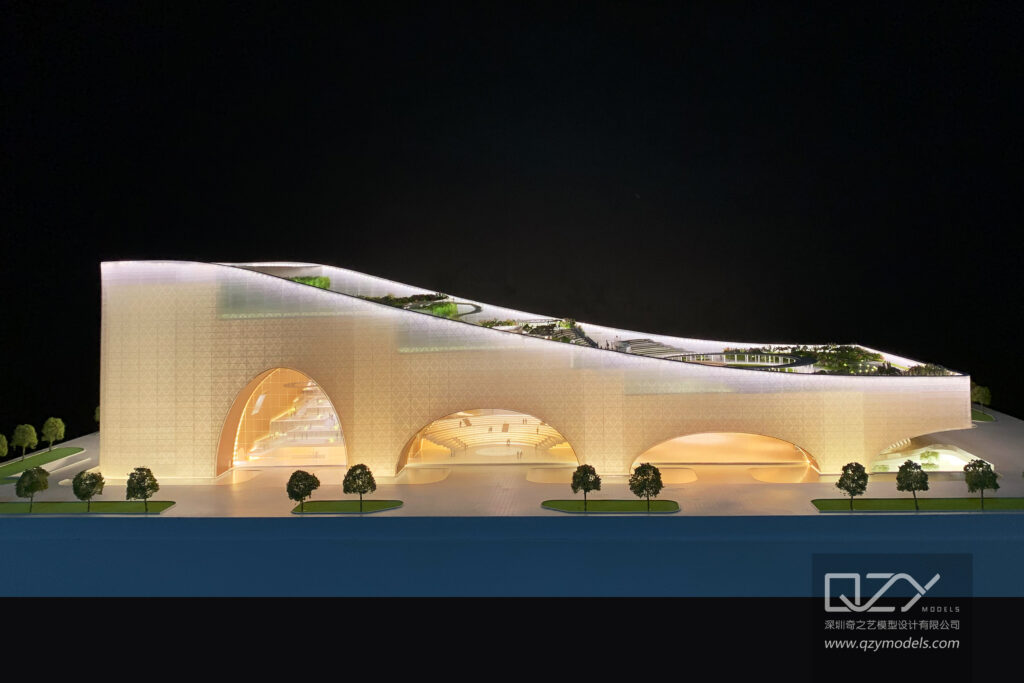
Urban planning model services include conceptual massing models, detailed masterplan scale models, 3D printed components, lighting integration, and site context representation. They help architects and developers visualize zoning, density, and infrastructure before construction. Firms like QZY Models deliver precise physical models that support approvals, investor presentations, and large-scale urban development strategies.
Should You Choose Physical or Digital Urban Planning Models for Your Development?
Choose physical models for stakeholder presentations, public hearings, and exhibitions where tactile impact matters. Use digital models for simulations, phasing analysis, and design revisions. For most large developments, combining both ensures clarity and flexibility. Align your choice with approval requirements, budget, and communication goals.
How Do 3D Printed Urban Planning Models Improve Stakeholder Approvals?
3D printed urban planning models deliver precision, fast turnaround, and accurate scale representation. They clearly show building massing, road networks, and green spaces, reducing misunderstandings during approvals. Detailed physical visualization builds trust with investors and planning authorities, accelerating decision-making and minimizing costly revisions.
How Can You Choose the Best Urban Planning Model Making Company?
Evaluate a company’s portfolio quality, material expertise, production capacity, and international project experience. Ask about scale accuracy, lighting integration, and delivery timelines. A proven team like QZY Models, with global projects and collaborations with top architects and developers, ensures reliability, precision, and professional execution.
What Does the Cost Breakdown of Urban Planning Model Services Look Like?
Urban planning model costs depend on scale, level of detail, materials, lighting systems, and project size. Concept models are lower cost, while highly detailed masterplans with interactive features require larger budgets. Request itemized quotes covering design, fabrication, revisions, and shipping to avoid unexpected expenses.
How Do Sustainable Urban Planning Models Support Smart City Design?
Sustainable urban planning models help visualize green infrastructure, transit corridors, renewable energy layouts, and density optimization. They allow planners to test airflow, shading, and environmental impact before construction. This improves regulatory compliance, supports smart city strategies, and strengthens environmentally responsible proposals.
How Can Presentation Models Help Win Public Support for Urban Projects?
High-quality urban planning presentation models clarify building heights, traffic flow, public spaces, and skyline impact. Clear labeling and lighting enhance transparency during public consultations. When communities fully understand the proposal, resistance decreases and approval rates improve, making presentation models a powerful communication tool.
Why Are Large Scale Masterplan Models Essential for Mixed Use Developments?
Large scale masterplan models integrate residential, commercial, transport, and landscape elements into one cohesive view. They help investors and authorities evaluate phasing, circulation, and density at a glance. For complex mixed-use projects, these models reduce risk, align stakeholders, and strengthen overall development strategy.