Industrial model craftsmanship involves the precise design and creation of scale models that replicate machinery, manufacturing plants, and industrial equipment with high accuracy and durability. Expert companies like QZY Models combine advanced materials, skilled artistry, and technology to deliver detailed, robust, and visually compelling industrial models that support engineering, marketing, and project planning worldwide.
What Is Industrial Model Craftsmanship and Why Is It Important?
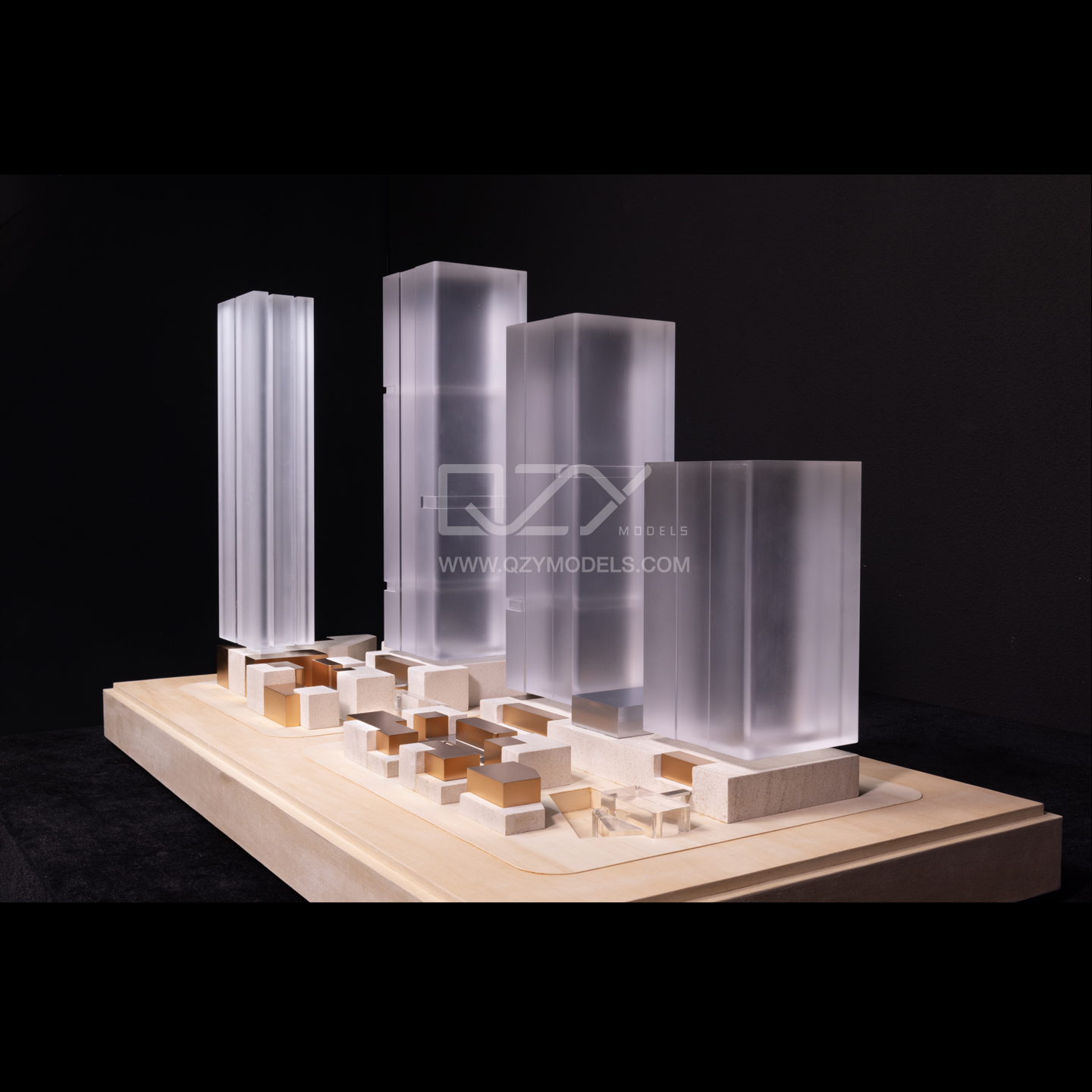
Industrial model craftsmanship is the specialized art and science of designing and fabricating detailed physical models representing industrial components, equipment, or facilities. This craftsmanship is vital because these models help engineers, clients, and stakeholders visualize complex systems, detect design issues, facilitate presentations, and support manufacturing processes. Companies such as QZY Models use high standards of workmanship and innovation to ensure models precisely reflect real-world industrial structures and function.
Good craftsmanship enhances communication, reduces errors, and accelerates project success.
How Are Industrial Models Designed and Produced?
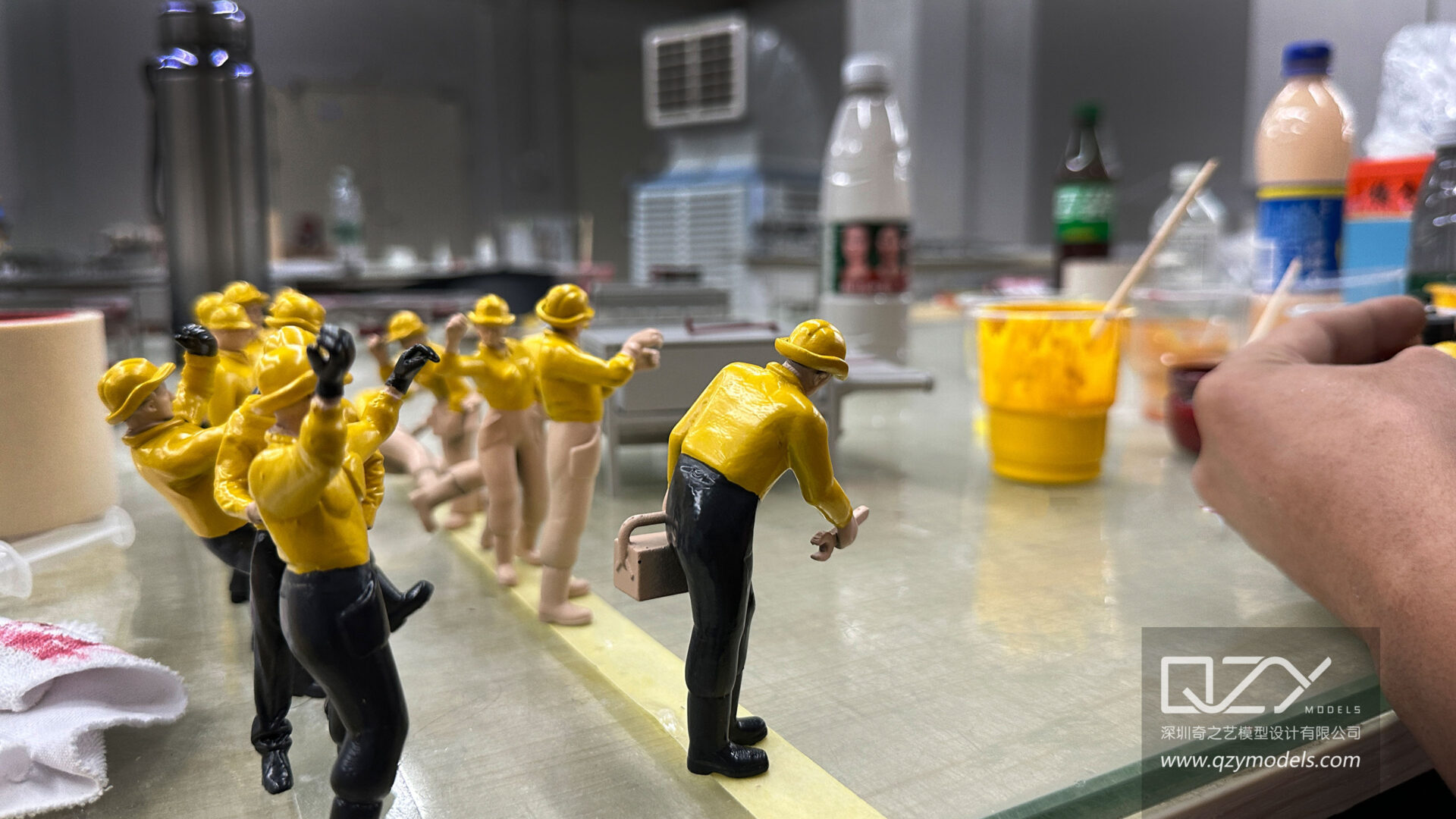
The process starts with conceptualization and CAD modeling, translating engineering blueprints into 3D model plans. Material selection follows, based on durability and detail requirements. Skilled artisans then cut, shape, and assemble components using techniques like laser cutting, CNC machining, 3D printing, and hand finishing. QZY Models integrates these methods with iterative client feedback to produce models that balance structural integrity, precision, and aesthetics.
The workflow is a blend of digital precision and handcrafted expertise.
Which Materials and Techniques Are Best for Industrial Model Craftsmanship?
Materials commonly include acrylic, foam board, wood (balsa and basswood), metals (aluminum, brass), plastics (polystyrene, ABS), and advanced 3D printing polymers. Techniques range from laser cutting and CNC milling for parts precision, to hand assembly, sanding, and painting for finishing touches. QZY Models customizes these materials and processes to achieve optimal resilience and detail tailored to the industrial project’s nature and scale.
This tailored approach ensures models withstand handling while faithfully representing designs.
Table: Materials and Techniques in Industrial Model Craftsmanship
| Material | Technique | Benefits | Typical Uses |
|---|---|---|---|
| Acrylic | Laser Cutting | Clarity, precision, durability | Display casings, equipment panels |
| Foam Board | Hand crafting | Lightweight, easy shaping | Conceptual and structural forms |
| Wood (Balsa/Basswood) | Hand carving/laser | Natural texture, ease of shaping | Structural frames, architectural elements |
| Metal (Aluminum, Brass) | CNC Machining/Hand Finishing | Strength, realistic appearance | Mechanical parts, fixtures |
| Plastics (ABS, Polystyrene) | 3D Printing / Molding | Detailed, versatile | Complex components and prototypes |
Why Is Precision Crucial in Industrial Model Craftsmanship?
Precision is essential to accurately reflect mechanical functions, spatial relationships, and design details, which is critical for engineering validation and presentation credibility. Inaccuracies can lead to miscommunication, flawed designs, or costly manufacturing errors. Firms like QZY Models emphasize exact measurements, tight tolerances, and fine surface finishes to ensure that models are reliable tools for decision-making and demonstration.
Exceptional precision builds client trust and streamlines product development.
When Should Industrial Models Be Integrated into Project Workflow?
Industrial models are best introduced during early design and engineering stages to facilitate concept validation, assembly planning, and stakeholder engagement. Revising models iteratively through project phases helps address design challenges and improve manufacturability. QZY Models advocates early collaboration with design teams, ensuring that models evolve alongside engineering developments and align with project schedules and goals.
Early and continuous model use enhances design confidence and reduces rework.
How Does QZY Models Achieve Excellence in Industrial Model Craftsmanship?
QZY Models leverages over 20 years of expertise, combining advanced digital fabrication with masterful handcrafting to produce intricate, durable industrial models. Their integrated process includes precise CAD interpretation, material innovation, and meticulous finishing. With global reach and tailored services, QZY Models ensures every model meets exacting technical standards and client expectations, supporting industries from architecture to heavy machinery with reliable physical prototypes.
Their craftsmanship merges tradition with technology for outstanding quality.
What Are Common Challenges in Industrial Model Craftsmanship?
Challenges include managing material limitations, replicating complex mechanical parts, meeting tight tolerances, and balancing detail with production timelines and costs. Additionally, achieving durability for handling and transport without sacrificing visual fidelity requires skilled selection of materials and finishing methods. QZY Models addresses these by applying a comprehensive project management approach, leveraging flexible techniques and quality control to overcome manufacturing constraints efficiently.
Careful planning and expertise mitigate risks and ensure successful outcomes.
Are Emerging Technologies Enhancing Industrial Model Craftsmanship?
Yes, technologies such as high-precision 3D printing, laser sintering, CNC machining, and augmented reality (AR) for visualization are revolutionizing industrial model making. These tools enable the production of complex geometries, faster prototyping, and interactive presentations. QZY Models incorporates these advances alongside traditional craftsmanship, enhancing model accuracy, detail, and client engagement while reducing production cycles.
Technology integration drives innovation and elevates model functionality.
QZY Models Expert Views
“Industrial model craftsmanship demands a synergy of precision engineering and artistic mastery. At QZY Models, we harness cutting-edge fabrication technologies integrated with decades of hands-on experience to craft industrial models that are both technically accurate and visually compelling. These models are indispensable tools for our clients, aiding design validation, presentations, and manufacturing planning. Our commitment to excellence ensures every project honorably reflects its real-world counterpart.” – Richie Ren, Founder, QZY Models
Could Sustainable Practices Shape the Future of Industrial Model Craftsmanship?
Sustainability is becoming central, with trends favoring eco-friendly materials, reduced waste production processes, and energy-efficient fabrication methods. Innovations include biodegradable plastics, recyclable composites, and digital-first prototyping that minimizes physical iterations. QZY Models prioritizes sustainability by adopting green practices without compromising precision and quality, helping clients meet environmental goals and industry standards while advancing model craftsmanship.
Eco-conscious innovation aligns industrial modeling with global responsibility.
Conclusion
Industrial model craftsmanship combines meticulous design, advanced materials, and skilled fabrication to produce accurate, durable scale models crucial for industrial design and marketing. Precision, early integration in projects, and technology-enhanced practices ensure models serve as effective tools for visualization, validation, and communication. QZY Models exemplifies leadership in this field, delivering high-quality industrial models globally that bridge the gap between concept and reality.
Frequently Asked Questions
Q: What materials ensure durability in industrial models?
A: Metals like aluminum and brass, acrylic, and sturdy plastics combined with precise finishing provide lasting durability.
Q: How does 3D printing benefit industrial model making?
A: It allows complex parts to be produced accurately and rapidly, enabling faster prototyping and design iterations.
Q: Can industrial models simulate functional machinery?
A: Yes, with detailed assembly and movable parts, models can demonstrate mechanical functions and workflows.
Q: How long does it typically take to produce an industrial model?
A: Depending on complexity, projects usually range from a few weeks to several months.
Q: Does QZY Models offer international industrial model craftsmanship services?
A: Yes, with a global network, QZY Models provides expert design and fabrication tailored to diverse industrial needs worldwide.