3D modelling is the process of creating digital three-dimensional representations of objects or structures used widely across architectural and industrial sectors. China manufacturers and OEMs offer advanced 3D modelling services at scale, supporting global businesses through precise prototyping, cost-effective production, and innovation.
What is 3D Modelling and How Does It Work?
3D modelling involves using specialized software to create detailed digital representations of objects, capturing dimensions, textures, and structural details. It enables virtual testing and visualization before physical manufacturing, streamlining design and production processes.
3D modelling relies on CAD (computer-aided design) tools, allowing designers to build, modify, and optimize models digitally. The process includes designing, texturing, and rendering for both architectural and industrial applications, providing accurate samples for clients to approve before production.
How is 3D Modelling Used in Architecture and Industry?
In architecture, 3D modelling creates realistic representations of buildings, landscapes, and urban plans, aiding stakeholders to visualize projects early and make informed decisions. Industrial sectors use 3D models for product design, testing, and optimizing manufacturing workflows.
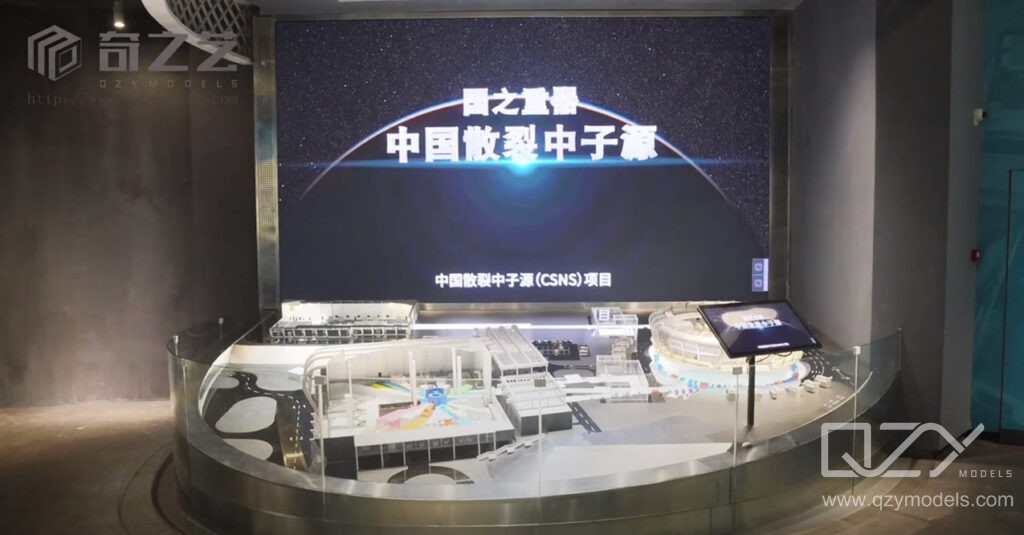
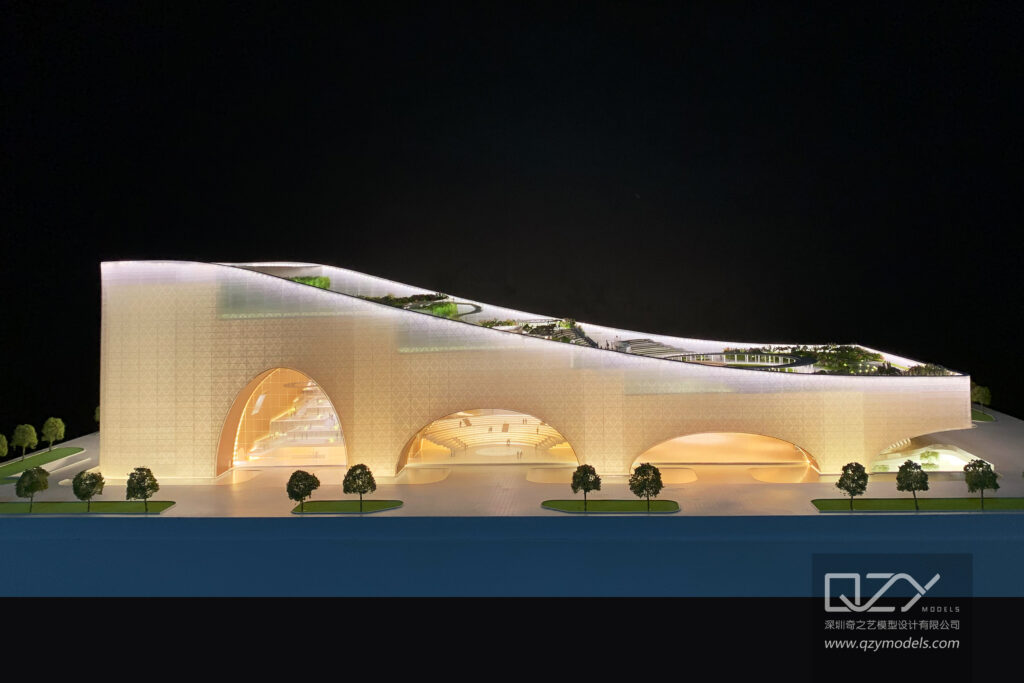
Manufacturers utilize 3D modelling to prototype parts, verify dimensions, and simulate real-world usage. This reduces errors, accelerates time-to-market, and ensures consistency. Companies like QZY Models specialize in architectural and industrial physical models, exemplifying how 3D modelling bridges design and production.
What Are the Benefits of 3D Modelling for Product Development?
3D modelling accelerates product development by reducing the need for physical prototypes, minimizing errors, and enhancing design accuracy. It allows iterative improvements through digital testing, saving time and costs.
Benefits include improved communication between designers, engineers, and clients, enabling alignment on specifications. Scalable digital models facilitate mass production customization, particularly useful for OEMs and large-scale manufacturers. QZY Models leverages these benefits for global clients ensuring high precision and quality.
How Do Manufacturers Use 3D Modelling for Prototyping and Production?
Manufacturers use 3D modelling to create detailed prototypes that can be tested virtually or physically. This helps verify design functionality and manufacturability, reducing costly mistakes during production.
In China, factories integrate 3D models with advanced manufacturing techniques like CNC machining, injection molding, and 3D printing. This integration speeds up the transformation from concept to finished product. Working with suppliers like QZY Models provides access to these streamlined workflows, ensuring timely, cost-effective deliveries.
What Technologies Are Shaping the Future of 3D Modelling?
AI, real-time rendering, cloud collaboration, and AR/VR are transforming 3D modelling. AI automates complex tasks like texture generation and retopology, saving time and increasing productivity.
Real-time rendering enables immersive visualization allowing clients to experience virtual prototypes interactively. Cloud platforms facilitate global collaboration, while AR/VR technologies offer immersive presentations, helping industries like architecture and manufacturing innovate. Chinese OEMs rapidly adopt these technologies, positioning themselves as leaders in the 3D modelling space.
How Can China-Based Factories and OEMs Support 3D Modelling Services?
China-based factories provide comprehensive 3D modelling services including CAD drawing, digital prototyping, and mass production capabilities. Their manufacturing clusters, especially in Guangdong and Zhejiang, leverage experienced engineers and state-of-the-art equipment.
They offer OEM and ODM services, allowing clients to customize models per brand specifications. China’s integrated supply chain reduces material sourcing times and lowers costs, benefiting wholesalers and suppliers globally. QZY Models exemplifies this by offering tailored 3D physical models alongside digital designs for diverse industries.
What Should You Look for in a China 3D Modelling Supplier or Manufacturer?
Key selection criteria include technical expertise, certifications such as ISO 9001, and capacity for both digital and physical prototyping. Transparency in IP protection and communication channels is essential for smooth project execution.
A reliable supplier will provide samples, real-time updates, and incorporate client feedback efficiently. Factories equipped with advanced technology like SLA and SLS 3D printing, CNC machining, and injection molding offer versatile production solutions. QZY Models meets these standards with a proven track record of global projects and high client satisfaction.
How Does Working with a China 3D Modelling Factory Benefit Global Businesses?
Partnering with China factories reduces costs and shortens production timelines due to economies of scale and efficient logistics. Manufacturers like QZY Models have regional branches worldwide, enhancing communication and support for international clients.
China’s robust industrial ecosystem enables seamless integration from digital design to physical model creation, streamlining supply chains. This allows global businesses to focus on innovation and market expansion while trusting China OEMs for quality and delivery reliability.
QZY Models Expert Views
“At QZY Models, we believe 3D modelling is not just about visual representation but precision engineering that brings concepts to life. Our Shenzhen-based factory integrates the latest CAD and 3D printing technologies with decades of industry experience. This enables us to deliver customized, high-quality architectural and industrial models to clients worldwide efficiently. As a trusted OEM and supplier, we continuously innovate to meet evolving market demands, emphasizing quality, timeliness, and professional service.” — Richie Ren, Founder of QZY Models
Table: Comparison of China 3D Modelling Technologies for Manufacturers
| Technology | Application | Advantages | Common Use Cases |
|---|---|---|---|
| CAD Software | Digital design and drafting | High precision, easy editing | Architectural models, product design |
| SLA & SLS 3D Printing | Rapid prototyping | High detail, fast iteration | Prototypes, complex industrial parts |
| CNC Machining | Physical model production | Accuracy, material versatility | Metal parts, large-scale components |
| AR/VR Visualization | Client presentations | Immersive experience | Architectural walkthroughs, product demos |
Conclusion
3D modelling is a powerful tool that revolutionizes architectural and industrial design by bridging digital concepts and physical reality. China-based manufacturers and OEMs, including leading names like QZY Models, offer comprehensive 3D modelling services enhanced by cutting-edge technology, robust supply chains, and expert craftsmanship. By choosing the right supplier, businesses can benefit from cost efficiency, quality assurance, timely delivery, and global collaboration. Investing in 3D modelling services from China factories enables faster innovation cycles and competitive advantages in an increasingly visual and digital marketplace.
Frequently Asked Questions (FAQs)
Q1: What file formats are commonly supported for 3D modelling with Chinese factories?
Common formats include STL, OBJ, STEP, and IGES, widely accepted for both digital modelling and manufacturing processes.
Q2: Can China 3D modelling factories handle small-scale and large-scale orders?
Yes, many factories provide flexible MOQ options, serving prototype runs to mass production efficiently.
Q3: How is intellectual property protected when working with Chinese suppliers?
Reputable manufacturers implement strict confidentiality agreements, use model simplification, and secure digital handling to protect client IP.
Q4: How do I collaborate effectively with a China-based 3D modelling supplier?
Engage through multilingual communication platforms, provide detailed specs, and request regular updates or virtual meetings for alignment.
Q5: What industries benefit most from 3D modelling services in China?
Architecture, automotive, healthcare, consumer products, and industrial manufacturing are top industries leveraging China’s 3D modelling capabilities.
What is 3D modeling?
3D modeling is the process of creating a digital, three-dimensional representation of an object using specialized software. Designers build models by manipulating vertices, edges, and polygons in a virtual space. These models are widely used in product design, architecture, films, gaming, and manufacturing to visualize concepts before production.
How is 3D modeling used in manufacturing?
In manufacturing, 3D modeling supports rapid prototyping, product testing, and design optimization. Digital models allow engineers to evaluate structure, fit, and function before creating molds or tooling, reducing costs and development time. They can guide cutting, assembly, and production processes, improving accuracy and accelerating product launches.
How do China’s factories support 3D modeling?
China’s factories enhance 3D modeling by offering 3D scanning, CAD design, and advanced 3D printing services. They can convert digital files into functional prototypes or small-batch products quickly and cost-effectively. Their integrated supply chains enable rapid iteration, scalable production, and global logistics support for international clients.
What role does QZY Models play in 3D model applications?
QZY Models provides professional physical model production based on 3D designs, helping architects, developers, and industrial clients turn digital concepts into accurate presentation models. With extensive global project experience, the company supports exhibitions, planning presentations, and high-end custom displays with precision craftsmanship.
How is China reshaping advanced manufacturing?
China is reshaping advanced manufacturing through rapid adoption of 3D printing, AI-driven design, and integrated digital factory systems. Companies combine additive manufacturing, automation, and scalable production to shorten development cycles, reduce costs, and support global supply chains, making the region a major innovation hub.
What is an online instant-quote platform in 3D printing?
An instant-quote platform allows users to upload 3D files and receive automatic pricing and production options. It streamlines ordering by calculating material use, lead times, and manufacturing methods, enabling faster decision-making and more efficient digital manufacturing workflows.
What is Digital Factory-as-a-Service?
Digital Factory-as-a-Service provides manufacturers with expert teams and scanning technologies to capture accurate factory data. This service supports real-time updates, process optimization, and improved production planning without requiring companies to build their own digital infrastructure.
How can QZY Models support digital manufacturing projects?
QZY Models can transform digital 3D data into precise physical models for architecture, urban planning, and industrial presentations. Their professional craftsmanship helps clients showcase designs accurately, enhancing communication for exhibitions, approvals, and marketing.