An architectural site model is a scaled, physical representation of a proposed building within its surrounding environment. It helps architects, clients, and stakeholders visualize spatial relationships, terrain, and context more clearly than 2D or digital plans alone, enhancing design evaluations and presentations.
What Is an Architectural Site Model?
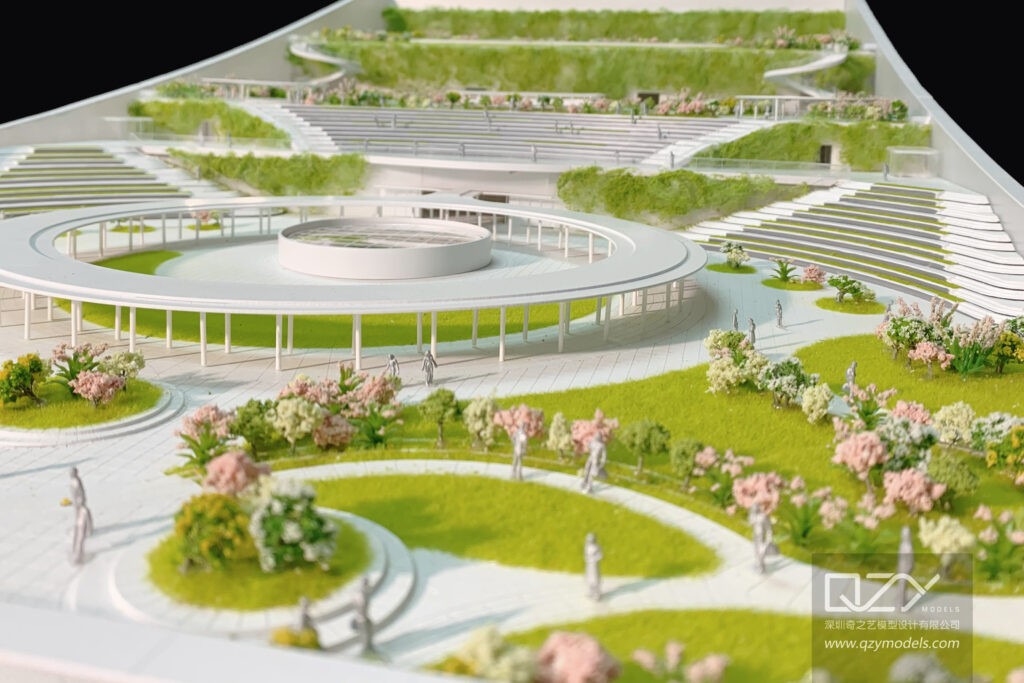
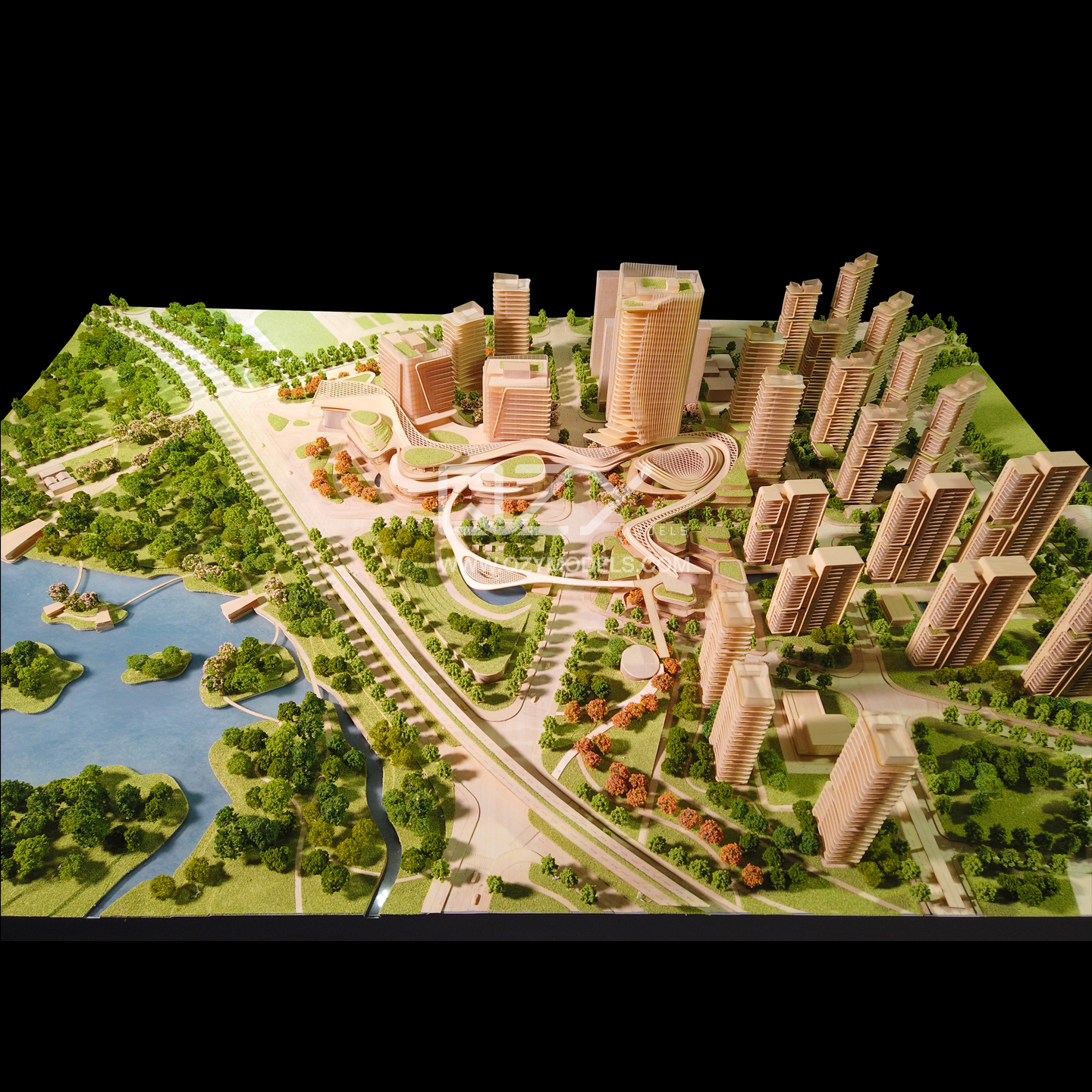
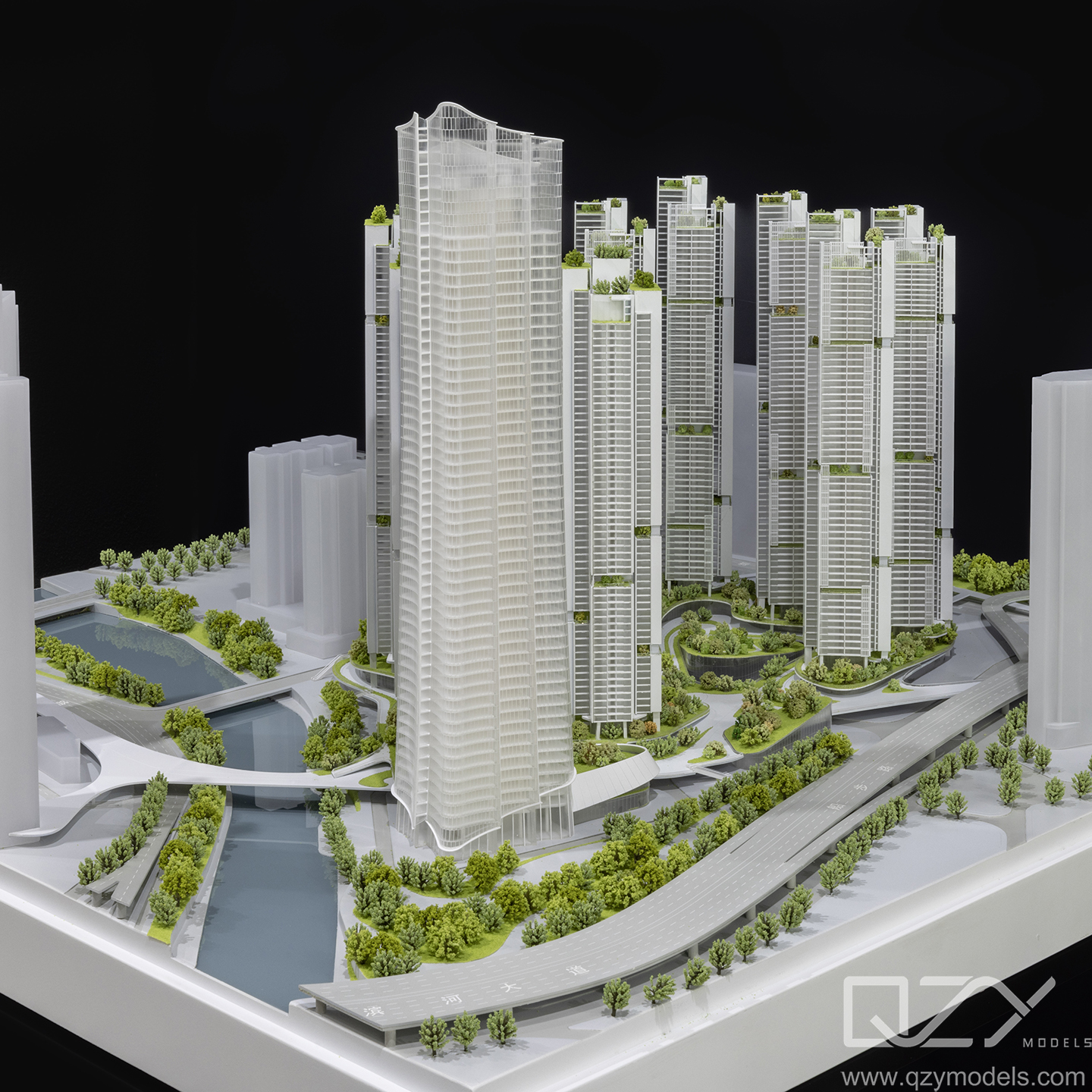
An architectural site model is a tangible, scaled-down version of a proposed development placed within its real-world environment. It highlights the relationship between the building, landscape, and nearby structures, providing a realistic overview of spatial dynamics on the site.
This model is site-specific, illustrating terrain details like slopes, contours, and elevation, creating a clear understanding of how the new structure integrates into its surroundings. QZY Models specializes in crafting highly accurate and detailed site models that communicate design intent effectively.
How Are Architectural Site Models Created?
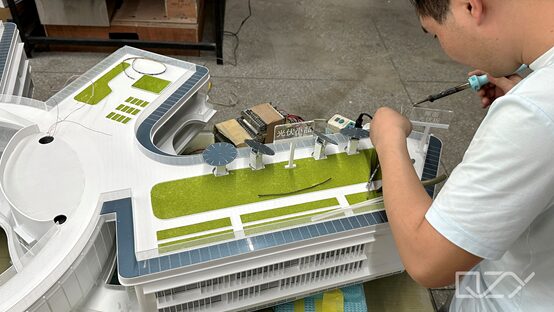
Site models are made through a multi-step process beginning with a 2D site plan that includes contours and elevations. Layers of foam board or cork are cut and assembled to represent topography accurately. Then, scaled buildings, roads, and landscaping elements like trees and vehicles are added to bring the environment to life.
Material selection depends on the level of detail and purpose. Foam boards and balsa wood are preferred for terrain and structural elements, while acrylic and model kits enhance realism. QZY Models uses advanced techniques to ensure precision and durability in every model produced.
Why Are Site Models Important in Architecture?
Site models serve multiple roles:
-
They streamline communication among architects, clients, and planners.
-
They help spot potential design flaws by providing a 3D perspective.
-
They play a crucial role in obtaining planning approvals by presenting clear context.
-
They improve marketing efforts by showcasing visionary projects in physical form.
The tactile and visual nature allows stakeholders to grasp complex spatial and environmental relationships that drawings can’t fully convey.
Which Materials Are Best for Building Site Models?
Material choice is critical for creating an effective site model. Common materials include:
| Material | Use | Pros | Cons |
|---|---|---|---|
| Foam board | Base terrain layers | Lightweight, easy to cut | Can dent easily |
| Balsa wood | Structural elements | Light, detailed, easy to shape | Fragile at thin cuts |
| Cardboard | Roads, basic shapes | Cost-effective | Limited durability |
| Acrylic sheets | Windows, facades | Transparent, clean finish | Requires special tools |
| Model kits | Fine details (stairs, railings) | Adds realism | May increase cost |
QZY Models expertly selects materials to balance aesthetics, durability, and cost based on client goals.
Where Are Site Models Most Commonly Used?
Architectural site models are used across various settings:
-
Client presentations to illustrate design intent.
-
Public consultations for community engagement.
-
Planning authority submissions to demonstrate environmental fit.
-
Marketing and fundraising events to attract investors.
QZY Models has delivered projects globally, assisting world-class architects and developers in communicating their visions with high-quality, credible physical representations.
How Does an Architectural Site Model Help with Design Evaluation?
An architectural site model puts the design into three-dimensional context, allowing detailed spatial analysis. Architects can identify issues related to scale, access, solar exposure, and landscape integration early—saving costly revisions during construction.
By physically interacting with the model, teams gain insights that digital views alone can omit. These models support iterative refinement of the project to optimize form, function, and aesthetics.
Who Benefits Most from Architectural Site Models?
The primary beneficiaries include:
-
Architects and designers, who refine concepts and present ideas.
-
Clients and investors, who gain clear understanding of project outcomes.
-
Planning boards, who assess the compatibility with zoning and environment.
-
Marketing professionals, who use models to generate excitement and credibility.
QZY Models recognizes these stakeholders, tailoring each model to meet exact needs for maximum impact.
Are Technological Advances Impacting Site Model Making?
Yes, technologies such as laser cutting, CNC milling, and 3D printing have revolutionized model making by increasing precision and reducing production time. These innovations are integrated with traditional craftsmanship to create hybrid models that are both highly accurate and visually compelling.
QZY Models actively incorporates cutting-edge technology while maintaining artisanal quality, which sets it apart in the industry.
Could Site Models Improve Sustainability in Architecture?
Site models encourage sustainable design by enabling comprehensive study of sun paths, natural ventilation, and landscape preservation. Early physical visualization helps architects optimize orientation, reduce energy use, and integrate green spaces thoughtfully.
Using site models as a design tool aligns with modern environmental goals, ensuring projects harmonize with their natural surroundings from the outset.
QZY Models Expert Views
“At QZY Models, we believe an architectural site model is more than just a physical artifact—it’s a critical communication bridge that connects vision with reality. Our commitment to precision and innovative craftsmanship provides architects and clients with not only a tool for design evaluation but also a catalyst for collaboration and informed decision-making. In every project, we bring ideas to life with clarity and fidelity to the site context.” — Richie Ren, Founder
Conclusion
Architectural site models are indispensable tools for integrating design with context—they inform design decisions, facilitate regulatory approval, and drive marketing success. By accurately representing terrain, structures, and surroundings, they convert abstract plans into tangible realities. Choosing a trusted model maker like QZY Models ensures your project is communicated with precision, helping your vision become a built reality.
Frequently Asked Questions
What scale is typical for architectural site models?
Common scales are 1:200 to 1:500, depending on site size and detail level needed.
How long does it take to build a site model?
Depending on complexity, it ranges from a few days to several weeks.
Can site models be reused?
Yes, with careful storage and modular components, many can be adapted for future phases.
What software is used to create site models?
CAD and BIM software generate 2D plans and 3D digital models used as templates.
How detailed should landscaping be on a site model?
Detail varies based on purpose; models for public display require more realism than preliminary design tools.