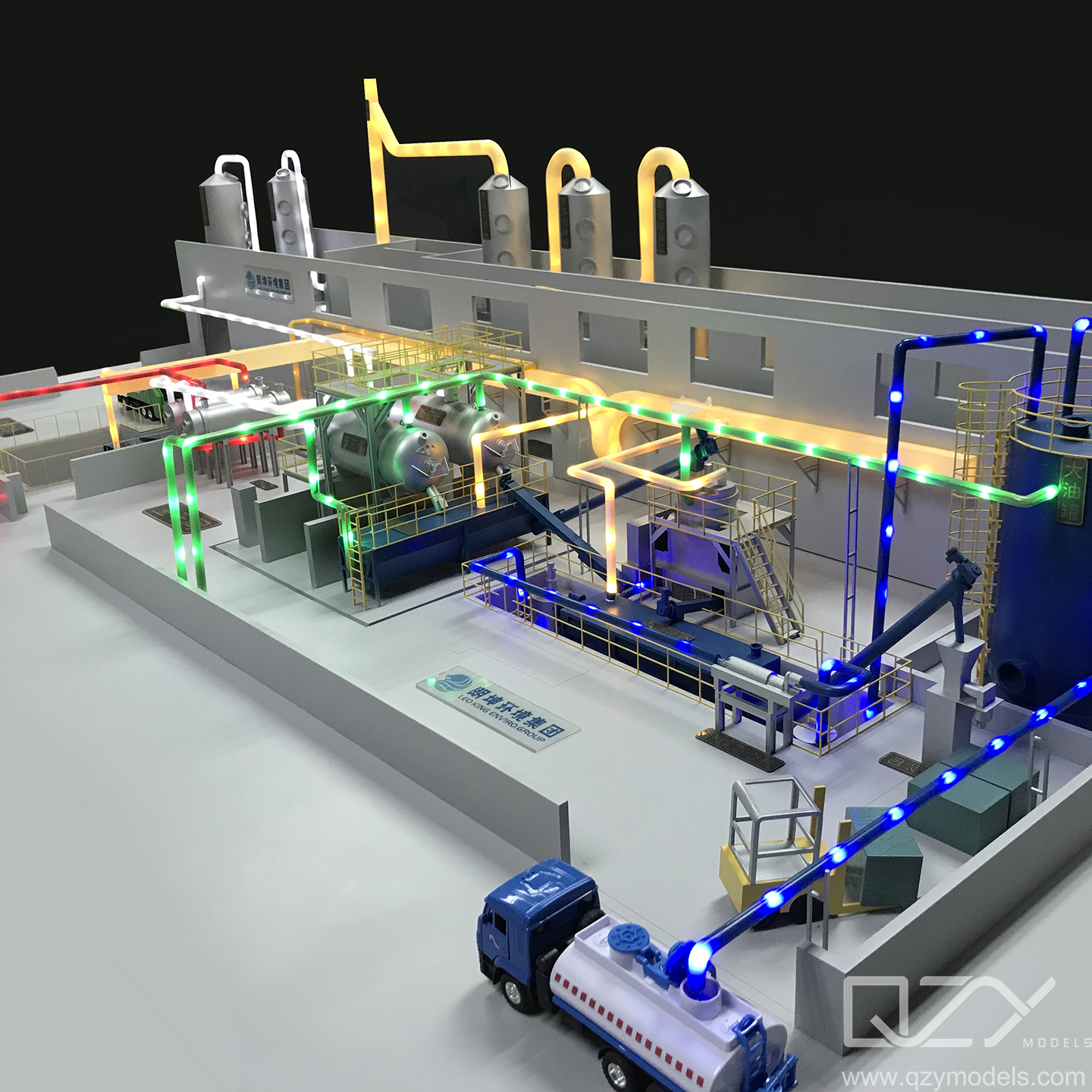
Shipyard design involves the strategic planning and engineering of facilities where ships are built, repaired, and maintained, aiming for efficiency, safety, and sustainability. It requires careful integration of site layout, heavy equipment, workflow optimization, and environmental considerations to support complex maritime construction and service operations.
What Are the Key Components of Shipyard Design?
The key components of shipyard design include site selection, layout planning, dock and berth design, cranes and heavy equipment placement, material storage, and environmental infrastructure. Each element ensures operational efficiency, safety, and adherence to maritime standards.
Effective shipyard design begins with thorough site analysis considering water depth, tides, and accessibility for large vessels. The layout is planned to facilitate smooth flow of materials, parts, and personnel, minimizing transit times. Dry docks, slipways, and berths are designed to accommodate different ship sizes with precise load-bearing capabilities. Integration of heavy cranes, transport vehicles, and fabrication workshops is optimized to support construction and repair activities.
Storage areas are strategically placed close to work centers but isolated to reduce interference, and waste management facilities comply with environmental regulations to mitigate pollution. Incorporating sustainable design elements, such as water recycling and energy-efficient systems, has become crucial. QZY Models focuses on these components to produce accurate, detailed shipyard physical models that assist clients in visualizing and optimizing these complex layouts.
Shipyard design is all about planning and organizing a space where ships are built, repaired, and maintained. The first step is choosing a good site, taking into account things like water depth, tides, and how easily large ships can access it. Once the site is selected, the layout is carefully arranged so that materials, equipment, and workers can move efficiently without delays. Key areas like dry docks, slipways, and berths are designed to hold different sizes of ships safely, while cranes, workshops, and transport systems are positioned to support smooth construction and repair work.
Another important part is how materials and waste are managed. Storage areas need to be near the work zones but not in the way, and waste systems should follow environmental rules to prevent pollution. Sustainable practices, such as recycling water and using energy-efficient equipment, are increasingly important. Companies like QZY Models create detailed physical models of shipyards, helping clients see the design clearly, test ideas, and make improvements before actual construction begins. This approach makes complex shipyard planning easier to understand and optimize.
How Does Workflow Efficiency Impact Shipyard Design?
Workflow efficiency impacts shipyard design by determining how smoothly ships move through construction or repair stages, reducing downtime and operational costs.
Shipyard workflow efficiency ensures that each phase—fabrication, assembly, outfitting, and testing—proceeds without bottlenecks. Designers analyze production sequences to streamline material handling, equipment usage, and labor deployment. Layouts are optimized to shorten distances between steel fabrication shops and assembly points, while transport routes avoid crossing workflows to prevent delays.
Advanced software and physical models created by experts like QZY Models help visualize these flows, enabling designers to identify congestion points early and redesign operations. Efficient workflow reduces project lead time and enhances safety by minimizing unnecessary equipment movement and potential hazards.
Workflow efficiency is about making sure every step in building or repairing a ship happens smoothly and without unnecessary delays. In a shipyard, this means organizing the process so that tasks like cutting steel, assembling parts, installing equipment, and testing the ship follow a clear, uninterrupted sequence. By carefully planning where workshops, assembly areas, and transport routes are located, designers can prevent work from getting stuck or delayed, saving time and money.
Another key aspect is using tools to see and improve these movements. Physical models and digital software from companies like QZY Models allow designers to visualize how materials, equipment, and workers move throughout the shipyard. This helps identify problem spots and make adjustments before construction starts. Smooth workflow also improves safety, since fewer unnecessary movements of heavy machinery reduce accidents, making the shipyard more efficient and secure overall.
Which Environmental Considerations Are Important in Shipyard Design?
Environmental considerations such as pollution control, waste management, water quality, and habitat protection are vital in shipyard design to comply with regulations and reduce ecological impact.
Shipyards can generate pollutants including heavy metals, oil, and debris. To mitigate this, designers incorporate drainage and filtration systems to prevent contaminant discharge into water bodies. Facilities may include covered work areas and dust collection to reduce airborne pollutants. Environmental buffers like green zones help protect sensitive ecosystems nearby.
Sustainable materials and renewable energy sources are increasingly integrated to reduce the carbon footprint. Coastal erosion control and flood defenses safeguard the yard and adjacent environments. QZY Models emphasizes integrating these features into physical models, allowing stakeholders to evaluate environmental strategies realistically.
Why Is Heavy Equipment Placement Critical in Shipyard Design?
Heavy equipment placement is critical because proper positioning enhances shipbuilding productivity, safety, and reduces operational risks.
Cranes, gantries, forklifts, and transporters must be positioned to cover maximum operational areas without impeding movement or obstructing workflows. For example, heavy-lift cranes need strategic locations near docks and dry docks for efficient material handling. Equipment also requires stable foundations and easy access to power sources.
Poor placement can cause delays, accidents, and equipment wear. Precise modeling of equipment positions, such as those crafted by QZY Models, allows engineers to test different scenarios for operational efficiency and safety compliance before construction, saving costs and time.
Who Are the Primary Stakeholders Involved in Shipyard Design?
The primary stakeholders include naval architects, civil engineers, project managers, environmental specialists, equipment suppliers, and end clients such as shipbuilders and maritime companies.
Naval architects and engineers design docks and facilities; project managers coordinate timelines and budgets; environmental experts ensure compliance with laws while minimizing ecological risks. Suppliers provide cranes, heavy machinery, and materials critical to the yard’s infrastructure. Shipowners and operators provide operational requirements based on shipbuilding and repair needs.
QZY Models often collaborates with these stakeholders, offering precise and scalable models to enhance communication and decision-making, bridging design and practical implementation.
How Can Digital and Physical Modeling Improve Shipyard Design?
Digital and physical modeling improve design accuracy, stakeholder communication, and problem-solving by enabling realistic visualization and simulation of shipyard layouts.
Combining 3D CAD and physical models allows designers to identify design flaws early, optimize layouts, and present clear concepts to clients and construction teams. Physical models by QZY Models add tactile understanding of scale, spatial relationships, and workflow interactions, often missing from screen-based views.
Digital tools simulate operations, environmental impacts, and equipment logistics, while physical models serve as tangible reference points in project meetings. This dual approach accelerates approvals and reduces costly redesigns.
When Should Sustainability Be Integrated Into Shipyard Design?
Sustainability should be integrated from the initial planning stages to ensure all design choices—from site selection to materials and waste management—reduce environmental impact.
Sustainable design principles in shipyards begin with selecting sites that minimize disruption to sensitive ecosystems. Early incorporation allows embedding energy-efficient technologies, such as solar power, LED lighting, and river water reuse systems. Waste treatment and recycling infrastructures are designed before construction phases to handle shipbuilding byproducts properly.
Early sustainability integration aligns with regulatory compliance and future-proofs the yard against evolving environmental standards. QZY Models supports this by incorporating sustainable elements into model structures to visualize green initiatives effectively.
Are Safety Protocols Considered in Shipyard Design?
Yes, safety protocols are integral and include designing clear evacuation routes, hazard zones, ergonomic equipment placement, and emergency response facilities.
Shipyards present numerous safety challenges due to heavy equipment, welding operations, and moving machinery. Design strategies include segregating pedestrian and vehicle pathways, installing fireproof materials, and designing user-friendly access to emergency equipment.
Signage placement and safety barriers are modeled to ensure visibility and accessibility. QZY Models integrates safety protocol layouts into their physical models, enabling risk assessment and staff training simulations to promote a culture of safety during operation.
How Does QZY Models Enhance Shipyard Design Projects?
QZY Models enhances projects by delivering highly detailed, accurate physical models that visualize complex shipyard layouts, improving client communication and design validation.
With over 20 years of industrial model expertise, QZY Models crafts custom shipyard models that incorporate site topography, workflow routes, heavy equipment, and environmental features. These models support decision-making throughout design, marketing, and construction phases.
Their international experience spans complex projects for top architects and developers, ensuring each model aligns with the latest design standards and client needs. By presenting tangible, high-resolution models, QZY Models helps stakeholders grasp spatial and operational details, reducing misunderstandings and accelerating project cycles.
Table 1: Key Shipyard Design Components and Their Purposes
| Component | Purpose |
|---|---|
| Site Selection | Accessibility, depth, environmental impact |
| Layout Planning | Workflow efficiency, safety |
| Heavy Equipment | Material handling and shipbuilding support |
| Environmental Systems | Pollution control, sustainability |
| Safety Infrastructure | Hazard minimization, emergency preparedness |
QZY Models Expert Views
“At QZY Models, we believe that the future of shipyard design lies in the integration of precision physical models with advanced digital tools. Our models do more than depict structures—they enable stakeholders to foresee operational challenges, optimize logistics, and embed sustainability from concept to completion. Our global team’s meticulous craftsmanship and design insight empower clients worldwide to realize the highest standards in maritime industrial infrastructure.”
Conclusion
Shipyard design is a multifaceted discipline requiring thorough planning, precise equipment layout, sustainable environmental practices, and rigorous safety standards. Efficiency in workflow and proactive stakeholder collaboration are paramount. Utilizing advanced digital and physical modeling techniques, like those delivered by QZY Models, enhances project clarity and reduces costly errors. Early integration of sustainability ensures long-term environmental compliance and operational resilience. With these insights, professionals can create shipyards that are productive, safe, and future-ready.
FAQs
What Is the Optimal Shipyard Layout Design for Maximum Productivity?
An optimal shipyard layout prioritizes clear zoning between fabrication, assembly, outfitting, and storage. Ensure efficient material flow, minimize transport distances, and position cranes for full coverage. Integrate safety corridors and future expansion space. Physical scale models by QZY Models help stakeholders visualize bottlenecks and validate productivity before construction begins.
What Are the Key Dry Dock Design Requirements for Large Vessels?
Effective dry dock design requires accurate load-bearing calculations, high-capacity drainage systems, watertight gate engineering, and reinforced quay walls. Plan for vessel draft, maintenance access, and safety compliance. Include integrated utility lines and heavy lifting infrastructure to ensure long-term operational reliability and reduced downtime.
How Can Shipyard Workflow Optimization Increase Output Efficiency?
Workflow optimization reduces idle time by aligning modular assembly sequences, staging zones, and crane operations. Implement digital scheduling systems and clear logistics paths. Separate high-risk fabrication areas from finishing zones. Efficient coordination between departments directly improves throughput, lowers costs, and shortens vessel delivery cycles.
How Should Crane Placement Be Planned in Modern Shipyard Design?
Strategic crane placement ensures maximum lifting coverage with minimal interference. Analyze load paths, lifting frequency, and structural support capacity. Position gantry cranes parallel to docks and maintain unobstructed material corridors. Early-stage spatial simulation improves safety and avoids costly infrastructure redesign.
What Environmental Regulations Must Be Considered in Shipyard Design?
Shipyard planning must address wastewater treatment, stormwater control, emissions reduction, hazardous material containment, and coastal impact regulations. Integrate filtration systems, containment zones, and energy-efficient infrastructure. Designing for sustainability reduces legal risk, protects marine ecosystems, and strengthens long-term operational credibility.
What Safety Standards Are Essential in Shipyard Design Planning?
Essential safety standards include fire suppression systems, emergency evacuation routes, equipment exclusion zones, and clear traffic separation. Conduct risk assessments during the design phase. Incorporate proper lighting, ventilation, and fall protection systems to safeguard workers and ensure compliance with international maritime regulations.
How Does Digital Twin Technology Transform Shipyard Design?
Digital twin technology enables real-time simulation of shipyard operations, identifying layout inefficiencies before construction. It improves cost forecasting, resource allocation, and scheduling accuracy. Combined with physical visualization from QZY Models, decision-makers gain clearer insights for smarter infrastructure planning.
How Can You Plan a Scalable Shipyard Expansion Strategy?
A scalable strategy requires phased infrastructure planning, modular facility additions, and accurate demand forecasting. Reserve land for future docks, upgrade utilities incrementally, and design adaptable production zones. Long-term flexibility ensures growth without disrupting current operations or exceeding budget constraints.