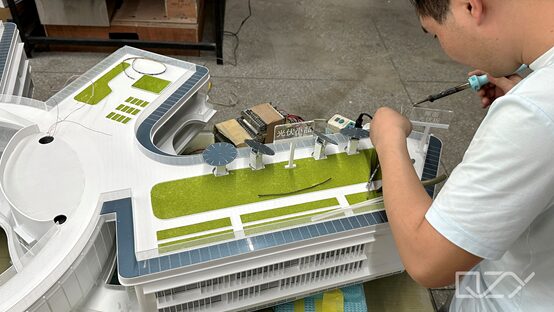
Medical device miniature model making involves crafting precise, small-scale physical replicas of medical devices or anatomical structures. These models are essential for medical education, surgical planning, product design validation, and marketing, allowing professionals to study, test, and demonstrate devices with high accuracy and realism, improving clinical outcomes and innovation efficiency.
What Is Medical Device Models Miniature Models Making?
Medical device miniature model making refers to the creation of highly detailed, scaled-down replicas of medical devices or human anatomy. The process employs techniques such as 3D printing, CNC machining, and precision handcrafting to replicate shapes, textures, and functional aspects accurately. These models support product design evaluation, surgical simulations, and educational demonstrations, bridging the gap between conceptual designs and real-world applications.
The workflow typically starts with capturing medical imaging data or CAD designs. Advanced modeling software transforms this data into precise, printable models, which are then fabricated using materials that mimic the original device’s properties. These models enhance understanding of device functionality, improve development efficiency, and support clinical and educational objectives.
How Are Medical Device Miniature Models Created?
Medical device miniature models are produced through a combination of computer-aided design (CAD), 3D printing, and advanced fabrication techniques. Initially, medical imaging data such as CT or MRI scans or engineering CAD files are processed in specialized software. The resulting 3D model is then printed using materials that replicate the texture and rigidity of the original device.
Additional methods may include resin casting, CNC machining, or expert handcrafting to achieve high precision and functional replication. Quality control is integral to ensure dimensional accuracy and surface finish, producing reliable models for medical research, training, and device development.
Which Technologies Are Used in Medical Device Models Miniature Models Making?
The main technologies include:
-
3D Printing (SLA/SLS): Enables rapid prototyping with intricate detail.
-
CAD Software: Provides exact design control and modification flexibility.
-
Medical Imaging Tools: Converts anatomical scans into printable data.
-
Material Simulation Technologies: Mimic the properties of real medical devices.
-
CNC Machining: Used for high-precision parts and functional prototypes.
These technologies allow the creation of models with realistic texture, scale, and operational functionality, making them invaluable in surgical planning, device testing, and educational contexts.
Why Are Medical Device Miniature Models Important?
Miniature models of medical devices offer several benefits:
-
Facilitate visualization and evaluation before full-scale production.
-
Enable surgical planning and hands-on medical education.
-
Allow testing of safety, ergonomics, and device efficacy in a controlled, low-risk environment.
-
Improve communication among designers, surgeons, and patients.
-
Provide tangible prototypes for regulatory submissions.
These advantages reduce development costs, shorten design cycles, and enhance patient outcomes by providing accurate, real-world references.
Who Uses Medical Device Miniature Models?
Primary users include:
-
Medical Device Manufacturers: For prototyping, testing, and iterative design.
-
Hospitals and Surgical Teams: For pre-operative planning and training.
-
Academic and Research Institutions: To educate students and conduct studies.
-
Regulatory Authorities: For device evaluation and approval processes.
-
Marketing Teams: To demonstrate product features to clients and investors.
Accurate and high-quality miniature models are crucial for these stakeholders to validate concepts and make informed decisions.
When Is Medical Device Models Miniature Models Making Typically Used?
Miniature models are utilized throughout a device’s lifecycle:
-
During initial design and prototyping.
-
In pre-clinical testing for validation of function and safety.
-
In educational sessions for medical professionals.
-
For pre-surgical planning tailored to patient-specific anatomy.
-
At marketing events, exhibitions, or product launches.
Timely use ensures models contribute to efficiency, learning, and decision-making at every stage.
Where Are Medical Device Models Miniature Models Made?
Production often occurs in specialized model-making companies or in-house R&D labs of medical device firms. Leading hubs include China, Europe, and the USA, with QZY Models in Shenzhen recognized for precision and quality.
Facilities integrate cutting-edge 3D printing, CAD, and rigorous quality assurance, ensuring models meet global medical industry standards.
Does Medical Device Models Miniature Models Making Require Certification?
While miniature model making does not require direct medical certification, adherence to quality standards such as ISO 13485 for medical devices is recommended. Compliance ensures models are precise, reliable, and suitable for regulatory and clinical applications. QZY Models follows stringent quality control measures to guarantee accuracy, durability, and client confidence.
Can Medical Device Models Miniature Models Be Customized?
Yes. Customization is a key strength, offering models tailored to specific devices, patient anatomy, or design requirements. Options include:
-
Scale adjustments to match clinical needs.
-
Selection of materials for functional or visual fidelity.
-
Integration of interactive features for educational or planning purposes.
Custom models support unique clinical scenarios, enhancing surgical outcomes, training effectiveness, and product development precision.
QZY Models Expert Views
At QZY Models, our focus is on combining 3D printing, CAD precision, and material science to produce miniature medical models with unmatched accuracy. These models are essential tools for education, surgical planning, and device testing. With over 20 years of experience, our team bridges technical expertise and craftsmanship, providing clients worldwide with reliable and highly detailed models.” — Richie Ren, Founder of QZY Models
Medical Device Models Miniature Models Making: Key Technologies Comparison
| Technology | Advantages | Applications |
|---|---|---|
| 3D Printing (SLA/SLS) | High-detail reproduction, rapid prototyping | Anatomical replicas, device prototypes |
| CAD Design | Precision and easy modifications | Virtual modeling, design iterations |
| CNC Machining | Durable and high-accuracy parts | Functional device prototypes, metal components |
| Resin Casting | Smooth finish, cost-effective | Display models, visual demonstrations |
What Are the Benefits of Choosing QZY Models for Medical Device Miniature Models?
Selecting QZY Models ensures:
-
Professional craftsmanship with over 20 years of experience.
-
Integration of advanced technologies for detailed and precise models.
-
Global project management and client support.
-
Adherence to international quality and safety standards.
-
A portfolio featuring renowned architects, industrial, and medical clients.
QZY Models is a trusted partner for medical device companies seeking accurate, reliable, and visually compelling miniature models.
Conclusion
Medical device miniature models are indispensable for modern healthcare, offering precise replicas for education, surgical planning, and device validation. Leveraging technologies like 3D printing, CAD, and CNC machining, companies like QZY Models provide customizable, accurate, and functional models. Investing in high-quality miniature models enhances innovation, reduces risk, and improves clinical outcomes across the medical industry.
Frequently Asked Questions
What Is Medical Device Models Miniature Models Making and Why Does It Matter?
Medical device miniature model making is the precise fabrication of scaled physical replicas used for exhibitions, training, and investor presentations. It transforms complex equipment into clear visual tools that improve understanding and engagement. Companies like QZY Models apply industrial craftsmanship and advanced prototyping to deliver accurate, presentation ready models.
How Do Medical Device Miniature Prototype Development Services Work?
Miniature prototype development services start with CAD analysis, scale conversion, and material selection, followed by precision fabrication and surface detailing. The process ensures structural accuracy and visual realism. Professional teams optimize components for clarity and durability, making models suitable for regulatory meetings, exhibitions, and stakeholder demonstrations.
Why Use 3D Printing for Medical Device Miniature Models at Exhibitions?
3D printing for medical miniatures enables fast production, high detail accuracy, and complex geometry replication. It reduces lead time while maintaining sharp surface quality. For trade shows, printed models are lightweight, durable, and visually impactful, helping exhibitors clearly communicate innovation and attract qualified prospects.
How to Choose Custom Medical Equipment Scale Model Manufacturing?
Select a manufacturer with proven precision fabrication, strong portfolio experience, and global project capability. Evaluate detailing accuracy, material durability, and quality control standards. QZY Models, established in 2013 with international branches, demonstrates reliability through thousands of architectural and industrial model projects across 20+ countries.
Can Miniature Medical Device Models Improve Clinical Training Outcomes?
Yes. Miniature medical device models help trainees understand structure, workflow, and safety mechanisms before hands on operation. Scaled replicas simplify complex systems, supporting visual learning and retention. Durable materials and labeled components make them ideal for medical schools, technical institutions, and demonstration workshops.
What Are the Best Materials for Medical Device Miniature Model Fabrication?
The best materials include resin for fine detailing, ABS for durability, acrylic for transparent components, and composite materials for structural stability. Material selection depends on display purpose, transport needs, and required realism. Matching materials to application ensures longevity and professional presentation quality.
How Do Medical Device Miniature Models Boost Sales Presentations?
Medical device miniature models turn complex technology into tangible visual aids that increase engagement and credibility. Sales teams use them to simplify explanations, highlight key features, and build trust with hospital buyers or investors. Physical models create memorable interactions that accelerate high value decision making.
How to Select the Right OEM Medical Device Miniature Model Supplier?
Choose an OEM supplier with strict quality control, confidentiality protection, scalable production capacity, and international delivery experience. Review past projects and confirm precision standards. A professional team should provide end to end support from design optimization to final finishing, ensuring reliable long term collaboration.