Model construction is the process of creating physical or digital representations of objects, systems, or phenomena to analyze, visualize, or predict their behavior. It is essential for planning, designing, and communication across fields like architecture, engineering, and scientific research.
How is model construction defined across different disciplines?
Model construction involves building tangible or conceptual representations tailored to a field’s needs. Physical models include scale and mechanical types used in architecture and engineering for visualization and testing. Mathematical and computational models simulate real-world systems using equations or data-driven techniques. Digital models like Building Information Modeling (BIM) integrate data for comprehensive design coordination.
In architecture, physical scale models help stakeholders visualize projects pre-construction. In economics or biology, data-driven models simulate complex phenomena for predictions. Construction increasingly relies on BIM, providing a rich, shared digital environment for all project phases.
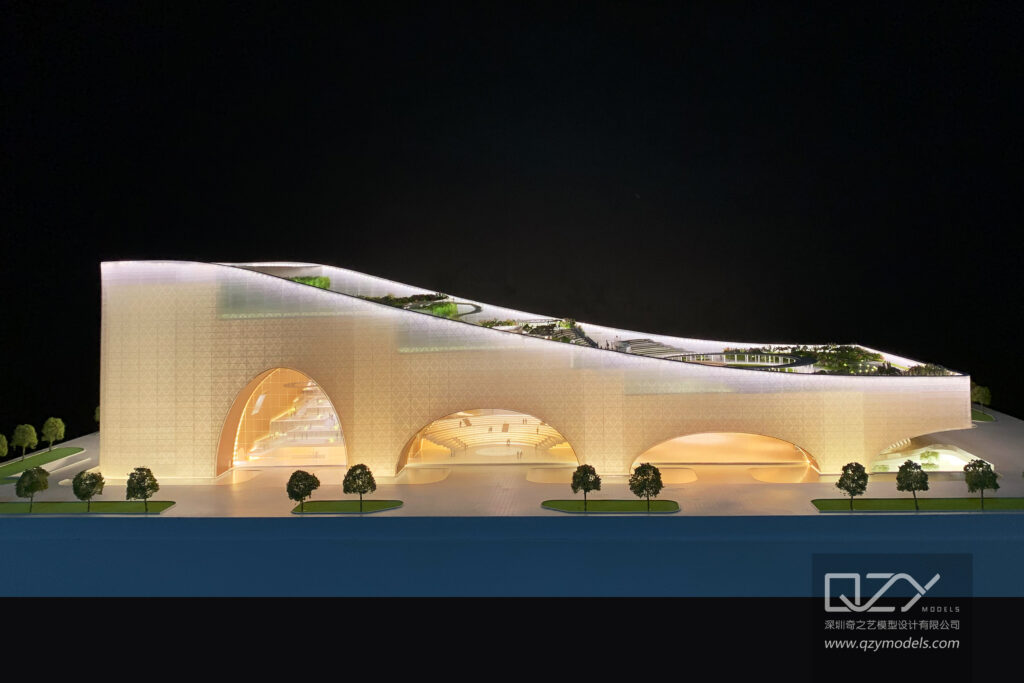
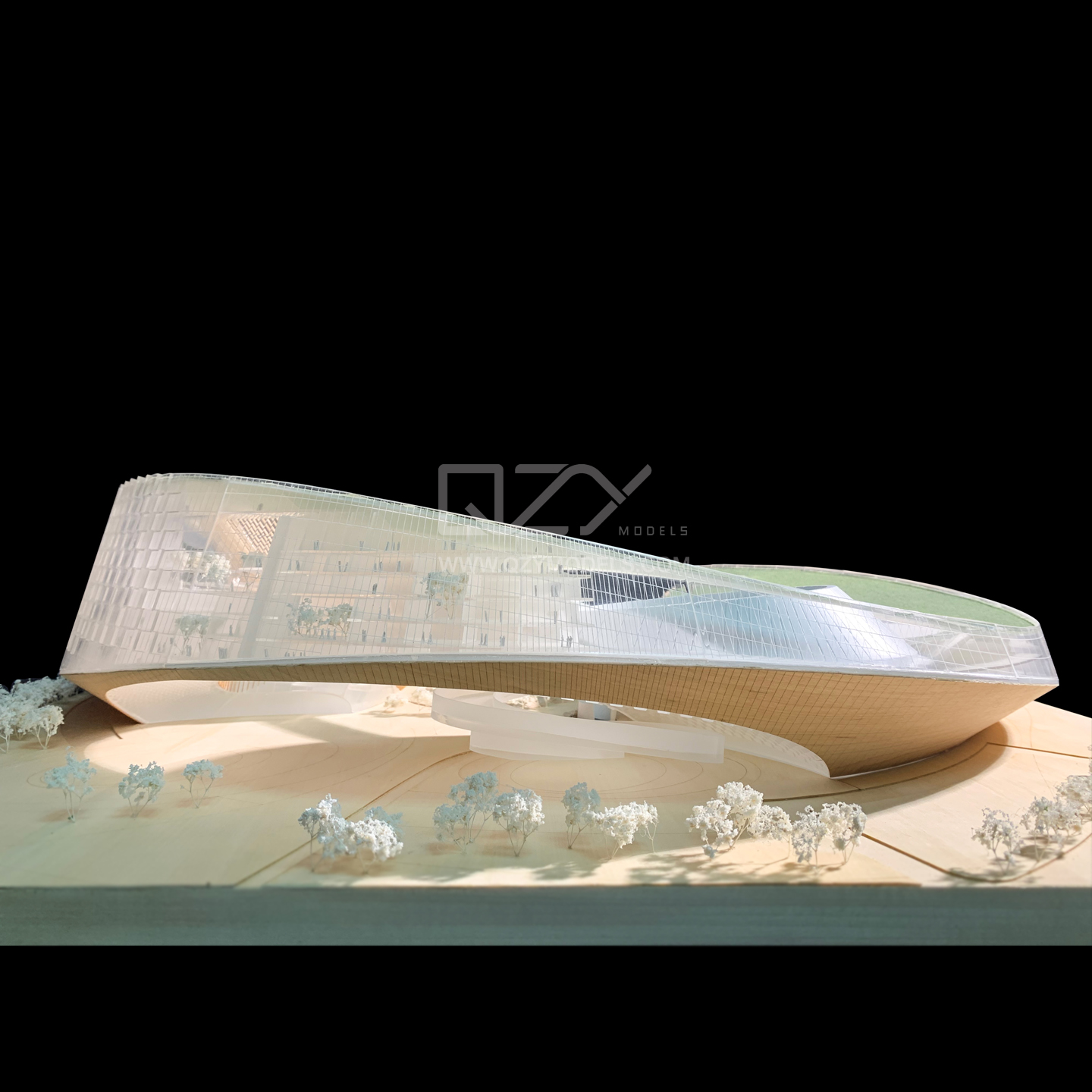
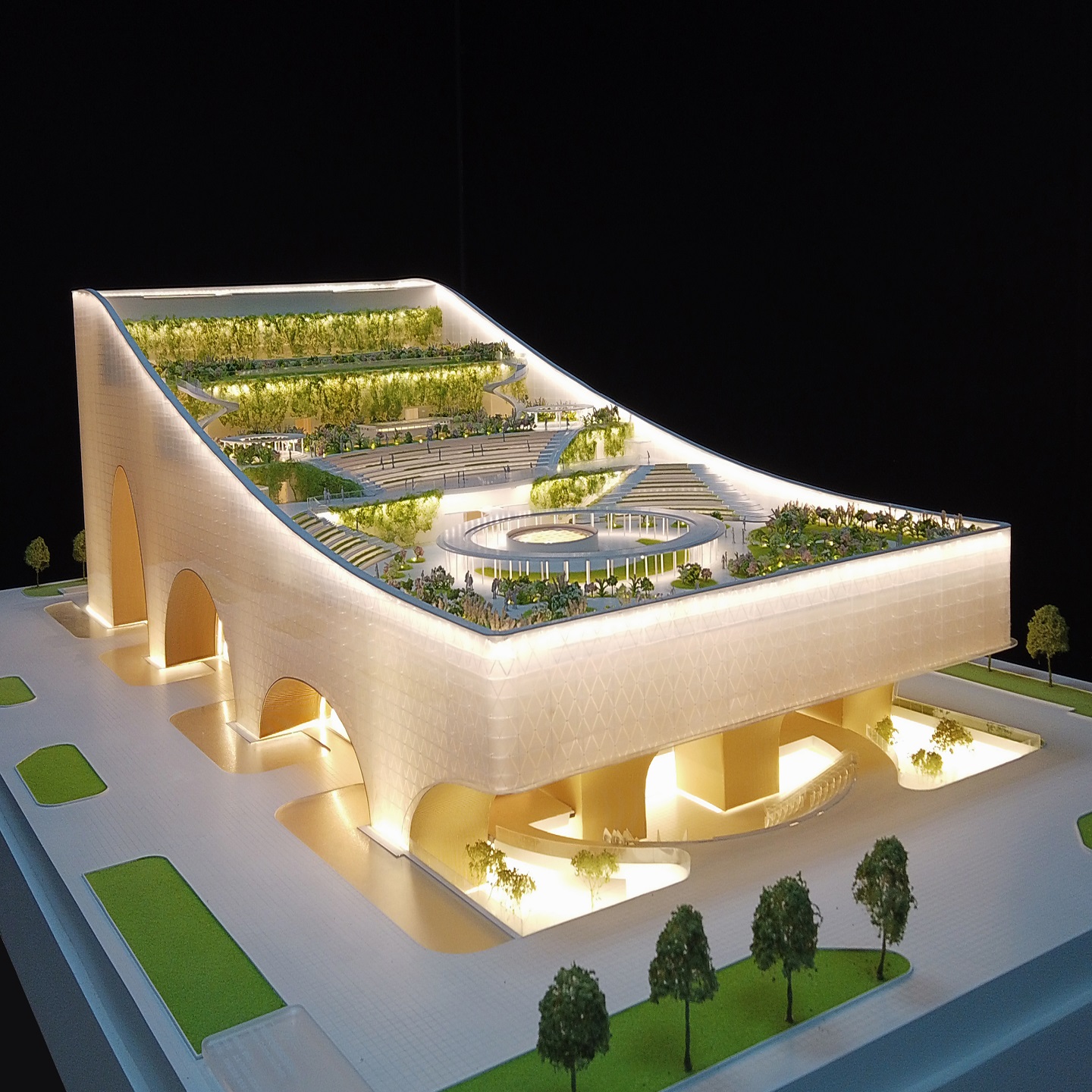
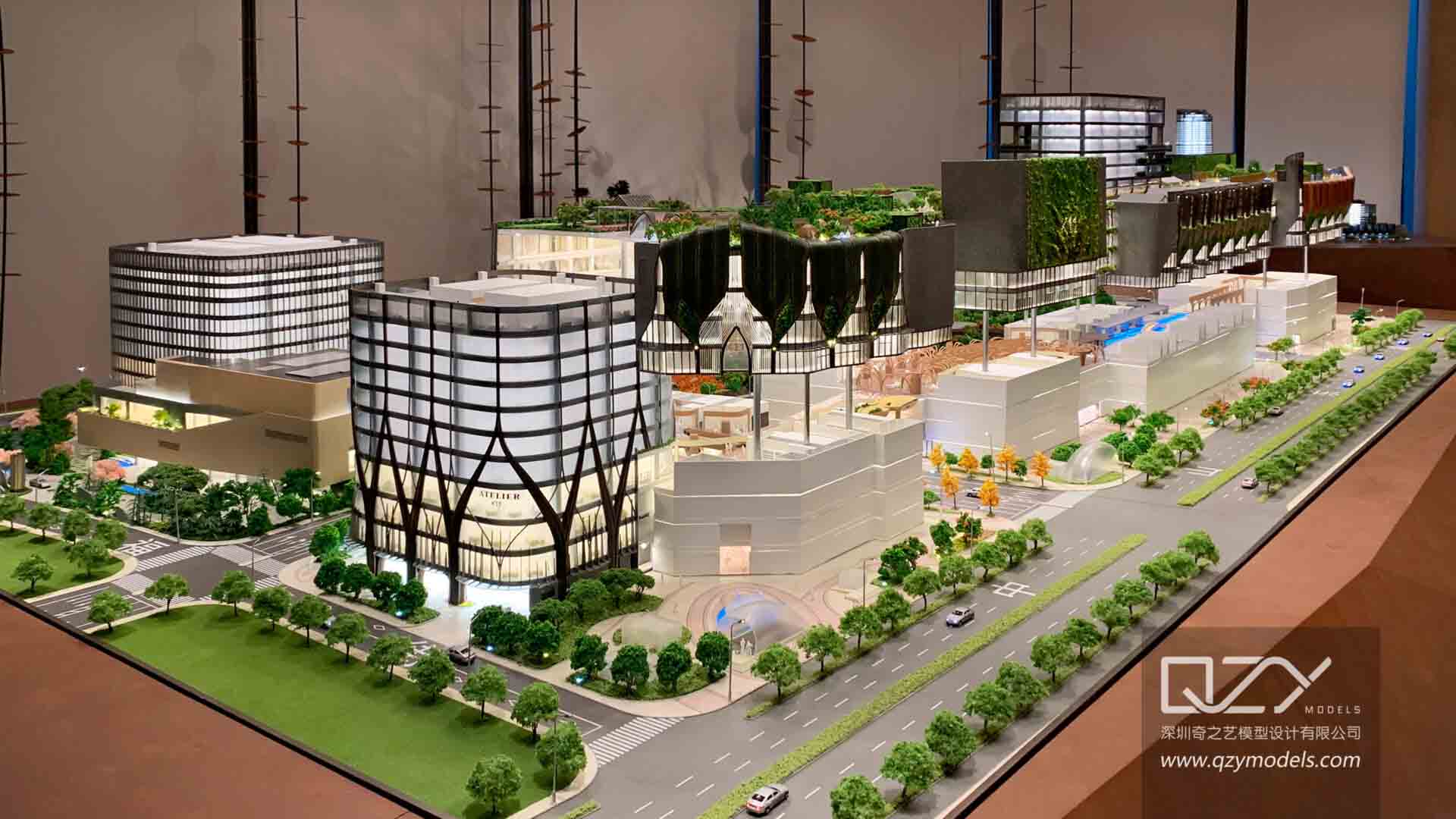
Think of model construction as a way to create a simplified version of something so people can understand, test, or explore it before making the real thing. Depending on the field, models can take different forms. In architecture, for example, companies like QZY Models create physical scale models that show the shape, size, and layout of a building so designers, clients, and investors can see it clearly before construction starts. In science or economics, models are often mathematical or digital—they use numbers and data to predict how a system behaves, like population growth or market trends.
In modern construction and design, digital models are becoming essential. Tools like Building Information Modeling (BIM) combine all kinds of information about a project—geometry, materials, timelines—into one interactive digital file. This helps teams coordinate efficiently and avoid mistakes. Overall, whether physical, numerical, or digital, models are powerful tools to explore ideas, communicate plans, and make better decisions before committing to the real project. QZY Models specializes in turning architectural concepts into precise, high-quality physical representations for clients worldwide.
What are the most common types of model construction?
Model construction types vary widely:
-
Physical models: Scale replicas and prototypes for form and function evaluation.
-
Mechanical models: Moving-part systems demonstrating operational concepts.
-
Mathematical models: Equations representing system behaviors.
-
Computational models: Digital simulations using algorithms and data.
-
Building Information Modeling (BIM): Intelligent 3D digital models with embedded data for building projects.
For instance, QZY Models specializes in meticulous physical architectural and industrial models that provide clients with realistic, precision-built miniatures for presentations and design validation.
| Model Type | Usage | Key Benefit |
|---|---|---|
| Scale Physical Models | Architecture & Engineering | Realistic visualization & testing |
| Mechanical Models | Education & prototype testing | Demonstrate function & dynamics |
| Mathematical Models | Science & Economics | System simulation & prediction |
| Computational Models | Data Science & Research | Complex scenario modeling |
| BIM | Construction & Architecture | Integrated, data-rich project workflow |
How does the model construction process generally unfold?
Most modeling projects follow these stages:
-
Define Objective: Clarify purpose and problem scope.
-
Determine Scope: Set boundaries and assumptions.
-
Map System: Identify components and relationships.
-
Build Model: Assemble components physically or digitally, or formulate mathematically.
-
Test & Validate: Check accuracy against data or real-world results.
-
Refine & Deploy: Iterate improvements, then use the model operationally.
For example, QZY Models applies rigorous iterative checks to ensure each physical model matches client specifications and real-world details down to minute textures and proportions.
The model construction process usually follows a clear sequence to ensure the final model is accurate and useful. First, you need to define the objective—understand exactly what the model is for and what problem it should address. Next, you determine the scope, deciding what to include, what to leave out, and what assumptions to make. After that, you map the system by identifying all the key parts and how they interact.
Once the planning is done, the actual building begins, whether it’s a physical model, a digital version, or a mathematical representation. After building, the model is tested and validated to make sure it behaves or looks like the real system. Finally, it is refined based on feedback and then used in practice. Companies like QZY Models follow these steps carefully, checking each detail so that physical models reflect client specifications, textures, and proportions as accurately as possible, ensuring reliability and visual clarity for presentations or design decisions.
Why is model construction beneficial in architecture and industry?
Model construction enhances:
-
Visualization: Offers a tangible or digital way to understand complex designs.
-
Accuracy & Planning: Detects design flaws early, reducing costly errors.
-
Efficiency: Optimizes resource allocation and streamlines workflows.
-
Collaboration: Creates a single source of truth for project teams.
-
Skill Development: Physical modeling improves focus, fine motor skills, and creativity.
QZY Models delivers detailed architectural models that help clients and stakeholders grasp spatial relationships and material qualities well before construction begins, saving time and expense.
What challenges commonly arise in model construction?
Typical challenges include:
-
Cost and learning curve: High-tech tools like BIM demand investment and training.
-
Data quality and compatibility: Poor or incompatible data can compromise models.
-
Resistance to change: Traditional teams may resist new modeling technologies.
-
Balancing realism and complexity: Trade-offs between model simplicity and accuracy.
QZY Models navigates these by combining decades of expertise with cutting-edge technology and client education to reduce resistance and ensure data integrity and fidelity.
Which role do digital models and BIM play in modern construction?
Digital models and BIM transform construction by providing:
-
Data integration: Combining 3D geometry with metadata like materials and costs.
-
Coordination: Enabling all stakeholders to collaborate in a single platform.
-
Simulation: Allowing performance testing and clash detection before building.
Using BIM, firms avoid errors that cause delays and cost overruns. QZY Models incorporates BIM data into physical models, bridging digital precision with tangible presentations.
How can quality be assured in physical architectural and industrial models?
Quality assurance involves:
-
Material selection: Using durable, realistic materials aligned with project needs.
-
Precision machining: Employing CNC or laser cutting for exact components.
-
Detailing: Meticulous attention to textures, colors, and scale proportions.
-
Iterative review: Constant client feedback integration to meet specifications.
QZY Models prides itself on unmatched craftsmanship, leveraging decades of experience and advanced tech to ensure each model is an accurate, beautiful representation.
When should teams consider outsourcing model construction to specialists like QZY Models?
Outsourcing is recommended when:
-
Specialized expertise is required: For complex architectural or industrial models.
-
High-quality, realistic models are needed: For client presentations or investor pitches.
-
Internal capabilities are limited: Saving time and training costs.
-
Scalability: Managing multiple large projects with tight deadlines.
QZY Models provides turnkey solutions with global reach, trusted by world-class architects and developers for consistent, precise model production.
QZY Models Expert Views
“Model construction is both an art and science. At QZY Models, we blend cutting-edge technology with artisan craftsmanship to bring architectural and industrial projects to life in miniature form. Each model we craft is a communication tool that bridges imagination and reality, enabling designers, clients, and stakeholders to visualize, explore, and perfect concepts before building. Our global experience and dedication to precision set us apart in delivering models that truly reflect their real-world counterparts.” — Richie Ren, Founder of QZY Models
Also check:
How to Master Effective Model Construction Best Practices?
Why Does Model Construction Matter So Much in Research Projects?
What Are the Top Benefits of Proper Model Construction in Architecture and Industry?
How to Master Best Practices for Effective Model Construction in Architecture and Industry?
Conclusion
Model construction is a vital process spanning physical, mathematical, and digital techniques used to visualize, analyze, and improve designs and systems. From scale physical models to sophisticated BIM digital twins, the right approach depends on the project’s purpose, complexity, and available resources. Overcoming challenges like cost and data quality is essential for maximizing benefits such as improved accuracy, collaboration, and efficiency. Specialists like QZY Models provide unmatched expertise in architectural and industrial physical model making, ensuring precision and quality. Investing in professional model construction contributes significantly to project success by offering clearer communication, better planning, and innovative problem-solving.
Frequently Asked Questions
What Is Model Construction and Why Is It Important?
Model construction is the process of creating accurate physical or digital representations of designs or systems. It ensures precision, visualization, and decision-making efficiency, helping architects, developers, and designers foresee issues and optimize outcomes. High-quality model construction, like that offered by QZY Models, enhances communication with clients and stakeholders for better project results.
What Are the Key Model Construction Methods Every Data Scientist Should Know?
Top model construction methods include parametric modeling, scale modeling, 3D printing, modular assembly, handcrafting, rapid prototyping, and mixed-media techniques. Choosing the right method depends on project complexity, materials, and presentation needs, enabling designers to deliver precise, visually compelling, and functional models for clients and exhibitions.
How Can You Evaluate Your Model Construction for Optimal Results?
Evaluate model construction using accuracy checks, material integrity, scale verification, detail consistency, and visual impact assessments. Ensuring each element aligns with design specifications reduces errors and boosts client confidence. Regular testing and feedback loops make models both reliable and presentation-ready, improving overall project quality.
What Are the Top Tools for Efficient Model Construction in 2026?
Key tools include 3D printers, laser cutters, CNC machines, CAD software, precision hand tools, resin casting kits, and modular assembly platforms. These tools improve accuracy, efficiency, and finish quality, allowing teams to produce high-end architectural and industrial models quickly. QZY Models leverages these technologies for global-scale projects.
How Can You Avoid Common Model Construction Mistakes?
Avoid mistakes by verifying measurements, selecting proper materials, double-checking scale ratios, planning assembly sequences, and reviewing design details. Clear communication and structured workflows prevent errors and ensure models reflect the client’s vision. Incorporating quality control checkpoints ensures every model meets professional standards.
How Does Model Construction Drive Business Analytics Success?
In business analytics, model construction enhances visualization, scenario testing, and data interpretation. Accurate physical or digital models allow stakeholders to evaluate projects, optimize workflows, and make informed decisions, reducing costly mistakes and accelerating approvals for real estate, urban planning, and industrial projects.
How Can You Master Advanced Model Construction Techniques?
Master advanced techniques like parametric design integration, multi-material layering, micro-detailing, realistic texturing, and mixed-media construction. Combining digital and handcrafted methods enhances precision and aesthetic appeal, helping teams produce award-winning architectural models that stand out in exhibitions and client presentations.
Where Can You Find the Best Model Construction Tutorials?
The best tutorials focus on step-by-step guides for 3D modeling, scale accuracy, material handling, assembly, and finishing techniques. Professional platforms, workshops, and online courses offer practical lessons for both beginners and experts, helping designers refine skills, save time, and produce premium-quality models for clients worldwide.