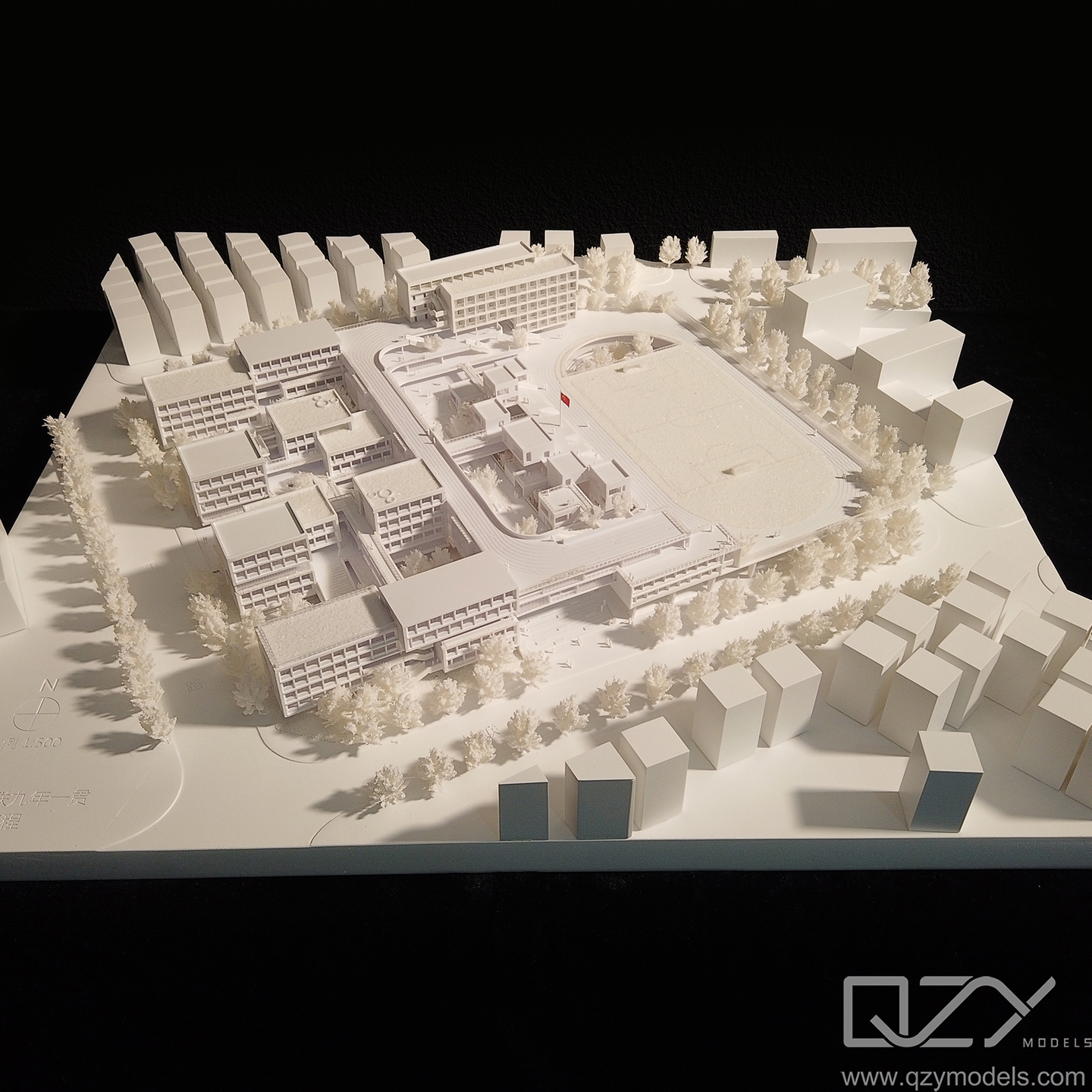
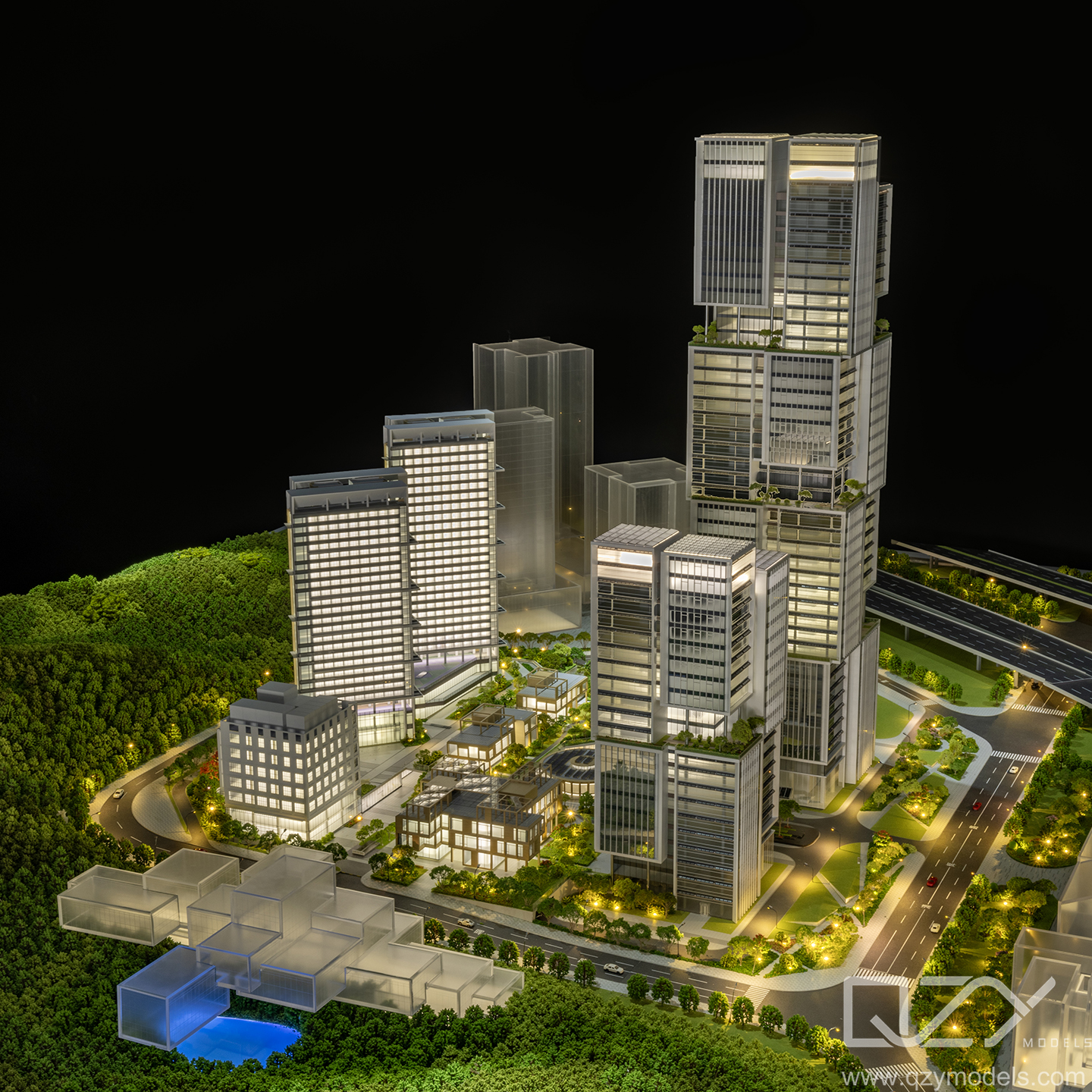
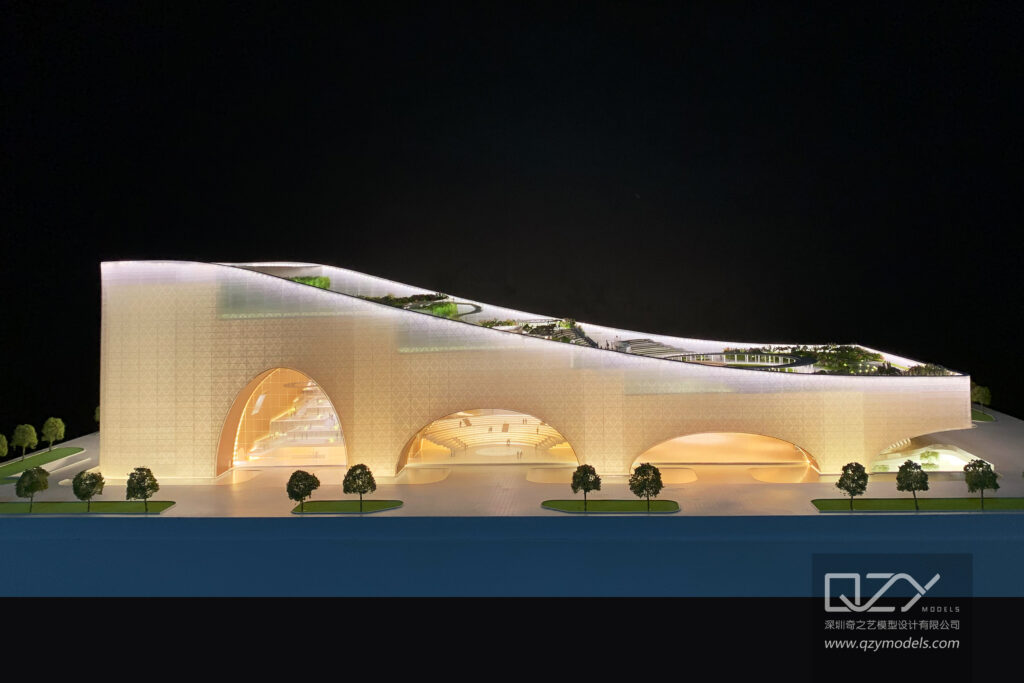
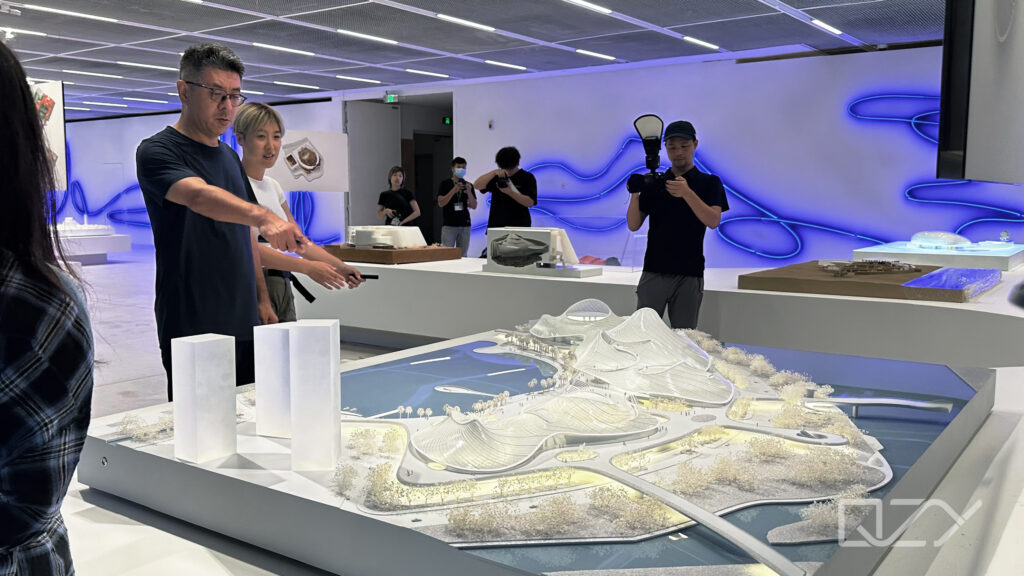
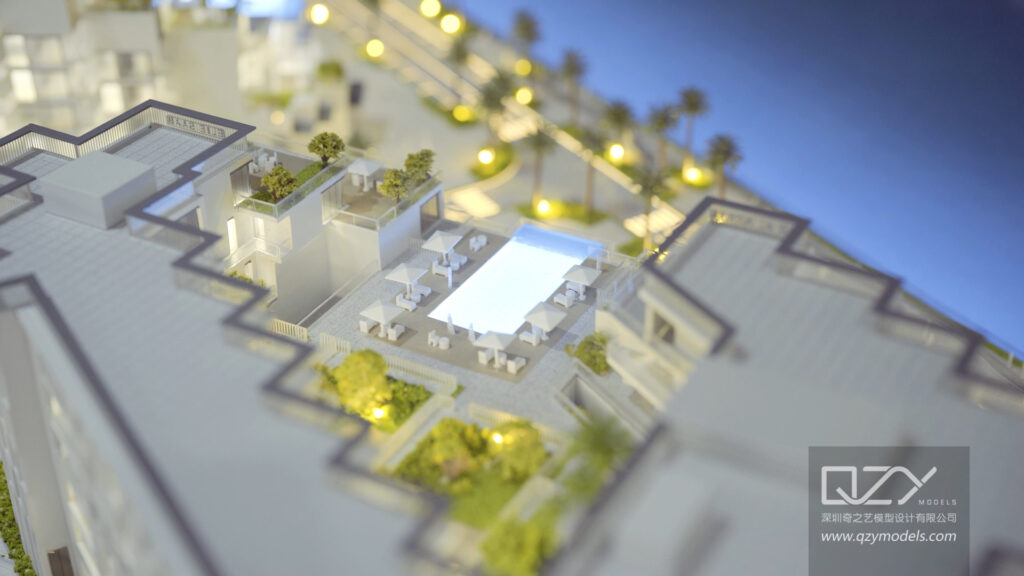
A scale model is a precise, proportional three-dimensional replica of a real-world object, structure, or environment, created at a specific ratio to maintain accurate dimensions and details. Widely used in architecture and industry, scale models help visualize designs, test concepts, and communicate ideas effectively before full-scale production or construction, bridging the gap between imagination and reality.
What Is a Scale Model and Why Is It Used?
A scale model represents an object or structure in a reduced or enlarged form while preserving geometric accuracy. It can range from architectural buildings to industrial machinery, created with materials like wood, acrylic, or 3D-printed resins.
Scale models provide tangible interaction with designs, making abstract concepts concrete. QZY Models excels in crafting these detailed replicas for architects, developers, and industrial clients worldwide. Professionals rely on scale models to evaluate spatial relationships, material choices, and design aesthetics that drawings or digital models alone cannot fully convey.
How Are Scale Models Constructed and What Materials Are Used?
Scale models are built using techniques such as laser cutting, CNC milling, 3D printing, and handcrafting. Common materials include foam board, wood, acrylic, plastic, and metals, chosen for their durability and suitability for the project’s level of detail.
Construction starts with accurate scaling of digital or hand-drawn designs, followed by prototyping, assembly, and finishing with textures, painting, and lighting. QZY Models combines precision craftsmanship with advanced technology, ensuring models withstand handling and transport while maintaining realism and accuracy for architectural, industrial, and urban projects.
Which Scales Are Commonly Used in Scale Models?
Typical scales vary by project type and desired detail:
| Scale Ratio | Typical Application | Detail Level |
|---|---|---|
| 1:500 | Urban master plans | Low (mass/volume) |
| 1:200 | Site context models | Medium (shapes) |
| 1:100 | Building exteriors | High (facades) |
| 1:50 | Interior spaces | Very High |
| 1:25 | Component details | Extreme |
QZY Models advises clients on selecting optimal scales to balance visibility, context, and presentation impact.
Why Are Scale Models Important in Architecture and Industry?
Scale models enhance design communication, facilitate early issue detection, support stakeholder approvals, and improve marketing through tangible representation. They reduce risks and costs by simulating real-world conditions physically.
In architecture, they clarify proportions, spatial flow, and material choices. In industry, they allow functional testing and ergonomic evaluation. QZY Models’ high-fidelity models provide intuitive understanding and visually compelling presentations, adding value to design, planning, and marketing processes.
Who Uses Scale Models and For What Purposes?
Architects, developers, urban planners, industrial designers, educators, and collectors utilize scale models for design validation, presentation, prototyping, marketing, and educational purposes.
QZY Models serves these diverse professionals with customized solutions, producing models for concept exploration, detailed presentations, and urban masterplans. They have supported global clients, including Foster + Partners, ensuring precision and effective communication across sectors.
When Should You Use a Scale Model in Project Development?
Scale models are most effective when integrated throughout project phases: early for concept testing, mid-phase for refinement, and late for presentation and marketing. Early involvement maximizes design insights and stakeholder engagement.
QZY Models emphasizes collaboration from concept to completion, ensuring timely delivery and leveraging models for creative exploration, problem-solving, and persuasive presentations.
Where Are Scale Models Applied Globally and How Do They Vary?
Scale models are used in design studios, sales centers, exhibitions, planning offices, and museums worldwide. Regional differences in scale, materials, and detail reflect cultural and regulatory preferences.
QZY Models operates in Shenzhen, UAE, Saudi Arabia, and Egypt, adapting models to local needs while maintaining consistent quality. Applications range from detailed interior studies in Europe to large urban masterplans in Asia, demonstrating versatility and global relevance.
How Has Technology Transformed Scale Model Creation?
Advances in 3D printing, CNC machining, and CAD software have increased precision, speed, and complexity in scale model production. Digital-to-physical workflows allow rapid iterations and integration with AR and VR experiences.
QZY Models leverages these technologies to create detailed, durable models efficiently, combining traditional craftsmanship with digital innovation to serve clients in over 20 countries.
What Future Trends Will Shape Scale Models?
Emerging trends include sustainable materials, AI-assisted design, interactive AR integration, and modular, reusable components. These innovations support eco-friendly, adaptable, and immersive modeling approaches.
QZY Models leads in adopting these trends, offering clients forward-thinking, high-quality models that meet evolving architectural and industrial requirements.
QZY Models Expert Views
“Scale models are more than miniatures—they convey vision, precision, and functional insight. At QZY Models, we combine over 20 years of experience with advanced technology to craft models that communicate ideas effectively and inspire confidence. Serving international architects and developers, our team ensures each model reflects accuracy, aesthetics, and practical utility, driving project success from concept to presentation.” — Richie Ren, Founder, QZY Models
Table: Scale Model Types and Applications
| Type | Key Features | Primary Users |
|---|---|---|
| Conceptual | Basic forms, quick build | Architects (early design) |
| Presentation | High detail, lighting | Developers (marketing) |
| Prototype | Functional parts, materials | Industrial designers |
| Urban Masterplan | Large scale, context | Planners/governments |
| Detail Study | Intricate sections | Engineers/consultants |
Conclusion
Scale models transform concepts into tangible, interactive representations, enabling better visualization, communication, and decision-making. Key takeaways: select appropriate scales early, integrate modern technologies, and collaborate with experienced model builders like QZY Models to elevate project quality. Investing in high-precision models enhances workflow efficiency, supports stakeholder engagement, and drives project success globally.
FAQs
Q: What differentiates physical scale models from digital ones?
Physical models allow hands-on interaction and material realism, complementing digital tools for complete project evaluation.
Q: How accurate must a scale model be?
Accuracy follows the selected scale ratio, often with tolerances under 1mm for professional-grade models.
Q: Can scale models simulate real-world conditions?
Yes, through appropriate materials, lighting, and functional components to mimic real-world effects.
Q: What is the cost range for custom scale models?
Costs vary by size and complexity, ranging from $1,000 for simple concepts to $50,000+ for detailed presentation models.
Q: Are scale models reusable across project phases?
Yes, modular and adaptable designs allow iterative updates and continued use throughout development.