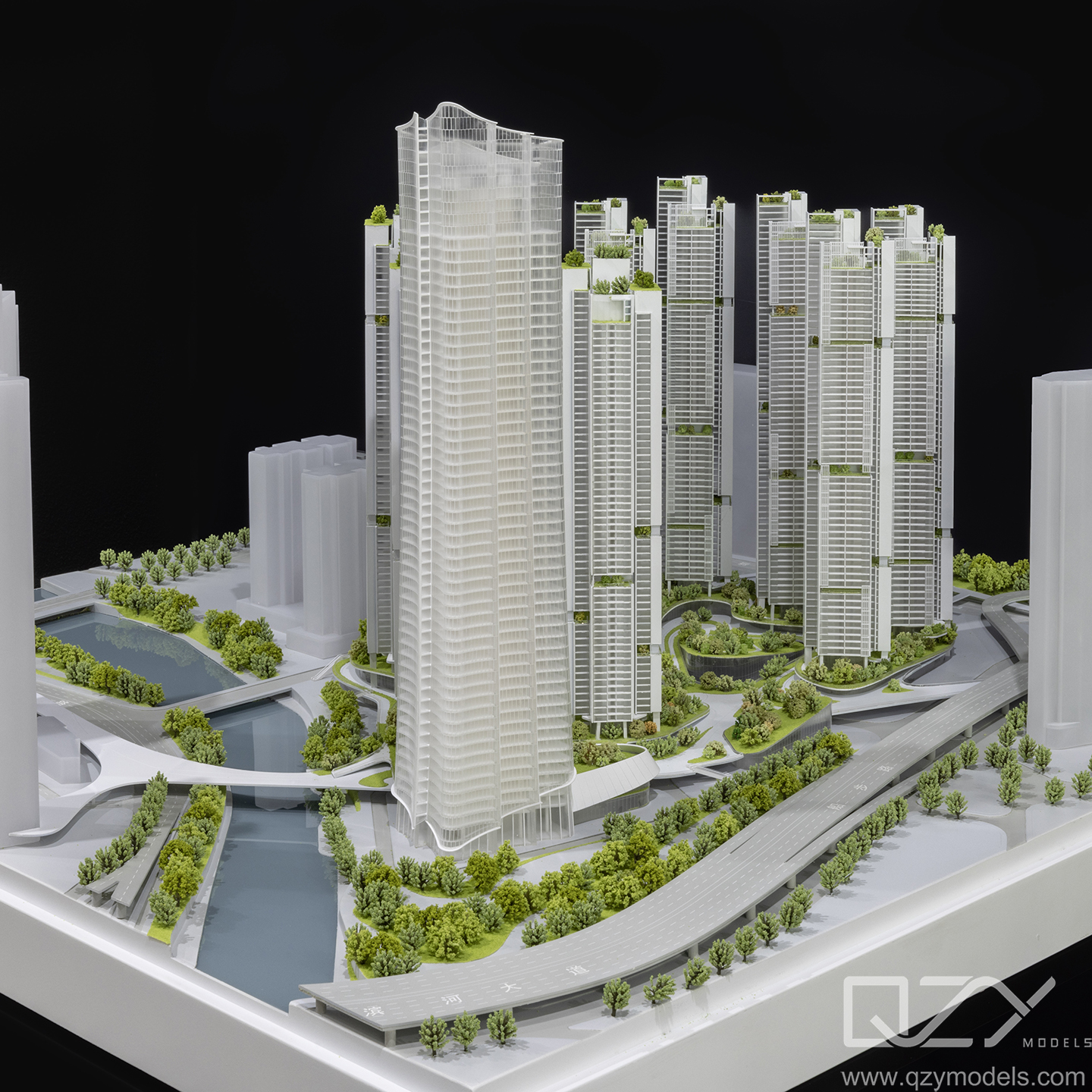
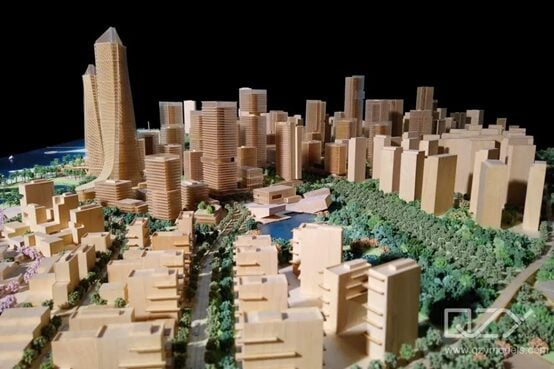
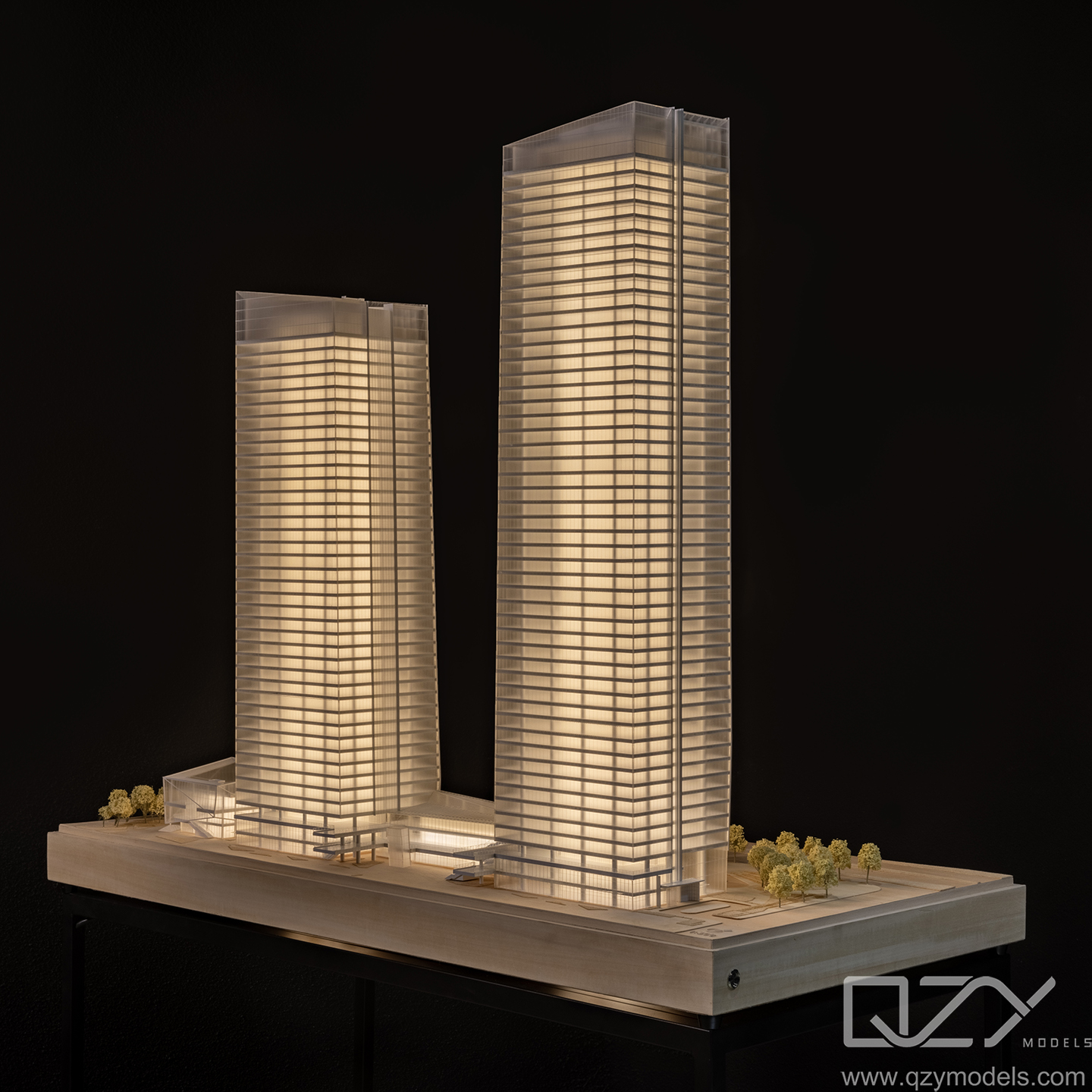
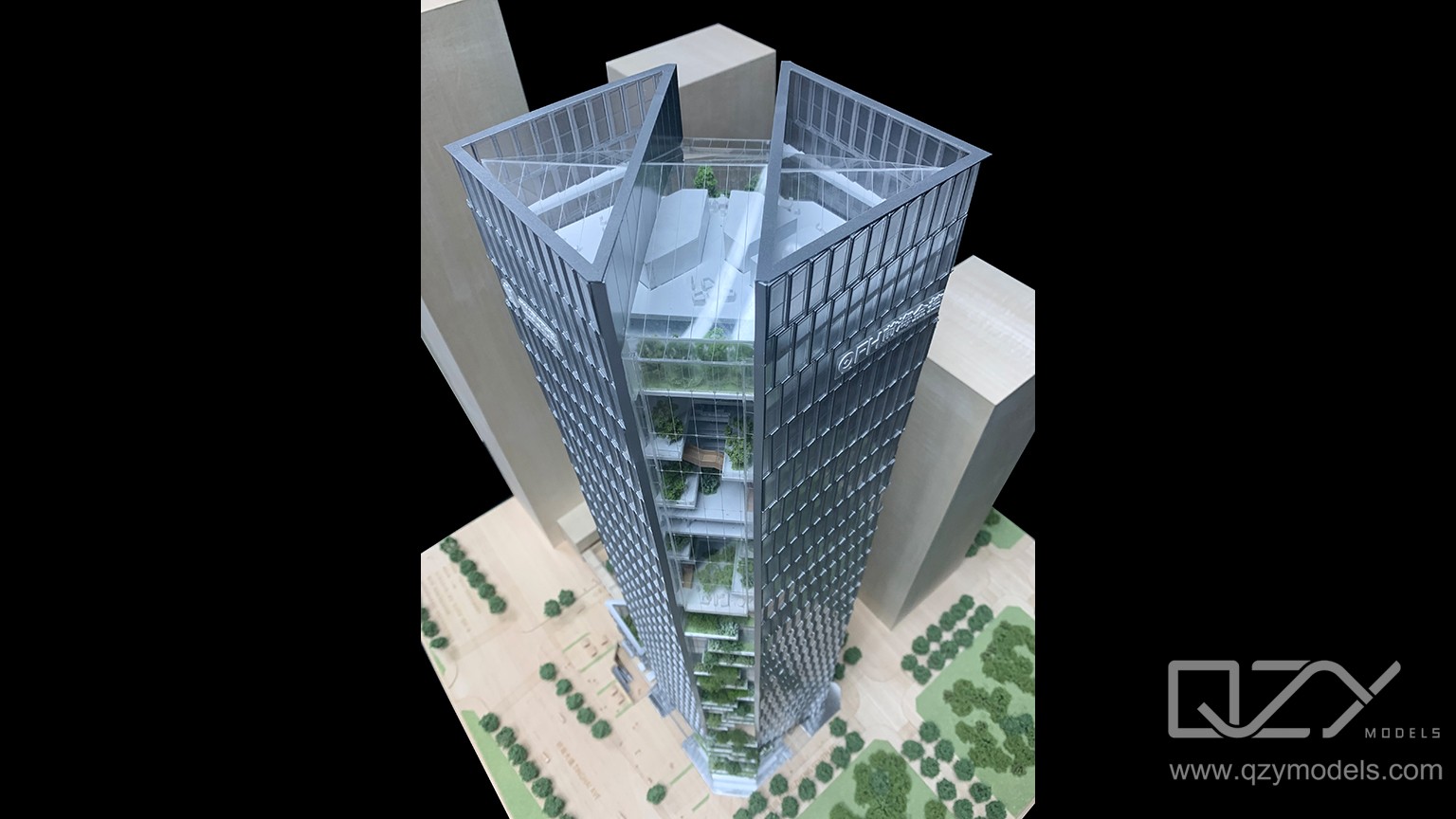
Architecture in landscape plays a crucial role in harmonizing built structures with the natural environment, creating functional, aesthetic, and sustainable outdoor spaces. This integration enhances usability, environmental value, and visual appeal in both urban and rural settings.
How does architecture influence landscape design?
Architecture shapes landscape design by integrating buildings, pathways, and structures with natural elements like plants, landforms, and water to create cohesive outdoor spaces. It defines spatial organization, guides movement, and enhances environmental quality, making landscapes more accessible and visually pleasing.
In China, manufacturers, suppliers, and OEM factories like QZY Models specialize in producing architectural physical models that showcase this integration for developers and architects, emphasizing precision and innovation in design presentations.
What are the key factors in blending architecture with landscape?
The key factors include site context, ecological considerations, cultural relevance, material selection, and functional requirements. Successful blending respects natural landforms and vegetation while complementing architectural features. This holistic approach creates sustainable, adaptable outdoor environments relevant for both residential and commercial developments.
QZY Models brings over 20 years of expertise in creating detailed architectural and industrial models that demonstrate these factors to clients worldwide, supporting design validation and marketing.
Which architectural elements are essential in landscape projects?
Essential elements include terraces, steps, pavements, walls, water features, pergolas, and seating areas integrated within green spaces. These elements connect built environments with nature, offering functionality and enhancing user experience through thoughtful spatial design.
Factories and wholesalers in China provide high-quality model components representing these architectural landscape elements, catering to OEM needs in the global market.
Why is sustainability important in architecture and landscape integration?
Sustainability ensures that landscapes and architecture minimize environmental impacts, conserve resources, and promote biodiversity. Integrating green roofs, rainwater management, native planting, and energy-efficient materials aligns the built environment with ecological goals, essential in modern development.
QZY Models incorporates sustainability concepts into their architectural physical models, reflecting client priorities in areas like China, UAE, and Saudi Arabia where eco-conscious design demand rises.
How can architectural models enhance landscape planning and communication?
Models provide tangible, scaled representations of master plans combining architecture and landscape. They enable stakeholders to visualize spatial relationships, design details, and environmental impact clearly, fostering informed decision-making and marketing effectiveness.
As a leading supplier and manufacturer, QZY Models specializes in customized models for architects and developers, enhancing project presentations across 20+ countries.
Who are the primary users of architecture in landscape model services in China?
The primary users are professional architects, real estate developers, urban planners, and landscape architects who seek precise models for project approvals, client communications, and promotional activities. Chinese manufacturers and OEM suppliers offer tailored physical model services meeting international standards.
QZY Models is recognized for collaborating with globally renowned clients like Foster + Partners, supporting complex architectural and landscape projects.
Where are architecture in landscape models most applied?
These models are applied in urban design, residential master planning, public parks, commercial developments, and industrial zones. They serve both design validation and stakeholder engagement purposes, demonstrating the spatial integration of architecture and surrounding landscape.
China-based wholesale factories and suppliers provide these models extensively, supporting export and global projects.
When should architecture and landscape design be integrated?
Integration should begin in the initial planning stage to ensure cohesive design that balances structural functionality with environmental harmony. Early collaboration between architects and landscape professionals leads to better outcomes in both aesthetics and sustainability.
Manufacturers like QZY Models provide early-stage model prototypes to facilitate joint design development and client presentations.
Does incorporating architecture in landscape improve real estate value?
Yes, well-integrated architecture and landscape designs can significantly enhance real estate value by improving visual appeal, usability, and environmental quality. Beautiful, sustainable outdoor spaces attract buyers and elevate brand perception for developers.
QZY Models helps developers showcase these value aspects through detailed physical models, aiding sales and marketing strategies internationally.
Has architecture in landscape evolved with technological advances?
Indeed, technologies like 3D printing, CAD, and BIM have revolutionized how architectural and landscape models are created and integrated. Chinese OEM factories utilize these advances to produce highly accurate, scalable, and customizable models efficiently.
QZY Models embraces cutting-edge technology to deliver models that meet precise client specifications and global market demands.
QZY Models Expert Views
“At QZY Models, we believe that architecture in landscape is fundamental to realizing environments that are not only visually inspiring but also functional and sustainable. Our two decades of expertise in model manufacturing enable us to translate complex designs into precise, tangible representations. This fosters stronger client engagement and facilitates seamless communication among stakeholders in China and globally. We continuously innovate our practices, combining traditional craftsmanship with advanced technologies to support architectural and landscape integration in diverse projects.” – Richie Ren, Founder of QZY Models
Conclusion
Integrating architecture in landscape is vital for creating functional, sustainable, and aesthetically pleasing outdoor environments. Key factors include site context, architectural elements, and sustainability principles. Expert manufacturers and OEM suppliers in China, like QZY Models, play a pivotal role in delivering high-quality physical models that support design communication and stakeholder engagement. Early integration, technological advances, and a focus on ecological harmony can enhance real estate value and project success.
Frequently Asked Questions
1. What industries benefit most from architecture in landscape models?
Architects, real estate developers, urban planners, and landscape design firms primarily benefit from these models for design validation and presentation.
2. How does QZY Models support international architecture projects?
QZY Models offers top-notch customized physical models and supports international clients with precise, scalable products reflecting global standards.
3. Can architecture in landscape models show sustainability features?
Yes, models can highlight green infrastructure like permeable paving, green roofs, and native planting to demonstrate eco-friendly design.
4. What materials are commonly used in architectural landscape models?
Materials include acrylic, wood, metal, foam, and environmentally safe paints, selected to accurately represent landscape and architectural details.
5. Why is early-stage modeling important?
Early modeling fosters collaboration, identifies design issues, and enhances client understanding, leading to more successful projects.