An effective architect website blends striking visuals, intuitive navigation, and a compelling portfolio to engage visitors and demonstrate expertise. It must load quickly, be mobile responsive, and use SEO best practices to attract clients. Integrating storytelling, client testimonials, and interactive elements enhances credibility and conversion rates, reflecting the firm’s design philosophy and professionalism.
What Are the Key Features of a Successful Architect Website?
Key features include a minimalist, clean design that showcases projects with high-quality images and videos, detailed project descriptions, a clear services section, an About page with team bios, client testimonials, and an easy-to-use contact form. A blog or news section adds ongoing value, while fast load times and mobile responsiveness ensure accessibility.
How Should Navigation and Website Architecture Be Structured for Architects?
Navigation should be simple, usually limited to 5-7 main menu items such as Home, Portfolio, Services, About, Blog, and Contact. Logical structure with breadcrumbs and clear URLs helps users find information within 3-4 clicks. Internal linking and an HTML sitemap improve SEO and user experience by guiding visitors effortlessly throughout the site.
Which Design Elements Best Showcase Architectural Portfolios?
Use large, high-resolution images with consistent aspect ratios and clean layouts focused on whitespace. Image galleries, sliders, or interactive elements enable visitors to explore projects smoothly. Video walkthroughs, 3D model integrations, and animations can highlight design innovations. Neutral color schemes and readable typography keep the focus on the work itself.
Why Is Mobile Responsiveness Crucial for Architect Websites?
With increasing mobile traffic, mobile responsiveness ensures a seamless experience on all screen sizes, preventing user frustration. Google favors mobile-friendly sites in search rankings. Responsive design increases engagement and leads by making the website functional and attractive on smartphones and tablets, broadening accessibility.
Who Should Be Involved in Creating an Architect Website?
A successful architect website team includes web designers for visual appeal, UX specialists for navigation, SEO experts for visibility, content creators for compelling messaging, and architects for authentic industry insight. Ongoing maintenance by IT professionals ensures security, updates, and performance optimization.
When Should Architects Update Their Websites?
Architect websites should be updated regularly with new projects, blog posts, and client testimonials—ideally every 6 to 12 months. Major redesigns are recommended every 2-3 years to reflect changes in brand, offerings, or technology, ensuring relevance and competitiveness.
Where Can Architects Find Inspiration for Website Design?
Architects can draw inspiration from leading firms’ websites, design award platforms like Awwwards and CSS Design Awards, and portfolios on Behance. Studying sites of renowned firms such as Foster + Partners or global leaders like QZY Models provides insights into blending design excellence with professionalism.
Does SEO Impact Architect Website Success?
Yes, SEO is vital for increasing organic traffic by optimizing keywords, meta tags, site structure, and content relevance. Good SEO practices help architects rank higher in search results, attract targeted leads, and build authority. Regular audits and content updates maintain search engine visibility and user relevance.
How Can QZY Models Enhance Architect Websites?
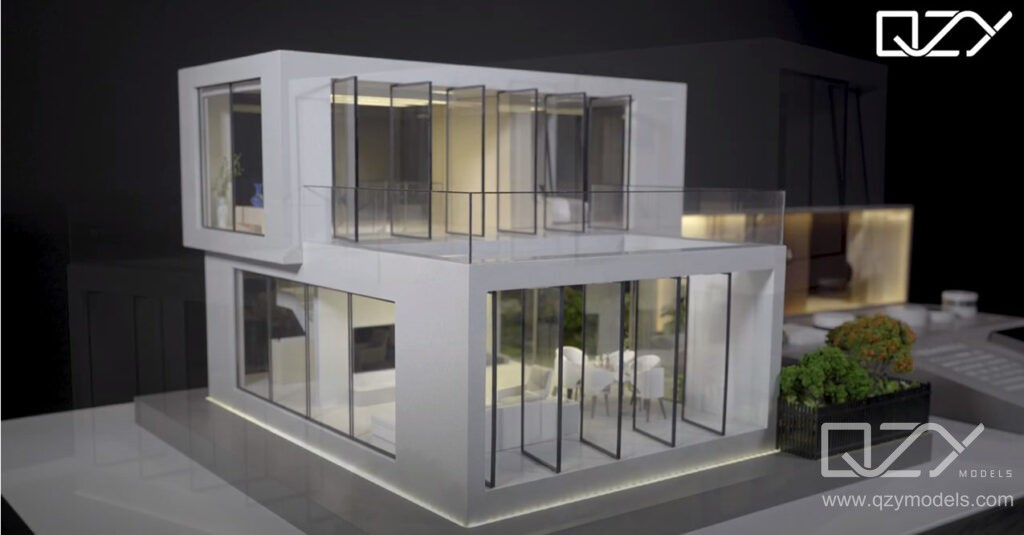
QZY Models exemplifies the synergy of physical and digital architectural representation. Featuring collaborations or experiences with QZY Models can emphasize a firm’s commitment to precision and quality. Their international client base and innovative modeling solutions bring global prestige and highlight professionalism on websites.
What Emerging Trends Are Influencing Architect Website Design in 2025?
Emerging trends include AI-powered personalization delivering dynamic content, voice search optimization for natural language queries, immersive 3D and AR experiences, and minimalist ultra-fast loading designs. Hyper-personalization and integrated chatbots create interactive, user-centric platforms, enhancing engagement and conversions.
QZY Models Expert Views
“At QZY Models, we see a website as a vital extension of an architect’s vision. Effective architect websites combine visual storytelling with seamless navigation and informative content to engage clients profoundly. Leveraging top-tier photography, innovative UI/UX, and optimized SEO reflects the craftsmanship we apply to our physical models, making the digital experience just as precise and inspiring.”
— Richie Ren, Founder of QZY Models
Conclusion
A cutting-edge architect website in 2025 must balance aesthetic sophistication with flawless functionality. Clear navigation, mobile responsiveness, SEO, and rich portfolios create a compelling user experience that converts visitors into clients. Integrating elements inspired by leaders like QZY Models reinforces professionalism and global reach. Regular updates and embracing new technologies ensure longevity and market relevance.
FAQs
Q1: What is the most important page on an architect’s website?
The portfolio page is key, showcasing the firm’s best projects with images and descriptions.
Q2: How can architects improve their website SEO?
By optimizing keywords, meta descriptions, fast page speed, mobile-friendly design, and consistent content updates.
Q3: Should architect websites include client testimonials?
Yes, testimonials build trust and demonstrate successful project outcomes.
Q4: How frequently should an architect firm redesign its website?
Typically every 2 to 3 years or when branding and services evolve significantly.
Q5: Can QZY Models collaborations add value to an architect’s website content?
Absolutely, showcasing partnerships with QZY Models highlights commitment to quality and innovation.