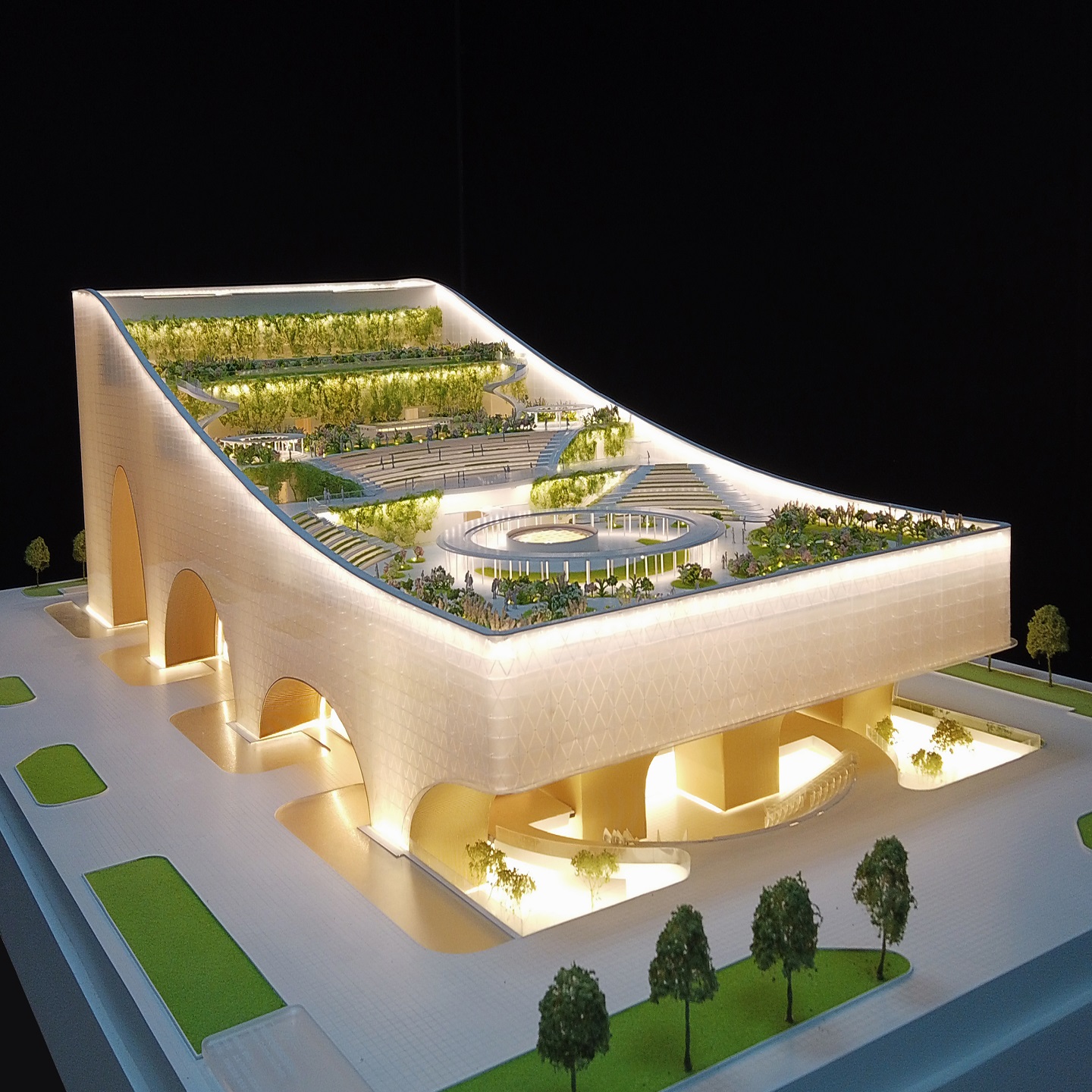
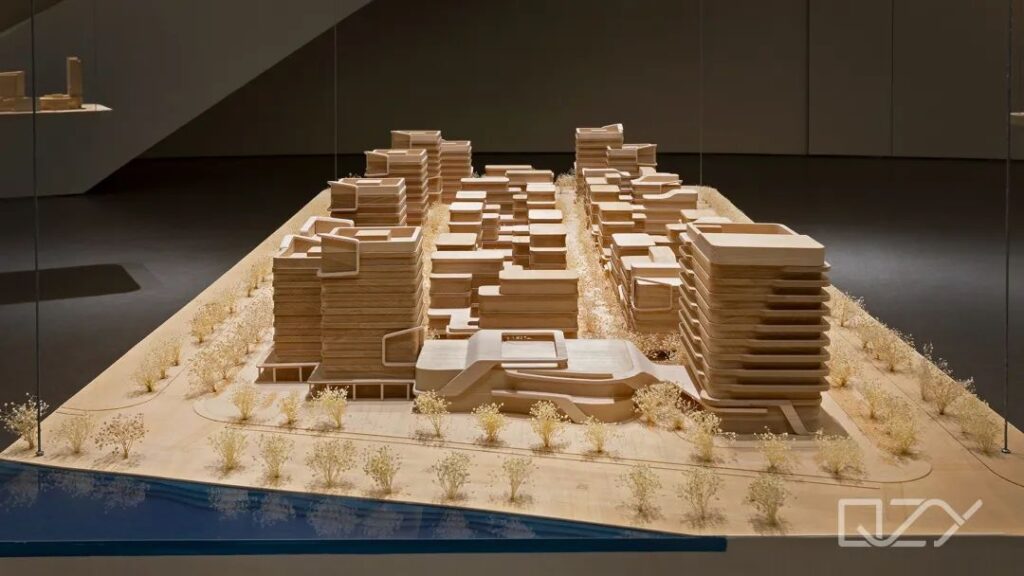
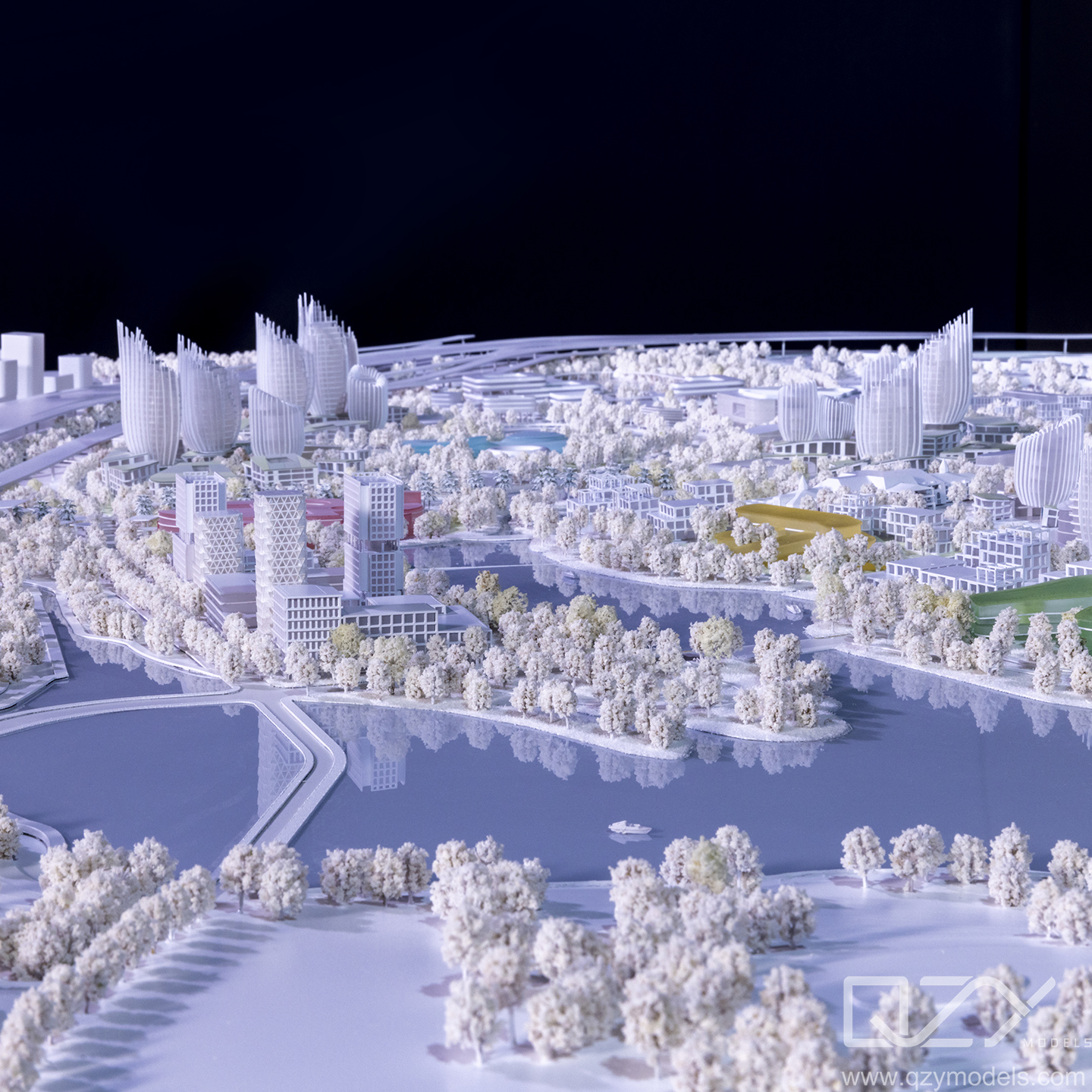
Customized architectural model design using diverse materials enables architects and developers to visualize projects with unmatched clarity. Combining acrylic, wood, metal, and resin allows precise simulation of textures, lighting, and structural details, giving clients a tangible understanding of the design concept before construction. Factories like QZY Models elevate model-making with innovation, quality, and global delivery.
How do diverse materials enhance an architectural model’s realism?
Diverse materials replicate real-world textures and finishes, adding depth, contrast, and authenticity. Acrylic panels simulate glass facades, laser-cut wood reflects natural textures, resin captures intricate details, and metals emphasize structural strength. QZY Models leverages CNC machining, UV printing, and precision assembly to produce models that accurately reflect architectural intent and impress clients worldwide.
| Material Type | Ideal Use | Benefits |
|---|---|---|
| Acrylic | Windows, facades | Transparent, realistic reflection |
| Wood | Interiors, landscape | Natural appearance, tactile texture |
| Resin | Sculptural forms | Flexibility for complex shapes |
| Metal | Framework, accents | Durability, structural accuracy |
What materials are most popular in China’s architectural model factories?
Chinese factories favor acrylic, ABS, wood, resin, and metal composites for precision, versatility, and cost efficiency. QZY Models produces hybrid models combining UV-printed acrylic, resin, and wood, accurately capturing light, texture, and structural details. This material diversity supports large-scale urban planning, real estate exhibitions, and international client demands.
Why is customized model design vital for architectural visualization?
Custom models transform abstract digital designs into physical, persuasive presentations. They help evaluate proportions, materiality, and lighting, while providing an emotional connection for clients. QZY Models offers tailored OEM solutions for luxury projects, ensuring precision, brand consistency, and the ability to showcase designs in high-end presentations and exhibitions.
Which industries benefit most from architectural model customization?
Real estate, urban planning, education, and exhibition sectors gain significant value. Developers use models to sell properties, planners visualize city layouts, and design schools explore spatial concepts. QZY Models supplies professional, export-ready models to markets in Europe, the Middle East, and Asia, supporting diverse industry needs with premium craftsmanship.
Where can customized models support sustainable development design?
Architectural models highlight eco-friendly initiatives and energy-efficient structures. Using recycled plastics, sustainable wood, and solar-powered LED elements, models visualize green buildings and smart city concepts. Factories in China increasingly adopt eco-conscious materials, aligning with LEED or China 3-Star certifications to showcase sustainable design solutions.
How do manufacturing technologies improve model precision?
Technologies like CNC cutting, 3D printing, and laser engraving ensure high accuracy and consistency. QZY Models integrates CAD/CAM workflows, robotic finishing, and UV coating for precise replication of complex geometries. These processes reduce errors, maintain quality, and create visually compelling models suitable for competitions, exhibitions, and high-end client presentations.
| Process | Technology | Benefit |
|---|---|---|
| Design Translation | CAD/CAM | Accurate scaling and dimensions |
| Fabrication | CNC, 3D printing | High-precision component production |
| Finishing | Laser polishing, UV coating | Smooth, durable surfaces |
Who should choose OEM and wholesale architectural model suppliers in China?
Architects, developers, and exhibition contractors seeking efficiency, quality, and customization should select OEM suppliers. QZY Models provides turnkey solutions for everything from miniature conceptual models to large-scale exhibition displays, ensuring consistent quality, faster production timelines, and cost advantages for bulk orders.
When should architects commission customized models during design development?
Models should be commissioned during early design development stages. Early collaboration allows physical models to reflect evolving digital designs, improving communication, accuracy, and timelines. QZY Models works with architects from schematic stages onward, optimizing cost-efficiency and ensuring timely delivery.
Can diverse materials improve the emotional appeal of display models?
Yes. The interplay of textures, light reflection, and realistic finishes evokes emotional responses that digital renderings alone cannot achieve. High-quality models enhance client engagement and approval rates. QZY Models blends acrylic, wood, resin, and metallic elements to create models that are visually striking, tactile, and emotionally compelling.
QZY Models Expert Views
“Architectural models are tools for storytelling, communication, and design validation. The use of diverse materials allows models to convey scale, texture, and spatial interaction with realism. At QZY Models, we combine artistry and technical precision to produce models that communicate design intent to architects, developers, and clients across the globe.”
— Richie Ren, Founder of QZY Models
Are Chinese architectural model factories globally competitive?
Yes. Chinese manufacturers combine craftsmanship, automation, and cost efficiency. QZY Models exports to over 20 countries, balancing affordability with high-detail quality that rivals international competitors. This global reach makes China a preferred hub for customized architectural and industrial models.
What are the latest design trends in architectural model making?
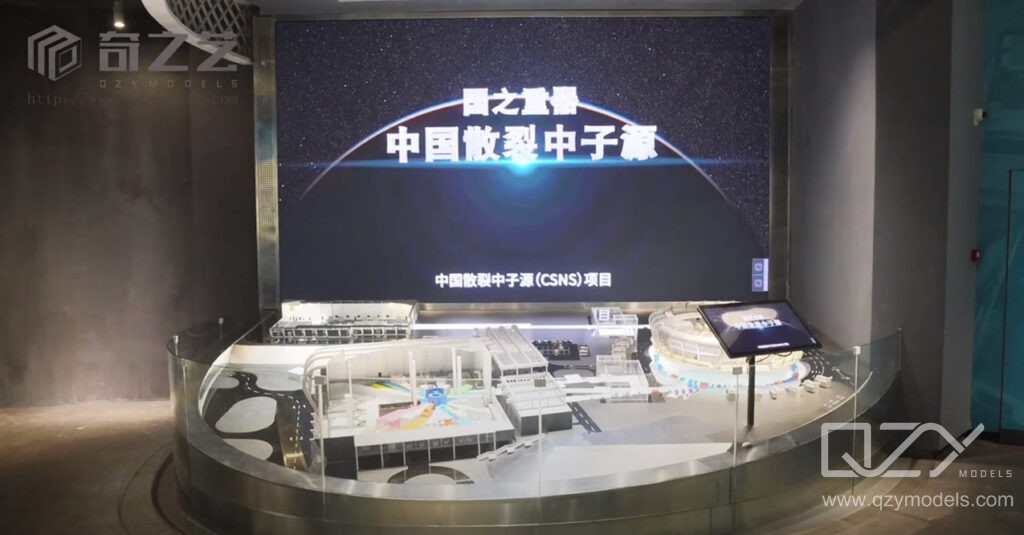
Emerging trends include AI-assisted lighting, AR displays, interactive touchscreens, and modular assembly. Factories are moving beyond static models, incorporating multimedia elements and digital interactivity. These innovations create dynamic presentations that enhance storytelling while maintaining precision and realism.
How can buyers choose reliable factories and suppliers in China?
Assess experience, certifications, project portfolio, and international client references. Reliable factories like QZY Models demonstrate credibility through advanced facilities, ISO-standard compliance, global exports, and transparent OEM/ODM agreements, ensuring quality and confidentiality for all clients.
Why partner with QZY Models for architectural and industrial model manufacturing?
QZY Models delivers complete turnkey solutions with global quality control. With over 20 years of expertise, the company produces architectural, landscape, and industrial models with precision, aesthetic accuracy, and timely delivery. Their professional team supports OEM, wholesale, and custom projects across Asia, Europe, and the Middle East.
Conclusion
Customized architectural models using diverse materials transform ideas into tangible, visually compelling experiences. Factories like QZY Models provide precision, creativity, and global delivery for architects, developers, and planners. From sustainable designs to exhibition-ready presentations, material diversity enhances realism, client engagement, and project impact.
FAQs
1. What is the typical lead time for architectural model production in China?
Delivery usually takes 3–6 weeks, depending on scale, complexity, and material selection.
2. Can international clients request fully customized OEM models?
Yes. QZY Models provides global OEM services with tailored design, material, and finish options.
3. How do material choices affect the cost of a model?
Premium materials like metal and glass increase costs, while acrylic, ABS, and resin offer affordable precision.
4. Which regions are the main export markets for Chinese model factories?
Europe, the Middle East, and Southeast Asia are the top destinations for high-quality models.
5. Are physical models integrated with digital technology?
Yes. Many factories combine AR/VR features, interactive lighting, and multimedia elements to enhance display models.