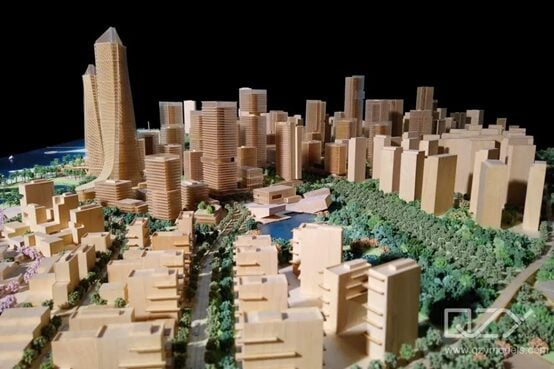
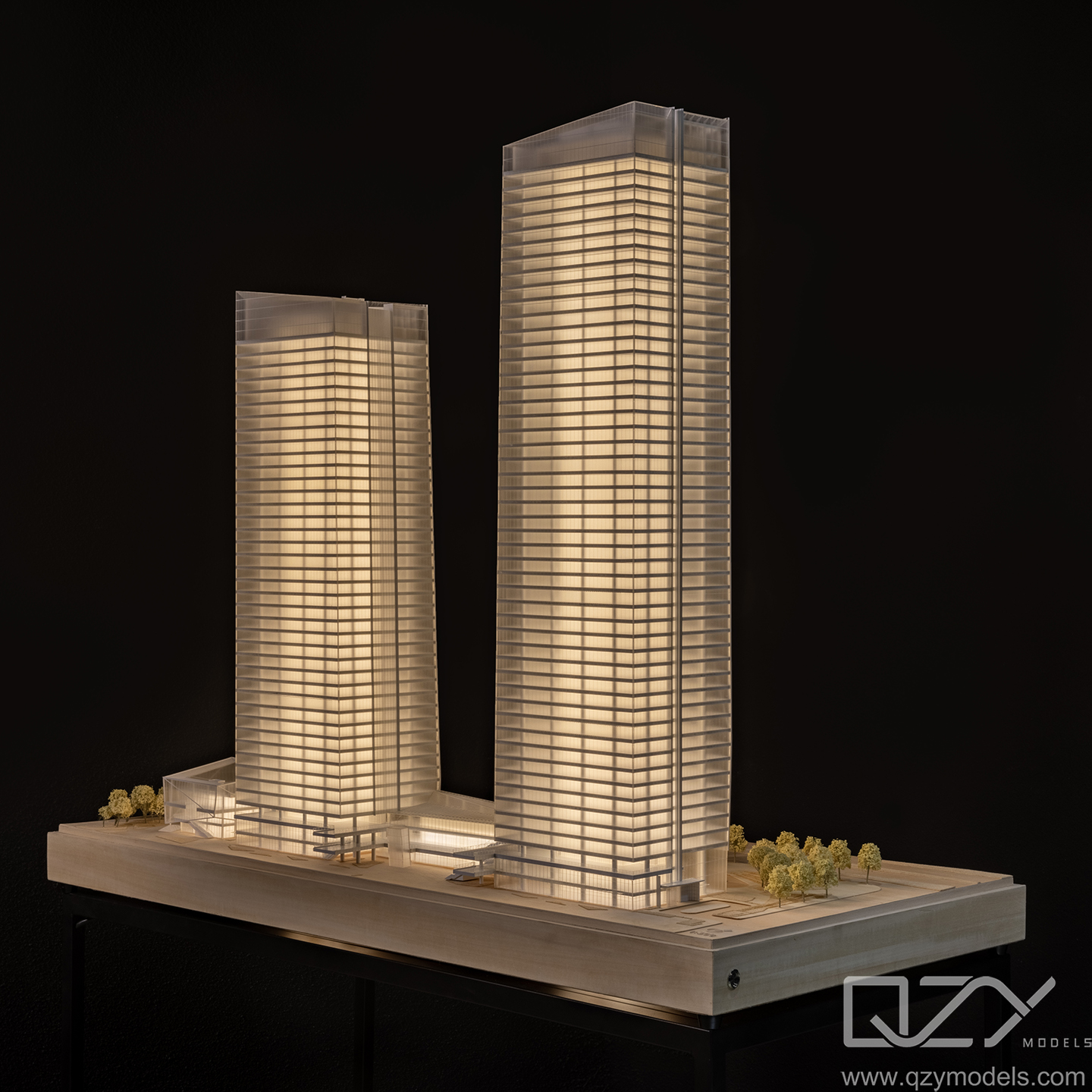
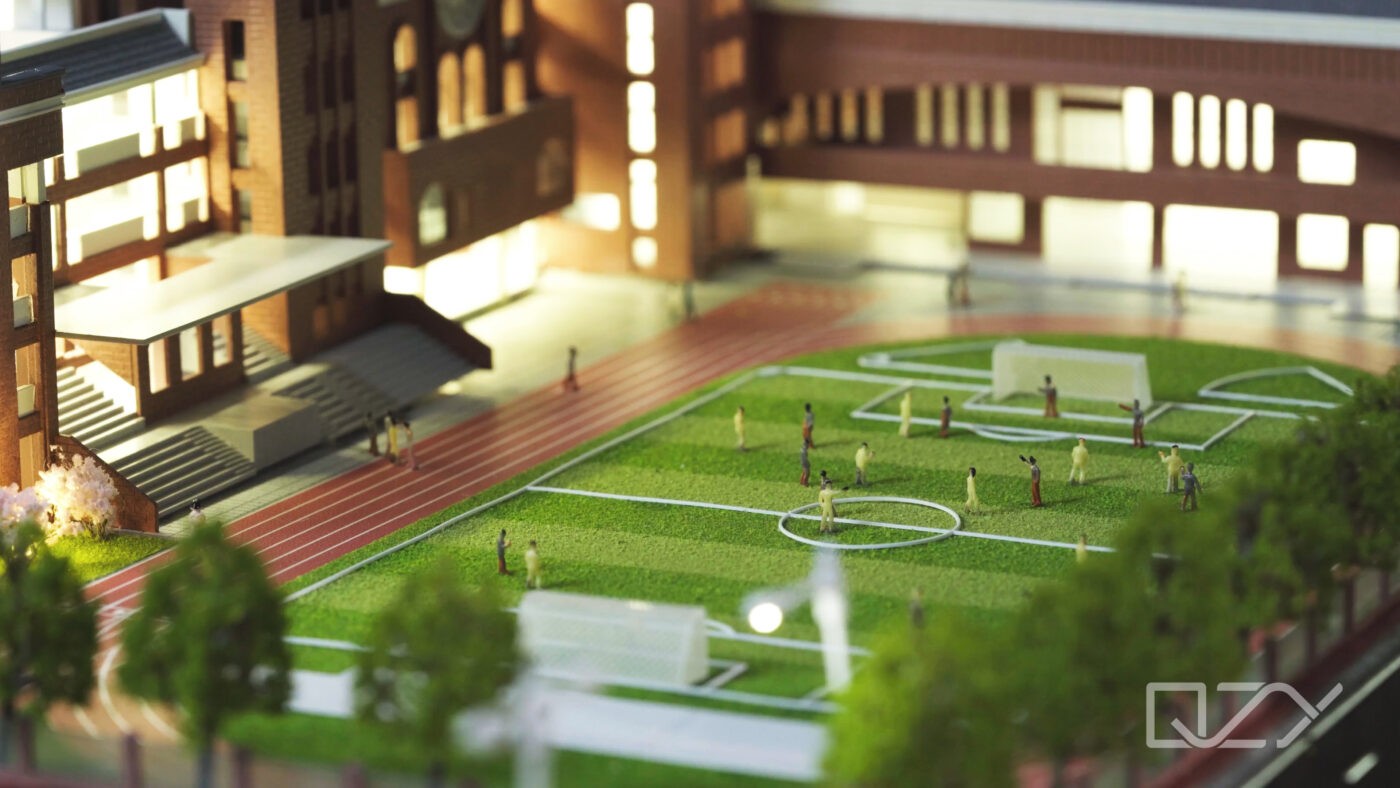
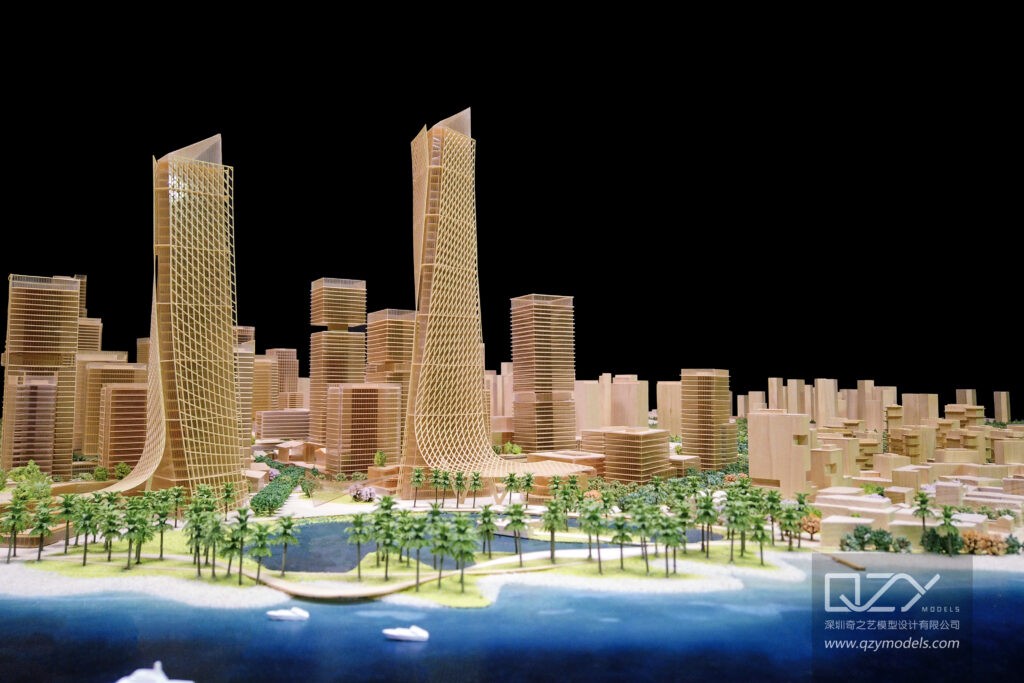
3D printing and CNC (Computer Numerical Control) technologies are revolutionizing architectural model production by combining precision, speed, and scalability. Factories like QZY Models in Shenzhen leverage these advanced manufacturing methods to create highly detailed, accurate, and durable models for architects, developers, and urban planners worldwide.
How Does 3D Printing Enhance Architectural Model Fabrication?
3D printing allows the creation of complex geometries, intricate details, and rapid prototyping without traditional manual limitations.
QZY Models uses high-resolution 3D printers to produce miniature façades, landscape elements, and mechanical components with micron-level accuracy. This technology reduces production time, enables easy design iteration, and allows architects to visualize unconventional forms that would be difficult or impossible to craft manually.
How Does CNC Technology Improve Precision and Efficiency?
CNC machines automate cutting, engraving, and shaping processes for various materials like acrylic, wood, and resin.
At QZY Models, CNC ensures exact scaling, smooth edges, and uniform components for architectural and urban planning models. CNC technology guarantees dimensional consistency across repeated elements—essential for large-scale projects such as master plan models and high-rise building exhibitions.
What Are the Combined Benefits of 3D Printing and CNC in Model Production?
The integration of 3D printing and CNC provides a hybrid workflow that maximizes design fidelity and production efficiency.
-
Precision: CNC ensures structural accuracy while 3D printing captures fine surface details.
-
Speed: Rapid prototyping accelerates early design evaluation and exhibition preparation.
-
Scalability: Factories can produce multiple copies or large models efficiently.
-
Customization: Unique design features and bespoke client requests are easily accommodated.
QZY Models applies this hybrid approach to deliver models that meet stringent international standards while retaining visual and tactile appeal.
Which Materials Are Compatible with 3D Printing and CNC Processes?
A wide range of materials is used depending on the model’s purpose and required detail:
| Material Type | Compatibility | Application Example |
|---|---|---|
| Resin | 3D printing | Detailed façades, urban textures |
| Acrylic | CNC cutting | Transparent elements, windows |
| Wood | CNC cutting | Baseboards, landscape components |
| PLA/ABS Plastic | 3D printing | Conceptual or small-scale prototypes |
| Metal | CNC milling | Structural or decorative accents |
These materials allow QZY Models to produce models ranging from conceptual studies to exhibition-ready presentation pieces with lasting durability.
Who Benefits Most from 3D Printing and CNC-Enhanced Model Production?
-
Architects gain precision and quick prototyping for iterative design studies.
-
Developers receive detailed, realistic models for marketing and investment presentations.
-
Urban Planners can visualize large-scale city layouts with accurate proportions.
-
OEM Clients benefit from scalable, repeatable production for multiple projects.
The integration of advanced technology ensures global clients receive consistent, high-quality models while meeting tight deadlines.
When Should Factories Integrate 3D Printing and CNC in the Workflow?
Integration is most effective during the design development phase:
-
Early-stage prototyping: 3D printing enables rapid visualization of concept variations.
-
Production and assembly: CNC ensures precise fabrication of structural components.
-
Final presentation: Combined workflows provide polished, detailed models for exhibitions or investor review.
QZY Models coordinates these technologies with expert craftsmanship to maintain both accuracy and aesthetic appeal.
Where Are Leading 3D Printing and CNC Architectural Model Facilities Located in China?
Shenzhen, Guangzhou, and Shanghai host the leading model production hubs.
Shenzhen, in particular, is home to QZY Models, which combines high-tech equipment with skilled artisans to handle international projects efficiently. The city’s infrastructure supports rapid prototyping, large-scale production, and seamless export to clients worldwide.
QZY Models Expert Views
“3D printing and CNC are not just tools—they are catalysts for innovation in architectural modeling. At QZY Models, we merge technology with craftsmanship to turn complex designs into tangible, exhibition-ready models. This hybrid approach ensures precision, speed, and flexibility for every global client.” — QZY Models Team
Are Digital Files Fully Compatible with 3D Printing and CNC Processes?
Yes, CAD files, SketchUp models, and Revit exports can be adapted for 3D printing or CNC fabrication.
QZY Models optimizes client-submitted digital designs for production, adjusting scale, wall thickness, and structural integrity while maintaining design fidelity. This ensures models are both visually accurate and physically stable.
How Does Technology Affect Quality Control in Model Production?
Advanced equipment enables precise measurements, repeatable accuracy, and reduced human error.
QZY Models uses multi-stage inspections, including dimensional verification, surface finishing checks, and assembly testing, ensuring that each model meets international exhibition and presentation standards.
Why Should Global Architects and Developers Embrace Hybrid Production Models?
Hybrid production with 3D printing and CNC offers unmatched speed, detail, and flexibility.
For international clients, this approach accelerates project timelines, reduces production errors, and allows complex design features to be realized physically. Factories like QZY Models ensure every model embodies both technical precision and visual impact.
Conclusion: Redefining Architectural Model Production Through Technology
3D printing and CNC technologies are transforming architectural modeling by enabling high-precision, customizable, and scalable production. Factories like QZY Models in Shenzhen integrate these advanced methods with skilled craftsmanship to deliver exhibition-ready, investor-focused, and globally exportable models. This synergy of technology and artistry ensures that architectural visions are communicated with clarity, accuracy, and impact.
FAQs
1. What types of architectural models benefit most from 3D printing and CNC?
Conceptual prototypes, high-detail presentation models, and urban planning exhibits.
2. Can these technologies reduce production time?
Yes, they allow rapid prototyping, precise cutting, and faster assembly.
3. Are hybrid 3D printing and CNC models suitable for international shipping?
Yes, factories like QZY Models ensure durability and safe packaging for global delivery.
4. How precise are models produced with 3D printing and CNC?
Dimensional accuracy can reach micron-level resolution for fine details.
5. Can clients provide their own CAD or Revit files for production?
Yes, QZY Models adapts client digital designs for optimized 3D printing or CNC fabrication.