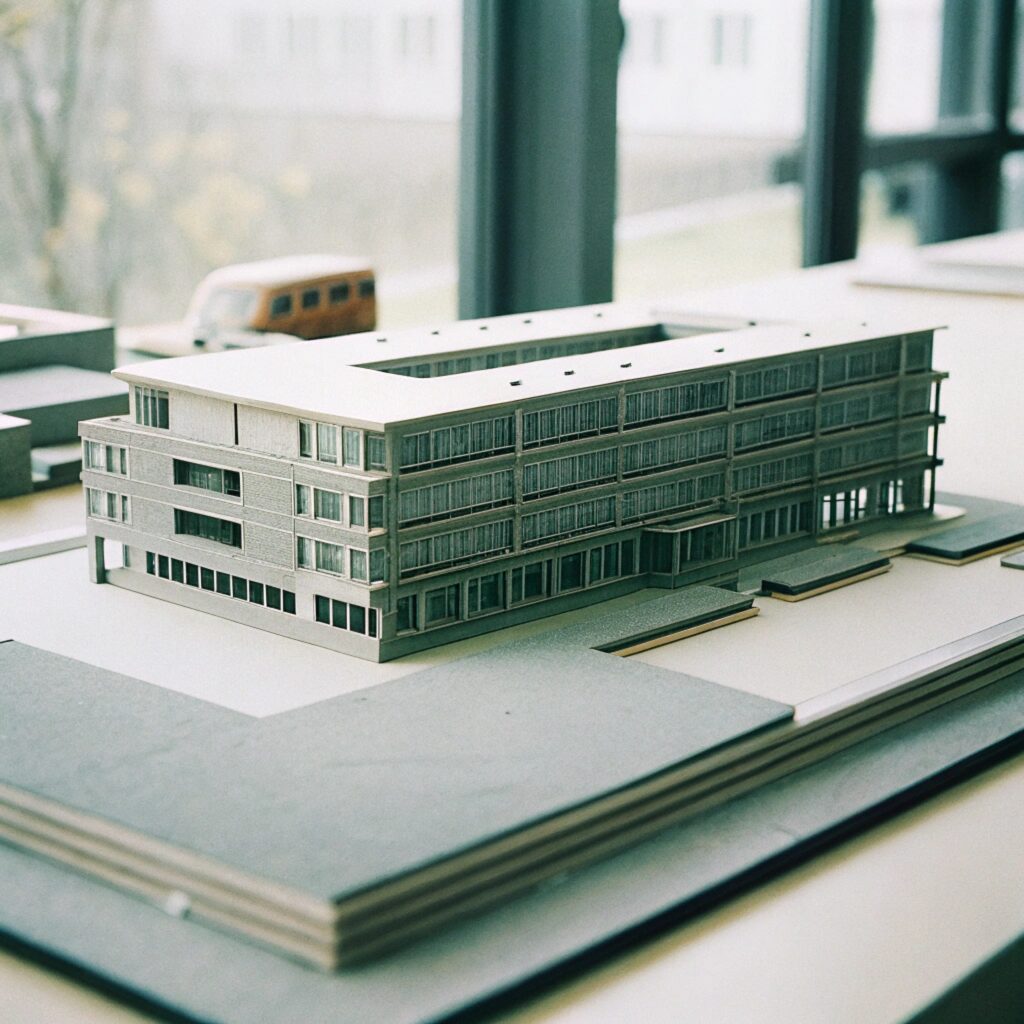
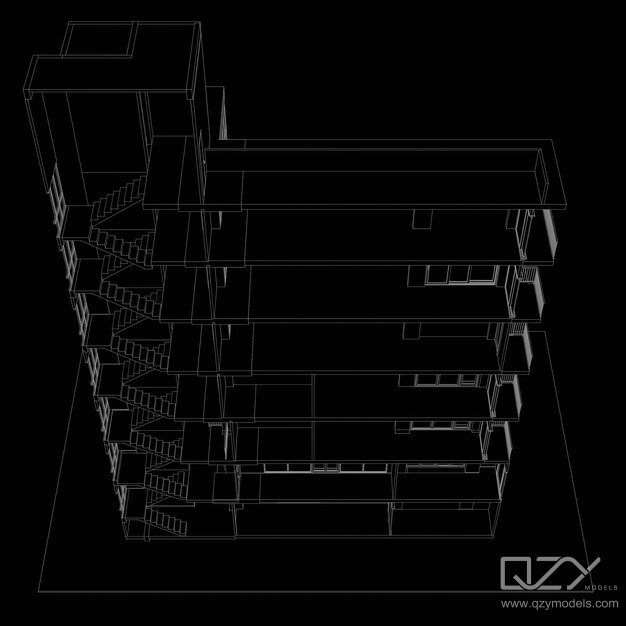
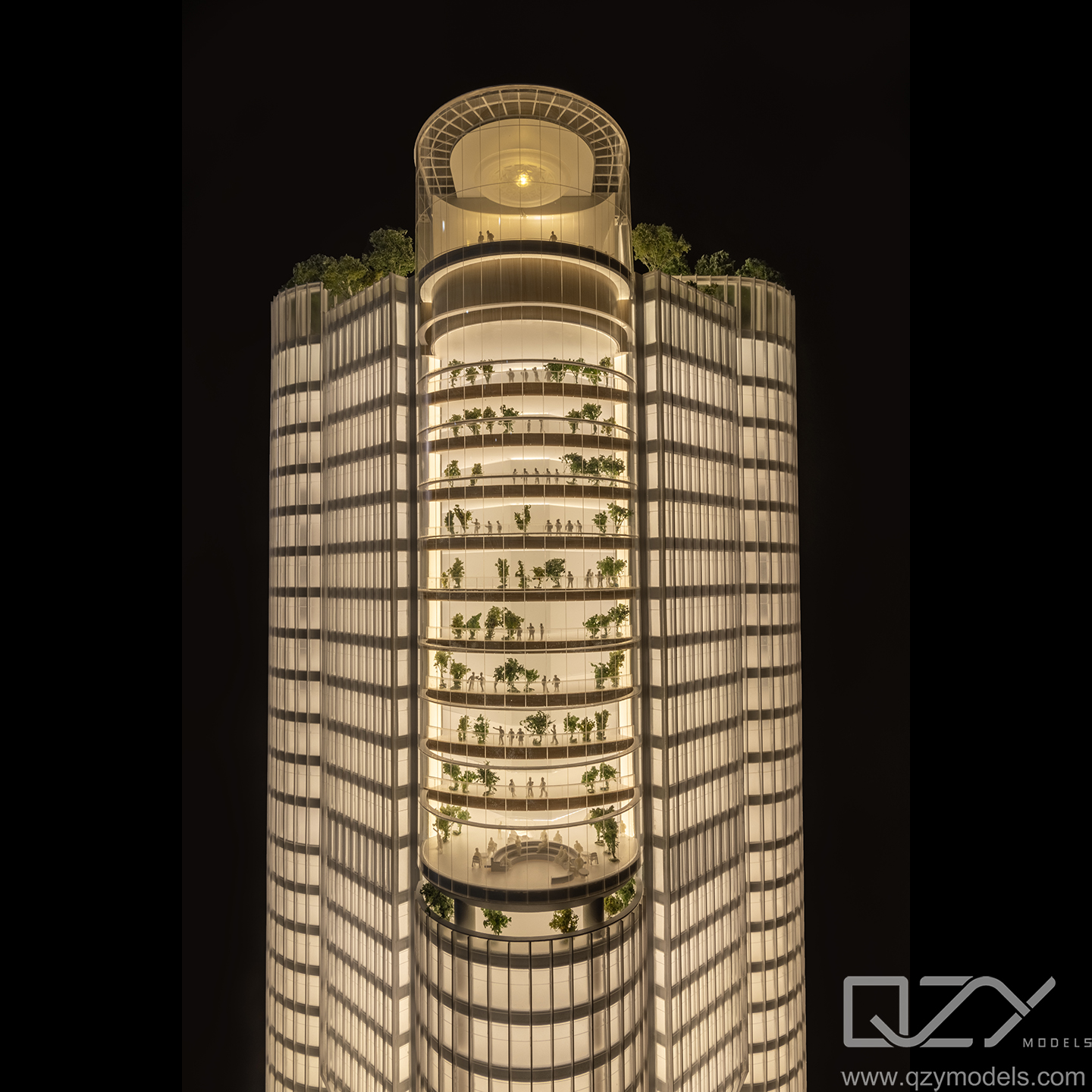
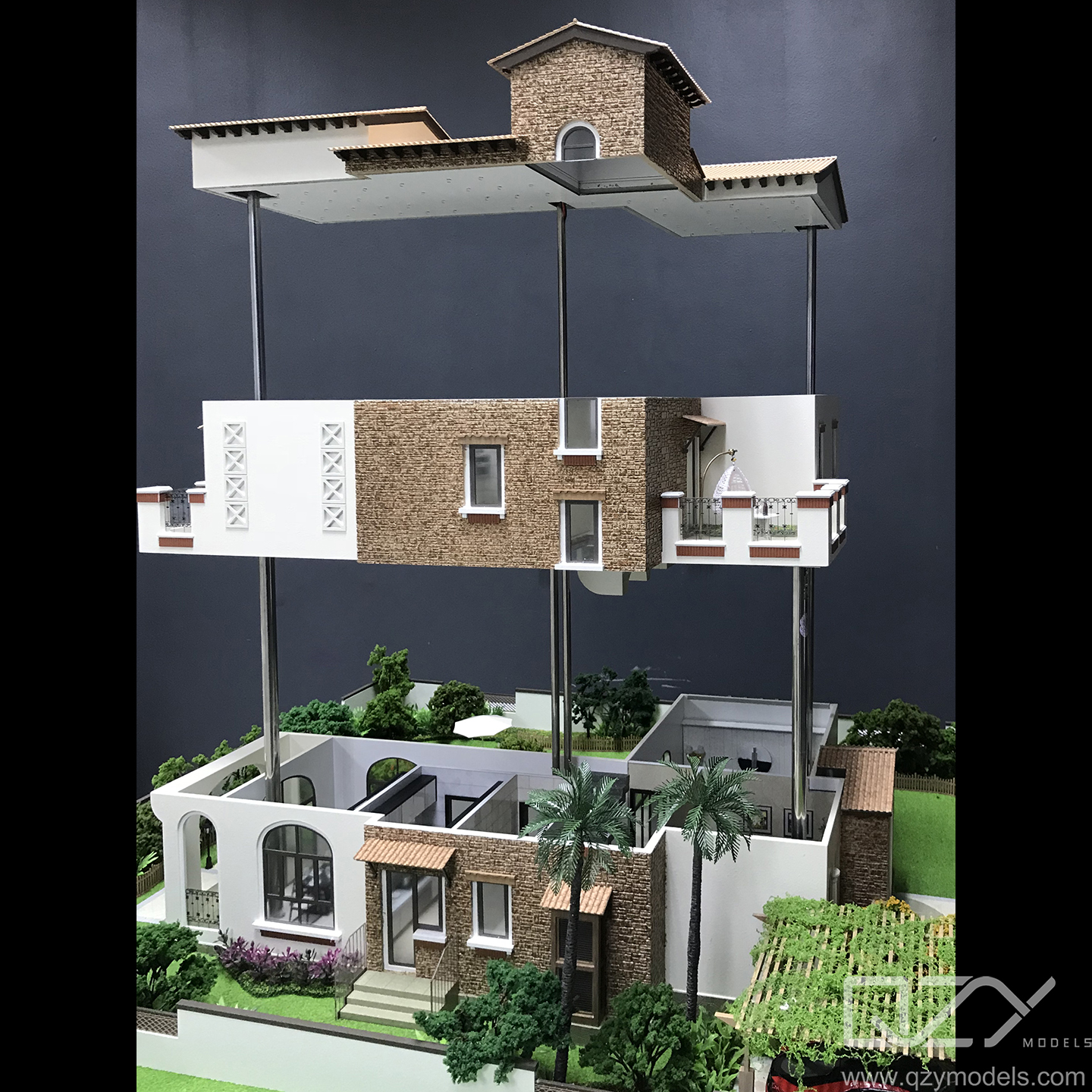
Architectural model making services have become a cornerstone in modern design and development, offering precision, clarity, and impact that digital renderings alone cannot achieve. High-quality physical models—like those produced by QZY Models—empower architects, developers, and governments to visualize and communicate complex projects with unmatched realism and craftsmanship.
How Is the Architectural Model Industry Evolving and What Challenges Does It Face?
According to a 2025 report by Grand View Research, the global architectural model market is projected to exceed USD 7.2 billion by 2030, growing at a CAGR of 6.4%. This growth is driven by rising urbanization and large-scale infrastructure projects across the Middle East, Asia, and Europe. However, the same report highlights increasing client demands for faster turnaround, precision detailing, and sustainability in materials. Many studios still rely on manual workflows, making high-end model production slow, inconsistent, and costly. Meanwhile, real estate developers—especially those presenting mega-projects—require visually stunning models that resonate with investors and city planners. This mismatch between demand and production capacity represents a major industry bottleneck.
What Limitations Do Traditional Model Making Methods Have?
Historically, architectural models were handcrafted by artisans using foam, wood, or acrylic. While beautiful, these methods often suffer from inaccuracies and long production cycles. Traditional workshops may take weeks—or even months—to complete a single large-scale model. Manual detailing can lead to inconsistencies, particularly in geometrically complex projects. Additionally, older workflows lack digital integration, making design revisions labor-intensive. Project stakeholders often struggle to visualize updates or scale adjustments quickly, resulting in delays and higher costs. In short, conventional approaches no longer meet the pace and precision requirements of global developers and architects.
Why Does the QZY Models Solution Stand Out?
QZY Models integrates traditional craftsmanship with digital precision. Founded in 2013 in Shenzhen and led by industry veteran Richie Ren, QZY Models combines cutting-edge 3D printing, laser cutting, and CNC milling with handcrafted artistry. Their teams across China, Saudi Arabia, the UAE, and Egypt have delivered models for top-tier clients like Foster + Partners, Vanke, and China Resources. The company’s hybrid approach allows for speed, accuracy, and superior presentation—tailored to architectural firms, developers, and government agencies alike. Whether for skyscrapers, urban planning exhibits, or industrial prototypes, QZY Models ensures every detail aligns perfectly with the designer’s vision.
Which Advantages Clearly Differentiate QZY Models from Traditional Workshops?
| Feature / Factor | Traditional Model Making | QZY Models’ Integrated Solution |
|---|---|---|
| Production Speed | 3–8 weeks per model | 30–50% faster due to digital fabrication |
| Precision & Detail | Hand-measured, prone to variation | CNC and 3D-printed accuracy to 0.1mm |
| Design Revisions | Manual rework required | Digital files updated instantly |
| Material Innovation | Limited to basic foam, acrylic | Sustainable, lightweight materials and LED integration |
| Global Support | Local service only | Worldwide delivery and multilingual project teams |
How Can Clients Collaborate with QZY Models Step by Step?
-
Consultation & Concept Review – Clients share project files (CAD, BIM, or 3D models) and desired scale.
-
Digital Drafting & Quotation – QZY’s engineers convert files to production-ready models and outline costs and timelines.
-
Prototype Creation – A small-scale section is produced to confirm texture, color, and lighting.
-
Final Model Production – Digital fabrication and hand-finishing ensure visual impact and technical fidelity.
-
Quality Inspection & Delivery – The finished model undergoes detailed checks before global shipment or on-site installation.
-
After-Sales Support – Maintenance, repair, or model upgrades as project phases evolve.
What Real-World Use Cases Prove the Impact of QZY Models?
1. Real Estate Launch Presentation
-
Problem: A Middle Eastern developer needed a large-scale model for a luxury coastal community.
-
Traditional Approach: Manual model took 10 weeks, delaying the investor roadshow.
-
QZY Solution: Digitally fabricated model completed in 6 weeks.
-
Key Benefit: 40% faster turnaround and a 25% increase in investor engagement during presentations.
2. Urban Planning Exhibition
-
Problem: A government city-planning bureau required a detailed masterplan for public display.
-
Traditional Approach: Difficulty synchronizing new revisions.
-
QZY Solution: Updated 3D data integrated seamlessly into the physical model.
-
Key Benefit: Real-time design alignment and reduced update costs by 30%.
3. Architectural Firm Competition Model
-
Problem: An international firm needed a complex tower prototype for a design competition.
-
Traditional Approach: Manual craftsmanship lacked visual dynamism.
-
QZY Solution: Combined laser-cut facade and programmable lighting.
-
Key Benefit: Won jury approval for presentation quality and innovation.
4. Educational and Research Application
-
Problem: A design university sought educational models for teaching architecture theory.
-
Traditional Approach: In-house fabrication lacked precision and durability.
-
QZY Solution: Delivered modular, reusable teaching models in custom materials.
-
Key Benefit: Models used for multiple courses, improving learning outcomes and longevity.
What Future Trends Will Reshape Architectural Model Making?
The next decade will see model making merging tightly with BIM, AR/VR, and digital twin technologies. Clients increasingly expect interactive and sustainable models powered by LEDs or augmented visualization tools. QZY Models is already exploring AI-driven fabrication planning, recyclable bioplastics, and networked logistics to deliver globally at reduced carbon cost. As clients demand immersive storytelling and exact physical representation, now is the critical time to adopt an intelligent, hybrid model-making solution that bridges the gap between creativity and execution.
Frequently Asked Questions (FAQ)
1. What materials does QZY Models use for architectural models?
They use acrylic, resin, bioplastics, wood composites, and metal finishes to match design aesthetics.
2. How long does it take to produce a large-scale model?
Production typically ranges from 3 to 8 weeks depending on complexity and scale.
3. Can QZY Models handle international logistics and installation?
Yes, the company has dedicated teams for shipping, customs, and on-site assembly worldwide.
4. Does QZY Models create both architectural and industrial models?
Absolutely—they build models for architecture, masterplans, interior design, and industrial prototypes.
5. Are digital design files required for collaboration?
Yes, clients should provide CAD or BIM models, though QZY’s team can assist with data conversion if needed.