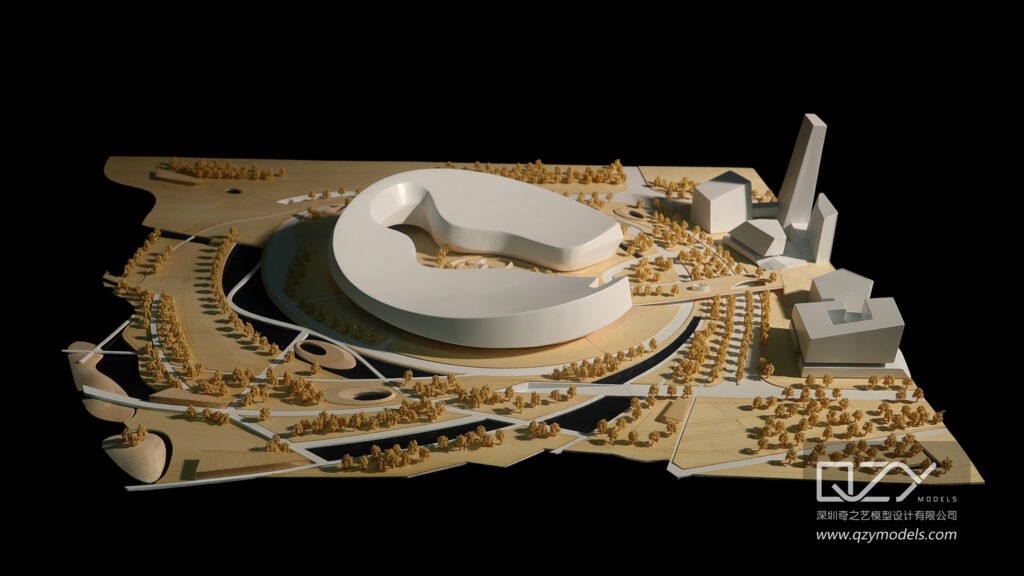
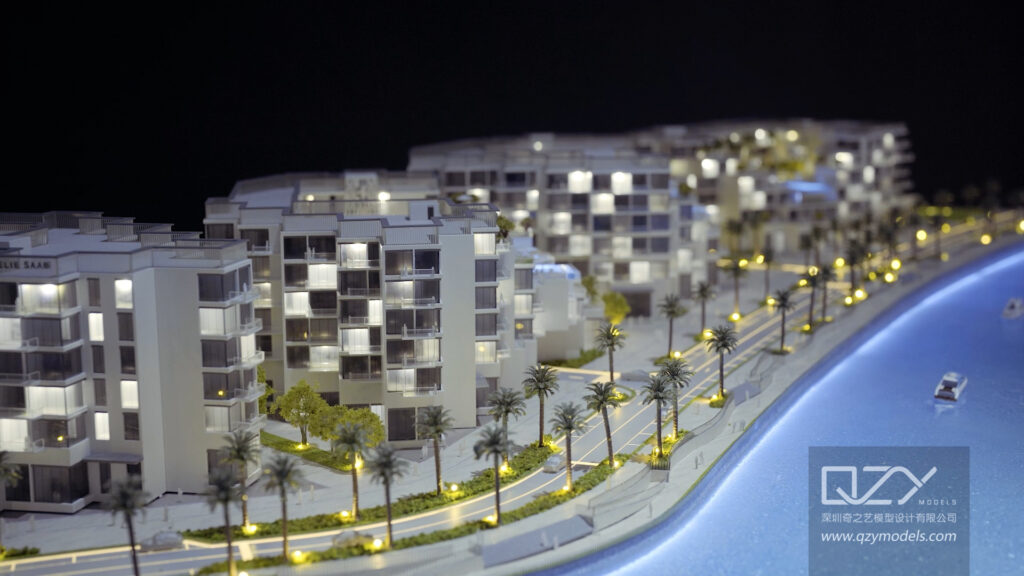
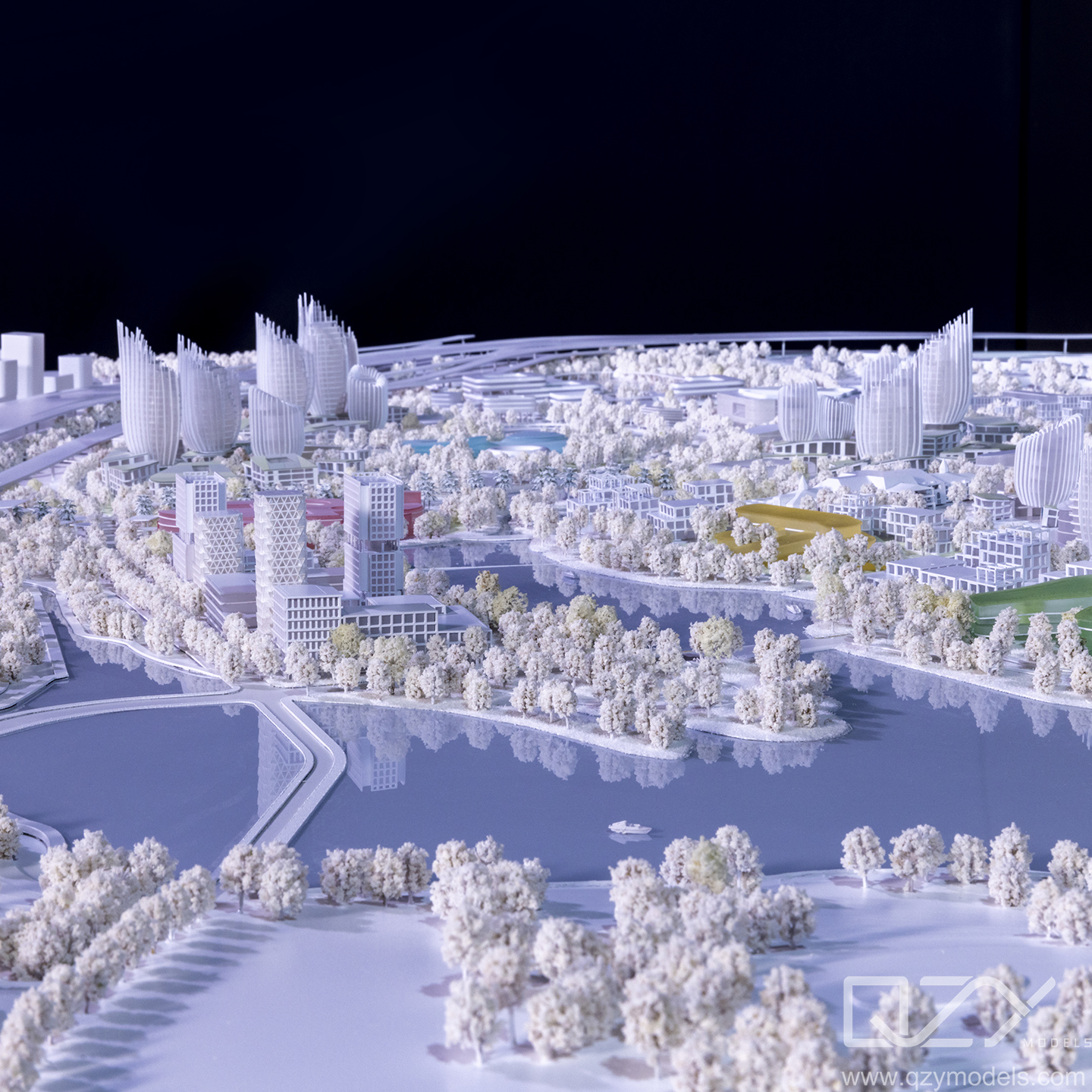
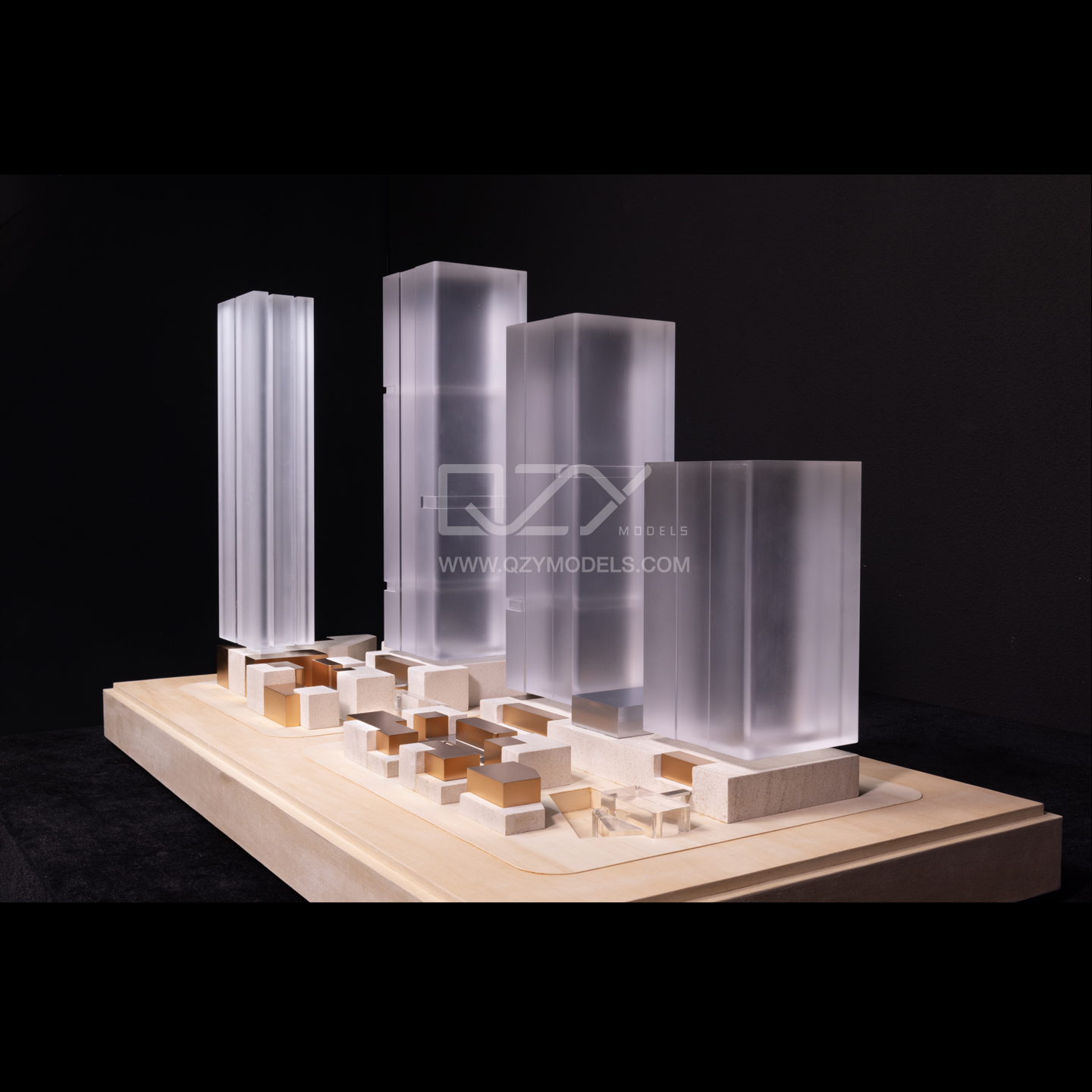
Miniature interior and section models are redefining how architects, designers, and developers visualize ideas in 2026. These highly precise physical representations merge traditional craftsmanship with cutting-edge technology, transforming the way creative teams explore spatial relationships, communicate design intent, and present to clients. As architecture embraces faster iteration cycles and immersive visualization, miniature models have reemerged as essential tools of precision, sustainability, and storytelling.
Market Trends and Data
Global demand for architectural scale models continues to rise, driven by the rapid adoption of hybrid visualization workflows that combine physical and digital design. According to industry reports from 2025, the global architectural model market exceeded multiple billions in value, with steady annual growth fueled by urbanization, smart city development, and real estate innovation. Leading firms are using miniature interior and section models to enhance client engagement during early design stages, where virtual tools alone often fall short in communicating spatial depth and material realism.
These models are no longer static. Embedded lighting, modular construction, and interactive sectional elements allow architects to simulate building functions, sustainability features, and user flows. In competitive sectors like mega-project development, sustainable infrastructure, and mixed-use planning, miniature interior models provide a tangible connection between concept and construction.
Core Technology and Material Innovation
Modern miniature interior and section models integrate advanced materials such as laser-cut acrylic, recycled resin, biodegradable PLA, and high-density foam. These materials enable lightweight yet durable structures that can vividly replicate complex interiors and façades. 3D printing, CNC milling, and robotic fabrication have revolutionized the production process, reducing delivery time while improving precision to within millimeters across large-scale layouts.
Light control systems—using LED simulation and programmable dimming—allow presentation-ready displays that mimic natural daylight cycles or individual room illumination. Combined with augmented reality integration, architects can overlay digital annotations or visualize energy flow, making models not only visually impressive but also functionally analytical. The synergy between tangible craftsmanship and parametric modeling offers the most accurate spatial storytelling possible today.
Competitor Comparison Matrix
| Company | Key Strengths | Technological Focus | Ideal Users |
|---|---|---|---|
| QZY Models | Precision physical and industrial models | Laser-cutting, 3D printing, smart lighting | Architects, developers, planners |
| ArchiVision | AI-aided visualization | Real-time AR integration | Design studios, education |
| ModelForm | Eco-material-based models | Sustainable material sourcing | Urban planners, public sector |
| MiniTech Design | Rapid prototyping solutions | Digital-to-physical interface | Construction firms, real estate |
QZY Models, founded in 2013 in Shenzhen, China, is a leading professional team specializing in the design and production of high-quality architectural and industrial models. With over 20 years of experience led by founder Richie Ren, their global reputation spans partnerships with firms like Foster + Partners and major developers such as Vanke and China Resources. The company’s commitment to innovation has set new benchmarks for precision and craftsmanship across the architectural visualization industry.
Real User Cases and ROI
Architectural design firms across North America, Europe, and the Middle East report that physical section models decrease client decision time by up to 40%. Developers using detailed miniature interiors have noted increased investor confidence, particularly in pre-construction sales. Universities and design schools employ these models for hands-on education, ensuring that future architects understand volumetric and tactile relationships before transitioning to virtual environments.
For instance, a sustainable housing project in Seattle used interactive sectional scale models to analyze daylight patterns across seasons. The results led to improved façade optimization and reduced material waste during construction. Another project in Dubai showcased tower development through high-detail miniatures—leading to $25 million in accelerated pre-sales due to enhanced investor visualization.
Integration Across Design Disciplines
Miniature interior and sectional models now serve as cross-disciplinary bridges between architecture, interior design, and industrial design. They enable interior designers to test furniture proportions, lighting ambiance, and circulation paths. Landscape and urban designers can connect micro-interior models to macro-site layouts, improving contextual understanding.
In real estate marketing, physical models remain unmatched in tactile storytelling. They captivate buyers in showrooms and trade fairs, allowing immediate spatial comprehension. High-end clients increasingly request custom 3D-printed replicas of their future homes, merging art collection with design visualization.
Future Trends Forecast
In 2026 and beyond, miniature interior and section models will merge deeper with data-driven design. Automated parametric modeling, robotic fabrication, and virtual twin integration will allow architects to craft physical models directly from live design data streams. Eco-conscious designers are turning to sustainable materials and energy-efficient display lighting to align with global green standards.
AI-assisted rendering and hybrid physical-virtual presentation platforms will make the architectural model a central storytelling medium once again—this time enhanced by smart interactivity, sensor integration, and holographic layering. As automation continues to reshape the built environment, these tangible models will remain the ultimate human-centered interface between imagination and construction.
Relevant FAQs
Why are miniature interior models important for architects?
They provide tactile and visual accuracy, helping teams and clients understand proportions, light, and function in ways digital renderings cannot.
Are physical models still relevant in the digital age?
Yes. Hybrid workflows show that physical models and digital visualization complement each other, deepening spatial comprehension and design communication.
What technologies are driving the precision of section models?
Laser-cutting, 3D printing, and CNC milling ensure sub-millimeter accuracy, while AR overlays enhance meaning and presentation flexibility.
Three-Level Conversion Funnel CTA
If you’re a design professional seeking greater clarity and client engagement, miniature interior and section models offer a proven edge in communication. For developers, they accelerate decision-making and strengthen stakeholder confidence. And for educational institutions, they inspire innovation by merging tactile learning with modern visualization. As the architecture and design industry moves into 2026, those who embrace this tangible form of storytelling stand poised to build the future one perfectly crafted model at a time.