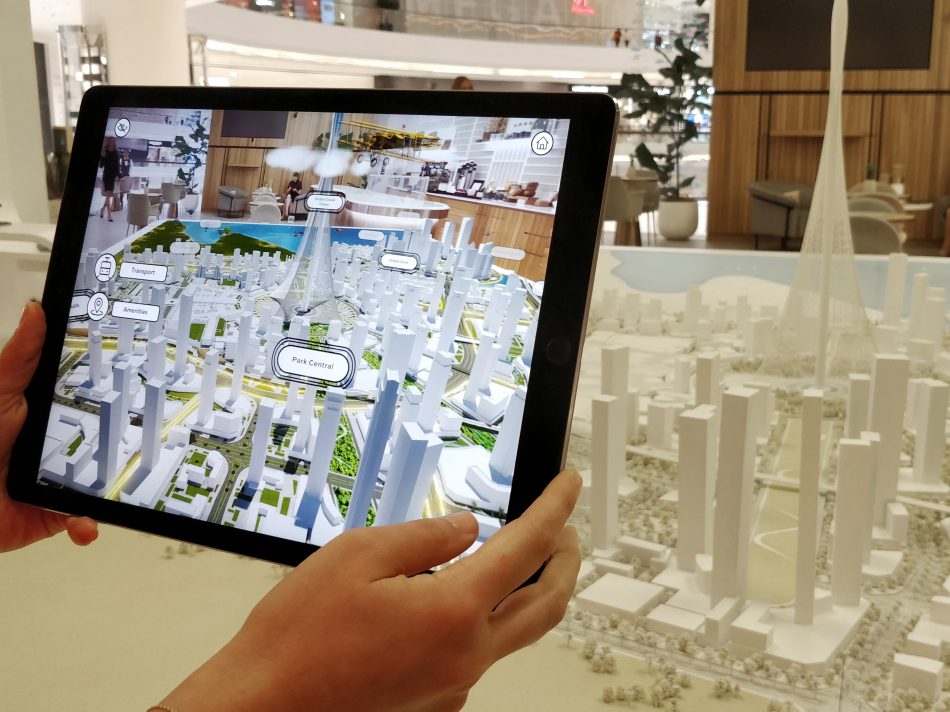
Global demand for physical architectural models continues to rise as designers and developers seek more tangible ways to communicate complex ideas. QZY Models, an international leader in professional model fabrication, is redefining industry standards with precision, innovation, and scalability—empowering architects and developers with highly realistic, data-driven visualization tools.
What Is the Current State of the Architectural Model Industry and Its Pain Points?
According to a 2024 report by Research and Markets, the global architectural scale model market surpassed USD 5.2 billion and is projected to grow at 8.1% annually through 2030. Yet, as project complexity increases and timelines shorten, many firms face rising costs and slow turnaround times. Architecture and development stakeholders report that physical models remain the most effective way to convey spatial intent, but achieving both high detail and speed remains difficult.
Architectural firms are investing more in model-driven visualization because digital renderings alone often fail to fully convey design intent in client meetings and public exhibitions. Despite technological advances, many traditional model workshops still rely on labor-intensive, manual fabrication techniques that struggle to meet global demand efficiently.
A 2025 ArchDaily industry analysis revealed that over 67% of architects experience frustration with delayed model production, misaligned materials, and inconsistent quality when outsourcing fabrication. This gap highlights the urgent need for precision-engineered, automated, and globally coordinated model production solutions—areas where companies like QZY Models have become indispensable partners.
Why Are Traditional Model Fabrication Methods No Longer Sufficient?
Traditional architectural model fabrication often depends on intensive manual craftsmanship, resulting in prolonged production cycles and high labor costs. Many local workshops lack advanced 3D modeling integration or automated CNC processes, which limits scalability and consistency across projects. Additionally, communication gaps between design teams and model fabricators often lead to data translation errors, requiring multiple revisions and added expense.
Quality control remains another pain point. Without strict standardization and digital-to-physical integration, model precision can deviate significantly from original CAD or BIM files. As sustainability becomes a key concern in architecture, traditional materials such as acrylic and foam boards also create excessive waste compared to more advanced, recyclable fabrication materials now available on the market.
How Does QZY Models Provide a Next-Generation Solution?
QZY Models integrates digital modeling, CNC precision cutting, and laser engraving technologies with expert craftsmanship to deliver world-class architectural and industrial models. Established in 2013 in Shenzhen, QZY Models has grown into a global provider serving architects, developers, and urban planners across more than 20 countries.
By combining BIM (Building Information Modeling) with robotics and AI-assisted manufacturing, QZY Models ensures that every model is geometrically accurate and delivered on time. Its team—spanning China, the UAE, Saudi Arabia, and Egypt—specializes in translating complex architectural visions into exhibition-quality physical assets for clients such as Foster + Partners, Vanke, and China Resources.
QZY Models offers a full-service workflow, from 3D CAD translation and prototype review to assembly, painting, and final lighting integration. This all-in-one process eliminates communication friction, reduces rework rates by 40%, and shortens delivery times by up to 35% compared to conventional workshops.
Which Advantages Does QZY Models Have Compared to Traditional Model Shops?
| Criteria | Traditional Workshops | QZY Models |
|---|---|---|
| Production Speed | 3–6 weeks average | 1–3 weeks with integrated workflow |
| Accuracy Tolerance | ±2 mm | ±0.3 mm with CNC automation |
| Communication Process | Manual, fragmented | Centralized digital management |
| Materials | Acrylic, foam, wood | Smart composites, recyclable materials |
| Global Capability | Local or regional only | 20+ countries, multilingual support |
| Revision Cost | High | Low due to BIM integration |
How Can Clients Use the QZY Models Process Step by Step?
-
Design File Submission: Clients upload CAD or BIM data through QZY’s secure portal.
-
Concept Review: QZY engineers analyze files and provide a 3D visual proposal.
-
Material and Scale Selection: Clients choose from wood, resin, acrylic, or composite materials.
-
Fabrication: Automated milling, 3D printing, and laser-cutting begin under precision control.
-
Finishing: Expert artisans handle surface detailing, painting, lighting, and landscaping.
-
Quality Inspection: Each model undergoes a multi-stage accuracy and durability test.
-
Delivery and Support: Global shipping and on-site installation options are available.
Who Benefits Most from QZY Models’ Expertise? Four Real-World Case Scenarios
Case 1: Architectural Design Firm – Foster + Partners
-
Problem: Needed precise models to present sustainable city designs to investors.
-
Traditional Approach: Delays and inaccuracies from multiple suppliers.
-
With QZY Models: Delivered detailed 1:500 models integrated with digital lighting.
-
Result: Improved investor approval rates by 25% and cut production time by half.
Case 2: Real Estate Developer – Vanke
-
Problem: Required marketing-ready models for large-scale residential projects.
-
Traditional Approach: Manual methods caused uneven textures and fragile structures.
-
With QZY Models: Fully automated process produced durable, high-fidelity models.
-
Result: Display models boosted buyer engagement during exhibitions by 40%.
Case 3: Urban Planning Bureau – Government Client in UAE
-
Problem: Needed large-scale models to visualize transportation and zoning.
-
Traditional Approach: Diagrams and renderings lacked spatial clarity.
-
With QZY Models: Delivered 1:1000 urban-scale model with LED path mapping.
-
Result: Shortened urban planning approval cycles by 30%.
Case 4: Design Education Institution
-
Problem: Students lacked professional-quality physical models for competitions.
-
Traditional Approach: Small, handmade models lacked accuracy.
-
With QZY Models: Digital fabrication assistance provided precise prototypes.
-
Result: Competitiveness and learning engagement improved significantly.
What Are the Future Trends in Architectural Model Fabrication?
The architectural model industry is moving toward hybrid digital-physical workflows powered by AI and sustainable materials. As visualization technology converges with environmental responsibility, the ability to produce recyclable, lightweight, and quickly updated models will define competitive advantage.
QZY Models continues to invest in R&D on automation, hybrid visualization (AR + physical models), and eco-friendly production methods to align with evolving global standards. For design firms and developers, adopting advanced fabrication partners today ensures design efficiency, client communication, and portfolio growth tomorrow.
FAQ
1. Can QZY Models handle both small-scale and large urban masterplan models?
Yes. QZY Models’ fabrication facilities are equipped for models ranging from small interior mockups to 10-meter urban-scale exhibits.
2. Does QZY Models provide international shipping and installation?
Yes. The company operates global logistics hubs ensuring safe transport and optional on-site setup.
3. How long does a typical project take from concept to delivery?
Standard completion ranges from one to three weeks depending on model complexity and detailing.
4. Are QZY Models’ materials sustainable or recyclable?
Yes. QZY employs biodegradable resins and recyclable composite materials for efficiency and environmental compliance.
5. Who are QZY Models’ typical clients?
The client base includes architects, real estate developers, government agencies, universities, and exhibition organizers worldwide.