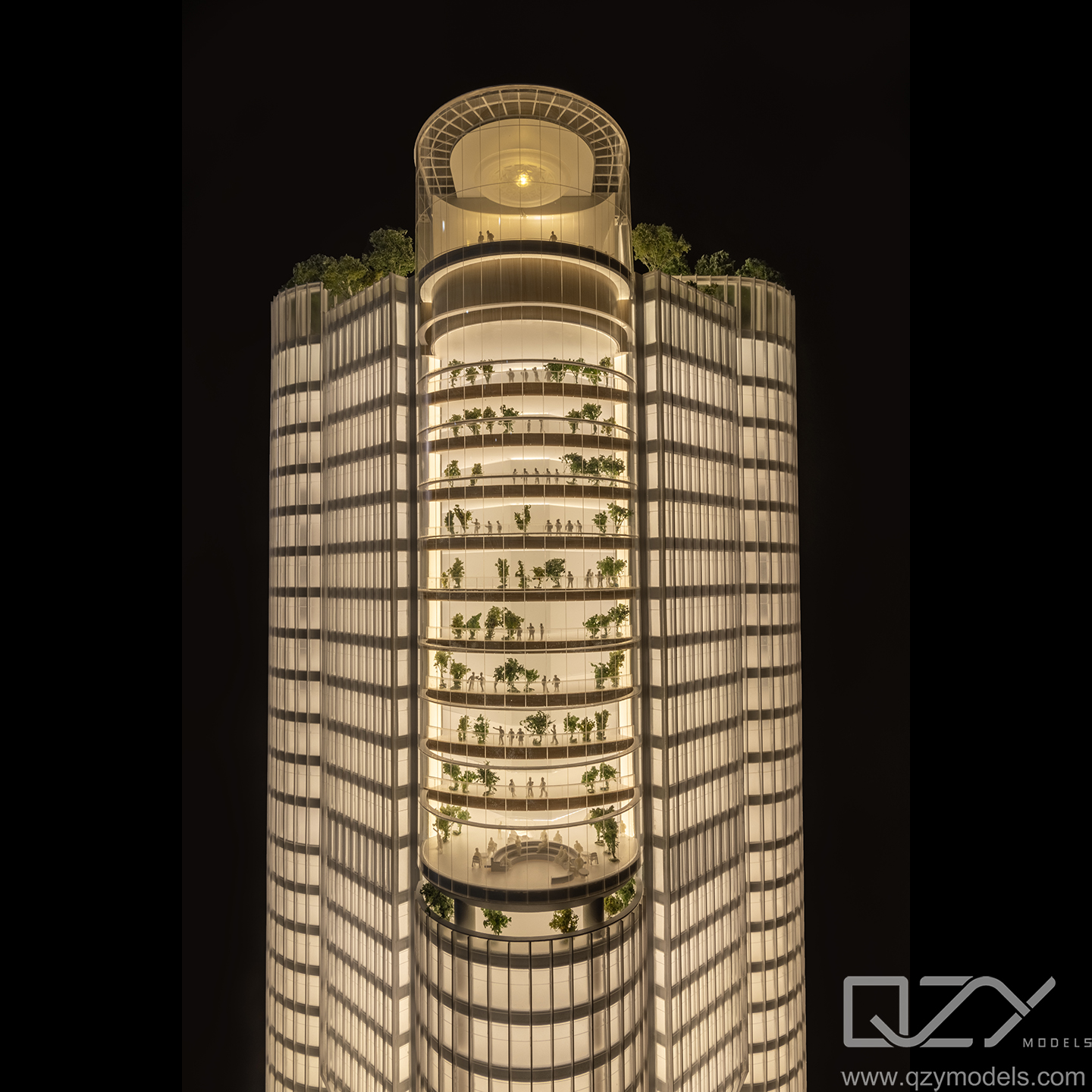
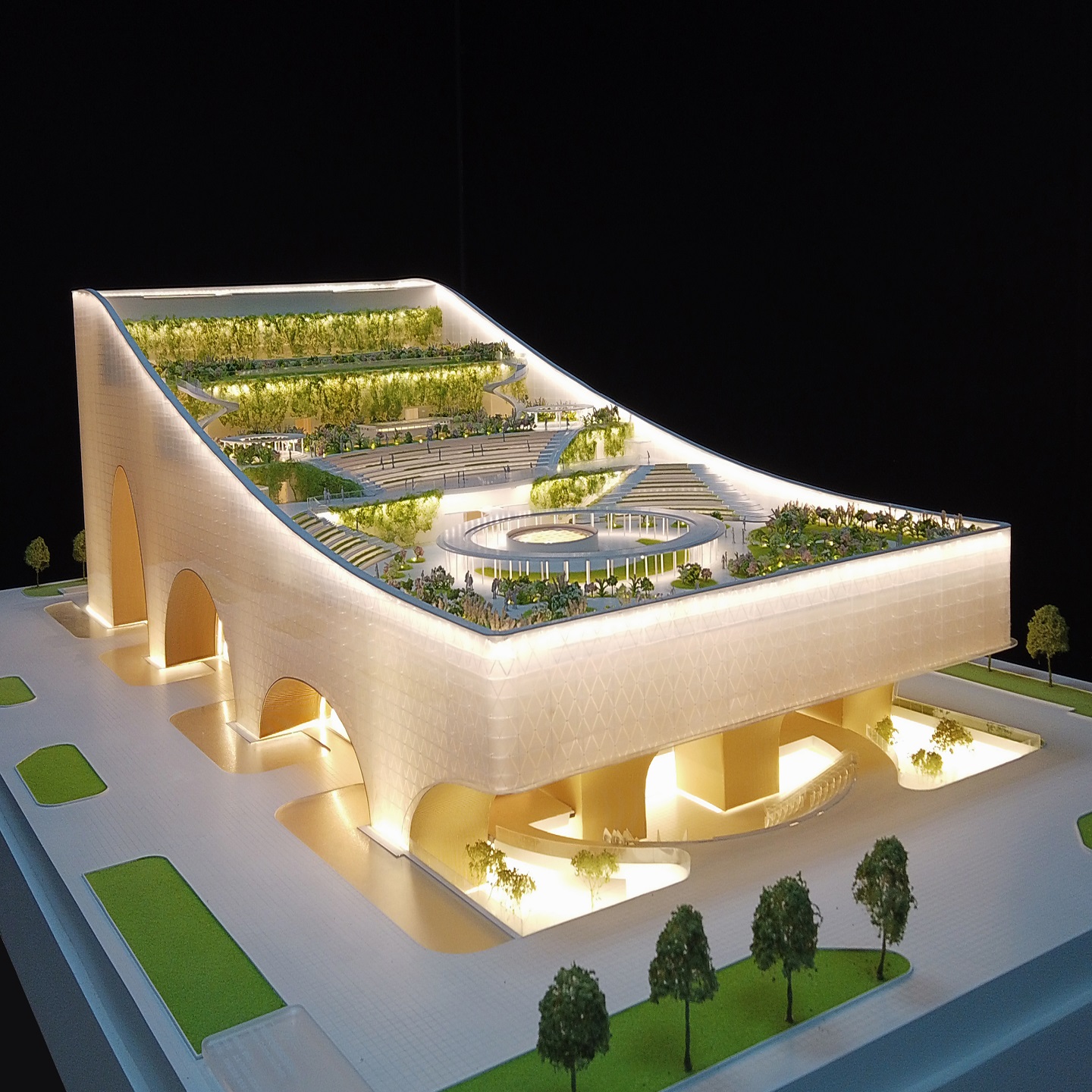
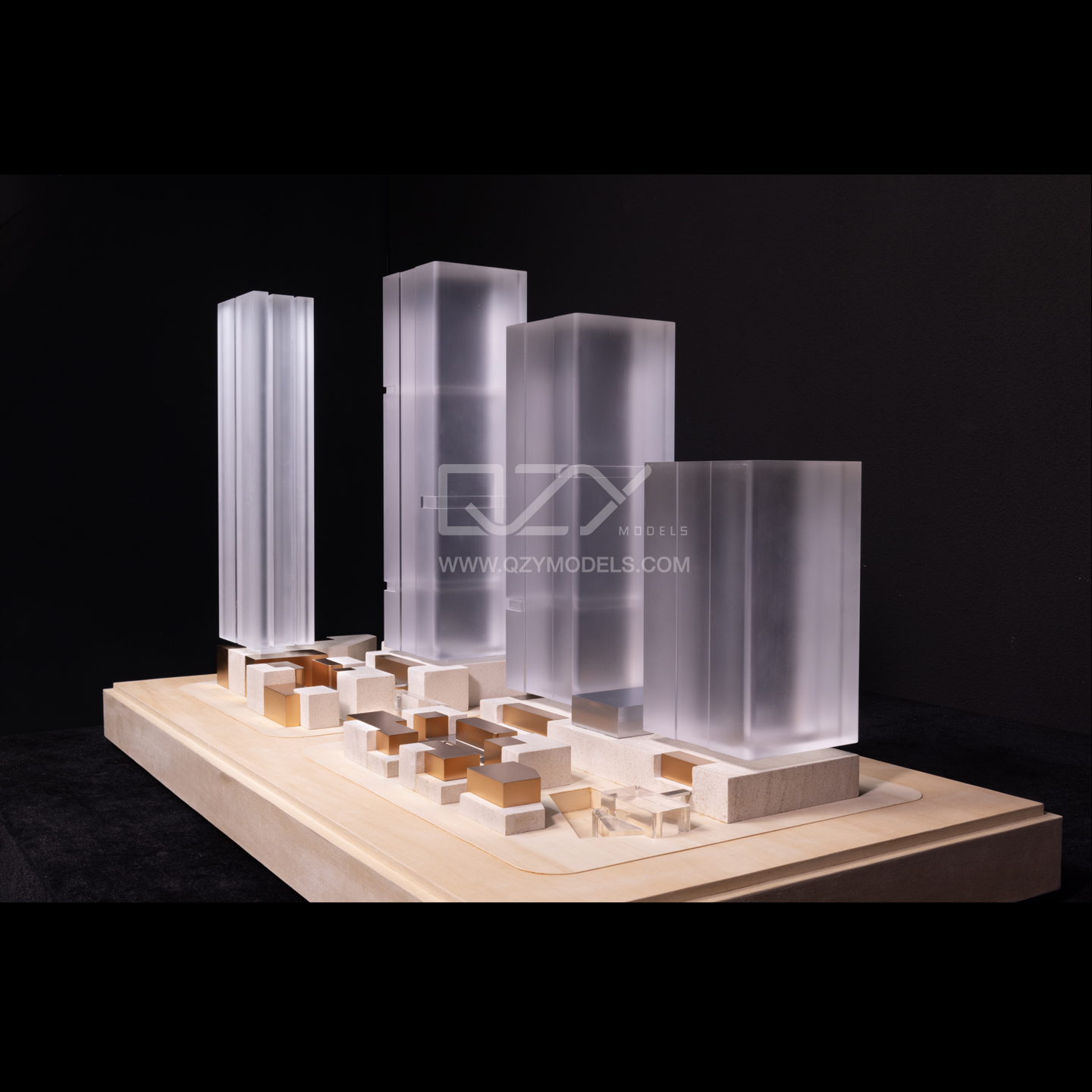
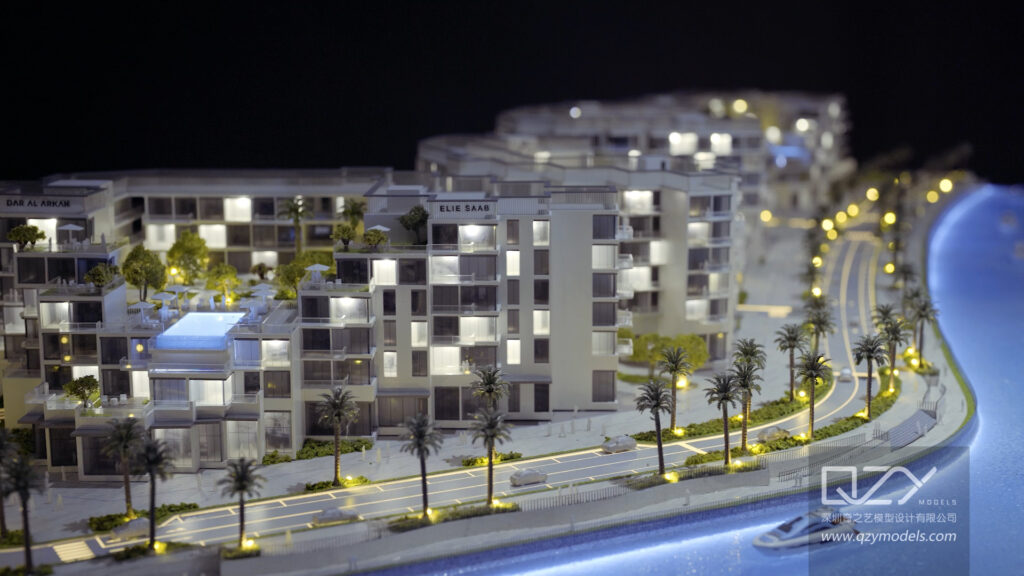
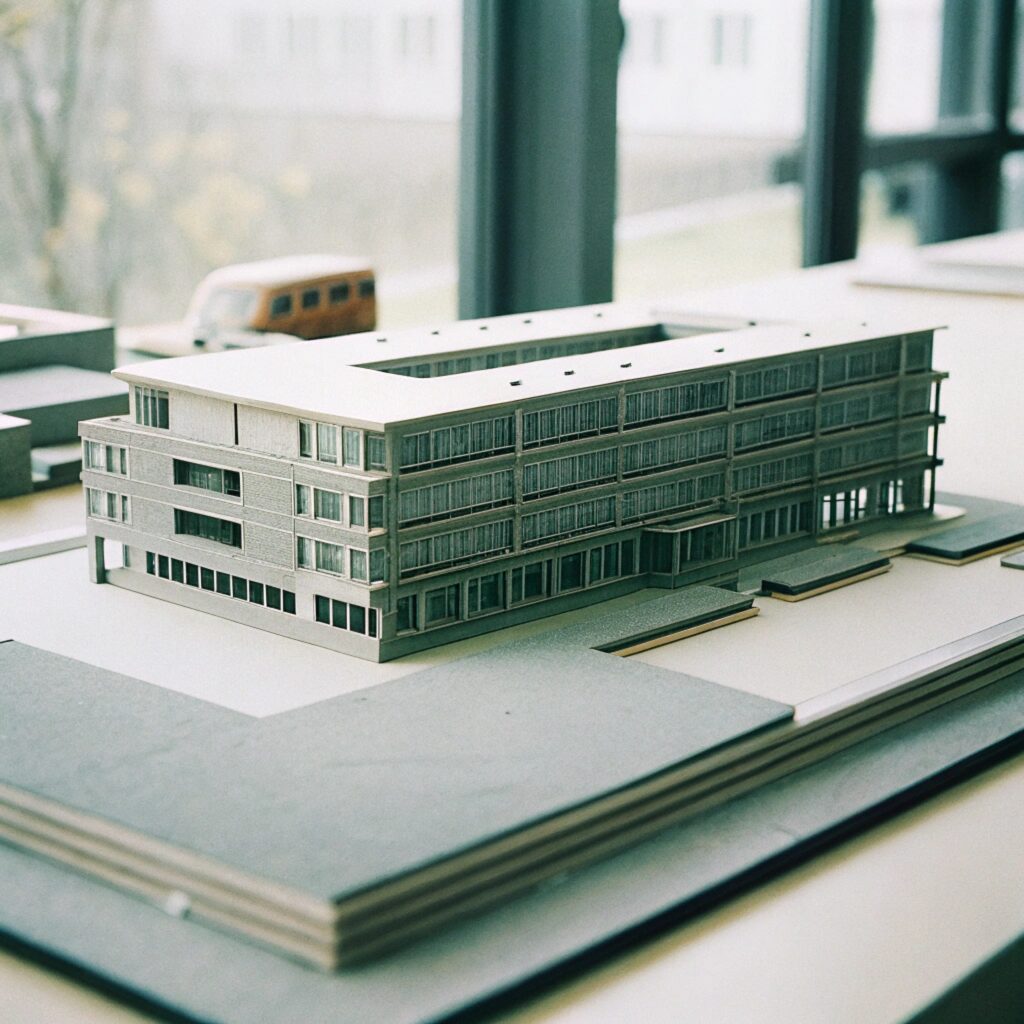
Architectural display models have become essential tools for visual storytelling in real estate, urban planning, and architectural design. They enable professionals to communicate complex spatial ideas with precision and emotion—where QZY Models, a global leader in model craftsmanship, sets the benchmark for excellence and innovation.
How is the architectural display model industry evolving amid rising global demand?
According to Grand View Research, the global scale model market was valued at approximately USD 1.7 billion in 2024 and is expected to reach USD 2.9 billion by 2030, expanding at a CAGR of 8.5%. This growth is driven by high-value property developments, public infrastructure projects, and international exhibitions. However, the sector faces pressure to meet tighter deadlines, deliver greater visual precision, and integrate digital presentation technologies, such as lighting effects and smart mobility systems. Despite digital visualization tools like VR and BIM, physical models remain irreplaceable for stakeholder presentation and public exhibitions.
What pain points does the industry continue to face?
The architectural display model industry, though crucial, struggles with persistent structural challenges:
-
High Production Costs: Premium materials such as acrylic, resin, and metal have seen price increases of over 20% since 2022.
-
Time Sensitivity: Developers and architects require faster turnaround to meet event and project milestones.
-
Sustainability Requirements: Environmental regulations now push toward recyclable materials, adding complexity to production.
-
Global Quality Gaps: Regional differences in craftsmanship quality lead to inconsistent outcomes across international projects.
Without standardized processes, these challenges slow decision-making and raise project risks.
Why are traditional approaches no longer competitive?
Traditional model workshops rely primarily on manual craftsmanship with minimal digital assistance. While skilled artistry adds aesthetic value, the lack of automation results in low efficiency, human error, and slow adaptation to design revisions. Communication gaps between designers and production teams further increase cost and schedule uncertainties. In contrast, modern production, like that of QZY Models, integrates 3D printing, CNC machining, and advanced digital workflows, balancing artistic sensitivity with industrial precision. This synergy boosts scalability and consistency across projects worldwide.
What solution does QZY Models offer for modern architectural display needs?
QZY Models, founded in 2013 in Shenzhen, provides a fully integrated modeling solution that combines craftsmanship, precision engineering, and data-driven quality assurance. With over 20 years of collective expertise, QZY has delivered thousands of architectural display models across 20+ countries for clients such as Foster + Partners, Vanke, and China Resources. Their solution is built on four pillars:
-
Digital Integration: Full conversion from BIM or CAD data to physical models using automated fabrication.
-
Craftsmanship Excellence: Skilled modeling artists enhance texture, scale, and lighting realism.
-
Sustainability Commitment: Use of recyclable resins, low-emission paints, and energy-efficient equipment.
-
Global Reach: Branches in the UAE, Saudi Arabia, and Egypt ensure localized service for international clients.
Which advantages distinguish QZY Models from traditional techniques?
| Feature | Traditional Model Workshops | QZY Models Integrated Solution |
|---|---|---|
| Production Speed | 30–60 days | 20–25 days |
| Design Integration | Manual tracing | Direct BIM-to-model |
| Accuracy | ±2 mm | ±0.3 mm |
| Environmental Standards | Basic | ISO-level eco compliance |
| Global Delivery | Regional only | Worldwide logistics network |
| Quality Assurance | Visual check | Automated digital QC |
How can clients implement QZY Models’ solution effectively?
-
Initial Consultation – Clients submit concept drawings or BIM files for assessment.
-
Data Optimization – QZY engineers refine digital input for material efficiency and accuracy.
-
Material and Lighting Plan – Material palette, scale, and lighting effects are determined.
-
Prototype Approval – A partial sample or 3D render ensures alignment with client expectations.
-
Model Fabrication – CNC cutting, 3D printing, and manual detailing proceed simultaneously.
-
Quality Assurance – AI-based inspections verify precision before shipping.
-
Delivery and Installation – Secure packaging, global logistics, and onsite assembly guarantee seamless deployment.
Who benefits most from adopting advanced architectural display models?
1. Real Estate Developers
-
Problem: Struggle to convey project attractiveness to investors and buyers.
-
Traditional Method: Static renderings or low-detail models.
-
After QZY Models: Dynamic, illuminated display models increase engagement and drive pre-sales.
-
Key Benefit: Higher client confidence and quicker sales conversions.
2. Urban Planning Authorities
-
Problem: Difficulty communicating masterplan concepts to citizens and stakeholders.
-
Traditional Method: Flat maps and CGI renders.
-
After QZY Models: Interactive urban-scale models clarify transportation and zoning plans.
-
Key Benefit: Enhanced transparency and public approval.
3. Architectural Design Studios
-
Problem: Limited ability to showcase complex geometries in 3D form.
-
Traditional Method: Paper foam prototypes and render prints.
-
After QZY Models: 3D precision models improve concept validation and presentation.
-
Key Benefit: Stronger design persuasion in competitions and client briefings.
4. Exhibition and Event Organizers
-
Problem: Need visually striking displays for trade fairs and expos.
-
Traditional Method: Reused, outdated models with basic detailing.
-
After QZY Models: Modern, smart-lit architectural display models attract crowds and media attention.
-
Key Benefit: Increased visitor engagement and brand visibility.
What trends are shaping the future of architectural display models?
Future growth will be defined by automation, AI design optimization, and material sustainability. Smart models with embedded sensors and lighting synchronization will create interactive storytelling experiences. QZY Models is already developing modular robotic production systems and exploring augmented-reality integration for real-time digital-physical interplay. As global construction investment continues to accelerate across the Middle East, Europe, and Asia, adopting such next-generation display models will become essential for competitive differentiation.
FAQ
1. What scale options does QZY Models support for architectural display models?
QZY Models creates scales ranging from 1:50 to 1:2000 depending on context—ideal for both room interiors and city masterplans.
2. Can lighting effects be customized within the models?
Yes. QZY integrates programmable LED systems controlled by remote or app interfaces for dynamic presentation.
3. Does QZY Models collaborate with international architects remotely?
Absolutely. Their global team works seamlessly via digital file exchanges and video-based coordination systems.
4. How are sustainability goals achieved in production?
By using recycled plastics, eco-friendly paints, and energy-efficient machinery throughout the production lifecycle.
5. What are the typical delivery times for large-scale projects?
Turnaround for commercial and exhibition projects generally ranges between 20 and 30 days from data finalization to shipment.
Sources
-
Grand View Research: “Global Scale Model Market Report 2024–2030”
-
Statista: “Construction Industry Material Cost Index 2022–2025”
-
World Economic Forum: “Sustainable Construction Innovation Outlook 2025”
-
ArchDaily: “Physical Models versus Digital Visualization in Architecture”
-
Autodesk Industry Trends: “Digital Fabrication in Architecture 2025”