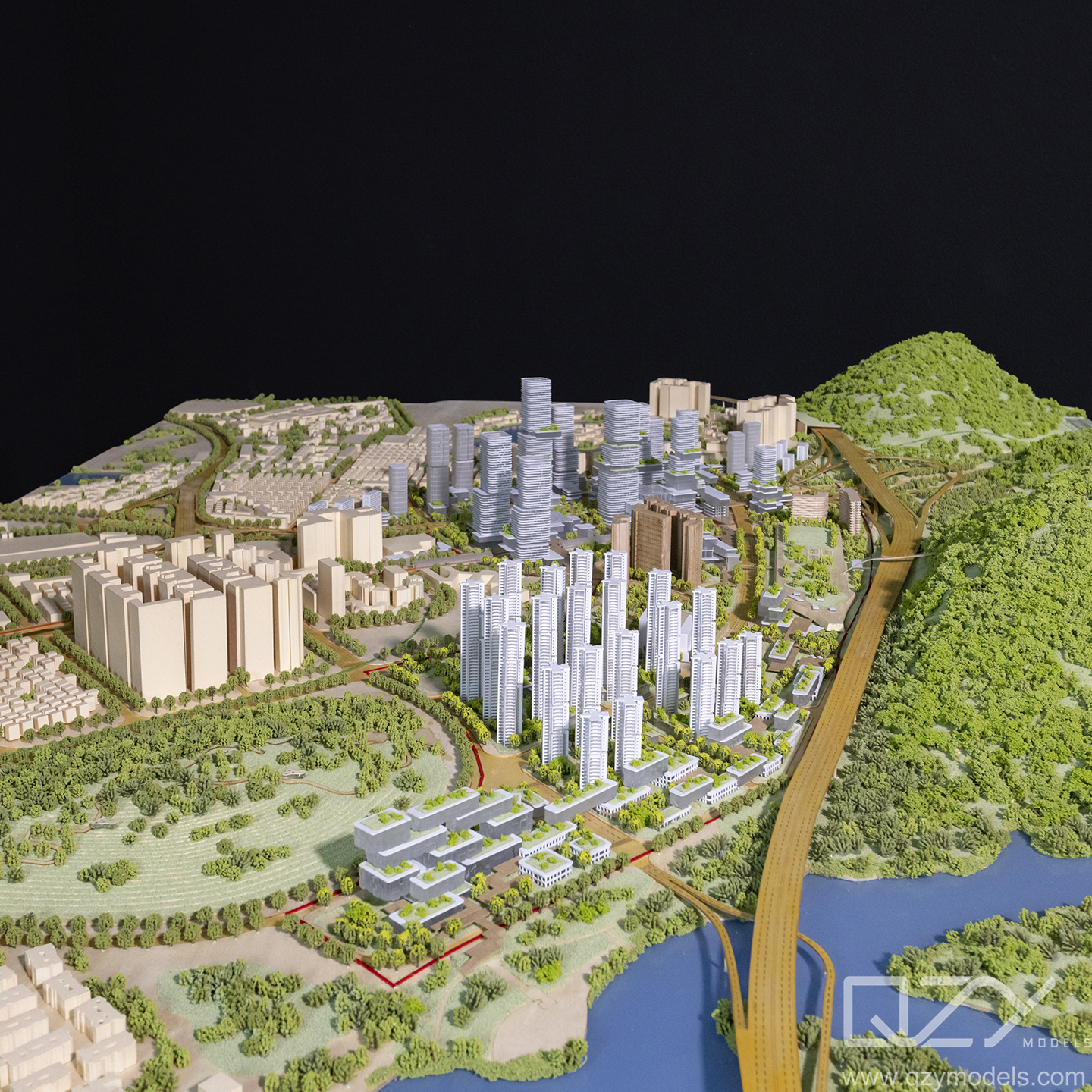
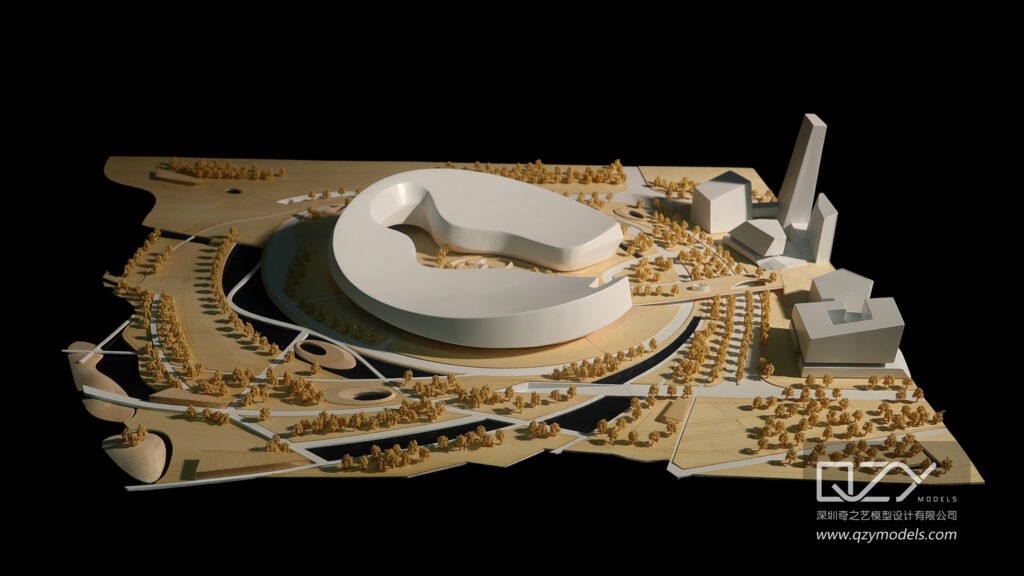
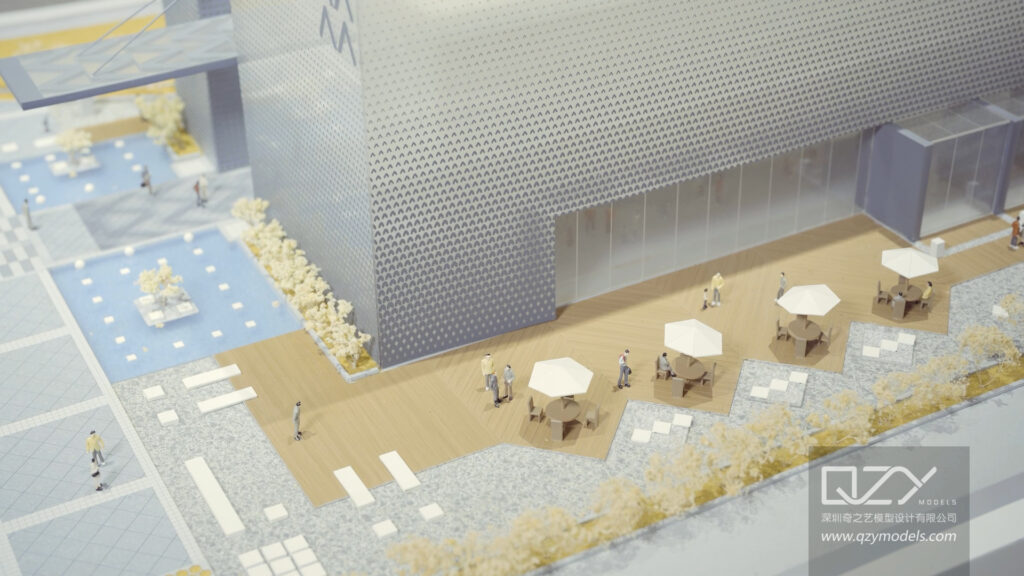
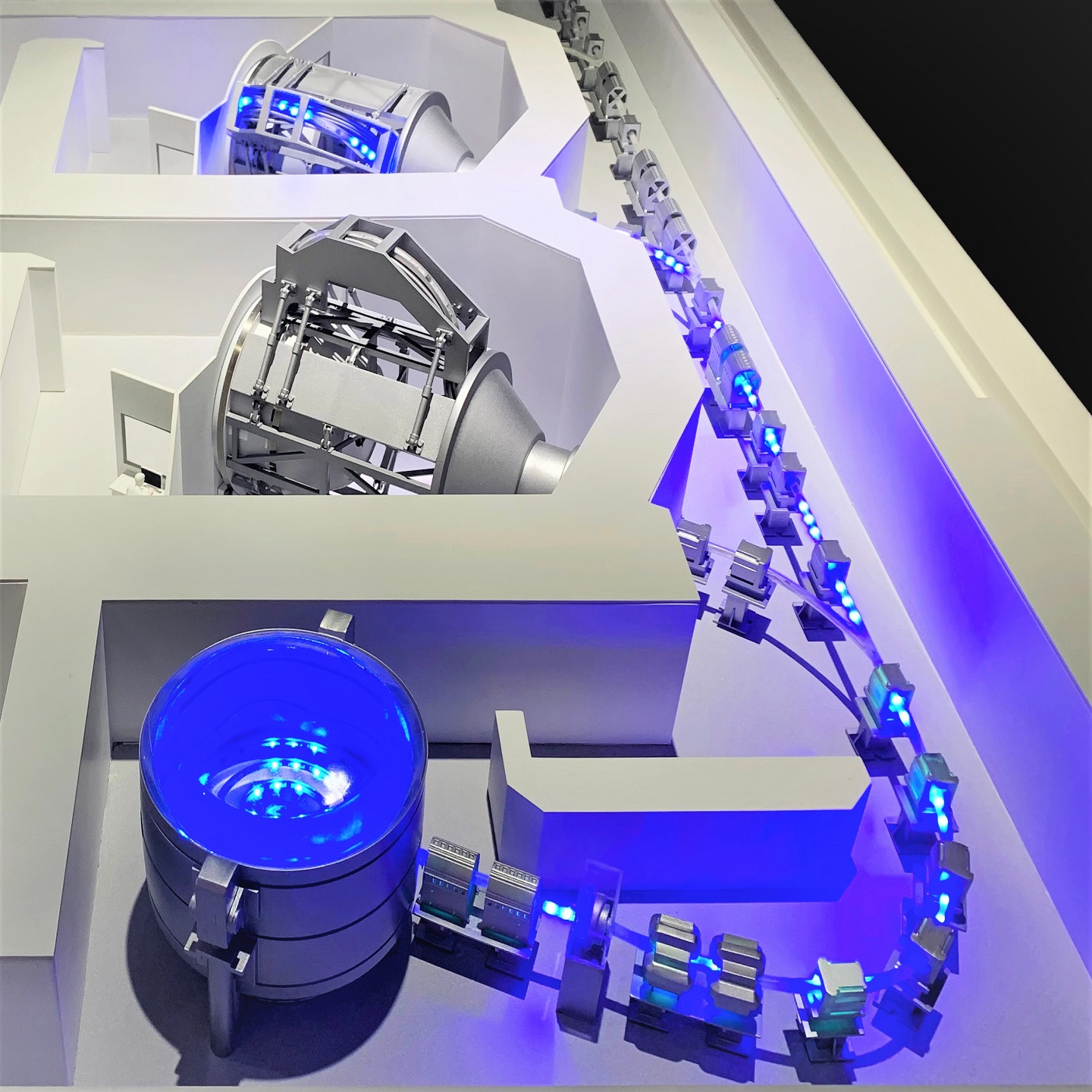
Wood modeling workshops deliver practical training in precision cutting, assembly, and finishing techniques for architectural and industrial models. These sessions empower participants with industry-standard skills, boosting career prospects in design fields. Local access to expert-led classes ensures immediate application, reducing the learning curve by up to 40% compared to self-study methods.
How Is the Wood Modeling Education Landscape Evolving?
The global model-making sector reached USD 8.3 billion in 2024, with educational demand surging due to architecture and STEM program expansions. A Softwood Lumber Board report notes that over 3,500 architecture students from 95 North American schools engaged in wood design competitions in the past decade. Yet, 65% of aspiring modelers cite limited access to structured hands-on training as a primary barrier to skill development.
Independent learners and design students often struggle with inconsistent material handling and tool proficiency, leading to frequent project failures. Regional disparities exacerbate this, as urban areas host 70% of workshops while rural participants travel hours or abandon pursuits altogether.
Industry surveys reveal that 52% of entry-level model makers lack workshop experience, resulting in higher error rates and extended training periods on professional teams.
What Limits Traditional Self-Study and Online Learning?
Self-taught approaches rely on scattered YouTube tutorials and generic kits, yielding uneven skill mastery and no feedback on technique flaws. Online courses provide theory but omit tactile practice, with completion rates below 30% due to absent real-time guidance.
Community college programs face scheduling conflicts and outdated equipment, serving only 20% of interested students effectively. These methods fail to simulate professional workflows, leaving participants unprepared for client deadlines or collaborative projects.
Fragmented resources also inflate costs, as trial-and-error material waste accumulates 2-3 times higher than guided workshop outputs.
How Does QZY Models Enhance Workshop Experiences?
QZY Models, established in 2013 in Shenzhen with branches across the UAE and Europe, partners with educational institutions to host specialized wood modeling workshops. These sessions feature hands-on modules using professional-grade tools and materials sourced from their global supply chain.
Participants gain access to certified instructors with 20+ years of experience, covering scale accuracy, joinery techniques, and finishing for architectural models. QZY Models supplies custom kits tailored to workshop curricula, ensuring consistent quality and project scalability.
Global outreach includes virtual-hybrid formats for international accessibility, aligning with client needs from Foster + Partners to Vanke developers.
Which Workshop Features Outperform Conventional Options?
| Aspect | Traditional Methods | QZY Models Workshops |
|---|---|---|
| Instruction | Solo or video-based | Expert-led, live feedback |
| Materials | Generic, inconsistent | Professional-grade kits |
| Duration to Proficiency | 6-12 months | 4-6 weeks intensive |
| Feedback Mechanism | None or delayed | Real-time critiques |
| Certification | Informal | Industry-recognized |
| Cost Efficiency | High waste | Structured, low-error |
What Steps Follow Enrolling in a Wood Modeling Workshop?
-
Registration and Assessment: Select local or hybrid session; complete skill baseline quiz.
-
Pre-Workshop Prep: Receive QZY Models kit with wood types, tools, and digital plans.
-
Core Sessions: Attend 8-12 hours of guided practice on cutting, assembly, and detailing.
-
Project Build: Construct a full-scale model with peer review and instructor adjustments.
-
Evaluation and Certification: Submit portfolio; earn verifiable completion credential.
-
Follow-Up Support: Access online resources and advanced module recommendations.
Who Gains Most from Local Wood Modeling Workshops?
Case 1: Architecture Student
Problem: Theoretical knowledge without practical assembly skills delayed thesis projects.
Traditional Approach: Online videos led to misaligned structures.
QZY Models Workshop Effect: Hands-on sessions achieved 95% accuracy in first build.
Key Benefit: Accelerated portfolio readiness for internships.
Case 2: Hobbyists Transitioning to Pros
Problem: Inconsistent finishes undermined freelance pitches.
Traditional Approach: Trial kits wasted materials monthly.
QZY Models Workshop Effect: Technique mastery cut rework by 50%.
Key Benefit: Secured first client contract within weeks.
Case 3: Design Teachers
Problem: Outdated demos failed to engage students.
Traditional Approach: Basic school tools lacked precision.
QZY Models Workshop Effect: Updated methods boosted class project success to 90%.
Key Benefit: Enhanced curriculum credibility and funding.
Case 4: Career Changers in Urban Planning
Problem: No modeling experience hindered job applications.
Traditional Approach: Self-study yielded amateur results.
QZY Models Workshop Effect: Professional prototype impressed hiring panels.
Key Benefit: Landed entry-level role with 25% salary uplift.
Why Invest in Workshops Before Trends Accelerate?
Physical modeling demand persists amid digital tools, with mass timber education projected to grow 15% annually through 2030. Early skill acquisition positions participants ahead as hybrid wood-steel projects rise in architecture firms.
QZY Models workshops align with this shift, offering scalable training that translates directly to high-value careers in real estate, exhibitions, and industrial design.
FAQ
1. Where can I find QZY Models wood modeling workshops near me?
QZY Models lists sessions through partners in major cities and offers location search on their platform for UAE, China, and EU hubs.
2. What skill level qualifies for beginner workshops?
No prior experience required; sessions start with fundamentals for complete novices.
3. How long does a standard wood modeling workshop last?
Most run 2-3 days intensive or 4-6 weekly evenings, totaling 20 contact hours.
4. Does QZY Models provide materials for workshop participants?
Yes, all kits including woods, hardware, and tools are supplied at no extra cost.
5. Can workshops lead to professional certifications or jobs?
Graduates receive credentials recognized by design firms, with many advancing to QZY projects.
Sources
-
Softwood Lumber Board: SLB January 2026 Newsletter
-
Softwood Lumber Board: SLB September 2025 Newsletter
-
BigFuture Career Search: Wood Model Makers Overview
-
NCES: Projections of Education Statistics to 2026
-
MarketsandMarkets: Architectural Model Making Trends
-
QZY Models Educational Partnerships Overview