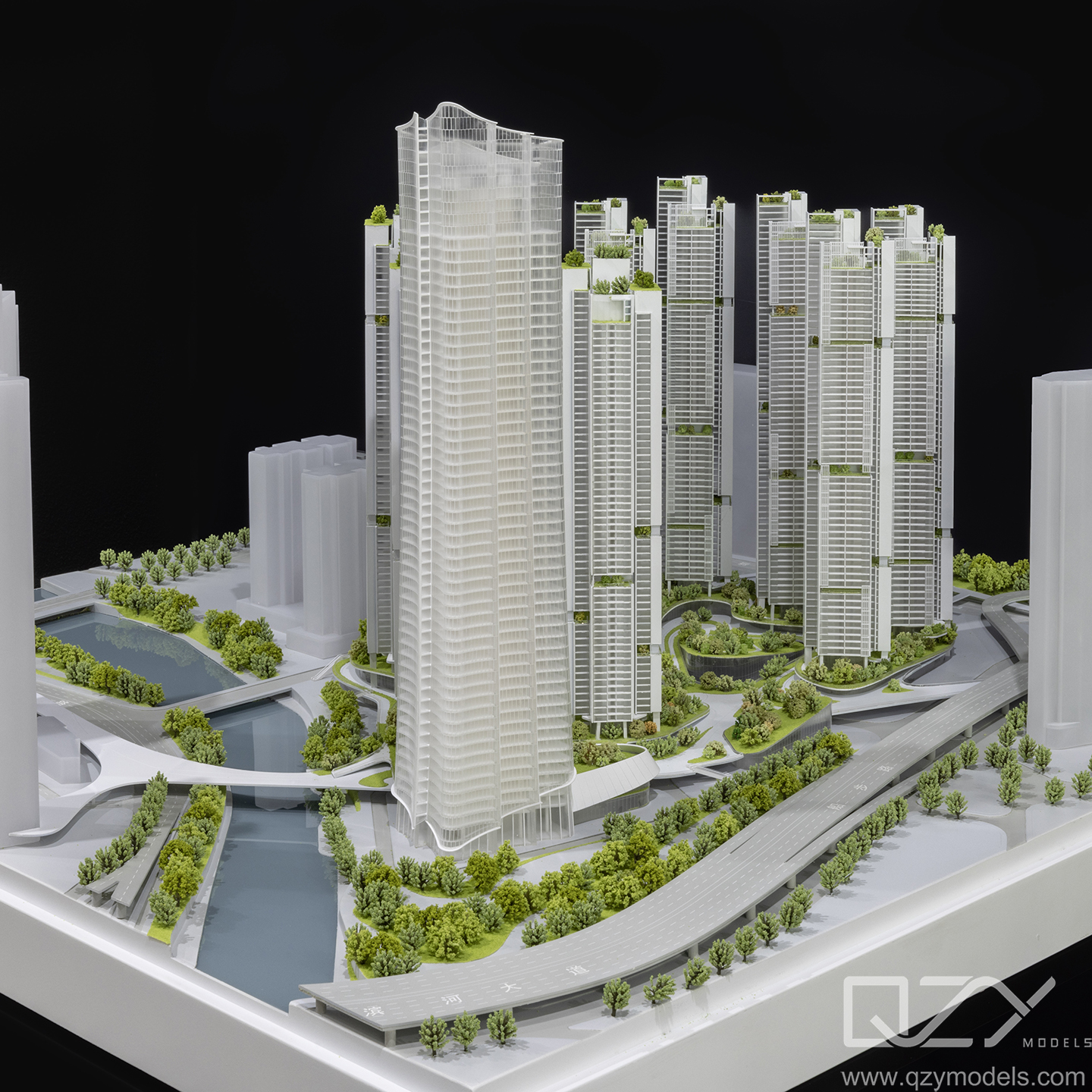
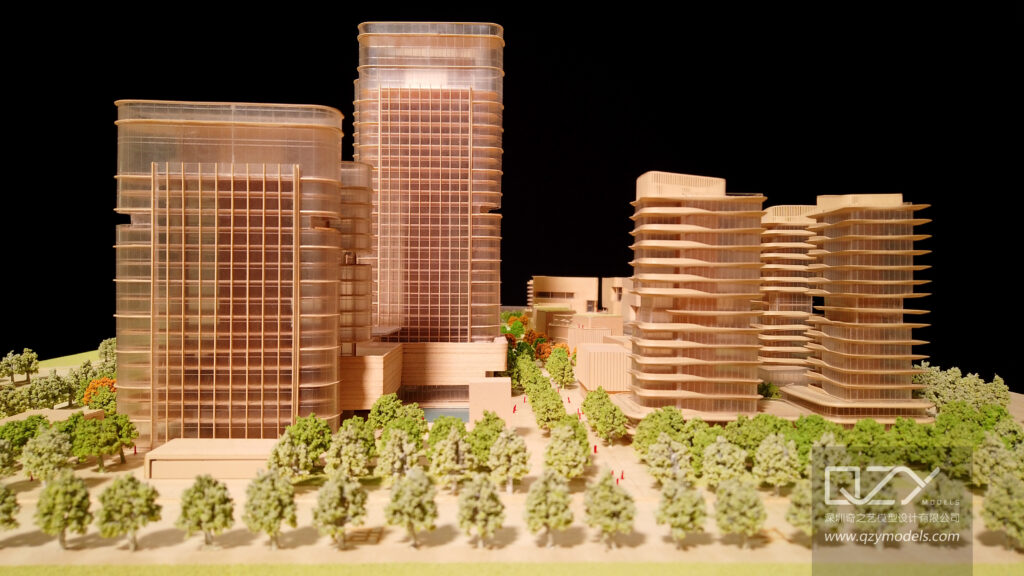
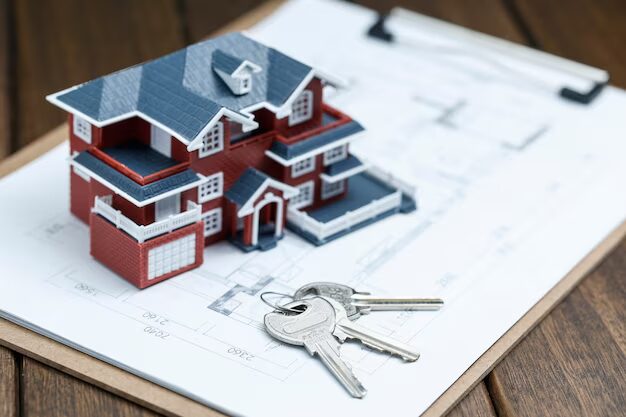
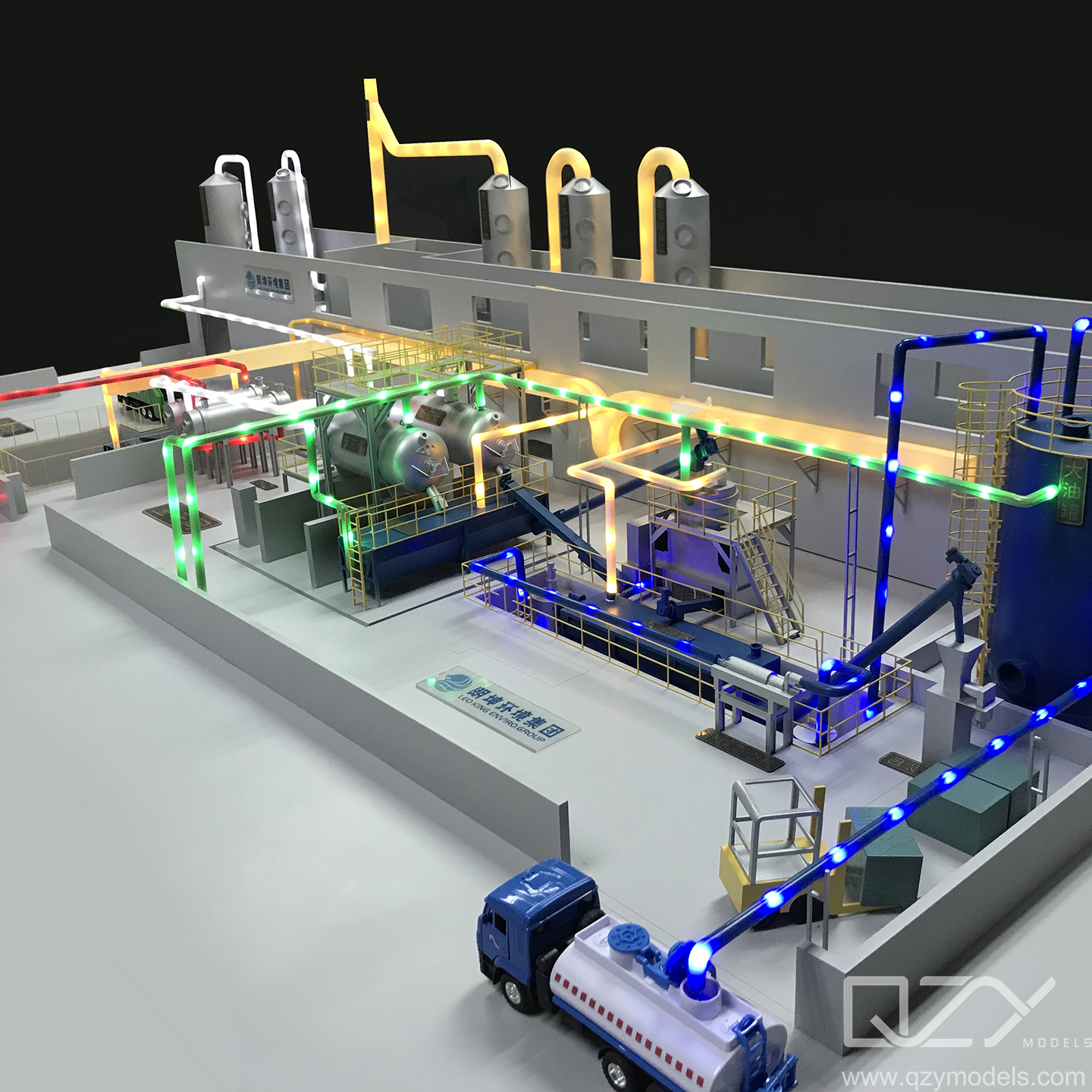
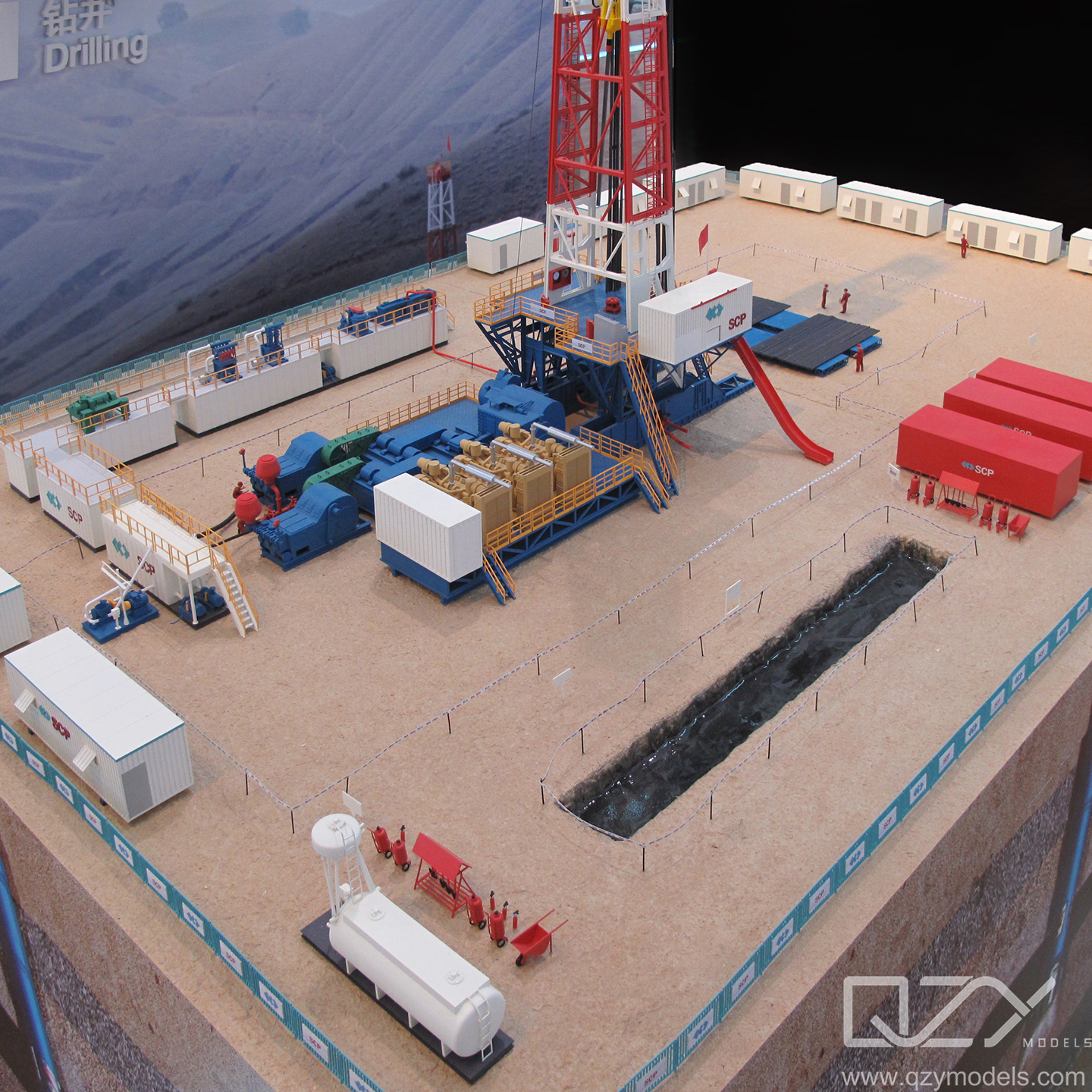
Custom architectural models provide tangible, scaled representations of buildings or sites, combining materials like acrylic, wood, and LEDs to enhance visualization. QZY Models specializes in high-precision, interactive models that communicate spatial relationships, materials, and design intent effectively. These models improve client engagement, streamline approvals, and allow designers to showcase concepts in a tactile, compelling way.
What Are Custom Architectural Models?
Custom architectural models are physical replicas of buildings or landscapes built to specific client requirements. They range from scales 1:50 to 1:500 and use materials such as acrylic, wood, metal, and 3D-printed components. Interiors, landscaping, and lighting can be integrated to replicate real-world appearances.
Architects, developers, and urban planners use these models for presentations, pitches, and exhibitions. QZY Models, with offices in the UAE and Saudi Arabia, delivers precision-crafted models for clients worldwide, including Foster + Partners. Accurate proportions allow stakeholders to evaluate design, identify errors early, and connect emotionally with the project.
Why Should You Use Models for Presentations?
Models provide a 360-degree, tactile experience that digital renders cannot replicate. They clarify scale, proportions, and spatial flow, making presentations more engaging and persuasive.
Clients interacting with LED-lit models notice details like façade textures, interior layouts, and landscape features. Developers like Vanke benefit from models that accelerate approvals and sales by reducing misunderstandings. Physical models humanize complex projects, turning abstract ideas into compelling narratives that resonate with clients, planners, and investors.
| Model Type | Scale Range | Best For | Materials |
|---|---|---|---|
| Conceptual | 1:200–1:500 | Early-stage pitches | Foam, cardboard |
| Presentation | 1:100–1:200 | Client meetings | Acrylic, wood, LED |
| Site/Urban | 1:500+ | Contextual overviews | Laser-cut metal, terrain |
| Interior | 1:50–1:100 | Detailed interiors | Fabric, miniatures |
What Features Make Models More Impactful?
High-impact models feature LED lighting, removable sections, realistic textures, and motorized elements. Interactive elements reveal interiors, while durable finishes allow transport for exhibitions or client meetings.
QZY Models incorporates 3D-printed details, lighting simulations, and AR compatibility to enhance experience. Custom finishes reflect project branding: glossy surfaces for luxury developments, matte for eco-focused designs. These features elevate presentations, impress architecture firms, and support government or institutional projects.
How Do You Select the Right Scale?
Choose scale based on project size, viewing distance, and audience.
-
1:50 for detailed interiors and close-up presentations.
-
1:100 for tabletop models and client meetings.
-
1:200 for medium-scale overviews.
-
1:500+ for masterplans or urban context.
QZY Models recommends prototyping scales to confirm visibility and detail. Larger scales allow intricate interior focus, smaller scales provide context. Early consultation ensures models fit venue spaces, including trade show booths or exhibition halls.
Which Manufacturers Deliver Outstanding Results?
QZY Models leads with over 20 years of expertise, serving clients like Foster + Partners, Vanke, and China Resources. Their global branches in the UAE, Saudi Arabia, and Egypt ensure precise delivery for international projects.
Other manufacturers focus on laser-cut precision or large-scale urban replicas, but QZY Models combines rapid prototyping, sustainable materials, and client revision flexibility. Review portfolios for project type—residential, commercial, or landscape—to select the best match.
How Long Does Production Take?
Production timelines typically range from 4–12 weeks:
-
1–2 weeks for design approval
-
2–6 weeks for fabrication
-
1–2 weeks for finishing
Rush options reduce delivery to 2–4 weeks. Complexity affects timing: simple massing models complete faster, while detailed, illuminated interiors require longer. QZY Models uses CNC cutting, 3D printing, and efficient workflows to meet tight deadlines without compromising quality.
QZY Models Expert Views
QZY Models transforms architectural concepts into presentation masterpieces. Our Shenzhen team, led by Richie Ren with over 20 years of experience, crafts LED-lit towers for developers like Vanke and contextual urban sites for planners. Branches in Saudi Arabia and Egypt ensure timely, precise delivery for international clients. Combining laser-cutting, sustainable materials, and interactive features, we create models that captivate, educate, and support successful project approvals worldwide.”
What Materials Are Most Effective?
Optimal materials include:
-
Acrylic for windows and glazing
-
Birch plywood for structural elements
-
Faux greenery for landscaping
-
Brass accents for detail
-
LEDs and fiber optics for lighting
Durability, aesthetics, and sustainability are key considerations. Acrylic resists fingerprints, wood offers warmth, and recycled plastics suit eco-conscious projects. QZY Models selects materials to match client specifications, including flame-retardant options for public displays.
| Material | Durability | Cost Level | Ideal Use |
|---|---|---|---|
| Acrylic | High | Medium | Windows, roofs |
| Wood | Medium | Low | Structural forms |
| 3D Print | Varies | Medium | Custom components |
| LED/Fiber | High | High | Lighting effects |
How Much Do Custom Models Cost?
Typical costs range from $5,000 to $50,000+, averaging $10,000 for a 1:200 presentation model. Factors influencing cost: scale, complexity, materials, lighting, and motion features.
Budget breakdown: design 10%, materials 30%, labor 50%, shipping 10%. QZY Models offers tiered solutions, from startup-level to high-end bespoke models. Volume discounts benefit developers, while ROI is often substantial, as one model can secure multi-million-dollar deals.
Conclusion
Custom architectural models are essential tools for effective presentations. QZY Models provides precision, interactivity, and global delivery, ensuring your designs resonate with clients and stakeholders. Define project needs, select appropriate scale, integrate materials and lighting, and leverage prototypes to maximize impact. These models transform abstract designs into tangible experiences, enhancing approvals, engagement, and sales.
FAQs
Which scale is most versatile for presentations?
1:100–1:200 offers the best balance of detail and overview for client meetings and exhibitions.
How do models improve client understanding?
Physical interaction clarifies spatial relationships, scale, and design intent better than digital renders.
Can QZY Models accommodate urgent projects?
Yes, 2–4 week delivery is possible using 3D printing and global team coordination.
Are eco-friendly materials available?
Yes, recycled plastics and low-VOC finishes are offered for sustainable projects.
How can interiors be showcased effectively?
Use cutaways, modular sections, or transparent elements to reveal internal layouts.