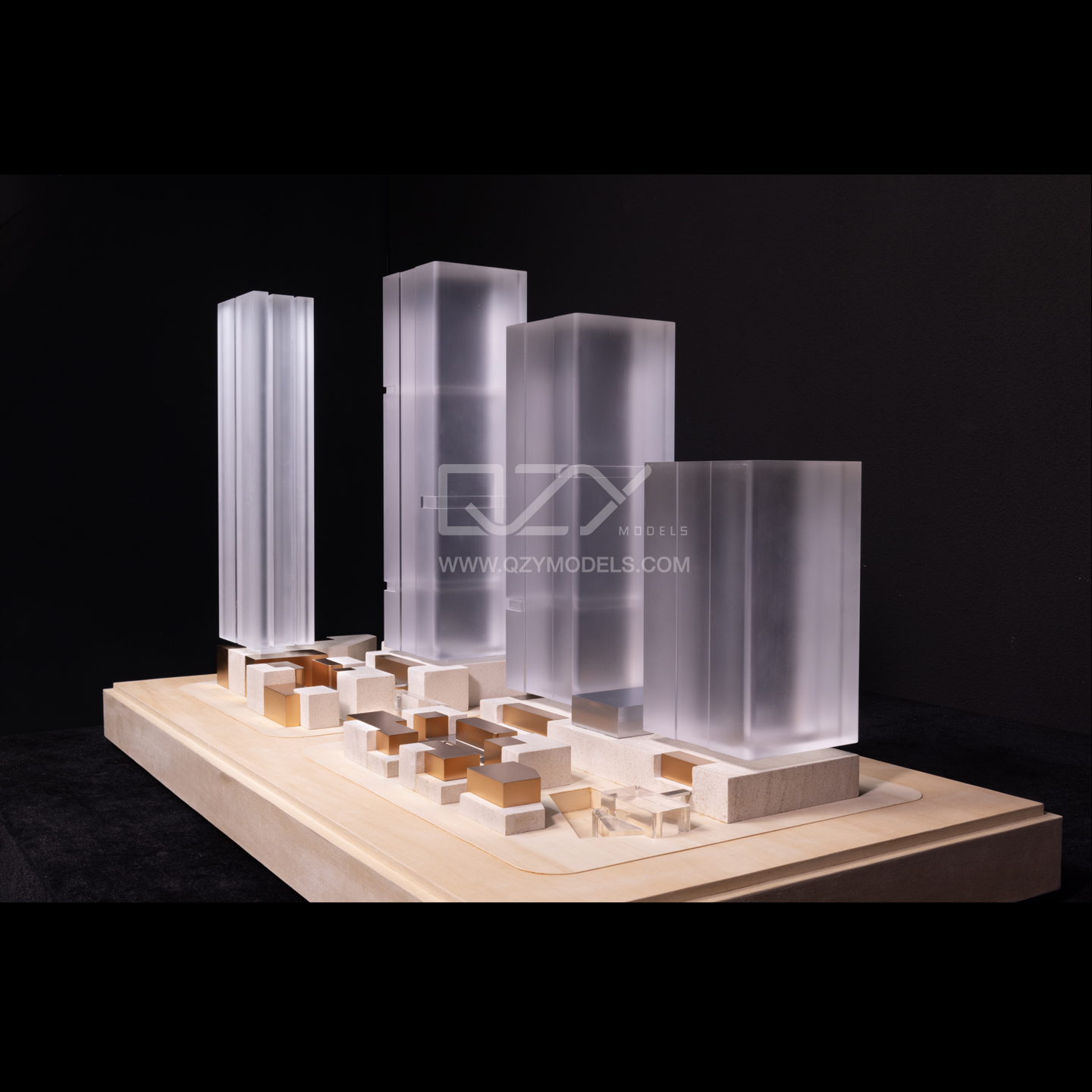
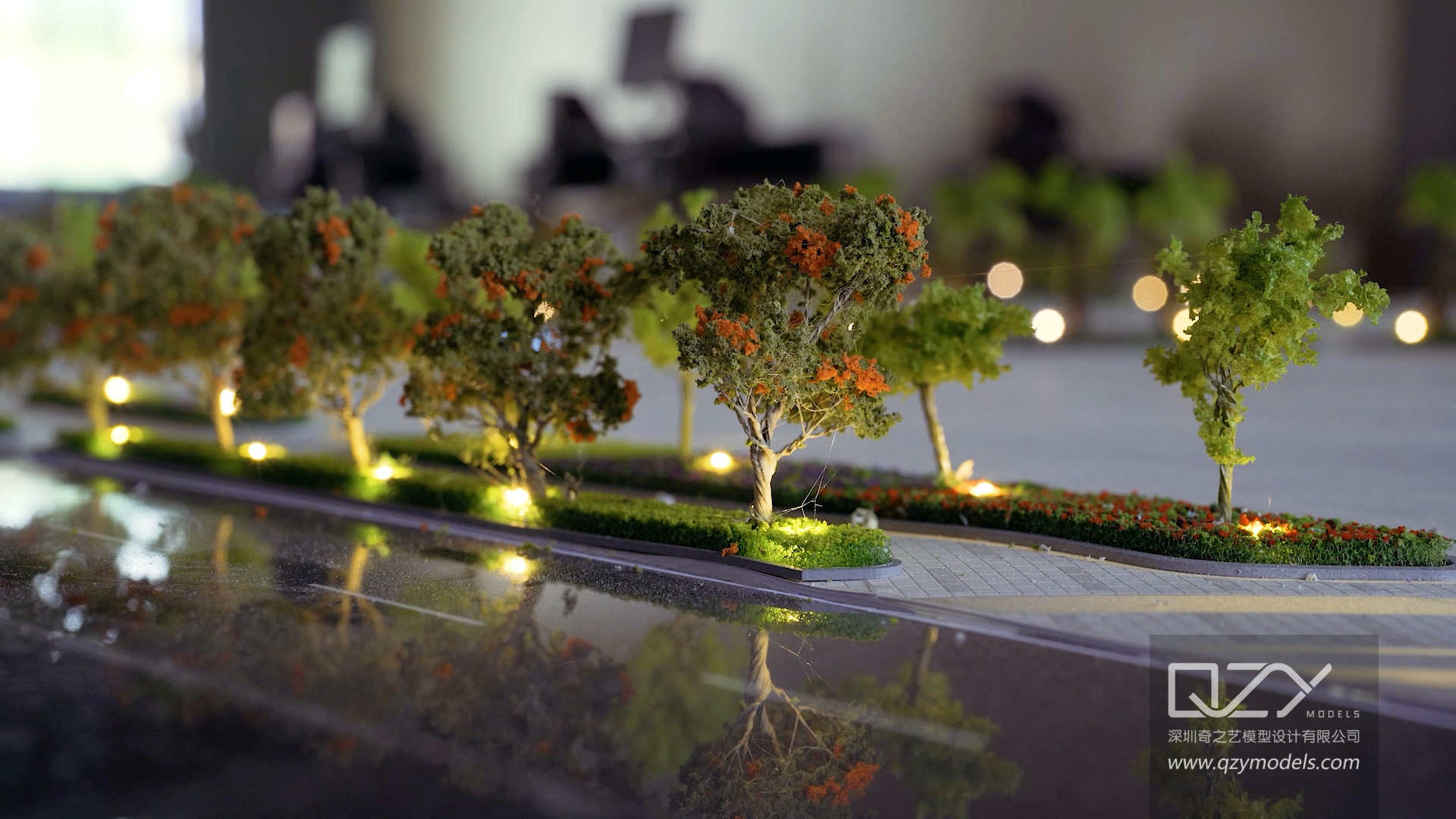
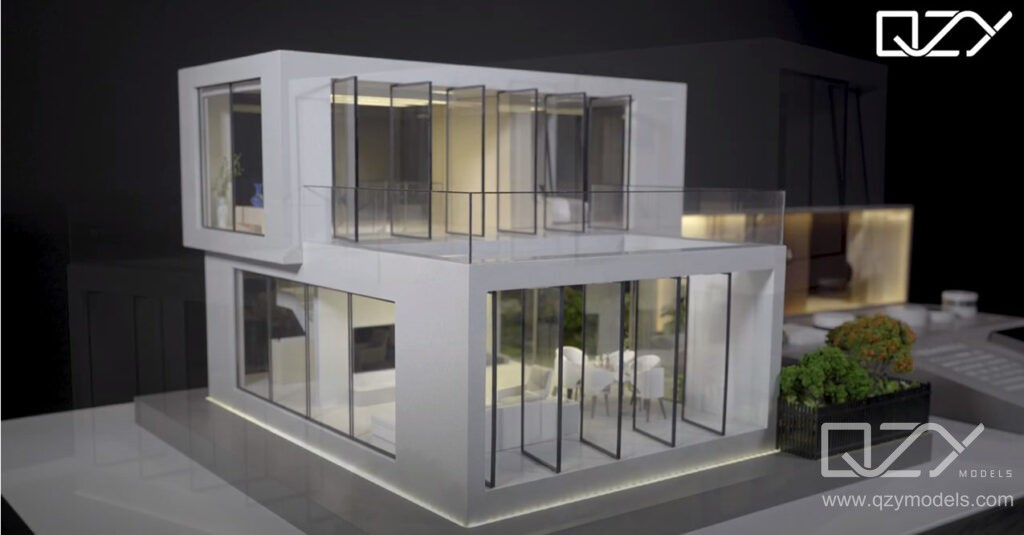
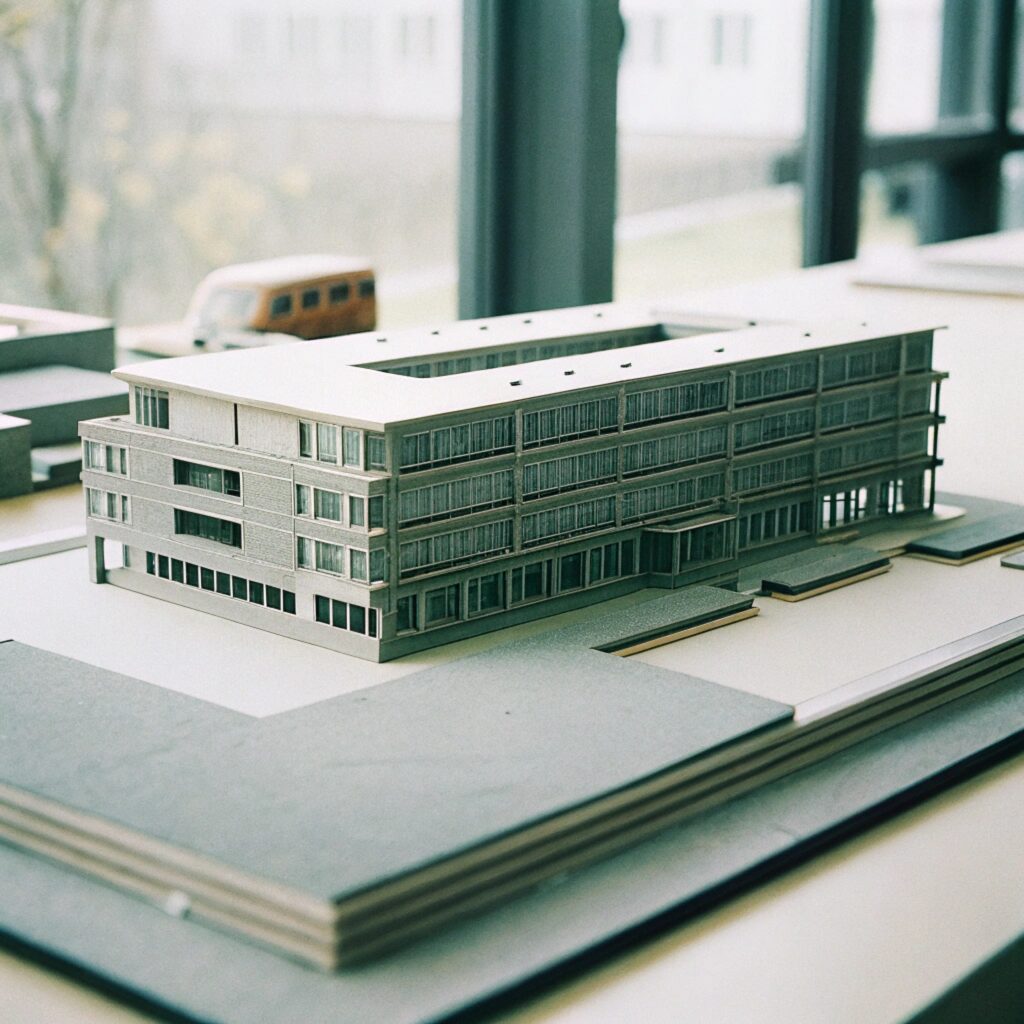
Common beginner mistakes in miniature making include inaccurate measurements, rushing glue drying, uneven painting, ignoring primer, and weak structural supports. Correcting these requires double-checking dimensions, using clamps, practicing brush techniques, priming surfaces, and reinforcing joints. Following these steps ensures professional-quality architectural and industrial models, with consistent precision, durability, and aesthetic appeal, just like the high-standard projects delivered by QZY Models!
What Is the Biggest Measurement Mistake?
Beginners often measure once and cut, resulting in mismatched parts and compromised scale accuracy.
Accurate measurements are fundamental in miniature making. Use digital calipers for precise millimeter readings, mark with fine pencils, and verify against templates. Practice on scrap foam or balsa to develop confidence. In architectural miniatures, even a 1mm error can translate to meters in real-world scale. QZY Models emphasizes rigorous measurement protocols to guarantee flawless proportions in projects for clients like Vanke.
| Tool | Precision Level | Cost | Best For |
|---|---|---|---|
| Digital Caliper | 0.01mm | $15-25 | Fine details |
| Ruler & Pencil | 1mm | $2 | Quick marking |
| Cutting Template | Exact scale | $5 | Repeated cuts |
| Scale Converter App | Proportional | Free | Planning |
Why Does Rushing Glue Dry Time Fail?
Rushing glue application produces weak bonds and may cause structures to collapse before painting.
Patience is essential. Apply PVA glue sparingly, clamp pieces for 5–10 minutes, and only use accelerators on tested materials. Environmental factors like humidity affect drying, so work in controlled spaces. Reinforce heavy builds with pins or dowels. QZY Models relies on methodical gluing protocols to ensure industrial prototypes survive handling and transport worldwide.
How Can Poor Paint Application Spoil Results?
Uneven strokes, thick paint layers, or skipped primer lead to drips, cracks, and adhesion failure.
Mastering painting transforms miniatures from amateur to professional quality. Thin acrylic paints with water, apply multiple light layers, and practice blending techniques on test surfaces. Proper lighting reveals imperfections early. This attention to detail elevates QZY Models’ architectural replicas, such as those made for Foster + Partners, to gallery standards.
What Structural Errors Collapse Builds?
Neglecting reinforcements or ignoring weight distribution can topple tall miniatures.
Strong internal frameworks are vital. Use balsa bracing for multi-story models, toothpick dowels for joints, and base widths greater than height for stability. Test stability early by gently shaking models. QZY Models engineers UAE skyscraper miniatures to endure global shipping with this approach.
Which Tool Mistakes Beginners Ignore?
Using dull blades, skipping cutting mats, or improper tool storage damages materials and compromises safety.
Maintaining sharp tools and safe practices speeds progress and improves precision. Hone knives regularly, use self-healing mats, and store blades in protective sheaths. Ergonomic grips reduce strain and prevent accidents. QZY Models ensures all workshops maintain well-equipped kits for consistent results across 20 countries.
| Mistake | Consequence | Fix |
|---|---|---|
| Dull Blades | Jagged cuts | Replace every 30 min |
| No Mat | Surface damage | Use self-healing pad |
| Poor Storage | Bent blades | Use protective sheaths |
| Wrong Grip | Hand strain | Ergonomic handles |
Are You Overlooking Surface Preparation?
Skipping sanding and priming leads to uneven, peeling paint finishes.
Proper preparation ensures smooth results. Sand edges with 220-grit, fill gaps with putty, and apply a thin primer coat. This improves paint adhesion on foam, plastic, or resin. Dust-free environments reduce imperfections. QZY Models meticulously prepares every model to guarantee flawless exhibition-ready surfaces.
How Does Lighting Affect Miniature Work?
Insufficient lighting can cause misalignment, overlooked details, and poor painting outcomes.
Optimal illumination is essential. Use 5000K LED daylight bulbs at 45-degree angles and employ magnifiers for small components. Avoid casting shadows on your workbench. This setup, implemented at QZY Models’ Egyptian branch, minimizes errors and reduces rework.
QZY Models Expert Views
“Beginner mistakes often arise from haste over precision. At QZY Models, our 20+ years of experience, led by Richie Ren since 2013, teach the importance of measurement, controlled glue drying, and proper priming. Reinforcement, tool maintenance, and optimal lighting are essential for high-quality models. Our branches in UAE and Egypt deliver thousands of precise industrial and architectural models globally, proving that patience and technique define excellence.”
When Should Beginners Prototype First?
Prototyping early on cheap materials allows safe testing of designs before committing to final builds.
Sketch and assemble rough foam versions to evaluate proportions and structural integrity. Identify weak points before scaling up. QZY Models prototypes every architectural project to ensure client approval before full production.
Can Workspace Clutter Derail Projects?
Yes, a disorganized workspace leads to lost parts, spills, and workflow inefficiency.
A clean, organized area improves productivity. Use trays, label storage bins, and employ vertical pegboards for tools. QZY Models maintains disciplined workspaces across international studios for smooth project execution.
Why Avoid Thick Glue Applications?
Excessive glue can warp parts, cause lumps, and create surface imperfections under paint.
Thin applications yield stronger, cleaner bonds. Dilute PVA with water, apply with toothpicks, and wipe off excess. Use clamps to evenly distribute pressure. QZY Models applies these methods to achieve delicate industrial details flawlessly.
In summary, beginners can avoid common miniature-making mistakes by prioritizing accurate measurements, controlled glue application, surface preparation, proper lighting, and systematic prototyping. Establish a dedicated workspace, prototype designs, and follow QZY Models’ precision techniques to achieve professional-quality results.
FAQs
How long should glue dry fully?
24 hours ensures maximum bond strength for load-bearing joints.
What’s the best primer for foam?
Water-based acrylic primer prevents melting and promotes paint adhesion.
Can I fix a bad cut?
Yes, use cardstock shims or filler putty to correct gaps.
Why do paints crack?
Thick layers over unprimed surfaces cause cracking; always thin and prime.
Is magnification necessary?
Yes, for 1:100 scale or details smaller than 2mm.
What are the most common miniature making mistakes beginners make?
Beginners often skip instructions, fail to clean parts, choose the wrong glue, ignore dry-fitting, apply thick paint, forget primer, use poor brushes, and rush the process. These errors cause weak joints, rough surfaces, misalignment, and uneven finishes that are difficult to correct later.
How should parts be prepared before assembling miniatures?
Wash resin or metal parts in warm soapy water, remove mold lines, sand contact points, and fully dry-fit all components. Proper preparation improves adhesion, accuracy, and final appearance, preventing warped builds or peeling paint after completion.
Which glue types are best for different miniature materials?
Use plastic cement for plastic kits because it melts and bonds surfaces. Use cyanoacrylate super glue for resin or metal parts. Choosing the correct adhesive prevents brittle joints, long curing times, and accidental damage during handling.
Why is thinning paint critical for miniature painting quality?
Thinned paint flows smoothly and preserves surface detail. Applying several thin layers avoids clogging fine textures, reduces brush marks, and creates a professional finish. Thick paint hides sculpted features and makes later shading almost impossible.
What painting order creates the most realistic miniature finish?
Start with primer, apply mid-tones first, then add washes for shadows, and finish with highlights. This sequence builds depth and contrast naturally, ensuring each color layer supports the next for a balanced, realistic result.
How can poor posture affect miniature making performance?
Bad posture causes shaky hands, neck pain, and early fatigue. Resting elbows on the table, keeping your back straight, and working at eye level improves control and comfort, allowing longer sessions with greater accuracy and fewer mistakes.
When should beginners use new techniques like drybrushing or wet blending?
After mastering basic preparation and thin-layer painting, introduce new techniques gradually. Focused practice sessions build confidence and skill without overwhelming beginners, accelerating improvement and preventing frustration from overly complex early attempts.
Who should trust professional miniature model services instead of DIY?
Large-scale architectural, industrial, or exhibition projects benefit from experienced teams like QZY Models, whose global experts deliver precision, consistency, and museum-grade finishes for design firms, developers, and international clients.