Quick Answer
Spending more on an architectural model doesn’t guarantee investor interest.
Most failures happen because the model is built without a clear presentation goal, not because it lacks quality.
The real win comes from matching the model to the investor’s expectations, not just increasing the budget.
Intro
You spend money on a model and expect it to impress investors.
But the meeting happens… and nothing really changes.
Investors look at it, but they don’t react the way you expected.
They don’t ask questions. They don’t show interest.
That moment feels confusing.
Because the model looked good.
But something still didn’t work.
It’s Not Always the Model
Most people think the model failed.
But that’s not true.
The real problem usually starts earlier — during planning.
If the idea is not clear, even an expensive model cannot fix it.
A strong result always comes from a clear process.
That’s why projects that follow a proper model process usually perform better.
Where the Budget Goes Wrong
This is where most of the money gets wasted.
Many decisions look right at the start, but they slowly create problems later.
One common mistake is starting too big too early.
People go for a detailed model when the project is still in an early stage.
At that point, a simple concept model can explain the idea better and save cost.
Another issue is focusing too much on detail.
Some parts look impressive, but they don’t actually help the investor understand the project.
And the biggest problem is not having a clear goal.
If you don’t know what the model should show, the result becomes confusing.
What Investors Actually Want
Investors are not looking for beauty.
They are looking for clarity.
They want to understand the project quickly and easily.
If the model makes them think too much, they start losing interest.
A good model should answer simple questions:
- What is the project?
- How does it work?
- Why does it matter?
If these answers are not clear, the model loses its purpose.
Why Expensive Models Still Don’t Work
There is a common belief that spending more will give better results.
But that is not always true.
Some expensive models fail because they try to show too much at once.
Too many elements, too many details, and no clear focus.
A simple and well-planned model often works better than a complex one.
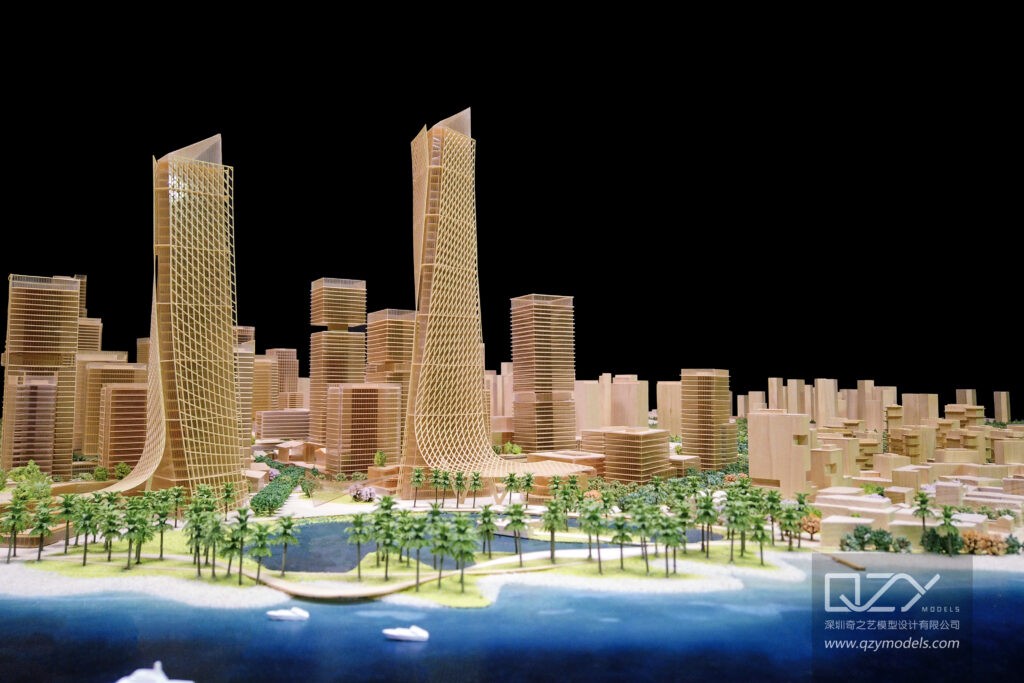
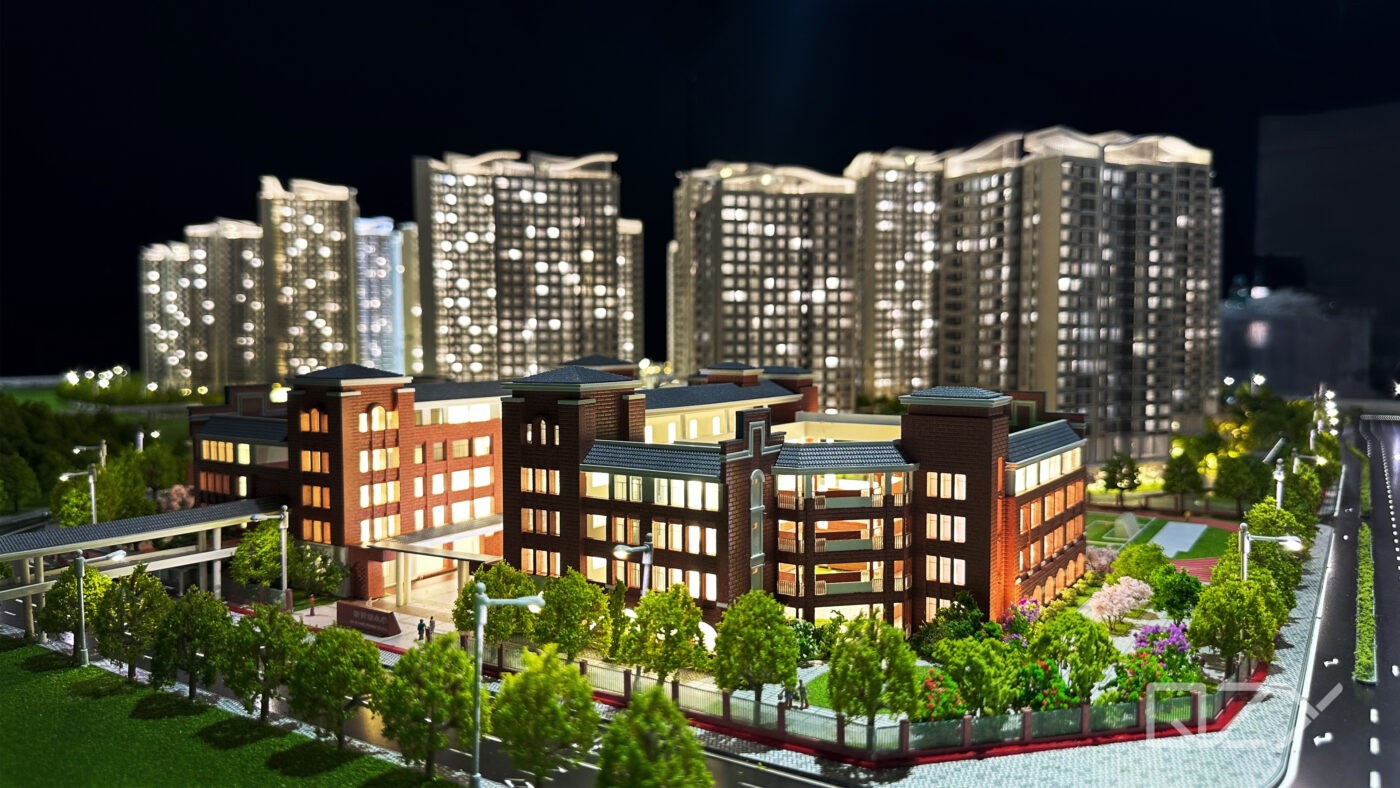
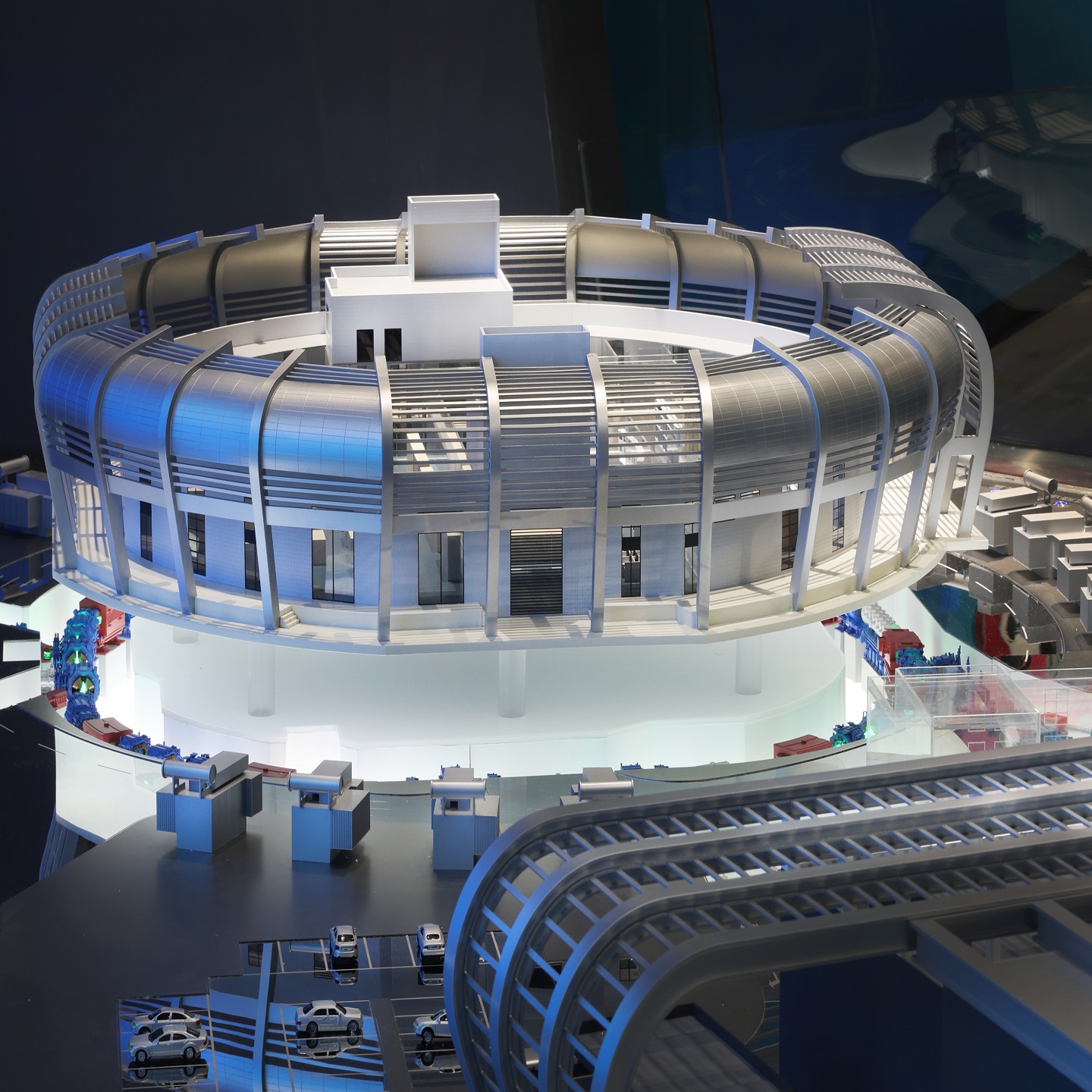
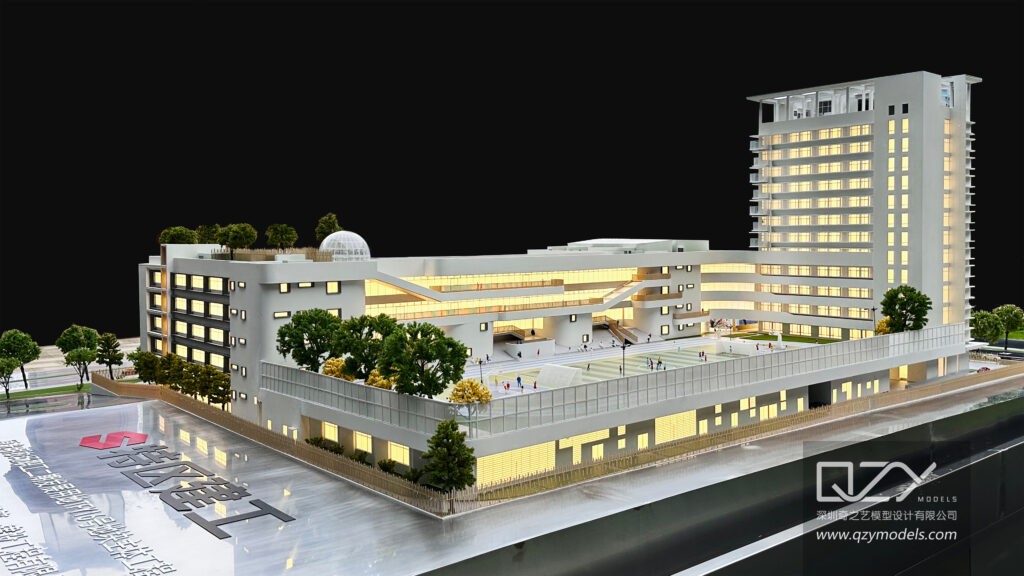
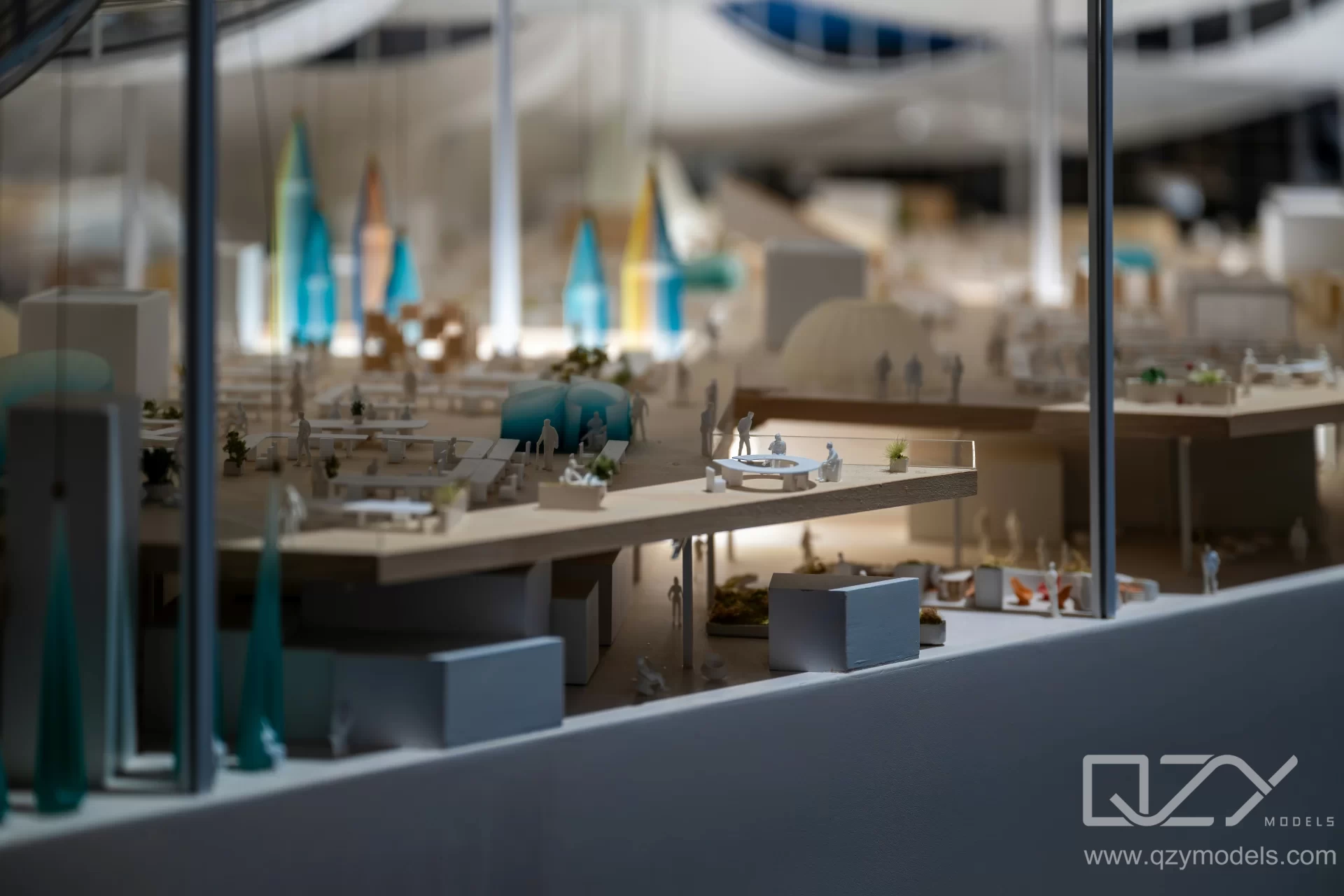
Strong high-end architectural models are not just detailed — they are designed to communicate clearly.
How to Make the Model Work
A model should not just look good.
It should make the idea easy to understand.
Focus on clarity instead of complexity.
Keep the important parts visible and remove anything that creates confusion.
The goal is not to impress with detail.
The goal is to guide attention in the right way.
Choosing the Right Model Matters
Different stages need different types of models.
- Early stage needs a simple model to explore ideas
- Mid stage needs structure and clarity
- Final stage needs detail and presentation quality
When you match the model with the stage, you avoid wasting money.
That’s why projects perform better when they use proper architectural model services instead of guessing what to build.
Spending more doesn’t guarantee better results.
What matters is using the right model for the right purpose.
This is exactly where experienced teams like QZY Models help you avoid costly mistakes and get real value from your model.
FAQs
Why do expensive architectural models fail?
Because they focus on detail instead of clear communication. If the idea is not easy to understand, the model won’t work.
2. What do investors actually want to see?
They want clarity. A model should quickly show what the project is and how it works.
3. Can a simple model still impress investors?
Yes. If it explains the idea clearly, a simple model can work better than a complex one.
4. When should I use a detailed model?
Only in the final stage, when the design is clear and ready to present.
5. How can I avoid wasting money on a model?
Choose the right model for your stage and avoid adding details that don’t help explain the project.
🌐 www.qzymodels.com
📧 [email protected]