Architectural models are more than miniature representations—they bring designs to life, making abstract concepts tangible and understandable. These models facilitate communication, help validate design decisions, and enhance client engagement. In this article, we explore the world of high-end architectural models, their benefits, techniques, and insights from industry leader QZY Models.
What Are Architectural Models and Why Are They Important?
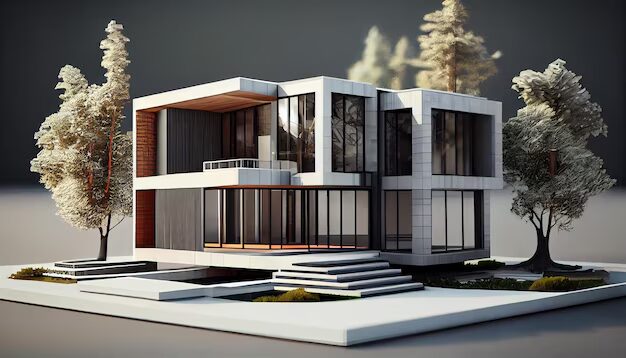
Architectural models are physical representations of building designs, used to visualize spatial arrangements, aesthetics, and structural relationships. They allow architects, clients, and stakeholders to fully understand the design intent before construction begins.
FAQ-style snippet: Architectural models help communicate ideas, identify design flaws, and improve client engagement by offering a realistic, hands-on visualization of the project.
Structured Insights
-
Visualization of Design Concepts: Provides clarity on complex spatial arrangements.
-
Design Validation: Detects errors early, reducing costly revisions.
-
Effective Communication: Fosters alignment among stakeholders.
-
Client Engagement: Creates immersive experiences that enhance collaboration.
Chart: Benefits of Architectural Models
| Benefit | Description |
|---|---|
| Visualization | Makes abstract designs tangible |
| Communication | Aligns architects, clients, and collaborators |
| Design Validation | Highlights flaws and potential improvements |
| Client Engagement | Encourages participation and ownership |
Custom High-End Architectural Models by QZY Models
QZY Models specializes in custom, high-end models that go beyond mere representation. Each model captures the essence of the design and aligns with the client’s vision.
FAQ-style snippet: QZY Models creates tailored architectural models that reflect both the aesthetic and functional intent of a project, ensuring a unique, high-quality deliverable.
Structured Insights
-
Essence-Capturing: Models express design narratives, not just forms.
-
New Perspectives: Innovative techniques reveal unseen design features.
-
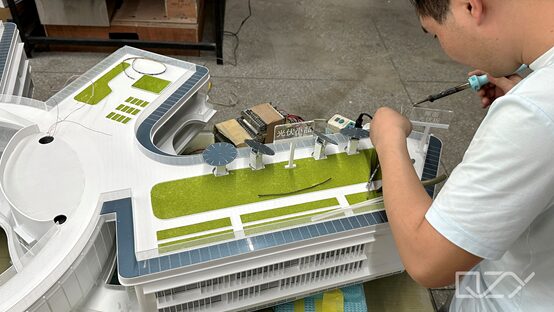
Materials & Technology: Advanced materials and precision tools deliver high fidelity.
-
Client Collaboration: Close cooperation ensures models meet expectations.
Table: QZY Models Custom Model Features
| Feature | Description |
|---|---|
| Narrative Representation | Expresses the story behind the design |
| Innovative Craftsmanship | Uses advanced materials and precision techniques |
| Tailored Solutions | Customized according to client requirements |
| Quality Assurance | Ensures accuracy, aesthetics, and structural integrity |
QZY Models Expert Views
“A high-quality architectural model is not just a tool—it is a communication bridge. It allows clients and architects to explore the design beyond drawings, uncovering details and spatial relationships that inspire better decisions. At QZY Models, we focus on precision, storytelling, and innovative craftsmanship to ensure each model is both functional and captivating.”
How Architectural Models Enhance Communication and Client Engagement
Models provide a tangible way to communicate complex architectural ideas, bridging gaps between technical drawings and client understanding. They also foster collaboration and involvement, giving clients a sense of ownership.
FAQ-style snippet: Physical models improve communication by visualizing abstract concepts and engaging clients through interactive and immersive experiences.
Structured Insights
-
Stakeholder Alignment: A model serves as a common reference point for discussions.
-
Interactive Presentation: Clients can physically explore the model for a better understanding.
-
Marketing & Visualization: High-quality models are effective for presentations, exhibitions, and sales.
Practical Applications and Industry Uses
Architectural models are used across various sectors: residential, commercial, urban planning, interior design, landscape design, and industrial design. They support exhibitions, investor presentations, academic research, and private collections.
FAQ-style snippet: Architectural models are versatile tools used in design validation, presentations, exhibitions, and educational purposes.
Structured Insights
-
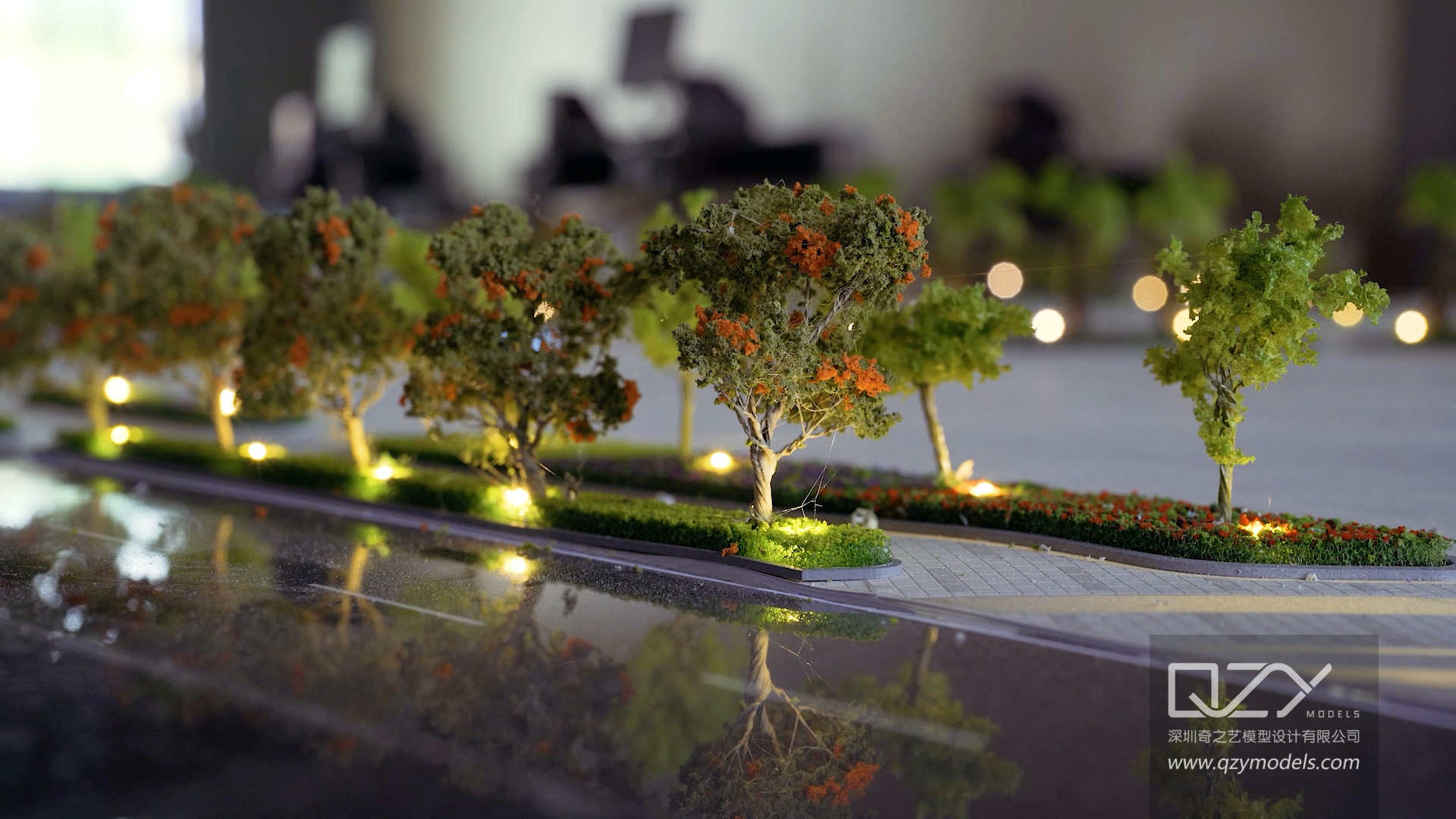
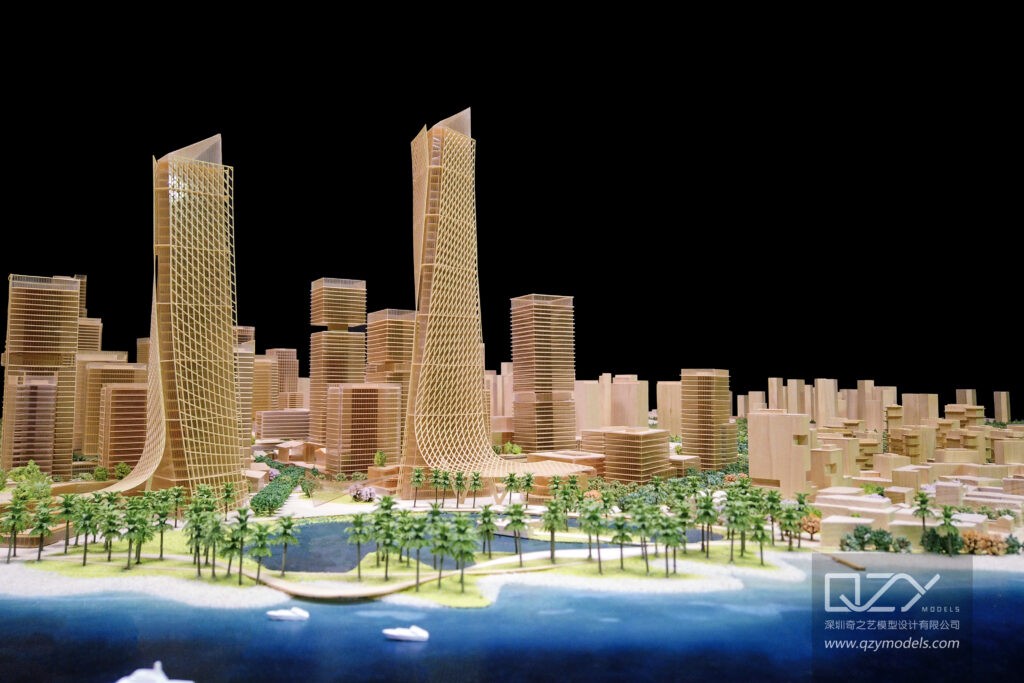
Urban Planning: Models visualize city layouts and infrastructure.
-
Industrial & Product Design: Demonstrates spatial and functional relationships.
-
Interior & Landscape Design: Highlights aesthetic and functional arrangements.
-
Exhibitions & Marketing: Serves as a compelling visual communication tool.
Conclusion: Key Takeaways
High-end architectural models are indispensable in modern design practice. They enable visualization, improve communication, validate design, and enhance client engagement. By choosing a professional team like QZY Models, stakeholders benefit from precision, innovation, and models that truly reflect design intent. For architects, developers, and designers, investing in quality physical models is a strategic decision that ensures clarity, inspiration, and project success.
Frequently Asked Questions
What materials are commonly used in high-end architectural models?
Advanced plastics, wood, metals, and laser-cut components are often used to ensure realism and precision.
How can a model help with design validation?
By providing a tangible reference, models reveal spatial issues, design conflicts, and functional limitations before construction.
What makes QZY Models different from other model makers?
QZY Models combines advanced materials, precision technology, and deep design understanding to create bespoke, high-quality models that capture the essence of architecture.
Can models be customized for different project types?
Yes, models can be adapted for residential, commercial, industrial, urban planning, and exhibition purposes.
How quickly can QZY Models deliver a project?
They offer standard and urgent services, with timelines depending on project complexity and client requirements.