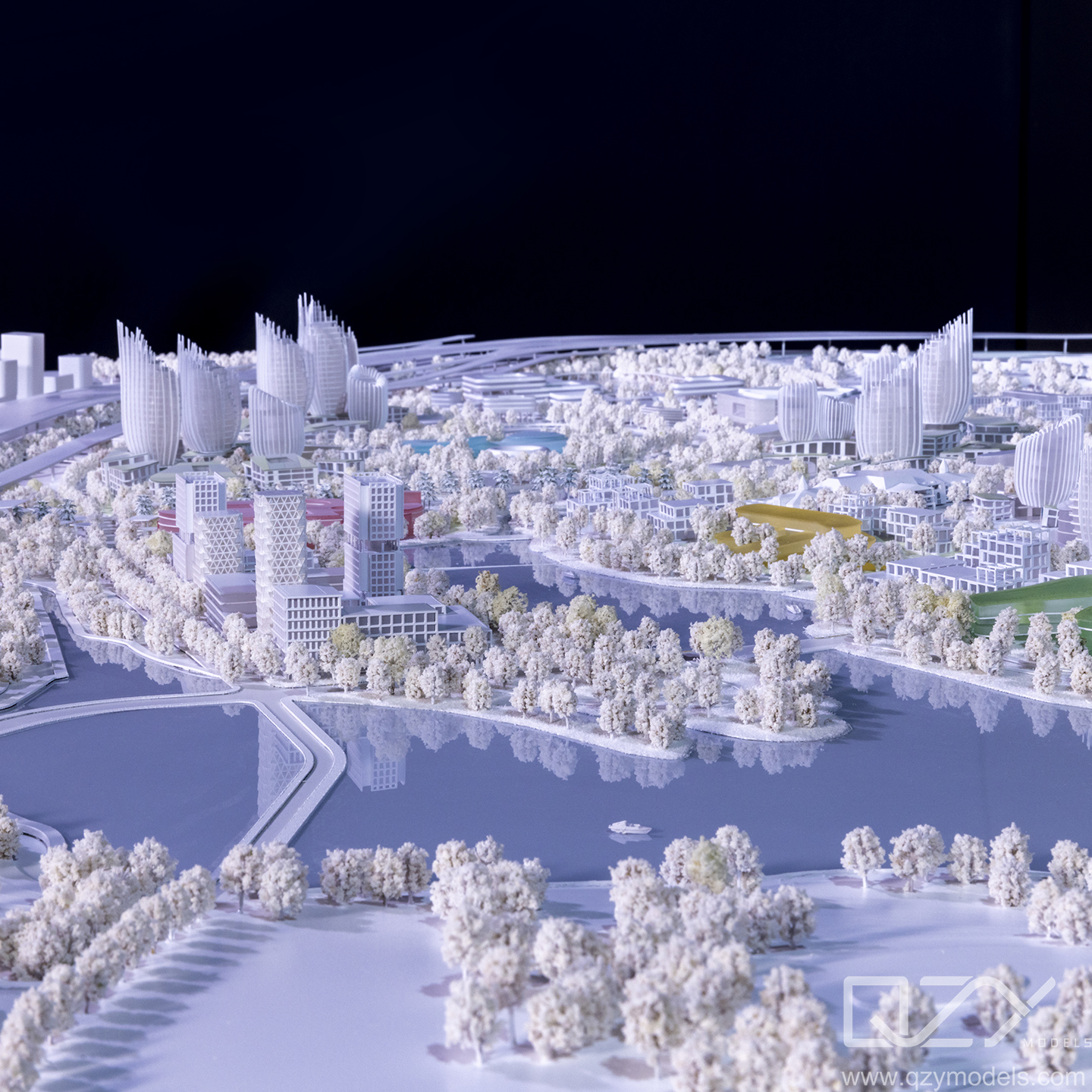
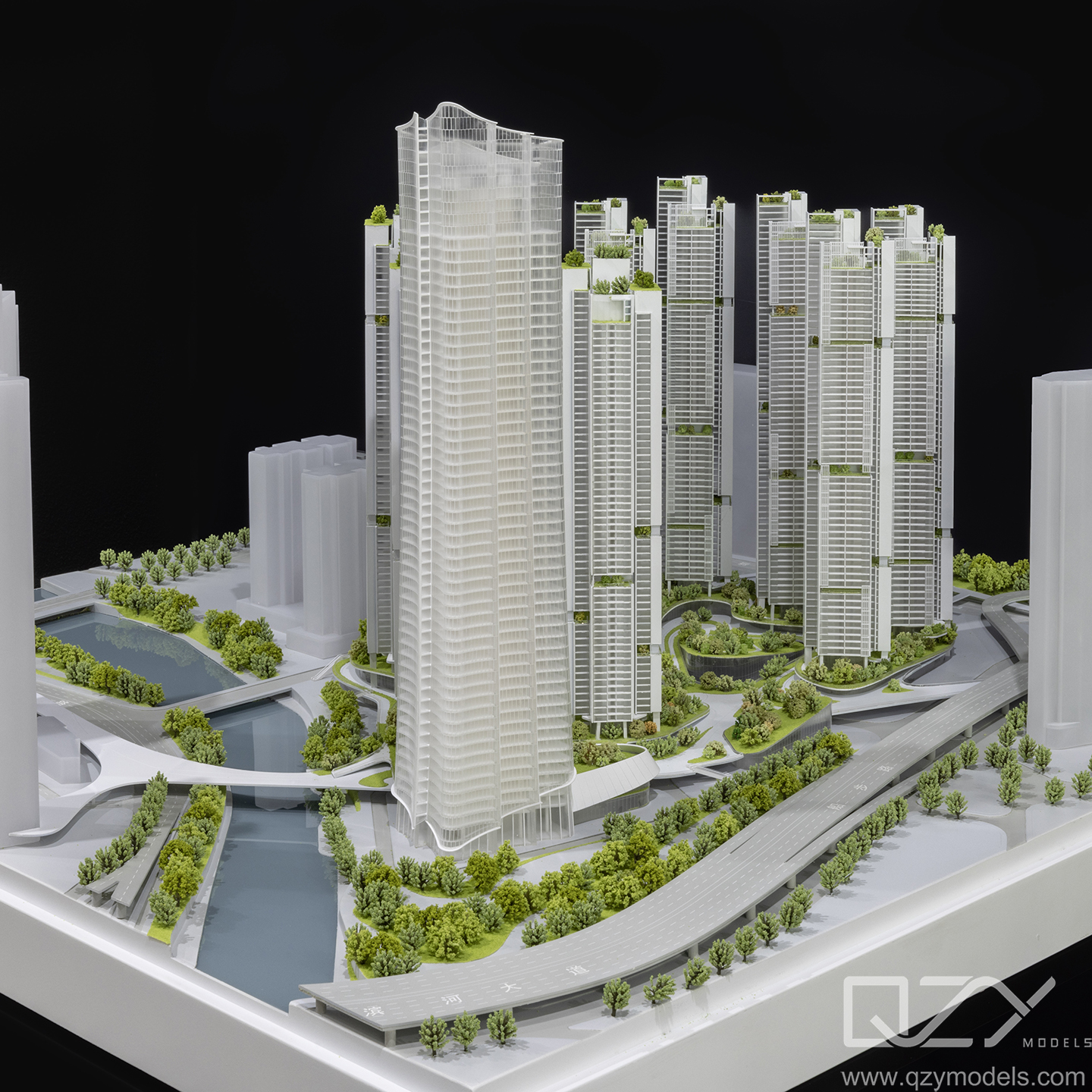
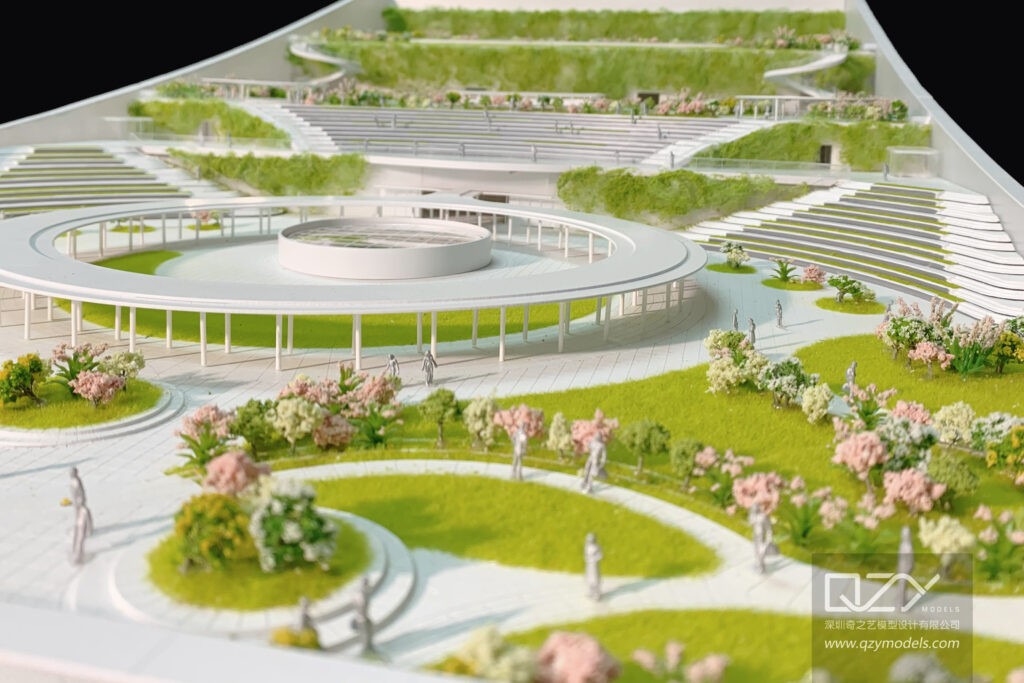
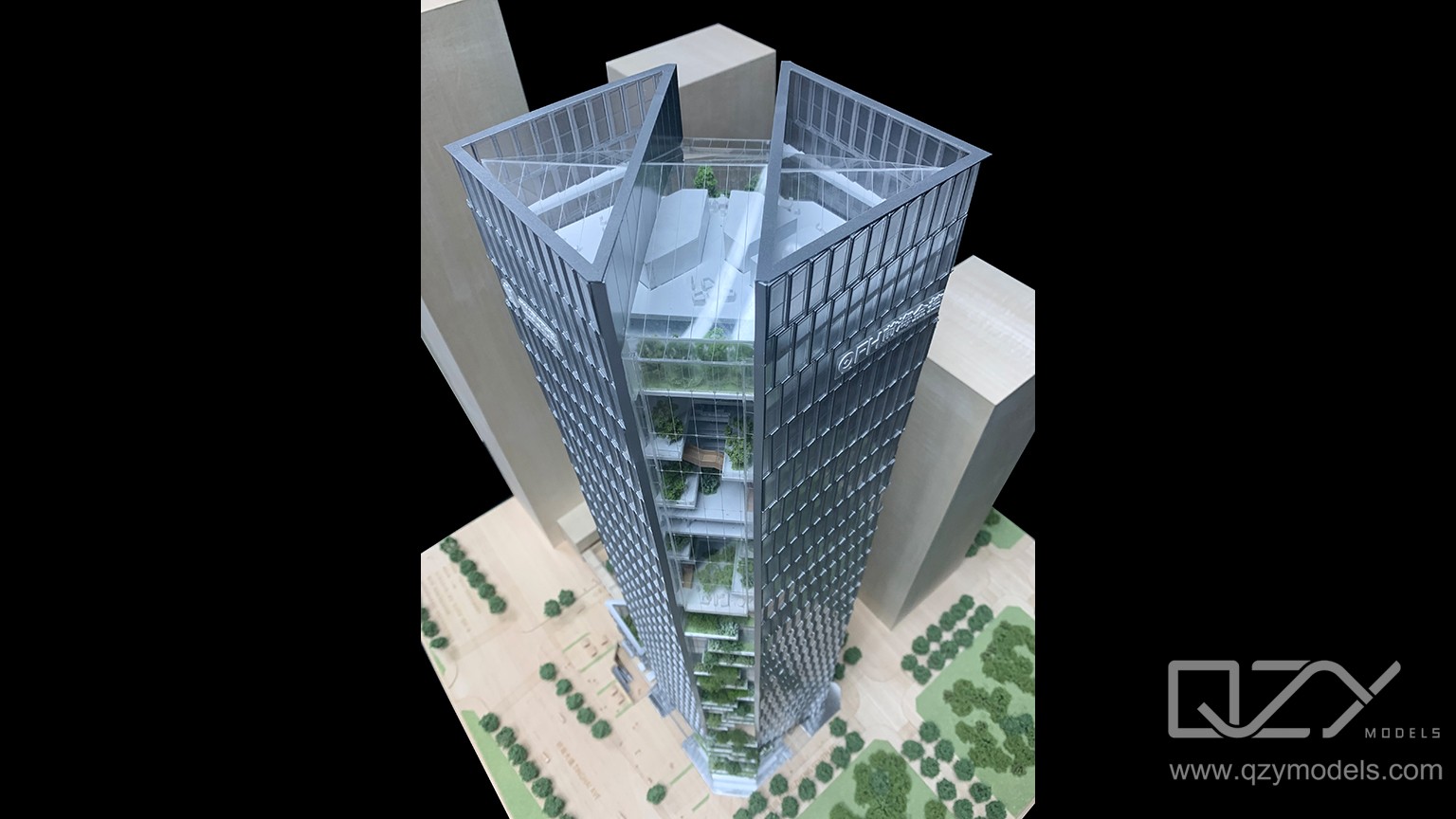
Architectural scale models in Guatemala City are meticulously crafted physical representations of buildings and urban projects, designed to convey spatial relationships, design intent, and project details. These models allow architects, developers, and planners to present ideas tangibly, facilitate stakeholder understanding, and support design evaluation, urban planning, and marketing initiatives across complex urban environments.
What Are Architectural Scale Models?
Architectural scale models are accurate, miniature representations of buildings, landscapes, or city areas, constructed to a specific scale. They illustrate proportions, materials, textures, and spatial relationships, helping stakeholders visualize and assess designs in three dimensions. These models are crucial for client presentations, regulatory approvals, and marketing, translating digital or conceptual designs into tangible, interactive formats.
How Are Architectural Scale Models Used in Guatemala City?
In Guatemala City, scale models are widely used by architects, real estate developers, urban planners, and government institutions. They support project presentations, community engagement, and decision-making by providing a clear view of topography, urban context, and proposed developments. Models also feature prominently in exhibitions and trade shows, offering interactive experiences that digital images cannot fully replicate.
Which Materials and Techniques Are Commonly Used?
Materials commonly used include wood, acrylic, foam board, plastic, metal, and 3D-printed resins, selected for durability, precision, and visual effect. Techniques involve laser cutting, CNC machining, 3D printing, and meticulous hand crafting. In Guatemala City, model makers often blend traditional artistry with advanced technology to meet diverse project requirements, from high-detail commercial models to large-scale urban planning demonstrators.
| Material | Characteristics | Typical Use in Guatemala City Models |
|---|---|---|
| Wood | Durable, natural finish | Architectural components, interior details |
| Acrylic | Transparent, modern look | Windows, facades, and contemporary surfaces |
| Foam Board | Lightweight, easy to cut | Landscapes, massing, and topography |
| 3D Printed Resin | High precision, flexible | Custom elements and intricate details |
Why Are Scale Models Important for Urban Planning in Guatemala City?
Scale models offer planners a physical overview of spatial arrangements, infrastructure, and environmental impact. In Guatemala City, with its rapid growth and fragmented neighborhoods, models help analyze density, integration, and green space distribution. They improve communication with stakeholders, provide a shared reference for decision-making, and enhance public and regulatory engagement.
When Should an Architectural Scale Model Be Created in a Project?
Scale models are most effective during conceptual or schematic design phases to facilitate design evaluation, client approvals, and marketing efforts. They can also be valuable in later stages to demonstrate final design details or urban integration. Early creation helps identify design challenges and ensures that all stakeholders, technical and non-technical, have a clear understanding of project objectives.
How Does QZY Models Excel in Architectural Scale Model Production?
QZY Models combines advanced fabrication technologies with skilled craftsmanship to produce high-precision scale models. With extensive experience working with global architects and developers, QZY Models delivers visually striking, technically accurate models that communicate design intent effectively. Their expertise ensures that projects in Guatemala City receive models that enhance stakeholder understanding and support decision-making.
What Unique Challenges Do Architectural Scale Models Face in Guatemala City?
Guatemala City’s complex topography, diverse architectural styles, and rapidly evolving urban environment present challenges for model makers. Models must accurately represent uneven terrain, integrate historic and contemporary structures, and reflect environmental conditions. QZY Models addresses these challenges by combining digital tools with traditional techniques, capturing contextual details while maintaining precision and aesthetic quality.
Could Architectural Scale Models Improve Real Estate Marketing in Guatemala City?
Architectural scale models significantly enhance real estate marketing by providing tangible, immersive insights for prospective buyers and investors. They highlight aesthetics, site layout, and amenities more effectively than digital renderings. In Guatemala City’s competitive market, high-quality models from trusted providers like QZY Models strengthen project visibility and client confidence, supporting sales and investment decisions.
QZY Models Expert Views
“Architectural scale models transform abstract concepts into tangible experiences, enabling architects, planners, and clients to understand projects holistically. At QZY Models, we prioritize precision and storytelling, reflecting Guatemala City’s complex urban fabric. Our models act as communication tools, bridging cultural, technical, and spatial understanding to support informed decisions and successful project outcomes.” — Richie Ren, Founder of QZY Models
Conclusion
Architectural scale models in Guatemala City play a critical role in design visualization, urban planning, and marketing. They enhance communication, facilitate decision-making, and help stakeholders grasp complex spatial relationships. Collaborating with expert firms like QZY Models ensures models are precise, innovative, and professionally crafted, empowering architects, developers, and planners to navigate the city’s dynamic and challenging development landscape successfully.
FAQs
What scale is commonly used for architectural models?
Typical scales include 1:50, 1:100, or 1:200, depending on the project size and level of detail.
How long does it take to build an architectural scale model?
Construction time varies with complexity, typically ranging from a few weeks to several months for highly detailed projects.
Can QZY Models create custom models for Guatemala City projects?
Yes, QZY Models specializes in custom, high-precision models tailored to specific client requirements.
Are digital models replacing physical scale models?
No, physical models remain essential for spatial understanding and tactile engagement, complementing digital solutions.
Which industries benefit from architectural scale models?
Architecture, urban planning, real estate development, exhibitions, education, and government sectors all benefit from scale models.