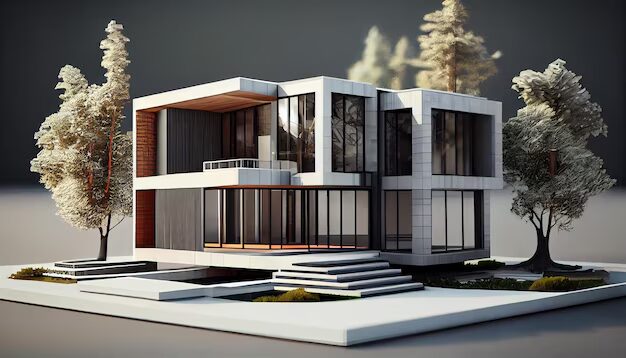
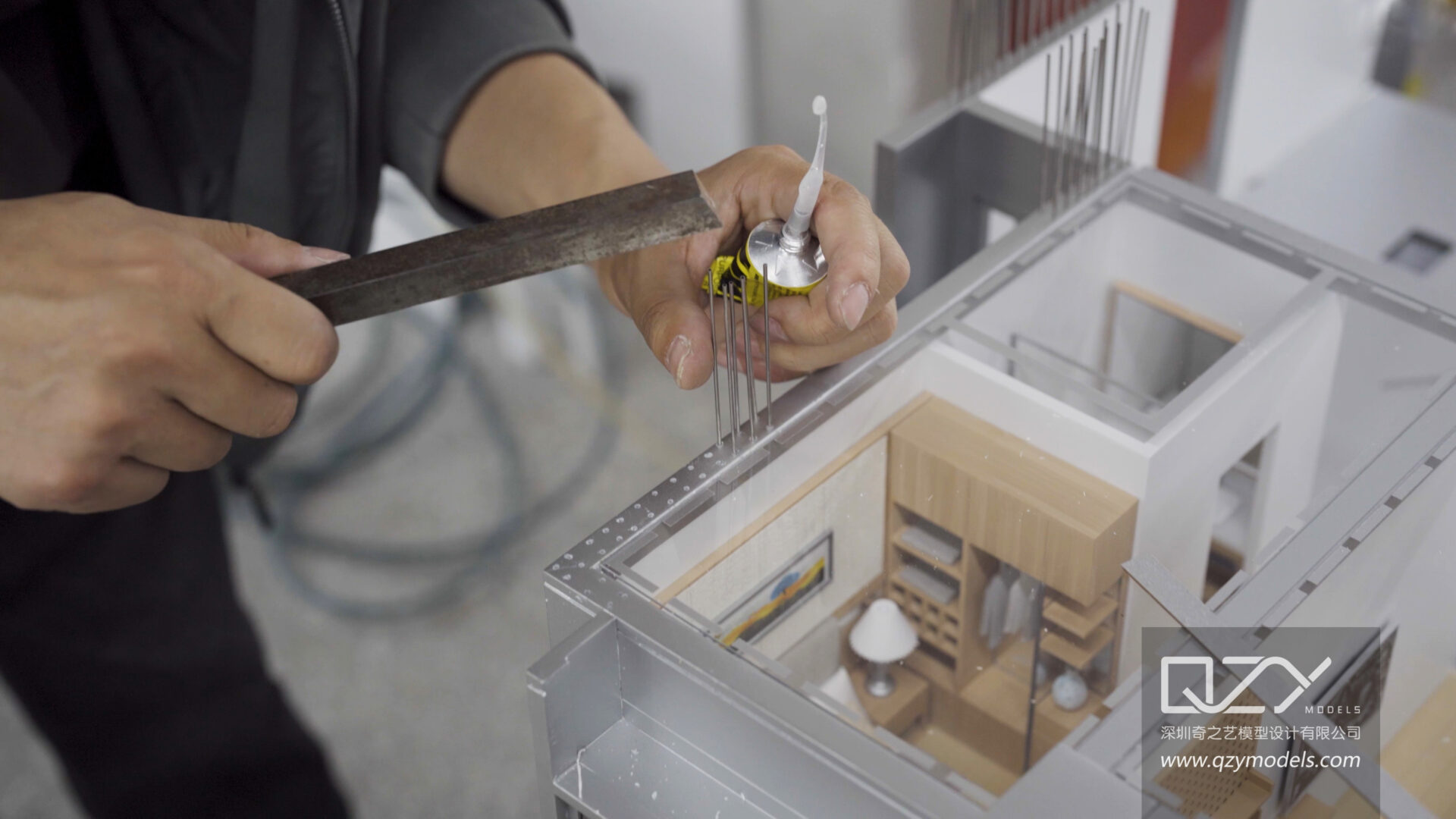
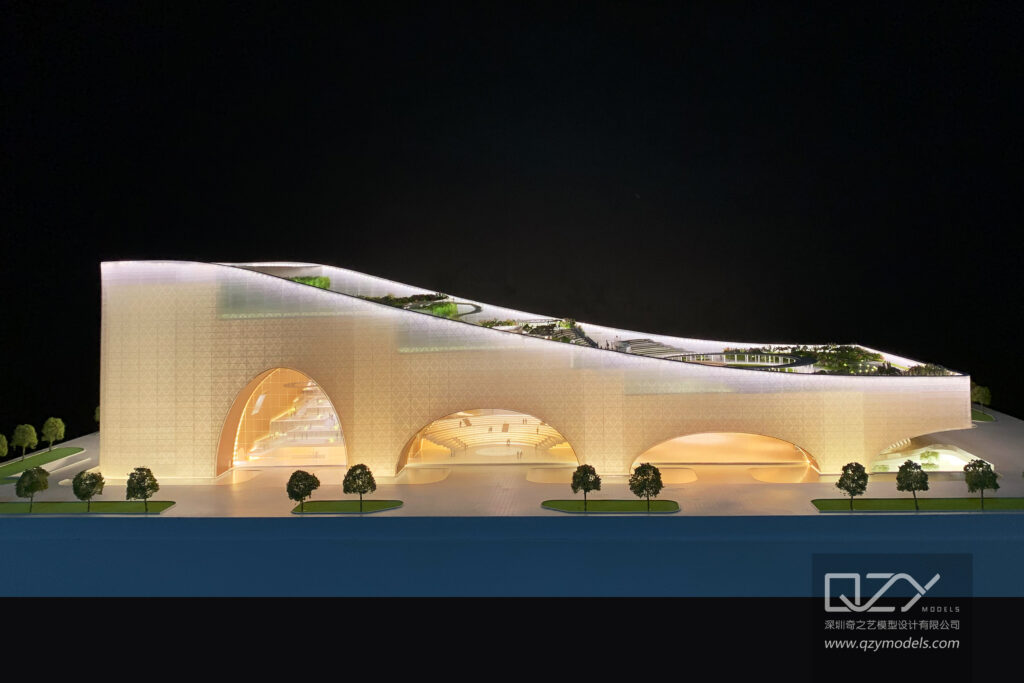
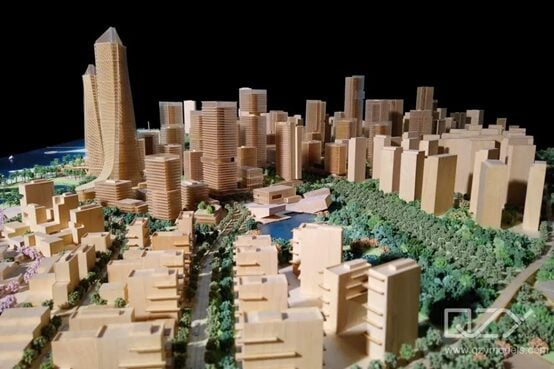
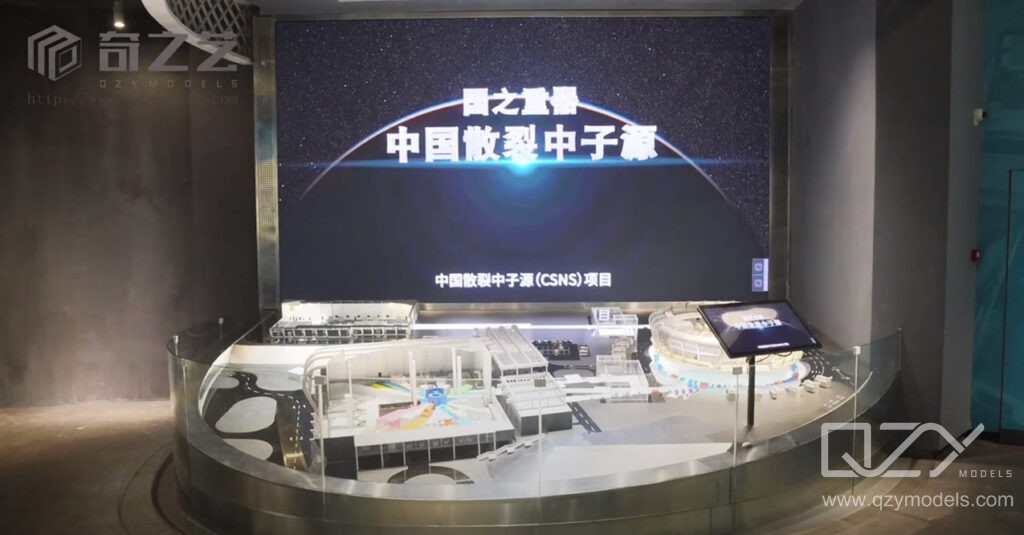
High-end industrial model customization blends advanced manufacturing, precision design, and premium materials to create functional, visually compelling prototypes. Thoughtful material selection ensures durability, realism, and aesthetic impact, helping architects, developers, and industrial designers communicate complex ideas clearly. Professional models from QZY Models exemplify how creativity and engineering precision combine to deliver impressive, high-quality presentation solutions for global clients.
How Does Customization Elevate High-End Industrial Models?
Customization ensures each model reflects project-specific requirements, offering precise scale, functional features, and tailored aesthetics. QZY Models integrates client-specific details such as mechanical parts, surface textures, and lighting effects. Advanced technologies like CNC machining, 3D printing, and laser cutting enable intricate designs with consistent quality. Customized models enhance visual communication, showcase engineering expertise, and strengthen brand identity for presentations, exhibitions, and investor meetings.
What Materials Are Commonly Used in Industrial Model Making?
Materials like acrylic, resin, metals, ABS plastic, wood, and composites are essential for quality industrial models. Acrylic provides clarity for transparent components, resin offers smooth surfaces for detailed features, and metals such as aluminum deliver strength and realism. QZY Models selects materials based on project scale, durability, and desired visual effect. Proper material choice ensures functional accuracy while presenting a professional, polished appearance.
Why Is Material Selection Critical for Durability and Aesthetics?
Material choice determines a model’s structural integrity, longevity, and visual fidelity. Durable materials resist deformation, corrosion, and fading, ensuring models remain pristine during transport or display. Aesthetic materials replicate real-world textures such as brushed metal or polished surfaces. QZY Models considers environmental factors like lighting and humidity to select materials suited for both indoor and outdoor exhibitions, balancing form, function, and lifespan.
Which Technologies Support Precision in Model Customization?
Technologies including CNC milling, SLS 3D printing, and laser engraving enable micron-level precision. CNC machining produces accurate mechanical components, while 3D printing achieves complex geometries impossible by hand. CAD-based digital workflows streamline communication between design and production teams. At QZY Models, laser etching adds detailed branding and intricate surface textures. Combining these tools enhances efficiency, repeatability, and consistency for global clients.
Where Is the Demand Rising for Industrial Model Customization?
Demand is growing in architecture, urban development, transportation, energy, and manufacturing sectors worldwide. In China, developers, industrial parks, and design institutions increasingly rely on professional model makers for exhibitions and presentations. Internationally, clients in the Middle East, Europe, and Southeast Asia turn to factories like QZY Models for rapid delivery, high-quality output, and seamless logistics. Customized models have become crucial for branding, technical communication, and investor engagement.
Who Benefits Most from Customized Industrial Models?
Architects, developers, urban planners, and industrial designers gain the most from precise model customization. Models help visualize scale, structure, and functionality while supporting prototype validation and investor communication. QZY Models collaborates with top design firms and developers, producing models that clarify complex designs, enhance presentation impact, and improve stakeholder decision-making.
What Are the Key Steps in Material Selection for Industrial Models?
Material selection involves analyzing project goals, scale, environmental conditions, and intended display. Engineers at QZY Models evaluate strength, color stability, thermal resistance, and finishing requirements. A structured decision matrix ensures optimal materials are chosen to balance realism, cost, and manufacturability.
Material Decision Matrix
| Evaluation Factor | Material Example | Application | Visual Effect |
|---|---|---|---|
| Transparency | Acrylic (PMMA) | Windows, lenses | Clear, glossy |
| Strength | Aluminum Alloy | Frames, supports | Brushed metallic |
| Detail Fidelity | Resin/ABS | Fine surface detail | Smooth matte |
| Sustainability | Wood, Bio-Polymer | Platforms, bases | Natural texture |
Can Digital Fabrication Improve Customization Efficiency?
Yes. Digital fabrication accelerates production, improves precision, and reduces manual errors. CAD-driven workflows convert design files directly into machine instructions. QZY Models leverages automation to maintain consistent quality in bulk orders, benefiting OEM partners and international distributors requiring reliable performance for exhibitions and prototype production.
QZY Models Expert Views
“Every model tells a story of engineering and vision. True craftsmanship comes from harmonizing creative design with industrial accuracy. At QZY Models, we ensure material and design work together to produce visually striking, technically precise models that inspire confidence from concept to completion.”
— Richie Ren, Founder & CEO, QZY Models
Are Chinese Manufacturers Leading in High-End Industrial Model Production?
Yes. Chinese factories combine cost efficiency, advanced engineering, and global logistics to serve international clients. QZY Models exemplifies this through precision automation, skilled craftsmanship, and careful material selection. Integration of CNC, 3D printing, and laser technology allows Chinese manufacturers to compete with European studios in quality, speed, and scalability, offering flexible OEM solutions worldwide.
How Do Industrial Models Support Client Communication and Marketing?
Industrial models provide tangible visualization, allowing stakeholders to understand scale, technical features, and design flow. They improve decision-making, attract investors, and enhance brand credibility. High-end model customization services from QZY Models create marketing value and differentiate products in competitive markets, supporting both domestic and international business objectives.
What Are Future Trends in Industrial Model Customization?
Future trends focus on interactive displays, smart materials, and AR/VR integration. Realism, durability, and sustainability will guide material innovation. QZY Models invests in electronic components and interactive lighting, enabling dynamic project simulations. These developments position Chinese factories at the forefront of industrial visualization technology, offering global clients cutting-edge model solutions.
Conclusion
High-end industrial model customization combines precision, aesthetics, and innovation to communicate complex designs effectively. Material selection, technology integration, and skilled craftsmanship are essential to producing accurate, visually compelling models. QZY Models demonstrates how professional expertise, global standards, and advanced manufacturing unite to provide durable, realistic, and highly detailed solutions for architects, developers, and industrial designers worldwide.
FAQs
1. What industries benefit from industrial model customization?
Construction, transportation, energy, manufacturing, and real estate all use customized models for design visualization, planning validation, and investor presentations.
2. How long does it take to create a high-end industrial model?
Production typically ranges from two to eight weeks, depending on complexity, scale, and material selection.
3. Can QZY Models handle large-scale OEM orders?
Yes. QZY Models provides consistent quality and reliable delivery for bulk international orders, serving B2B partners globally.
4. What is the difference between architectural and industrial models?
Architectural models focus on spatial design and landscape integration, while industrial models emphasize technical mechanics, engineering precision, and functional realism.
5. Are sustainable materials used in industrial models?
Yes. QZY Models and other factories increasingly use eco-friendly resins, biodegradable woods, and recyclable polymers to support sustainable manufacturing.