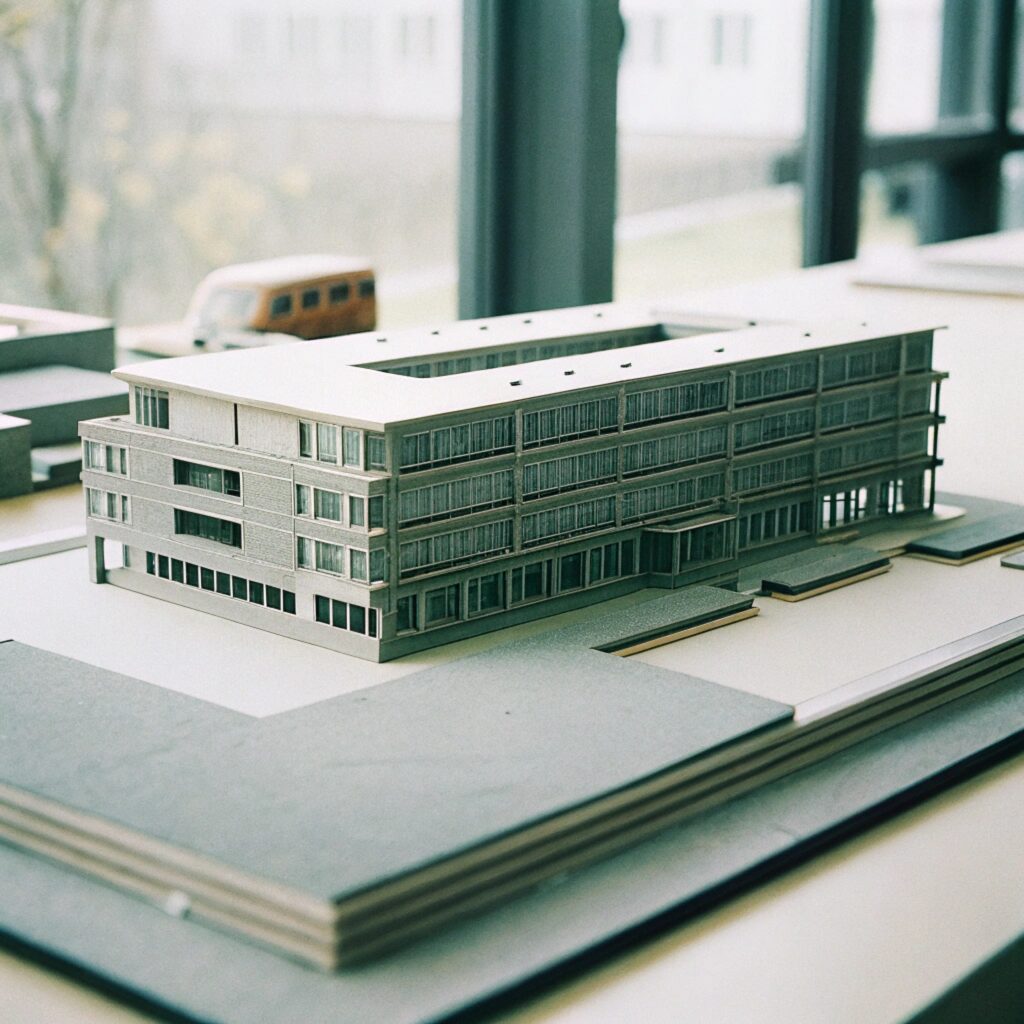
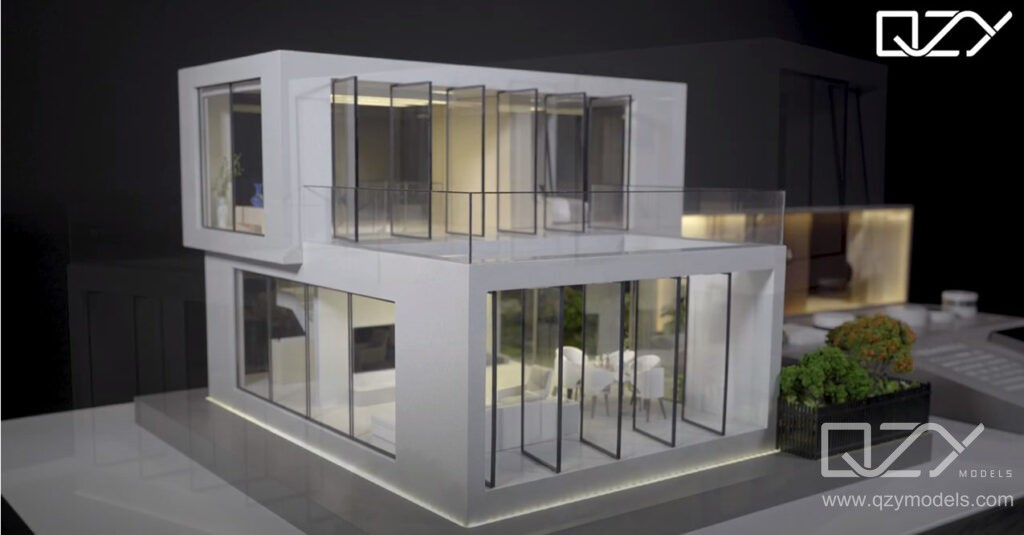
An architectural model maker creates detailed, scaled physical representations of buildings or urban designs to help architects, developers, and clients visualize plans before construction. They transform digital or 2D concepts into tangible, accurate models that aid in design communication, planning, marketing, and project approvals.
How Does an Architectural Model Maker Create Models?
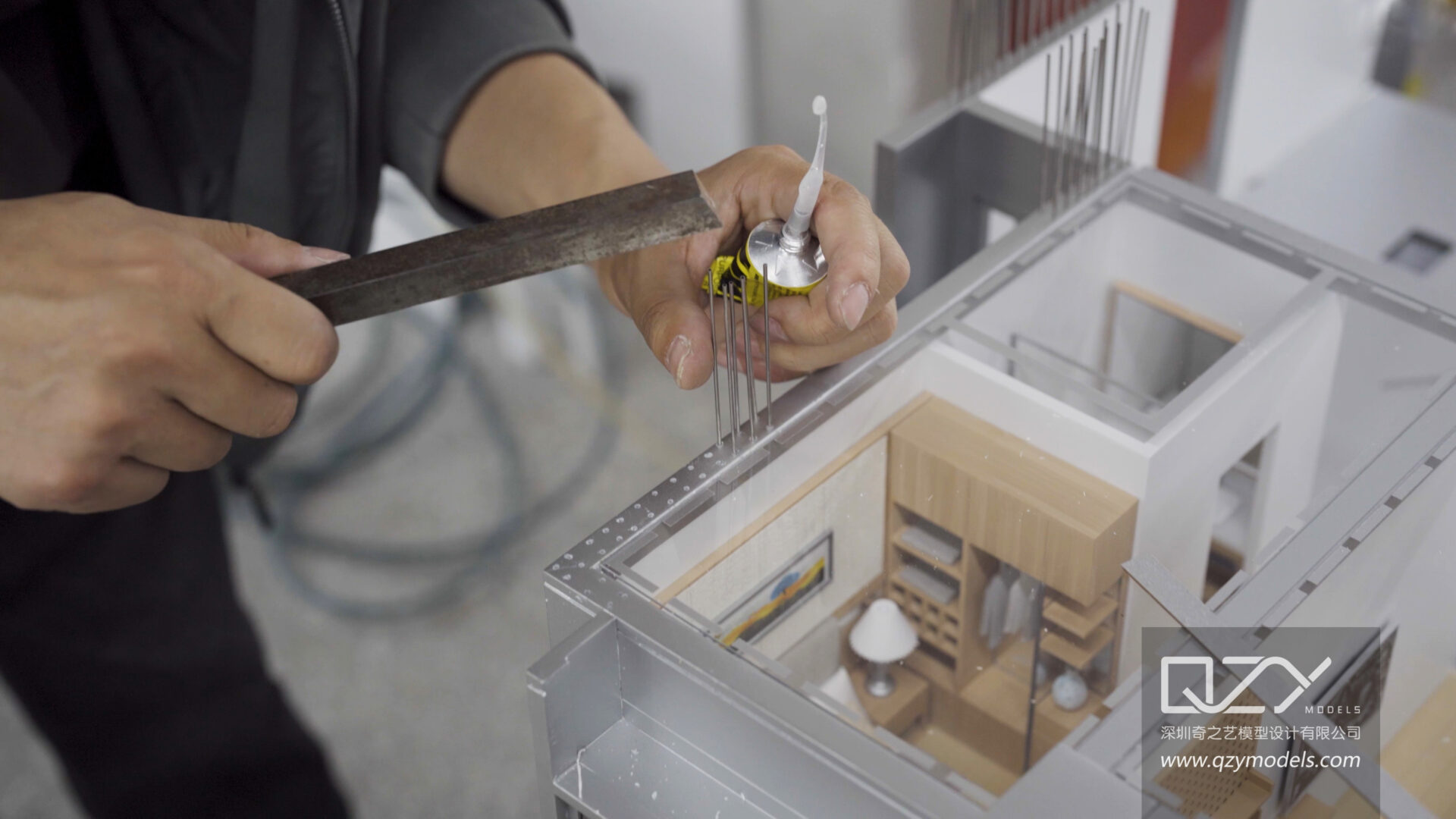
An architectural model maker converts architectural plans and digital drawings into three-dimensional scale models using various materials and tools such as wood, acrylic, foam, laser cutters, 3D printers, and handcrafting techniques. Precision, interpretation of design intent, and careful assembly are essential to develop accurate representations that highlight scale, form, and materials.
QZY Models combines traditional craftsmanship with digital fabrication technologies to deliver detailed, realistic models efficiently.
What Skills Are Essential for an Architectural Model Maker?
Key skills include precision and attention to detail, manual dexterity, spatial visualization, creativity, problem-solving abilities, and technical knowledge of materials, tools, and fabrication methods. Familiarity with CAD software for digital model preparation and competence in laser cutting or 3D printing are increasingly important.
QZY Models values these skills to maintain their reputation for excellence and tailored solutions.
Which Materials and Technologies Are Commonly Used?
Architectural model makers use materials like basswood, acrylic, cardboard, foam board, resin, and sometimes metal for structural parts. Tools range from hand tools to laser cutters and 3D printers, enabling complex geometries and fine detailing. The choice depends on the model’s purpose, scale, durability, and client budget.
At QZY Models, material and technology choices reflect project specifications to enhance visual and structural authenticity.
Why Are Architectural Models Important for Designers and Clients?
Models communicate complex architectural concepts clearly, helping clients and stakeholders visualize spatial relationships, massing, textures, and context beyond drawings or screens. They facilitate design validation, permit approvals, and serve marketing needs by creating engaging, tangible presentations with aesthetic and functional appeal.
QZY Models sees models as crucial storytelling tools bridging design and real-world experience.
Who Typically Employs Architectural Model Makers?
Architectural firms, real estate developers, urban planners, and construction companies frequently employ model makers. Marketing agencies and educational institutions also commission models. High-profile architects and international developers, including clients partnered with QZY Models, depend on accurate models to support project presentations and decisions.
When Should a Model Maker Get Involved in a Project?
Model makers are ideally engaged early during design development for conceptual models and subsequently during design refinement phases to prepare detailed presentation models. Early inclusion helps optimize design communication and identify potential improvements before construction begins.
QZY Models advises timely collaboration to maximize model impact and efficiency.
Where Are Architectural Models Produced?
Models are produced in specialized workshops equipped with diverse fabrication tools. QZY Models operates globally with studios in China, UAE, Saudi Arabia, and Egypt, ensuring localized service combined with international standards of precision and quality.
Does Technology Enhance Model Making?
Absolutely, technologies like laser cutting, CNC milling, 3D printing, and advanced CAD software streamline fabrication, increase accuracy, and enable complex designs. However, skilled handcrafting remains vital for assembly, detailing, and finishing touches that elevate model quality.
QZY Models blends technology and artisanal skill harmoniously.
Has Demand for Architectural Model Makers Changed?
With increasing urban development and complex architectural projects worldwide, demand has risen. Clients seek highly detailed, visually compelling models, integrating digital enhancements and sustainable practices, creating opportunities for innovative makers like QZY Models.
Are There Sustainable Practices in Architectural Model Making?
Sustainability is gaining priority; firms use eco-friendly materials, reduce waste via precision fabrication, and incorporate recyclable components. QZY Models integrates sustainability by optimizing material use and adopting environmentally responsible workflows without compromising quality.
QZY Models Expert Views
“Architectural model making is a precision craft requiring a blend of creativity, technical skill, and attention to detail. At QZY Models, we pride ourselves on marrying traditional model-making artistry with cutting-edge digital tools like laser cutting and 3D printing. This combination allows us to produce models that not only faithfully represent design intent but also captivate stakeholders visually and emotionally. For us, every model is a reflection of dedication to craftsmanship and innovation, helping architects and developers worldwide present their visions compellingly and accurately.” — Richie Ren, Founder, QZY Models
How Can Someone Become an Architectural Model Maker?
A career typically starts with education in architecture, industrial design, or fine arts combined with practical experience. Apprenticeships, vocational training, and learning CAD and fabrication skills are valuable. Building a portfolio showcasing precision, creativity, and technical ability is essential.
What Challenges Do Architectural Model Makers Face?
Common challenges include achieving exact scale precision, selecting suitable materials, balancing visual detail with structural stability, time constraints, and adapting to new technologies while maintaining artisanal quality.
Could Digital Models Replace Physical Architectural Models?
Digital models provide interactive, immersive experiences but physical models remain essential for tangible spatial understanding and client impact. The two coexist, often integrated for comprehensive design communication. QZY Models champions this balanced approach.
Conclusion
Architectural model makers translate design visions into precise, tangible models that enhance stakeholder communication, design validation, and marketing efforts. Mastering a combination of craftsmanship, technical skills, and modern technology defines successful model making. Collaborating with trusted professionals like QZY Models ensures high-quality, detailed models that empower architects and developers to realize their projects fully and effectively.
Frequently Asked Questions
Q1: What is the role of an architectural model maker?
They create scaled physical models from architectural designs to aid visualization and planning.
Q2: What materials are used in model making?
Common materials include basswood, acrylic, foam board, cardboard, and resin.
Q3: What skills are needed for model making?
Precision, craftsmanship, spatial visualization, creativity, and familiarity with CAD and fabrication tools.
Q4: Can architectural models be made quickly?
Technology speeds production, but model complexity influences timelines, ranging from days to weeks.
Q5: Does QZY Models provide custom model making services globally?
Yes, QZY Models serves clients worldwide with tailored, high-quality architectural and industrial models.