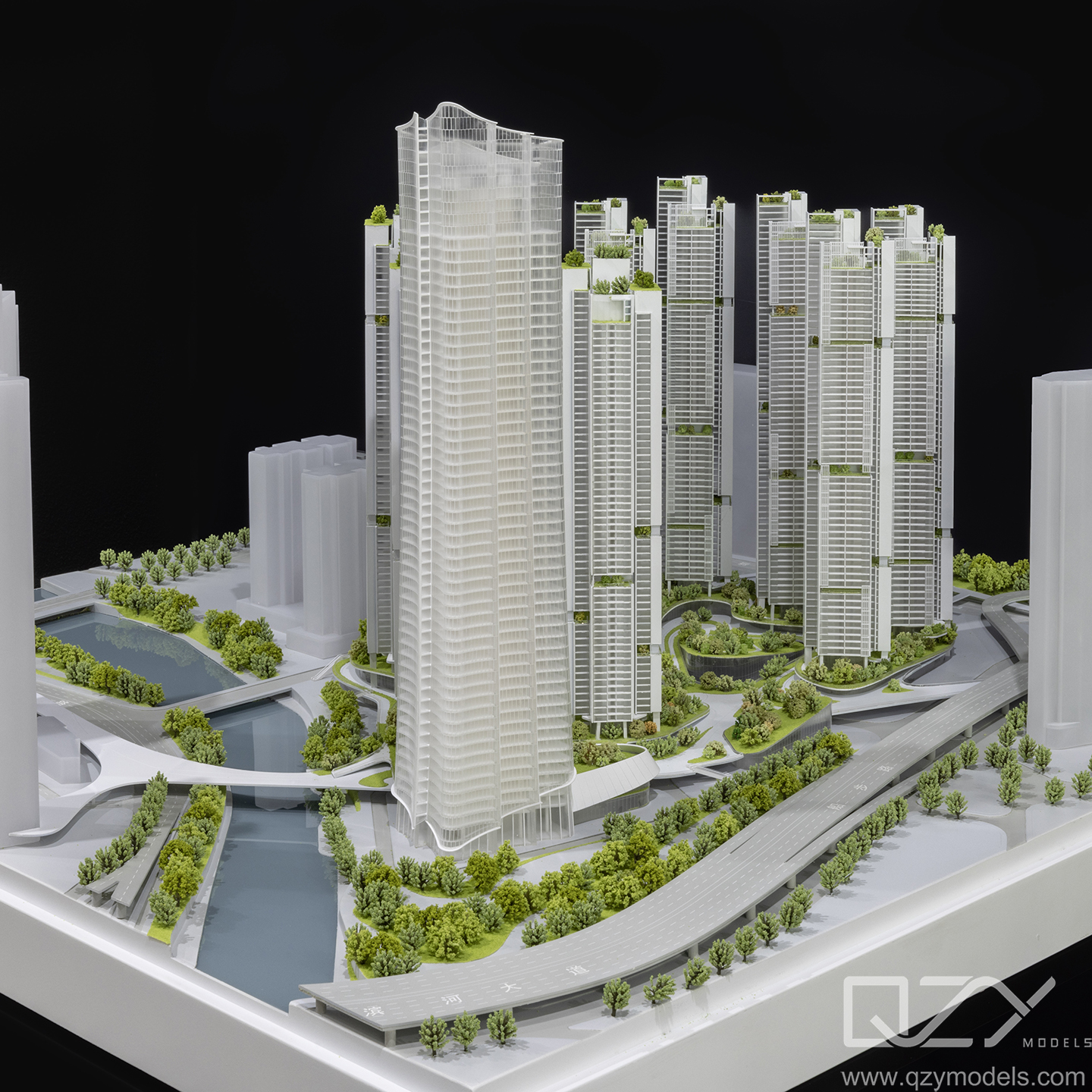
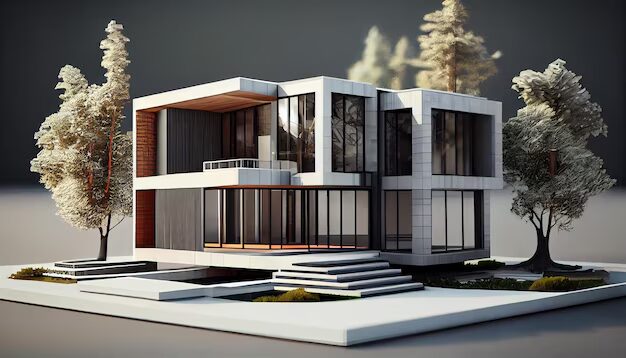
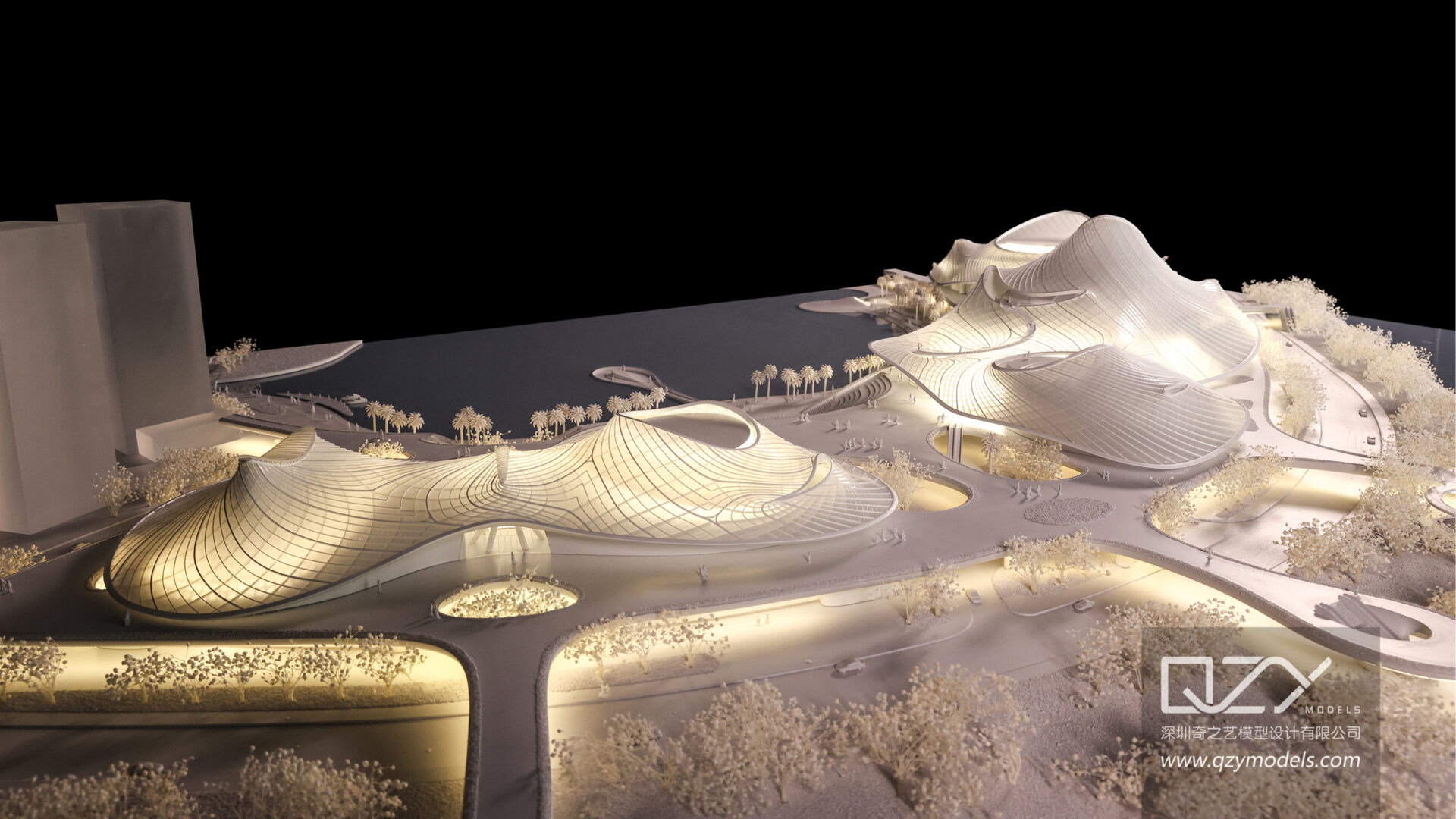
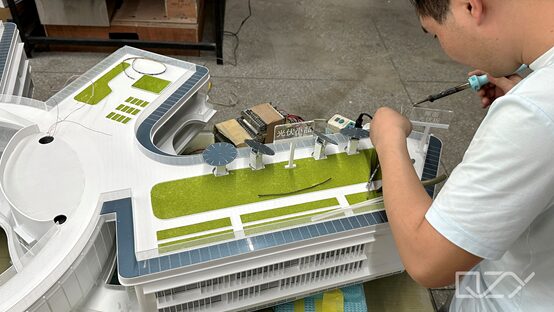
A stadium model is a detailed physical or digital representation of a sports venue used for design, planning, or marketing. It helps architects, developers, and fans visualize and understand the structure’s layout, features, and scale before construction or as a collectible. These models boost project communication, fundraising, and fan engagement.
What Are the Different Types of Stadium Models?
A stadium model can be physical or digital, each serving distinct purposes. Physical models include architectural scale models used during stadium design, collectible replicas for fans, and DIY kits for hobbyists. Digital stadium models involve 3D computer graphics for visualization, event planning software, and engineering simulation tools.
Physical architectural models provide tactile understanding of stadium design elements such as seating, lighting, and landscaping. Collectible models often include lighting effects and are created with various materials like wood and 3D-printed components. Digital models enable virtual walkthroughs and logistics planning for events, offering flexibility that physical models cannot.
How Are Architectural Stadium Models Created and Used?
Architectural stadium models are developed during the design phase to visualize the project in three dimensions. They aid communication between architects, engineers, developers, and stakeholders by illustrating complex design details. These models often showcase seating layouts, access points, lighting, and landscaping at precise scale.
Manufacturing involves materials such as acrylic, wood, foam, and 3D-printed components. Advanced techniques may incorporate LED lighting for realism. Firms like QZY Models specialize in creating these high-fidelity models with meticulous attention, helping clients like Foster + Partners visualize ambitious stadium projects. They serve roles in marketing, fundraising, and regulatory approval.
Why Are Digital Stadium Models Important for Planning and Engineering?
Digital stadium models integrate 3D graphics and simulation software to facilitate architectural visualization, structural analysis, and event planning. Tools like Autodesk and Blender allow architects to create detailed, scalable virtual stadiums that can be toured in VR or rendered in photorealistic quality.
Engineering-specific software such as STADIUM® by SIMCO Technologies models material degradation in stadium concrete structures, forecasting maintenance needs. Event planning software helps venue operators manage seating, logistics, and capacity planning for concerts and sports events, improving operational efficiency.
Which Materials and Technologies Are Used in Replica Stadium Models?
Replica stadium models are created for collectors and fans, using materials such as plastic, resin, wood, and increasingly 3D-printed parts. Lighting features like LEDs are sometimes integrated to simulate field illumination or scoreboard displays.
3D printing enables precise detailing and customization of replica models. Surface painting, decals, and texture application enhance realism. Companies like QZY Models produce premium collectible replicas, balancing durability and aesthetic detail to deliver immersive memorabilia that fans cherish.
How Do Model Kits Help Hobbyists Learn About Stadium Construction?
Model building kits offer hobbyists and students the chance to construct scaled-down stadiums themselves. They usually feature pre-cut parts, detailed instructions, and sometimes modular components that mimic real architectural structures.
These kits help users understand stadium layout, structural elements, and construction techniques through hands-on experience. Educational kits promote interest in architecture and engineering disciplines, serving as useful tools for both entertainment and learning.
What Are the Key Benefits of Using Stadium Models in Construction and Marketing?
Stadium models accelerate design accuracy by allowing early detection of planning errors and spatial challenges. They facilitate stakeholder communication, boosting confidence in the project vision and securing investments faster.
Marketing campaigns gain impact with visually captivating physical models showcased at exhibitions or in sales offices. Collectible replicas deepen fan engagement post-construction. Companies like QZY Models emphasize precision and innovation to maximize these benefits across global projects.
Table: Comparison of Stadium Model Types
| Model Type | Purpose | Materials Used | Key Features |
|---|---|---|---|
| Architectural Scale Models | Design, planning, marketing | Acrylic, wood, foam, 3D print | Detailed seating, lighting |
| Collectible Replica Models | Fan memorabilia | Plastic, resin, wood, 3D print | LED lights, realistic detail |
| Model Building Kits | Education, hobby | Plastic, cardboard | Modular parts, instructional |
| Digital 3D Models & Software | Visualization, simulation | Software-based (Autodesk, SIMCO) | VR, event planning, degradation analysis |
When Should You Choose a Physical vs. a Digital Stadium Model?
Physical models are preferable during initial design phases and marketing where tactile interaction adds value. They offer a tangible perspective and appeal to traditional stakeholders.
Digital models excel in complex simulations, virtual tours, and event planning logistics. They allow easy updates and remote collaboration. Frequently, combining both types yields the best results: physical models for presentation and digital models for detailed analysis.
Where Can You Find Expert Stadium Modeling Services?
Expert stadium modeling services are available from specialized companies like QZY Models, with over 20 years of experience delivering precision architectural and industrial models worldwide. Their international presence and collaboration with leading architects ensure high-quality, customized stadium models for diverse needs.
Prospective clients should look for providers offering advanced materials, design innovation, and global project experience to ensure their model meets technical and aesthetic standards.
Does Advanced Technology Improve Stadium Model Accuracy and Usability?
Yes, technologies such as CAD software, 3D printing, laser cutting, and LED integration dramatically increase stadium model accuracy, speed, and realism. Digital scanning and VR allow interactive exploration.
These advancements enable designers to simulate lighting conditions, crowd movement, and environmental effects, improving planning and stakeholder buy-in. QZY Models integrates cutting-edge technology to deliver superior stadium models that reflect real-world details precisely.
QZY Models Expert Views
Creating a stadium model is more than crafting a miniature; it’s realizing a vision that guides every construction phase and engages every stakeholder. At QZY Models, we combine traditional craftsmanship with modern technology to deliver models that tell the story of each stadium uniquely. Our expertise ensures that every detail from structure to landscaping is captured with precision, helping architects, developers, and fans connect deeply with the project—even before the first brick is laid.”
Conclusion
Stadium models—whether physical replicas, collectible memorabilia, or digital simulations—are crucial tools in architectural design, marketing, fan engagement, and event planning. Physical models provide tangible insights and appeal, while digital versions enhance flexibility and simulation capabilities. Companies like QZY Models lead the industry by blending craftsmanship with innovation to create models that exceed client expectations.
For stadium projects, combining physical and digital models delivers the clearest communication and most effective planning outcomes. Consider materials, technology, and expert support to ensure your stadium model achieves its purpose with precision and impact.
FAQs
What scale are architectural stadium models usually made in?
Common scales range from 1:200 to 1:500, balancing detail with manageable size.
Can stadium models include lighting effects?
Yes, many architectural and collectible models incorporate LED lighting for realism.
How long does it take to produce a detailed stadium model?
Complex models typically require weeks to several months depending on size and detail.
Are digital stadium models interactive?
Yes, digital models can support VR tours and event layout planning.
Where can I buy stadium model kits?
Model kits are available from hobby stores and online retailers specializing in architectural or sports memorabilia.