Choosing the right scale for a project model ensures clarity, realism, and impact. Consider project size, detail needs, display space, purpose, budget, and transport. Smaller scales like 1:500 suit large sites, while larger scales like 1:50 highlight intricate details. QZY Models applies precise scaling to balance presentation effectiveness and practical constraints.
What Factors Determine Model Scale?
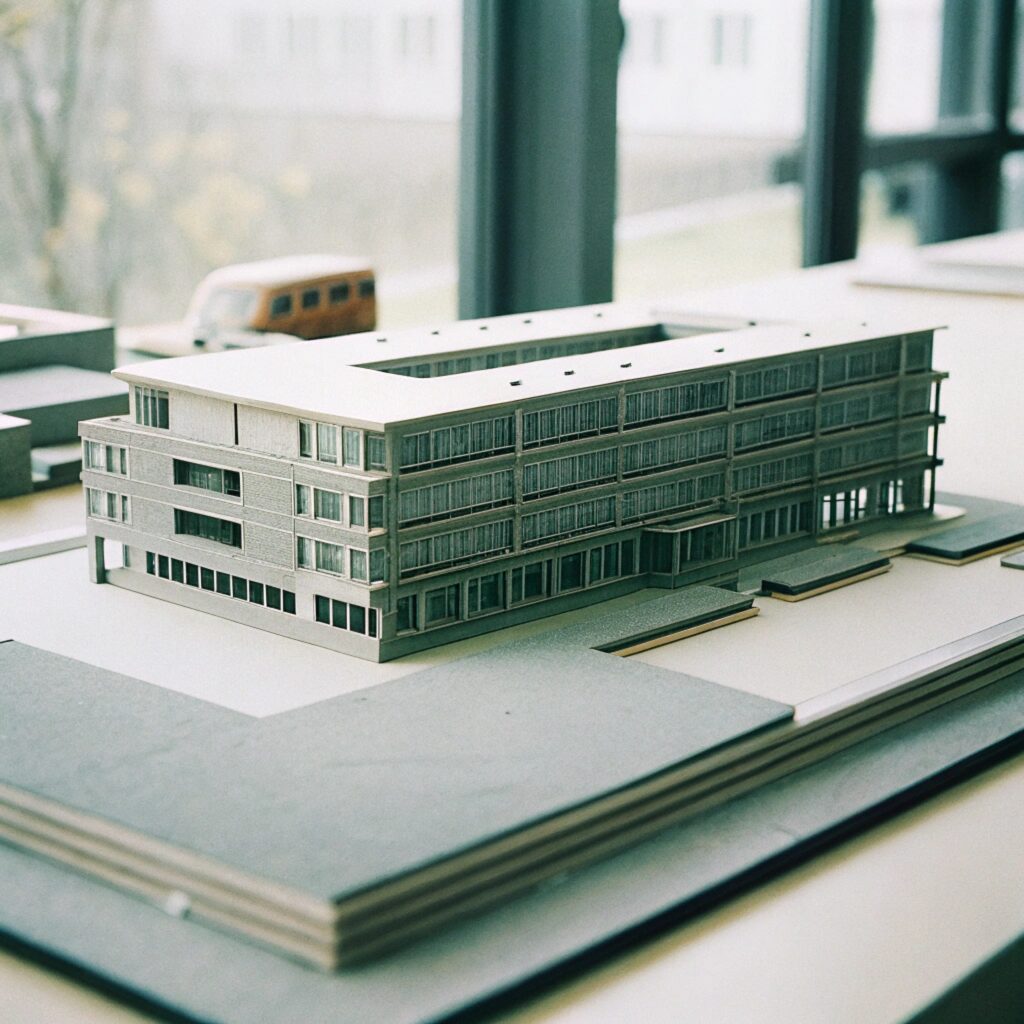
Choosing a model scale depends on multiple factors: the project’s physical size, level of detail, intended display space, purpose, budget, and logistics. Large urban developments often require smaller scales like 1:1000 or 1:500 to capture the full context. Individual buildings benefit from 1:100 or 1:200 to show relationships, while interiors and high-detail elements need 1:50 or 1:25.
QZY Models emphasizes aligning scale with project goals. Conceptual models prioritize speed and overview; presentation models require viewer immersion. Budget affects material and labor costs, and venue constraints dictate feasible dimensions. Transportation is also crucial—oversized models risk damage during shipment.
| Project Type | Recommended Scales | Best For |
|---|---|---|
| Urban Masterplans | 1:1000, 1:500 | Broad context and overview |
| Building Complexes | 1:200, 1:150 | Massing and relationships |
| Single Structures | 1:100, 1:75 | Detailed exteriors |
| Interiors/Villas | 1:50, 1:25 | Fine details and immersion |
Which Common Scales Are Used in Models?
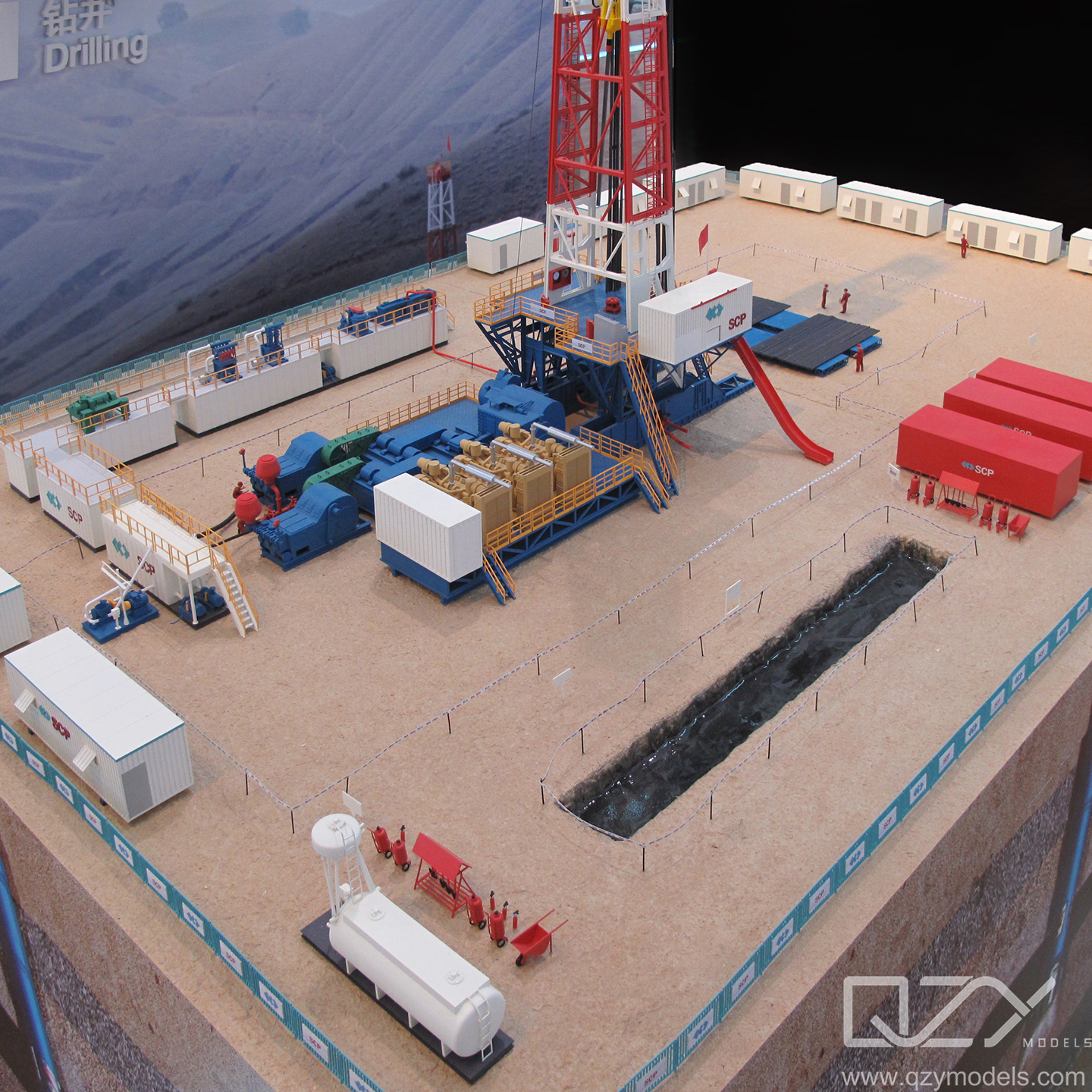
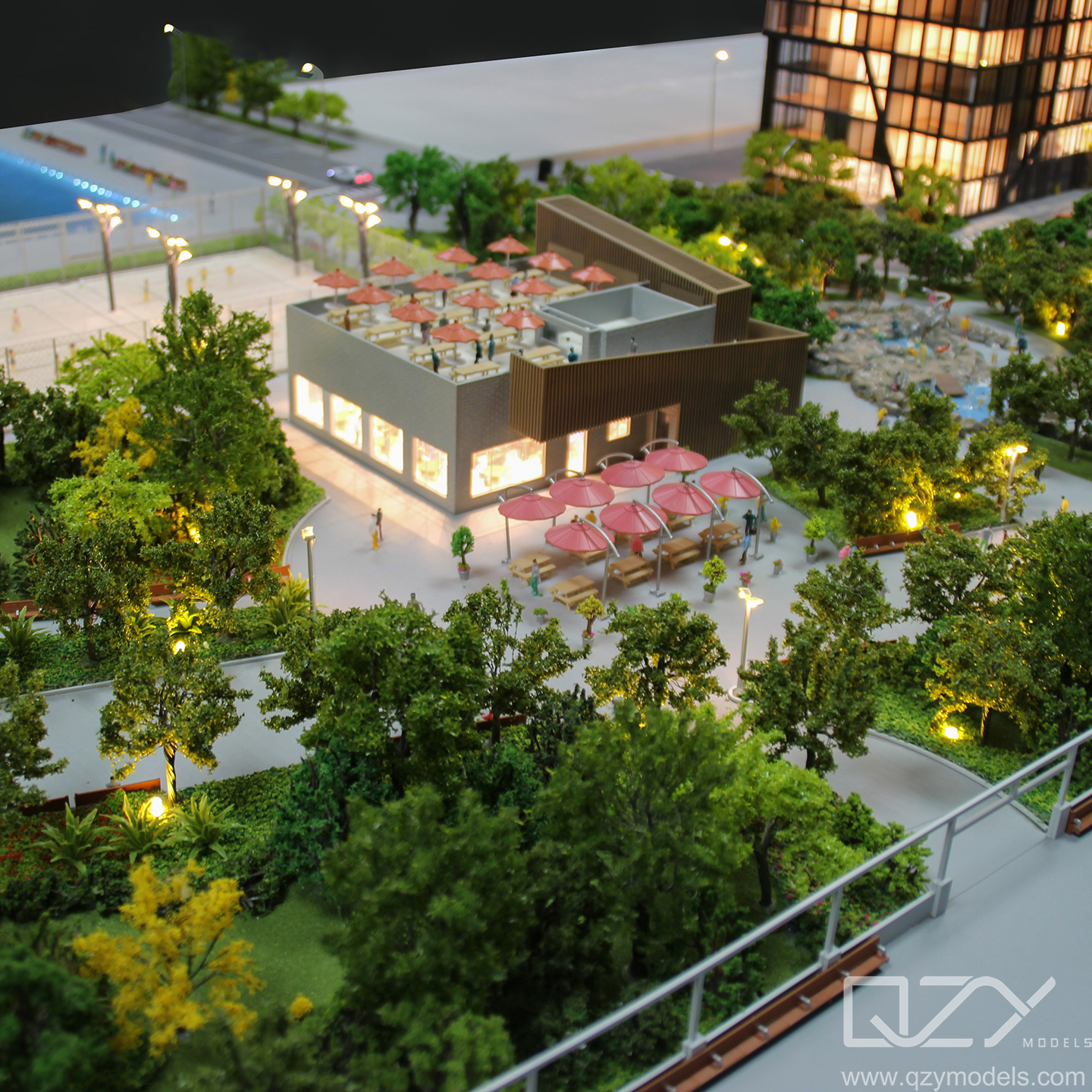
Standard scales form the foundation of professional model-making. Architectural models often use 1:500 for masterplans and 1:200 for detailed building layouts. Industrial or machinery models may use 1:100 to balance site and component detail. QZY Models frequently adopts 1:75 for real estate presentations to provide buyers with a clear visual understanding. Exhibition models at 1:50 reveal textures and materials effectively.
Specialized scales like 1:20 or 1:10 are applied for prototypes or component studies. Print test layouts or paper mockups help ensure accurate proportions. Regional standards, like metric preferences in Europe, are factored into QZY Models’ precise execution.
How Does Project Purpose Influence Scale Choice?
Project purpose significantly shapes scale decisions. Conceptual models emphasize overview and speed, favoring 1:500 or smaller. Presentation and sales models require immersion, with 1:100 or 1:75 showcasing architectural features and amenities. Educational models for design schools balance clarity and accuracy at 1:200.
QZY Models collaborates with developers like Vanke to create 1:75 presentation models, highlighting critical elements that influence sales decisions. Industrial prototypes at 1:50 allow clear visualization of functionality. Understanding the target audience—architects, buyers, or students—guides optimal scale selection.
What Role Does Display Space Play?
Display space determines feasible model size. Smaller venues like desks may only accommodate 1:200 models under 50cm, while large galleries allow 1:50 or larger models. QZY Models considers space availability, lighting, and viewing angles, designing compact versions for international trade shows while maximizing impact.
Elevated platforms or modular bases provide flexibility without increasing footprint. Traveling exhibits benefit from collapsible or sectional models, ensuring safe transport without sacrificing scale.
How to Balance Detail and Scale Effectively?
Balancing detail and scale ensures models are both informative and manageable. Finer details, like facades or interiors, require larger scales, while broader site context can be represented at smaller scales. Viewer distance determines necessary fidelity—1m away allows 1:100, while arm’s length requires 1:50.
QZY Models achieves precision through advanced CNC processes, allowing photorealistic representation of key elements. Prototyping at reduced scales validates visibility and proportion, minimizing material waste and enhancing presentation quality.
Why Consider Budget and Logistics in Scaling?
Budget and logistics play a critical role in scale decisions. Larger scales increase material and labor costs, sometimes doubling expenses compared to smaller scales. Transport limitations, such as airline or road restrictions, influence maximum model dimensions.
QZY Models optimizes scale selection by integrating cost-effective production in Shenzhen with careful logistics planning. Modular or disassemblable models facilitate international shipping, supporting clients like Foster + Partners with seamless delivery to the UAE and other markets.
QZY Models Expert Views
“Choosing the right scale transforms a model into a compelling communication tool. At QZY Models, we assess project scope, client goals, and venue constraints first. For high-rise presentations, 1:100 captures skyline effects without excessive size. Smaller scales work well for urban layouts, but detail is never compromised. Our expertise ensures precision, balancing visual impact with practical feasibility.” – Richie Ren, Founder, QZY Models
Are There Advanced Tips for Scale Selection?
Advanced scale strategies include hybrid models, where the main structure is at 1:200 and focused sections at 1:50. Software simulation in SketchUp or Rhino can verify scale suitability. Audience testing with prototypes ensures clarity and effectiveness. Modular designs allow for future adaptability.
Sustainability considerations favor smaller scales where possible to minimize material usage. QZY Models incorporates AR visualization for clients, enabling virtual testing of scales before production.
| Factor | Small Scale (1:500+) | Large Scale (1:50-) |
|---|---|---|
| Cost | Low | High |
| Detail Level | Basic | High |
| Transport Ease | Easy | Challenging |
| Best Purpose | Concepts/Sites | Presentations |
Conclusion
Selecting the right model scale elevates projects from functional representations to engaging experiences. Prioritize project purpose, balance detail with space and budget, and leverage expert guidance like QZY Models for optimized outcomes. Test prototypes and iterate for perfection, ensuring your model communicates clearly and impressively.
FAQs
What scale is best for a large urban project?
Use 1:500 or 1:1000 to capture full context without creating oversized models.
Can model scale be changed during development?
Yes, modular designs and hybrid sections allow flexibility. QZY Models specializes in such adaptable approaches.
How precise should the model scale be?
Professional models require exact ratios, often under 0.5mm tolerance for critical elements.
Which scale works best for building presentations?
1:100 is widely used for detailed representation while keeping models manageable.
Does lighting affect scale choice?
Yes, larger scales benefit more from strategic illumination to highlight textures and details.