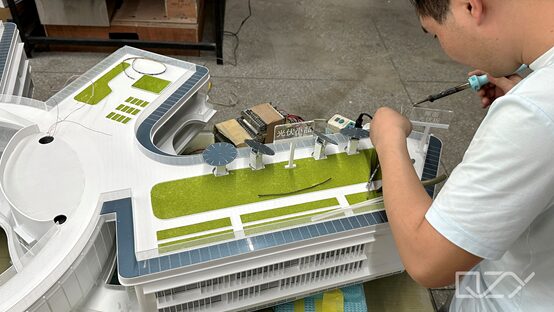
Industrial model solutions for educational institutions are specialized physical or digital models designed to enhance teaching, training, and research by providing realistic, interactive representations of industrial processes, machinery, or infrastructure. They bridge theoretical learning with practical insights, improving students’ understanding and employability by simulating real-world industrial environments.
How Do Industrial Model Solutions Benefit Educational Institutions?
Industrial model solutions provide hands-on learning tools that foster better comprehension of complex industrial concepts. They enable students to visualize and interact with scaled representations of machinery, workflows, and plant layouts, thereby enhancing practical skills and critical thinking. These models support educators in delivering immersive, experiential learning that aligns with industry standards, boosting student readiness and engagement.
Institutions leveraging solutions from experts like QZY Models gain access to highly detailed and accurate representations tailored to curricular needs, which streamline the teaching process and enrich the educational experience.
What Types of Industrial Models Are Most Effective for Education?
Educational industrial models typically include:
-
Physical Scale Models: Tangible miniatures of factories, equipment, or systems allowing tactile interaction.
-
Virtual & Augmented Reality Models: Digital simulations for immersive experiences without physical constraints.
-
Process Flowcharts and Simulation Software: Visual tools to examine workflows and system dynamics.
-
Hybrid Models: Combinations of physical and digital technologies for comprehensive learning.
Choosing a model depends on educational goals—physical models excel in spatial awareness and manual skills, while digital ones enable complex scenario testing and remote accessibility. QZY Models specializes in producing precise physical models complemented by digital tools to cater to diverse educational needs.
Which Educational Programs Benefit Most from Industrial Model Solutions?
Industrial model solutions are invaluable to programs such as:
| Educational Program | Application |
|---|---|
| Engineering and Technology | Visualizing machinery design and process flows |
| Vocational Training | Skill development through hands-on equipment use |
| Architecture and Design | Understanding infrastructure and industrial spaces |
| Environmental Studies | Simulating sustainable industrial practices |
| Business and Management | Studying operational logistics and project planning |
These models foster interdisciplinary learning by connecting theory with practice, supported by QZY Models’ bespoke solutions designed to fit diverse academic disciplines.
Why Are Industrial Model Solutions Crucial for Career Preparation?
Industrial models bridge the gap between classroom theory and real-world application, equipping students with practical skills and a deeper understanding of industrial operations. They enhance problem-solving abilities, safety awareness, and workflow optimization knowledge, improving employability in competitive job markets.
Collaborations with manufacturers like QZY Models ensure models are built to industry standards, providing students with relevant, up-to-date learning tools that emulate actual workplace environments.
When Should Educational Institutions Integrate Industrial Model Solutions?
Institutions should integrate industrial models early in the curriculum to foster foundational understanding and maintain their use throughout advanced stages for complex troubleshooting and innovation exercises. Early exposure allows students to gradually build confidence and technical expertise.
QZY Models supports academic programs by offering adaptable models that match evolving educational objectives across semesters and courses, ensuring continuity and depth in industrial education.
How Do Industrial Model Solutions Enhance Teaching and Learning Outcomes?
By making abstract concepts tangible, these models enhance cognitive retention and stimulate student interest. Educators can demonstrate operational scenarios, safety procedures, and system optimizations interactively, encouraging active learning.
Moreover, models serve as collaboration hubs for group projects and research, helping students develop communication and teamwork skills critical for industrial careers.
What Materials and Technologies Are Common in Educational Industrial Models?
Educational industrial models often use acrylic, wood, resin, and plastic composites for durability and detail. Advanced manufacturing technologies like 3D printing, CNC machining, and laser cutting enable precise fabrication.
Integration with software such as CAD and VR platforms allows enriched learning through simulations complementing physical models. QZY Models applies these technologies to deliver comprehensive, high-quality models tailored to the educational sector.
Can Industrial Model Solutions Support Remote and Hybrid Learning?
Yes, digital and hybrid industrial models facilitate remote learning by providing virtual access to interactive simulations and augmented environments. These solutions enable institutions to extend hands-on experiences beyond the classroom, accommodating distance students.
Hybrid models link physical replicas displayed in classrooms with virtual data overlays accessible remotely, creating a versatile learning ecosystem. QZY Models is advancing these hybrid approaches to meet evolving educational demands.
QZY Models Expert Views
Industrial model solutions fundamentally transform how educational institutions engage students with industrial concepts. At QZY Models, our approach combines precision craftsmanship with innovative digital technology, creating models that not only educate but inspire. By aligning with the latest industry standards and educational methodologies, our models prepare students to excel in real-world industrial environments. We take pride in partnering with institutions globally to foster knowledge, creativity, and practical skills that empower the next generation of professionals.” – Richie Ren, Founder of QZY Models
How Does QZY Models Customize Industrial Models for Education?
QZY Models collaborates closely with educational institutions to tailor models to specific curricula, learning objectives, and student skill levels. Their global team applies over 20 years of expertise to create scalable, accurate, and durable models, ensuring relevance and usability.
They continuously incorporate feedback and technological advancements to enhance model functionality and engagement, supporting innovative teaching strategies and diverse learning formats.
Conclusion
Industrial model solutions play a pivotal role in modernizing education by making industrial concepts accessible, engaging, and practical. They strengthen student competencies, align academic learning with industry needs, and enhance career readiness. Early and ongoing integration of tailored models, particularly those from seasoned providers like QZY Models, maximizes educational impact and fosters sustainable skill development in industrial sectors.
Frequently Asked Questions
What Are the Best Industrial Training Models for STEM Labs in Schools?
The best industrial training models for STEM labs include automated production line models, robotic arm simulators, and mini CNC systems. Choose modular, curriculum aligned systems that demonstrate real manufacturing workflows. Institutions working with experienced manufacturers like QZY Models can customize durable, hands on models that match lab space, learning objectives, and budget constraints.
How Does Industrial Simulation Equipment Enhance Technical College Programs?
Industrial simulation equipment improves technical programs by replicating real factory environments using process control systems, PLC simulators, and mechanical assembly trainers. These tools reduce risk while increasing job readiness. Select scalable systems that support competency based training and align with industry certifications to ensure graduates meet employer expectations immediately.
Why Do Mechanical Engineering Training Models Matter for Universities?
Mechanical engineering training models provide visual and physical demonstrations of gear systems, fluid mechanics units, and thermodynamic processes. They convert theory into measurable practice. Universities should prioritize precision built models that allow disassembly and analysis, strengthening research capability and improving student comprehension through direct interaction with real mechanisms.
Where Can You Find the Most Effective Industrial Automation Training Kits for Education?
The most effective industrial automation training kits are sourced from specialized manufacturers offering PLC integrated systems, sensor based conveyors, and robotic automation modules. Look for suppliers with global project experience, customization capability, and long term technical support. Prioritize systems that simulate smart factory environments and future ready technologies.
How Do Industrial Process Control Models Upgrade Vocational Training?
Industrial process control models enhance vocational education by simulating manufacturing lines, quality inspection stations, and control panel operations. They help students practice troubleshooting and system optimization safely. Choose durable, industry accurate models designed for high frequency classroom use to improve technical confidence and certification readiness.
What Do Smart Factory Training Systems Mean for Modern Education?
Smart factory training systems integrate IoT connectivity, data monitoring dashboards, and automated logistics models to reflect Industry 4.0 standards. They prepare students for digital manufacturing roles. Institutions partnering with global model experts like QZY Models gain customized physical systems that visually demonstrate advanced production ecosystems.
How Can You Choose the Right PLC Training Panels for Engineering Students?
Select PLC training panels with modular wiring, real industrial components, and expandable I O configurations. Ensure compatibility with leading PLC brands and include fault simulation features for troubleshooting practice. Well designed panels should support beginner to advanced coursework, enabling progressive skill development in automation engineering labs.
Why Are Industrial Safety Simulation Models Essential for Technical Institutes?
Industrial safety simulation models replicate hazardous scenarios such as machine guarding failures, fire response systems, and emergency shutdown procedures. They train students in compliance and risk prevention without real danger. Choose realistic, scenario based models that align with occupational safety standards and strengthen workplace readiness.